The number that didn't matter as much as everyone thought
In 1938, researchers began following 268 Harvard sophomores, later adding hundreds of young men from Boston's poorest neighborhoods, and they never really stopped. They took blood. They measured blood pressure. They asked about marriages, jobs, drinking, and grief, year after year, for the better part of a century. When psychiatrist Robert Waldinger, the study's current director, gathered everything they knew about the men at age 50 and asked which measures predicted who would be thriving at 80, the answer was not their cholesterol.
It was how satisfied they were in their relationships. The people most satisfied in their relationships at 50 were the healthiest at 80.
Sit with that for a second, because it runs against almost everything the health industry sells. We are trained to watch numbers we can measure: weight, LDL, A1C, steps. Those numbers matter (this is a fitness site; we will spend thousands of words on them). But the Harvard data suggest that the warmth of your closest bonds belongs on the same dashboard.
And that's only the first surprise.
The second is that, by many measures, emotional life gets better with age. In a Stanford study that paged people at random moments of their day, five times a day, for a week at a time, and then repeated the whole exercise five and ten years later, older participants reported more positive emotional experience, more emotional stability, and more of that bittersweet mix of feelings researchers call poignancy. The grumpy-old-man stereotype is mostly a stereotype.
The third surprise is the strangest. In a Yale study of 660 adults aged 50 and older in a small Ohio town, people with more positive views of their own aging lived about 7.5 years longer than those with negative views, even after accounting for age, health, loneliness, and income. How you think about getting older appears to be tangled up with how you actually get older.
None of these findings means aging is easy, or that a cheerful attitude cures arthritis. Bodies wear. People we love get sick and die. Money runs short. But the research keeps pointing to the same uncomfortable, hopeful conclusion: a large share of what makes the second half of life good is shaped by things you still have a say in.
What "living well" actually means here
This guide uses a working definition built from the research rather than a greeting card. Living well after 50 means four things, held together:
- Capability. A body strong and steady enough to do what you want, from carrying groceries up the stairs to hiking a ridge with your grandkids.
- Connection. At least a few relationships where you feel known, and a wider web of people who'd notice if you disappeared for a week.
- Contribution. Some way your days matter to someone besides you.
- Enjoyment. Actual fun. Curiosity, play, beauty, a good meal, a long laugh. This one gets left off too many lists.
These aren't separate projects. They behave like a system. Strength makes it easier to show up for people. People pull you out the door to move. Purpose gives you a reason to protect your health. A positive outlook makes all of it feel worth the effort. When one gear slips, the others tend to slow down, and when one starts turning, it can drag the rest along.
That's the spine of this article. We'll start with what the science actually says (including where it's shakier than headlines suggest), then work through the physical foundation, relationships, purpose, emotional resilience, and the practical architecture of money, housing, and time. We'll finish with a self-check and a 90-day plan you can start without rearranging your life.
In this guide
- The science of thriving after 50: what's proven, what's promising, and what's hype
- The physical foundation that makes everything else possible
- Relationships: the strongest predictor we have
- Purpose, meaning, and contribution
- Happiness and resilience as daily practices
- Designing your life: money, home, work, learning, caregiving
- Your roadmap: self-check, 90-day plan, pitfalls, and FAQs
One note before we go further. If you're reading this from a hard place (recently widowed, newly diagnosed, freshly retired and quietly panicking, or caring for someone around the clock) this isn't a pep talk that pretends otherwise. There's room in here for you, too.
The science of thriving after 50: what's solid, what's shaky, and what's hype
The research on aging well is enormous, messy, and frequently oversold. So before the advice, a quick tour of what we actually know, with honest labels attached.
The happiness curve has a plot twist
For about fifteen years, the most famous finding in happiness research was the U-curve: life satisfaction drifts down from early adulthood, bottoms out in your late 40s, then climbs back up. Economist David Blanchflower found the pattern in data from over a hundred countries, with the low point landing around 47 in wealthy nations and 48 in developing ones. It made a tidy story. Midlife is a squeeze of mortgages, teenagers, aging parents, and the slow realization that you will not, in fact, play shortstop for the Giants. Then the squeeze eases.
But the story has gotten more interesting. Some researchers argued the U was partly a statistical artifact; when German sociologists reanalyzed decades of panel data following the same people over time, they found something closer to a gentle decline than a dip-and-rebound. And in 2025, Blanchflower and colleagues reported that in the U.S., the U.K., and a 44-country survey, mental ill-being no longer peaks in midlife at all. It now declines steadily with age, mostly because young adults' mental health has worsened so sharply.
So what should a 58-year-old take from all this? Something modest but real. Across very different methods, the people reporting the least distress in recent surveys tend to be the ones who've been around longest. That doesn't mean everyone over 60 is content (averages hide a lot of pain), and less despair isn't the same as more joy. But the default script, in which every year after 50 is a little grayer than the last, is not what the data show.
Why emotional life often improves
Stanford psychologist Laura Carstensen has a compelling explanation called socioemotional selectivity theory. When the future feels endless, you invest in breadth: new contacts, new information, options for later. As your time horizon shortens, priorities shift toward what feels meaningful now. You spend less energy on people who drain you and more on the ones who matter. You get pickier, in a good way.
In her decade-long experience-sampling study, aging was associated with more positive overall emotional well-being and greater emotional stability, and the age pattern held after accounting for health, personality, and demographics. People also reported more mixed emotions, the feeling of watching a grandchild graduate while missing the person who isn't there to see it. That isn't a defect. It's a kind of emotional depth that's hard to have at 25.
Five habits that buy a decade
If you want the cleanest numbers in this whole field, here they are. Harvard researchers followed more than 120,000 adults for up to 34 years and looked at five habits: never smoking, a healthy diet, at least 30 minutes a day of moderate-to-vigorous activity, a normal body weight, and moderate alcohol intake. At age 50, women who did all five had a projected life expectancy 14 years longer than women who did none; for men the gap was about 12 years.
Two caveats keep this honest. It's observational, so healthier people may differ from less healthy people in ways the study couldn't fully measure. And the alcohol piece has gotten murkier since 2018; newer evidence suggests the safest amount is lower than "moderate," and nobody should start drinking for their health. The other four habits are about as close to settled science as lifestyle research gets.
Loneliness is a health risk, not just a mood
In 2010, psychologist Julianne Holt-Lunstad pooled 148 studies covering more than 300,000 people and found that strong social ties were associated with markedly better survival odds. That analysis is the source of a statistic you've probably heard: the U.S. Surgeon General's 2023 advisory states that lacking social connection can raise the risk of premature death about as much as smoking up to 15 cigarettes a day.
Note the "up to." The cigarette comparison is a way of conveying the size of a statistical association, not a claim that loneliness and Marlboros do identical things to your lungs. But the underlying point is solid and replicated: social disconnection shows up in mortality data with a size that rivals the risk factors your doctor already asks about.
Purpose shows up in the mortality tables too
Researchers at the University of Michigan looked at nearly 7,000 adults over 50 in the national Health and Retirement Study. Over roughly four years of follow-up, people with the lowest sense of life purpose were more than twice as likely to die as those with the highest, with particularly strong links to heart and circulatory deaths. The association held after adjusting for factors like depression, income, and health behaviors.
What this study can't tell us is direction. Serious illness can drain your sense of purpose, so some of the effect may run backward. Still, the authors point out that there seems to be no downside to building more purpose into your life and potentially a large upside. That's a reasonable bet.
Your beliefs about aging are not just opinions
Becca Levy's work at Yale is some of the most striking in the field. Beyond the 7.5-year longevity finding, she and colleagues followed 4,765 older adults without dementia for four years. Among people carrying APOE ε4, the gene variant most strongly linked to Alzheimer's risk, those with positive age beliefs were 49.8% less likely to develop dementia than carriers with negative beliefs.
The proposed mechanism is stress. If you've absorbed the idea that getting older means becoming useless, every forgotten name or stiff morning confirms the story and adds to a chronic stress load. Positive age beliefs seem to buffer that. Here again, these are observational findings. But Levy's lab has also shown in experiments that age beliefs can be shifted, which matters, because it means this is a lever rather than a fixed trait.
Personality matters, and it's less fixed than you think
Two traits keep showing up in long-running studies of healthy aging. Conscientiousness (being organized, reliable, and follow-through oriented) predicts longer life, probably because conscientious people take their pills, wear their seatbelts, and keep their appointments. Openness to experience is linked to staying mentally engaged and adapting well to change. Neither is destiny. Personality keeps shifting modestly throughout adulthood, and the behaviors associated with these traits can be practiced even if they don't come naturally.
Correlation, causation, and what to do with uncertainty
Almost everything above is correlational. That's not a flaw so much as a reality: nobody can randomly assign people to fifty years of loneliness. The useful question isn't "Is this proven beyond doubt?" but "Is the evidence consistent, plausible, and the action low-risk?" For strength training, social connection, purpose, and a healthier view of aging, the answer to all three is yes. You don't need perfect proof to call a friend.
Individual variation is also enormous. Plenty of people do everything right and still get hit by illness or loss. Plenty of chain-smoking curmudgeons live to 97. The research describes odds, not guarantees, and it should never be used to blame anyone for their circumstances.
Why fitness is the multiplier
Here's where Fitafter50 has a particular point of view. Physical capacity isn't one pillar among many. It's the one that makes the others accessible.
You can't join the Saturday hiking group if the hills scare you. You'll decline the invitation to the wedding if you're worried about the stairs at the venue. Volunteering at the food bank means lifting boxes. Traveling with grandkids means airports, luggage, and long days on your feet. Even mood leans on movement: a large 2024 analysis in The BMJ found that walking or jogging, yoga, and strength training all produced meaningful reductions in depression, with bigger effects at higher intensities.
A stronger body widens the door to everything else. That's why the next section is long.
The physical foundation: a body that says yes
Think about the last time you turned something down for a physical reason. Maybe it wasn't dramatic. You skipped the walking tour because of your knee. You didn't get down on the floor to play with the grandkids because getting back up is a production. You said "you go ahead" when friends rented kayaks.
Each of those is small. Added up over years, they shrink a life. The goal of training after 50 isn't a beach body. It's a body that keeps saying yes.
Strength: the non-negotiable
Muscle is the closest thing aging has to a savings account. Adults lose muscle mass and, even faster, muscle power as the decades pass if they don't push back. The good news, and it's genuinely good, is that muscle responds to training at every age that's been studied, including people in their 80s and 90s.
The CDC's guidelines call for muscle-strengthening activity at least 2 days a week, working all major muscle groups to the point where another repetition would be hard without help. That last clause is the part most people skip. Lifting a light weight while chatting doesn't send much of a signal. The last few reps should feel like work.
A quick self-check: the 30-second chair stand. Sit in a sturdy, armless chair against a wall, feet flat, arms crossed over your chest. Count how many times you can stand fully and sit back down in 30 seconds. Write the number down. Physical therapists use this test (it's part of the CDC's STEADI fall-prevention toolkit) because leg strength predicts so much of independent life: getting off the toilet, out of a car, up from a fall. Retest every four to six weeks. Watching that number climb is one of the most motivating things in fitness.
Where to start if you've never lifted:
- Sit-to-stand from a chair. 3 sets of 8–12. Make it harder by using a lower seat or holding a weight at your chest.
- Wall or countertop push-ups. 3 sets of 8–12. Progress by moving your hands lower over the weeks.
- Resistance-band rows. Anchor a band in a door, pull your elbows back, squeeze your shoulder blades. 3 sets of 10–15.
- Step-ups onto a low step, holding a rail at first. 2–3 sets of 8 per leg.
- Farmer's carry. Pick up two moderately heavy bags or dumbbells and walk 30–40 steps. Grip strength is one of the better simple predictors of healthy aging, and this trains it directly.
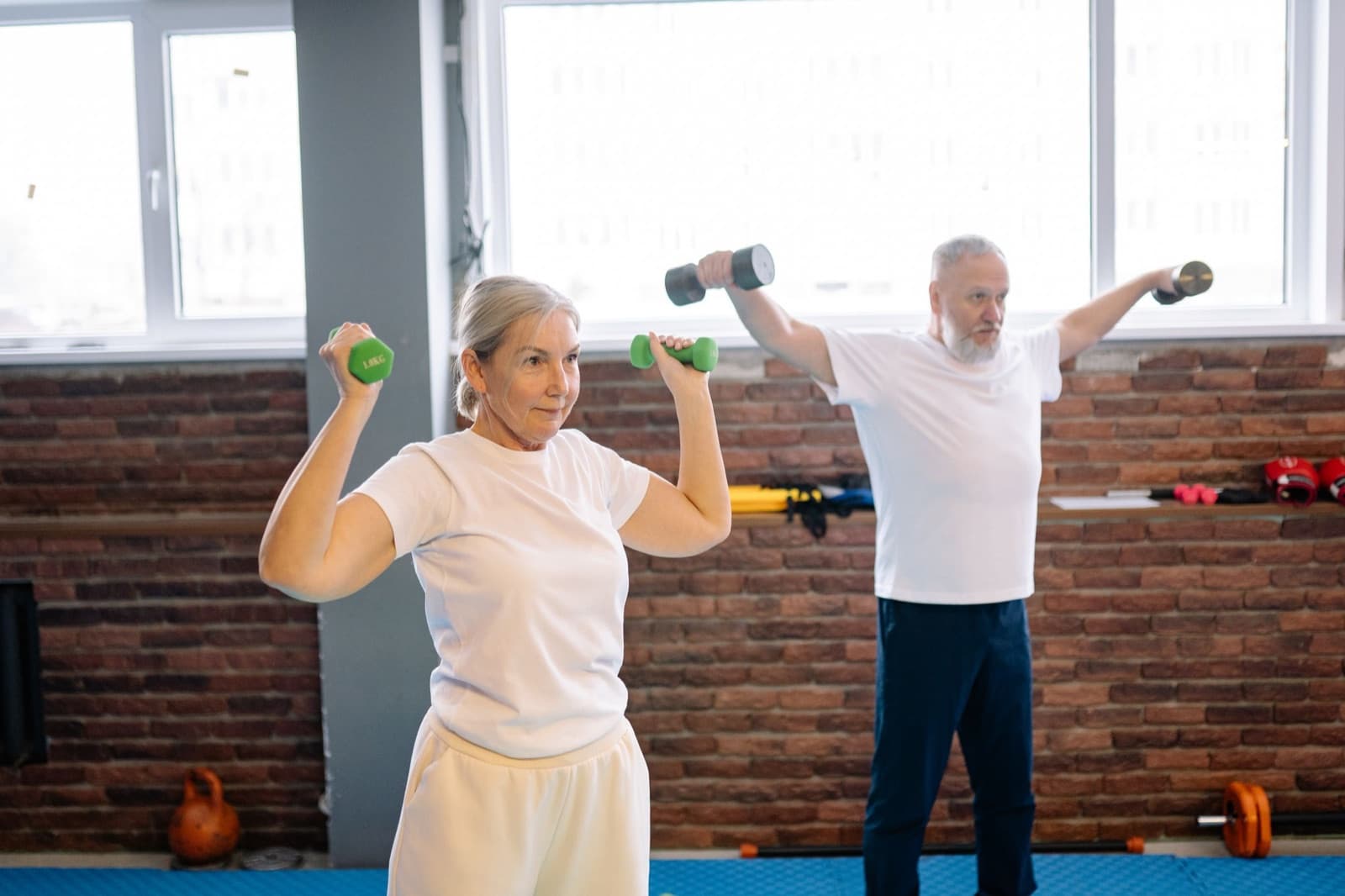
Twice a week, about 30 minutes each. When you can do the top of the rep range with good form, add a little resistance. That's progressive overload, and it's the entire secret.
If you have joint replacements, osteoporosis, uncontrolled blood pressure, or a heart condition, check with your clinician or a physical therapist before starting, and ask for specific guidance rather than a blanket "be careful." Most people with these conditions can and should strength train. They just need the right version.
Cardio: the engine for everything social
The aerobic target is 150 minutes a week of moderate activity, roughly brisk walking, or 75 minutes of vigorous activity. A practical test for "moderate": you can talk but not sing.
Why does this matter for relationships and purpose? Because cardiovascular fitness is what lets you say yes to the long day. The museum, the wedding, the travel, the full afternoon at the park with a four-year-old who does not believe in sitting. Low aerobic capacity doesn't announce itself; it just quietly makes everything feel like too much.
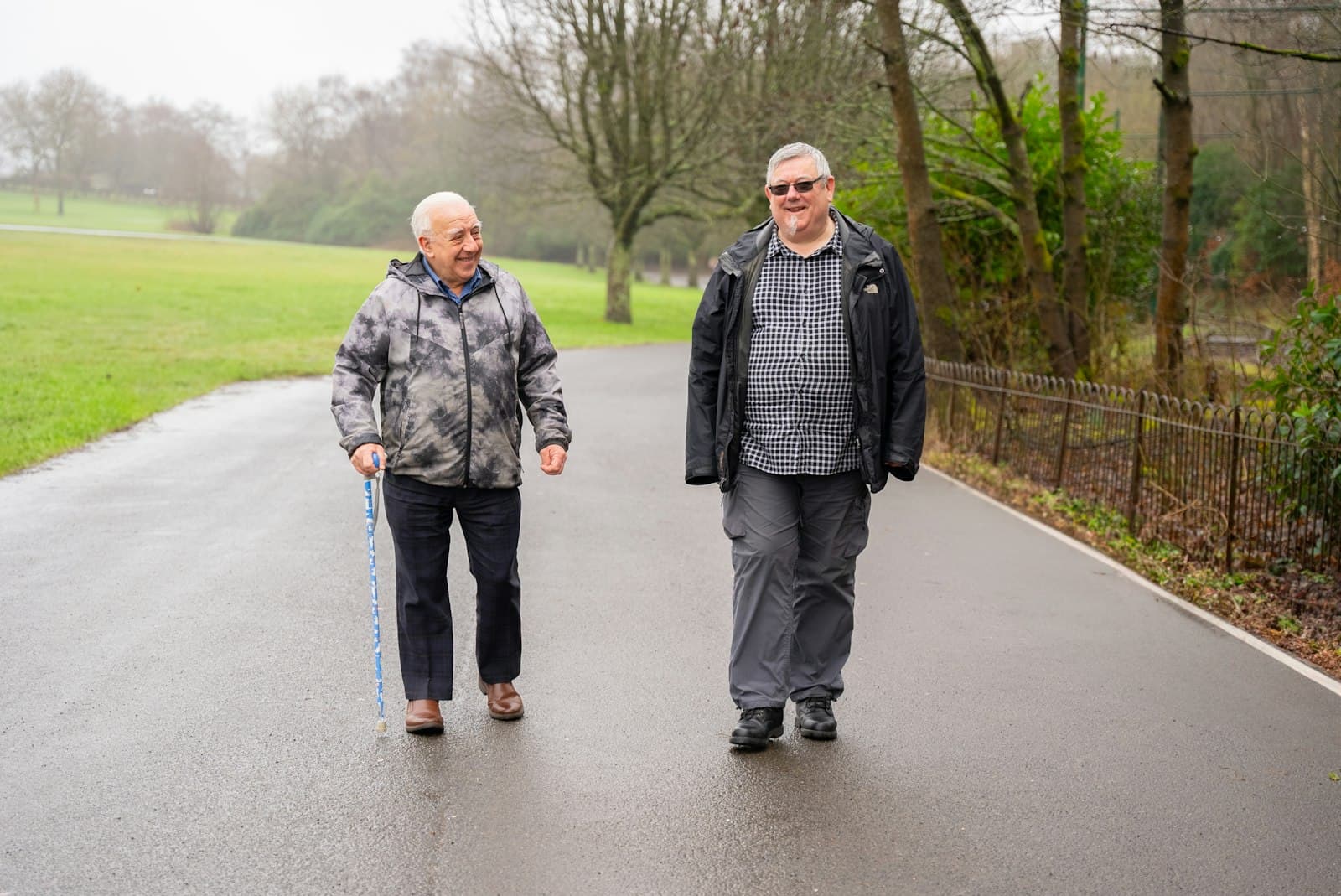
If you're starting from very little, start with what you can do. Ten minutes of walking after two meals a day gets you to 140 minutes a week without ever lacing up for a "workout." If you're already fit, add one session a week where you work harder, such as hill repeats, intervals on a bike, or a brisk hike with real climbs. The depression research above found bigger effects at higher intensities, and many people notice their mood lift most after the hard sessions.
Balance and mobility: the quiet insurance policy
Balance training is the least glamorous thing in this article and possibly the most important for staying independent. The CDC lists balance work as a separate component for adults 65 and older, alongside aerobic and strength training.
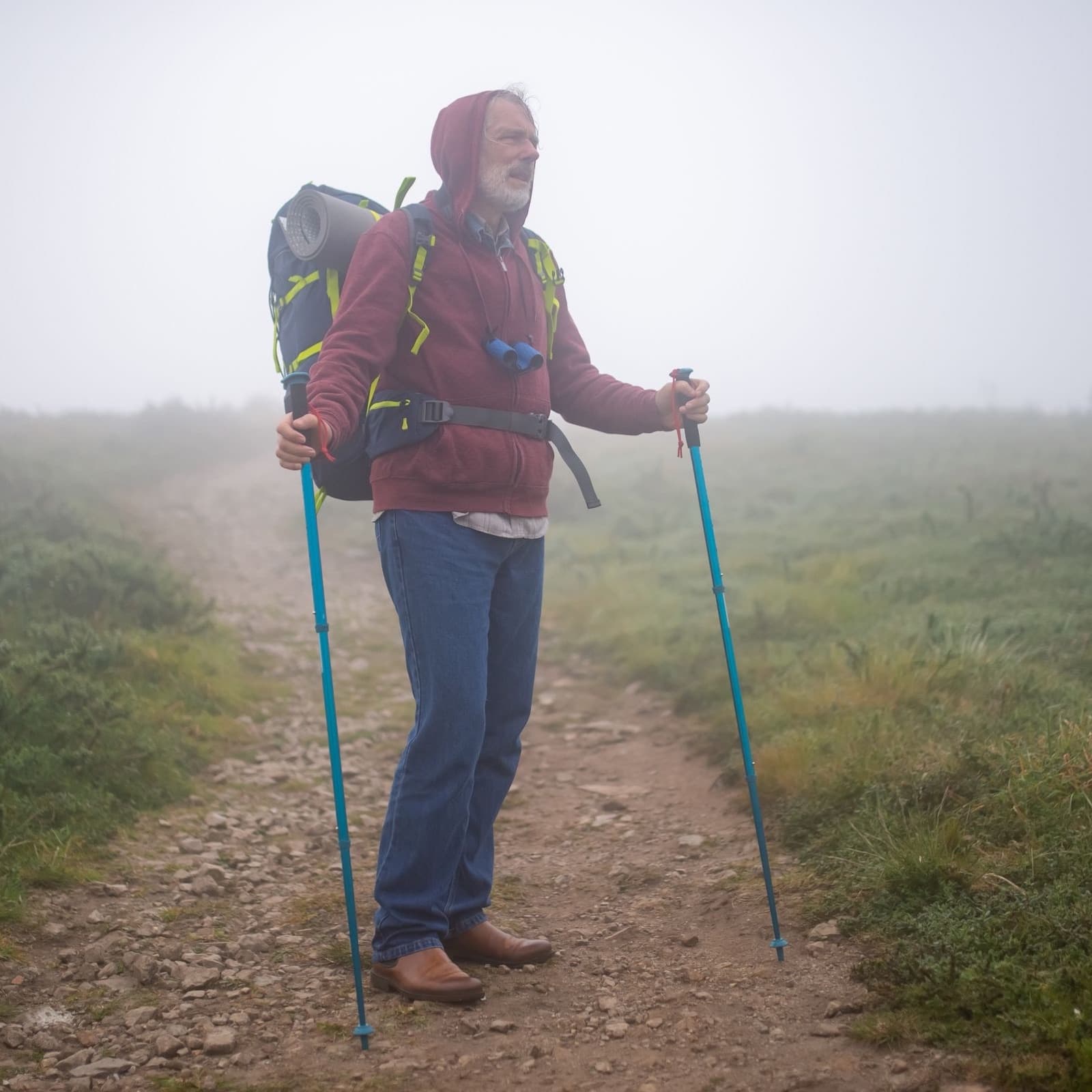
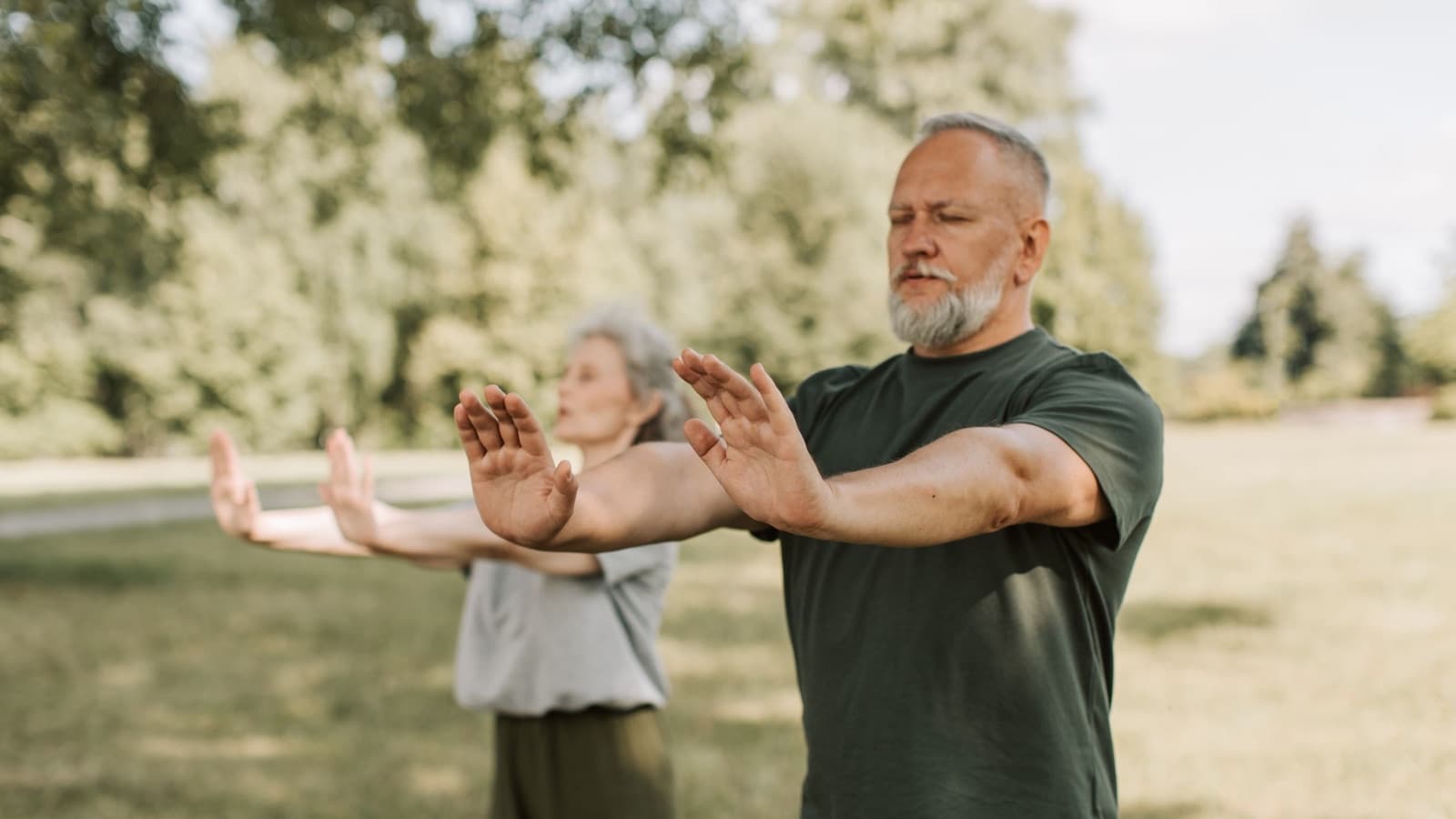
Try this tonight while you brush your teeth: stand on one foot for 30 seconds, then switch. Near a counter, always. When that gets easy, do it with your eyes closed, or on a folded towel. Tai chi is another excellent option, and it doubles as a social activity in most communities.
Mobility is the partner skill. Can you look over your shoulder to back out of the driveway? Get down on the floor and up again? A few minutes a day of hip openers, thoracic rotations, and calf stretches keeps those everyday movements available.
Fuel: protein, plants, and not overthinking it
Nutrition after 50 has one big shift worth knowing about. The standard protein recommendation of 0.8 grams per kilogram of body weight is probably too low for older adults. An international expert group recommended that healthy people over 65 aim for at least 1.0 to 1.2 grams per kilogram per day, and more for those who are active or recovering from illness. For a 170-pound person (77 kg), that's roughly 77 to 92 grams a day.
The same group suggested older adults may need about 25–30 grams at a meal to get a strong muscle-building response. In practice, that means looking at breakfast, which is where most people fall short. A bowl of cereal and coffee has maybe 8 grams. Greek yogurt with nuts, or eggs with a slice of cheese, gets you there.
The exception: people with significant kidney disease may need to limit protein, so talk to your doctor if that applies.
Beyond protein, the evidence favors boring wisdom. Mostly plants, plenty of fiber, fish a couple of times a week, olive oil, not much ultra-processed food. Weight management matters, but after 50 the bigger risk for many people is losing muscle while dieting. If you're trying to lose weight, lift weights and keep protein high so the pounds come from fat rather than from the muscle you need at 80.
Sleep: the overlooked relationship skill
Sleep sounds like a solitary activity, but anyone who has been snapped at by a sleep-deprived spouse knows otherwise. Poor sleep makes people more irritable, less patient, less empathetic, and less interested in going out. Most adults, including older adults, do best with about seven to nine hours.
A few levers that reliably help: a consistent wake time (even on weekends), morning daylight, caffeine cut off by early afternoon, a cool dark room, and alcohol kept modest and early. If you snore loudly, wake gasping, or feel exhausted after a full night in bed, ask about sleep apnea. It's common, underdiagnosed, and very treatable.
Prevention: the boring appointments that protect the fun
Hearing deserves special mention here because it's the most underrated social health issue of later life. When hearing goes, conversation becomes work, so people quietly withdraw. In the ACHIEVE trial, among older adults at higher risk of cognitive decline, a hearing intervention with hearing aids slowed cognitive decline by 48% over three years01406-X/fulltext) (no measurable effect showed up in the healthier, lower-risk group). If friends keep repeating themselves to you, get tested. Over-the-counter hearing aids have made this cheaper and easier than it used to be.
The rest of the list is less exciting but just as useful: vision checks (cataract surgery can change someone's whole social life), dental care, blood pressure, recommended cancer screenings, vaccines, bone density when appropriate. None of this is about fearing decline. It's about removing the small obstacles that make people stay home.
And if you're living with a chronic condition, the goal is management, not identity. Diabetes, arthritis, a heart condition: these are things you have, not who you are. Many of the most active people over 60 you'll meet are quietly managing something.
A sample week (adjust to taste)
| Day | Movement | Notes |
|---|---|---|
| --- | --- | --- |
| Monday | Strength, 30 min | Chair stands, push-ups, rows, step-ups, carries |
| Tuesday | Brisk walk, 30–45 min | With a friend if possible |
| Wednesday | Balance + mobility, 15 min; easy walk | Tai chi class counts double |
| Thursday | Strength, 30 min | Add a little resistance from Monday |
| Friday | Harder cardio, 25–30 min | Hills, intervals, swim, bike |
| Saturday | Something fun and long | Hike, garden, dance, pickleball, play with the grandkids |
| Sunday | Rest or gentle stretch | Sleep in your schedule, not past it |
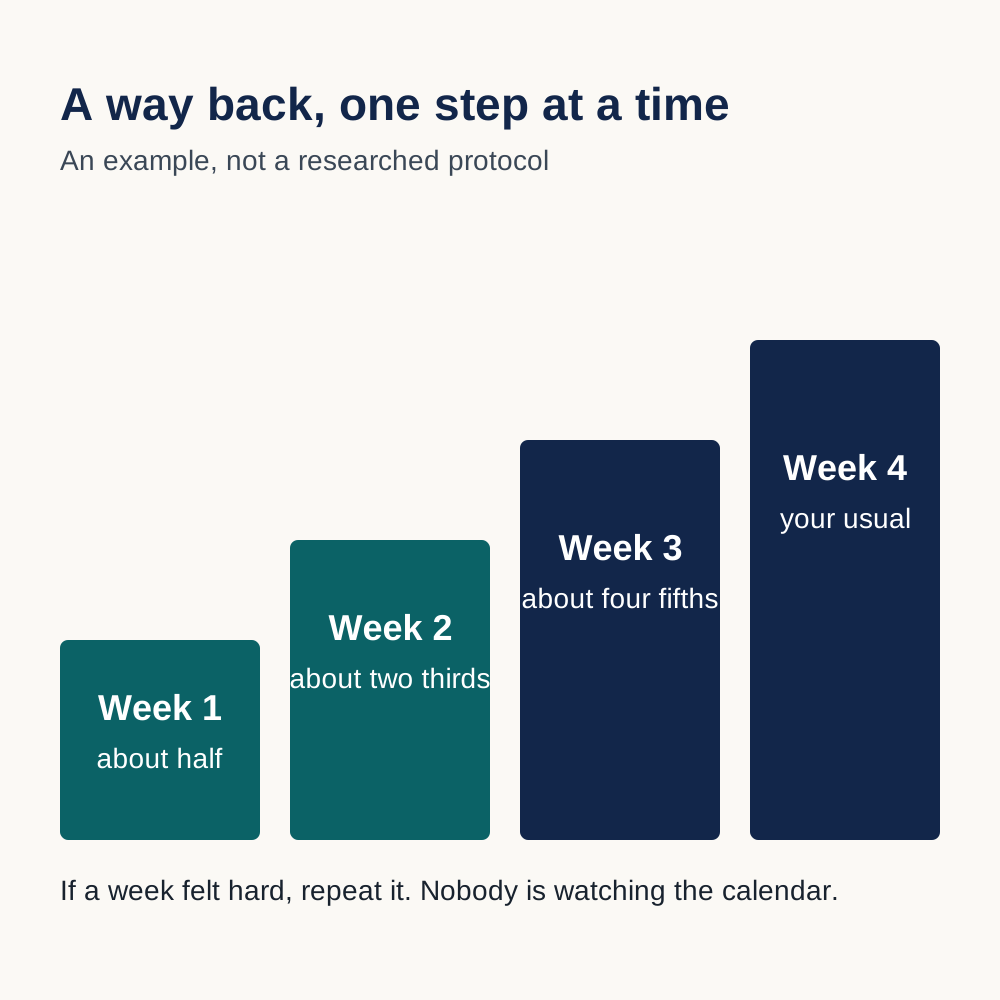
Starting from zero? Do Monday and Thursday at half volume and a daily 10-minute walk for the first month. Already fit? Keep the structure and raise intensity on two days. Fitafter50's free Fitness Age at-home assessment can give you a baseline to measure against.
A speed bump, not a road block
Every article on this site carries an implied promise that progress is possible. So here is the founder's own story, in his own words, about how messy that progress can be.
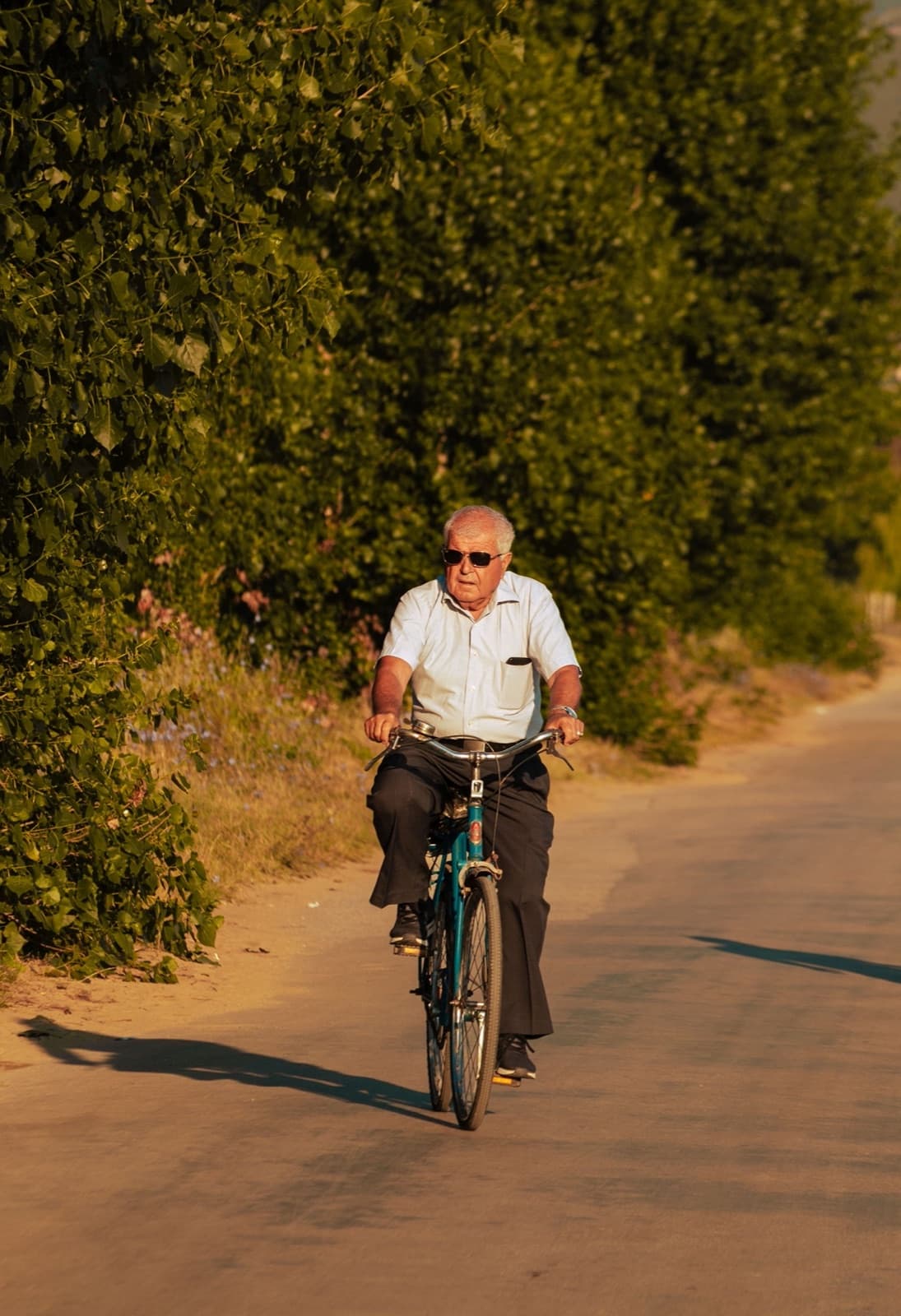
In 2023 I broke my left ankle while helping a friend build a shed. I stepped off a ladder and tripped. That led to two ankle surgeries (long story). For about eight months I used an iWALK hands-free crutch to get around, basically a strap-on peg leg. When my ankle was finally better, I developed plantar fasciitis in my right foot from the uneven walking pattern. For about six months, walking was incredibly painful. The things I've loved doing for the past 45 years (riding my bikes, running, hiking) I couldn't do any of them. To make things worse, when I got my cast off, I was working in the garden pulling weeds I hadn't gotten to for a year, and I hurt my left shoulder. Another long story. So now I had a year and a half of no walking, running, or riding, and lifting any kind of weight was incredibly painful. And then I developed what the doctors called late-onset asthma. It was so bad that one time I went to the gym with Elizabeth, hopped on the rowing machine, and did ten 30-second sprints with 60-second rests. The asthma hit me so hard I could barely walk to the car. Now I take Advair and albuterol. Gotta breathe, right? But I had to start somewhere. I couldn't give up. So walking, though painful at first, was a start. Lifting dumbbells, only 15 pounds, was possible. Today I'm able to walk the stairs at Seacliff Beach. It's 152 steps. We go up and down five times. Some day I'll be back at ten. I'm riding bikes again, around 15 miles. Not the 70-mile rides I did a few years ago, but I'm getting there. Lifting again. Still light weights. Still hurts. Not gonna stop. Sometimes life throws you a curve ball. We have a saying: It's a speed bump, not a road block. Get after it.
Notice what's in that story besides exercise. Elizabeth is at the gym. The stairs are a shared ritual. The goal (ten laps someday) is specific and a little stubborn. Recovery happened inside relationships, not alongside them. That's the pattern this whole guide is about.
Relationships: the strongest predictor we have
If you remember one section of this guide, make it this one.
The Harvard Study of Adult Development has produced a lot of findings, but its directors keep coming back to a short list. Good relationships protect both body and brain. Loneliness is toxic. And the thing that matters is quality, not quantity: not whether you're married, not how many friends you have, but whether the relationships you do have are warm and reliable. Waldinger has described the study's finding that people who felt they could really count on someone in their 80s kept their memories sharper for longer.
The flip side is just as important. A high-conflict marriage with little warmth appeared to be worse for health than divorce. "Be in a relationship" is not the lesson. "Be in good ones, and tend them" is.
In their 2023 book The Good Life, Waldinger and co-director Marc Schulz use a phrase that fits this site well: social fitness. Relationships, like muscles, weaken when ignored and strengthen with regular, progressive effort. That framing is useful because it removes some of the magic and replaces it with practice. Nobody expects to stay strong without lifting. Why would we expect to stay connected without reaching out?
Long partnerships: the second honeymoon nobody advertises
Many couples hit their 50s having spent twenty or thirty years in what could charitably be called project management. Jobs, kids, mortgages, schedules, parents. Then the kids leave, or the jobs end, and two people look at each other across the kitchen table with a lot more time and a lot less shared agenda.
That moment can go a few ways. Some couples rediscover each other. Some discover they've been roommates for a decade. Most land somewhere in between and have to figure it out deliberately.
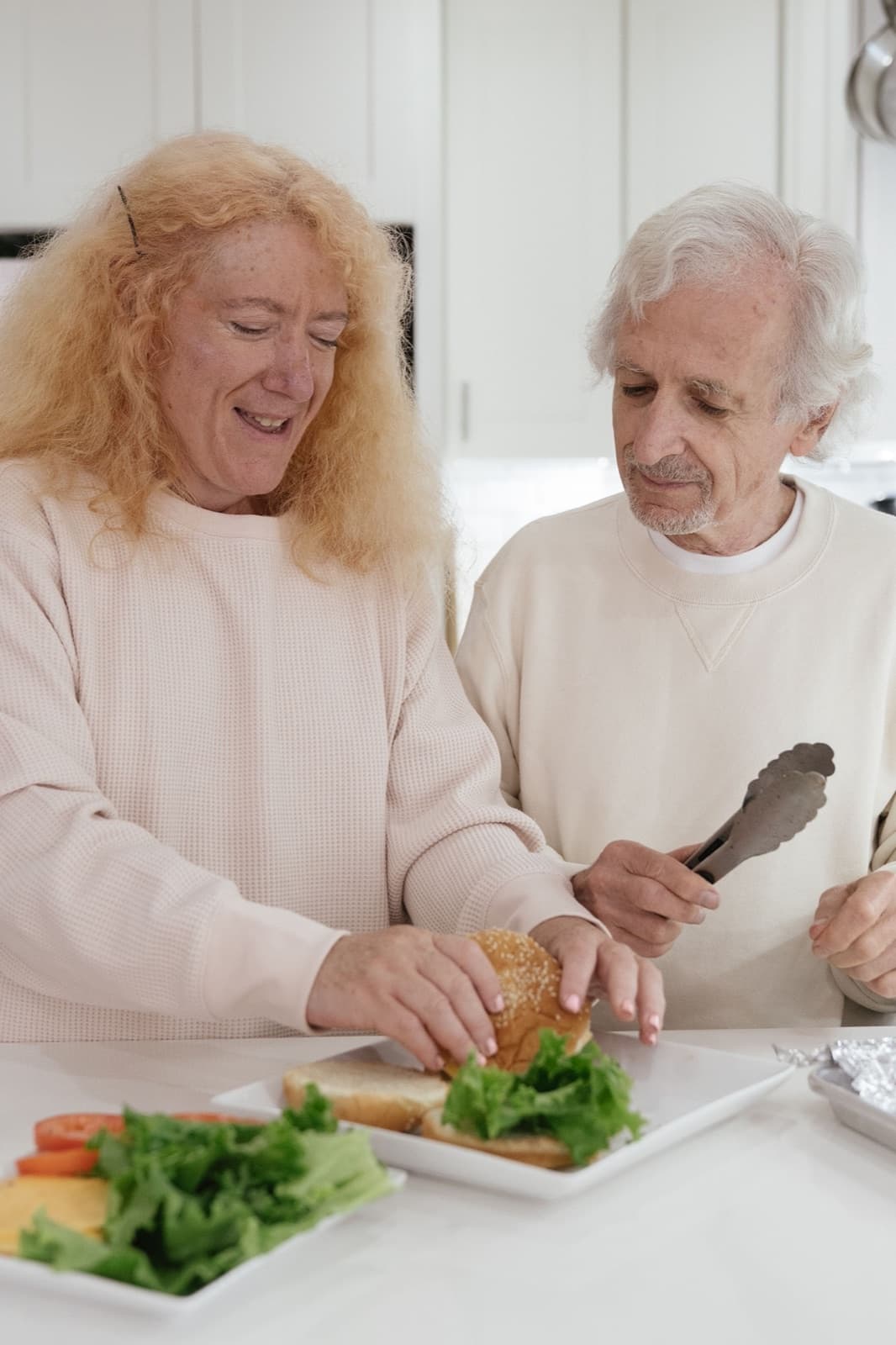
Here's a hypothetical that will feel familiar to a lot of readers. Picture a couple in their early 60s, newly retired within six months of each other. For the first time in their marriage, they're home together all day. He reorganizes her kitchen "to be helpful." She signs them both up for a pottery class he never wanted. By month three, they're snapping at each other over the dishwasher. Nothing is wrong with the marriage. What's wrong is that they never negotiated what this new life was supposed to look like.
A few practices help:
Talk about "me time" and "we time" out loud. Retirement researchers and couples therapists both see the same thing: partners often have very different pictures of how much togetherness they want. Neither picture is wrong. Name your preferences, then design the week. Maybe Tuesdays and Thursdays are separate, weekends are shared, and one dinner a week is a date.
Do new things together. Novelty is one of the more reliable ways couples rekindle interest. Not just new restaurants. New skills, new places, new challenges where you see each other being competent, a little nervous, and occasionally ridiculous. Learning to dance badly together beats watching the same shows in parallel.
Have the money conversation early. Financial stress is a classic source of conflict. Talk about what "enough" means, how you'll handle help for adult children, and what you'll do if one of you needs long-term care. It's uncomfortable. It's much worse in a crisis.
Expect health to change the choreography. When one partner gets sick, roles shift fast. The healthy partner becomes a caregiver, and the relationship can flatten into nurse and patient. Couples who weather this best tend to protect some piece of the old relationship (a shared joke, a ritual, a weekly outing) and to accept outside help before burnout sets in.
Intimacy and sex: more common, and more interesting, than the stereotypes
Let's be direct, because most health content isn't. Older adults have sex. In a nationally representative poll by the University of Michigan and AARP, 40% of people aged 65 to 80 were sexually active, and among those with a partner it was 54%. Most said sex was important to their quality of life, and a large majority were satisfied with their sex lives.
The same poll turned up a revealing gap: only 17% had talked with a health care provider about sexual health in the previous two years, even though most said they would if they had a problem. Sex, in other words, is one of the most common unaddressed issues in later-life health care.
What changes? Plenty. Erectile difficulties become common. Menopause brings vaginal dryness and thinning tissue that can make sex painful. Medications for blood pressure, depression, and other conditions can dampen desire or function. Arthritis can make certain positions miserable.
What often improves? Time. Privacy. Less performance pressure. Decades of knowing each other. Many couples describe their intimate lives after 60 as slower, more playful, and more about touch and closeness than the narrow script they followed at 30.
Practical moves:
- Bring it up with your clinician. Treatments for erectile dysfunction, vaginal estrogen, lubricants, and pelvic floor physical therapy help many people. If your doctor seems uncomfortable, that's their problem to solve, not yours.
- Widen the definition. Intimacy doesn't have to mean intercourse. Massage, showering together, extended kissing, and lying close all count, and they keep the connection alive when bodies are uncooperative.
- Talk about it outside the bedroom. A conversation over coffee about what feels good now, what's changed, and what you miss is far easier than one in the moment.
- Exercise helps here too. Cardiovascular fitness supports blood flow, strength makes positions easier, and feeling capable in your body tends to make you feel more attractive in it.
One more thing for anyone dating: sexually transmitted infections have been rising among older adults, partly because many people stopped thinking about protection once pregnancy wasn't a concern. Condoms and testing aren't just for the young.
Starting over: gray divorce, widowhood, and dating after 50
You're not imagining it if more of your friends seem to be single again. While the overall U.S. divorce rate has fallen, researchers at Bowling Green State University found that the divorce rate among adults 50 and older roughly doubled between 1990 and 2010, and the share of divorced adults over 65 has tripled since 1990. Add widowhood, and a very large number of people in their 50s, 60s, and 70s are navigating life solo, by choice or not.
The financial side is real, especially for women. The same research group found that women's standard of living fell far more steeply than men's after a gray divorce. If you're contemplating divorce later in life, get financial advice before you get legal advice, or at least at the same time.
The emotional side varies widely. Some people feel relief. Some feel unmoored. Many feel both in the same afternoon.
If you're dating again:
- Know what you want now. Plenty of single people over 60 want companionship without cohabiting, or a partner without remarriage (sometimes called "living apart together"). Decide what fits you rather than defaulting to the template you followed at 28.
- Expect the apps to be clunky and also useful. Many people meet partners online now. Treat the first meeting as a coffee, in public, and keep it short.
- Watch for money requests. Romance scams disproportionately target older adults. Anyone you haven't met who asks for money, gift cards, crypto, or help with an "emergency" is almost certainly running a scam. Full stop.
- Bring your friends along. Literally, sometimes. Group activities like hiking clubs, dance classes, and volunteer projects are lower-pressure ways to meet people and see how they treat others.
And being single is a perfectly good way to live. The Harvard finding is about warm relationships, not romantic ones. Close friends, siblings, and chosen family count.
Family: adult children, grandchildren, and the sandwich
The relationship with adult children is one of the least discussed and most consequential of later life. It's also one of the hardest to get right, because you're no longer in charge and they're not little anymore.
A few principles tend to hold up:
Advice on request. Adult children consistently describe unsolicited advice as the fastest way to feel judged. If you have a strong opinion, ask, "Do you want my take, or do you just want me to listen?" Then honor the answer.
Be interested in their actual lives. Ask about their work, their friends, the show they're watching, not just the grandkids and the logistics. The relationship you want with them is an adult friendship with a long history.
Set your own boundaries, too. Being a devoted grandparent and being unpaid full-time childcare are different things. Some people love the latter. If you don't, say so clearly and early, before resentment takes root.
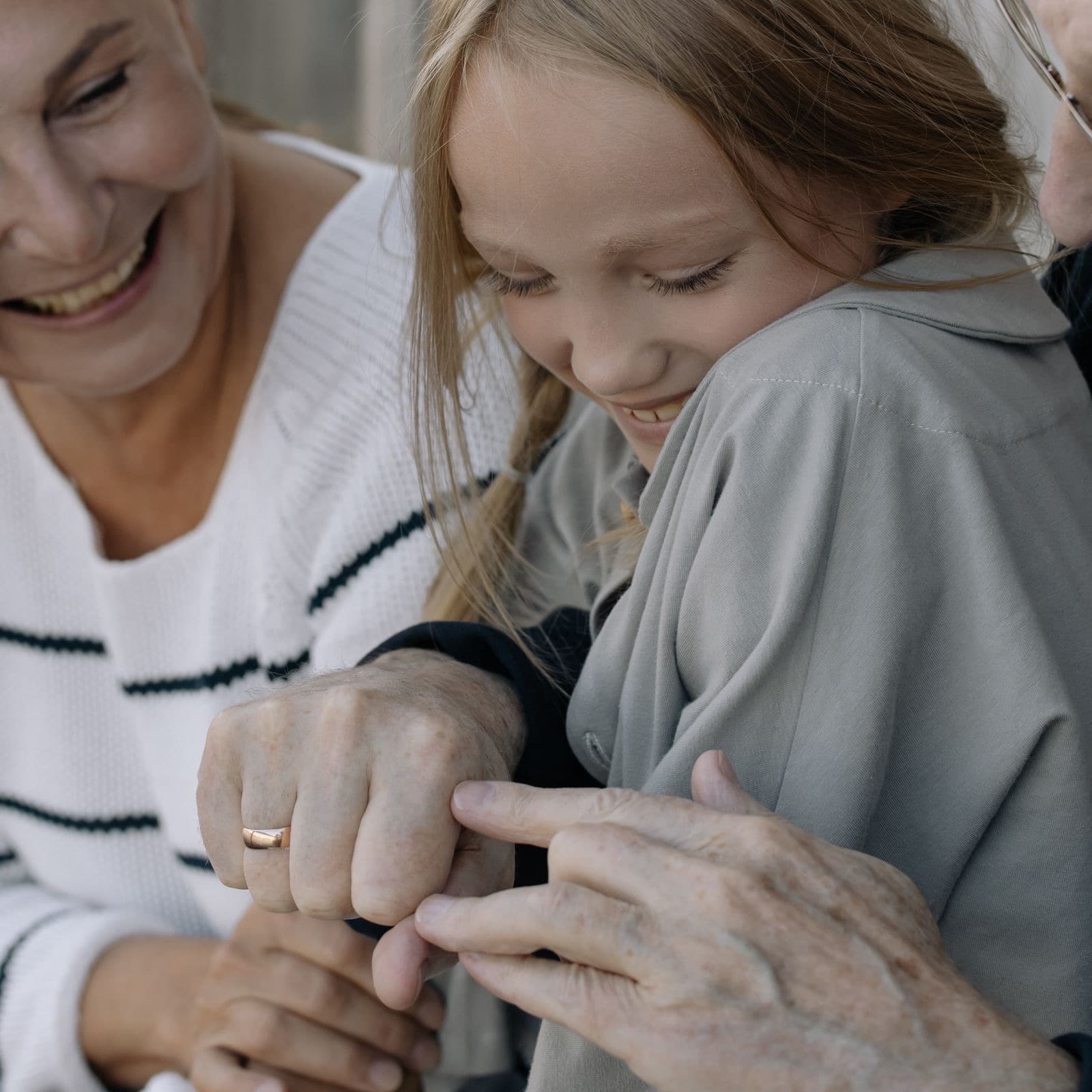
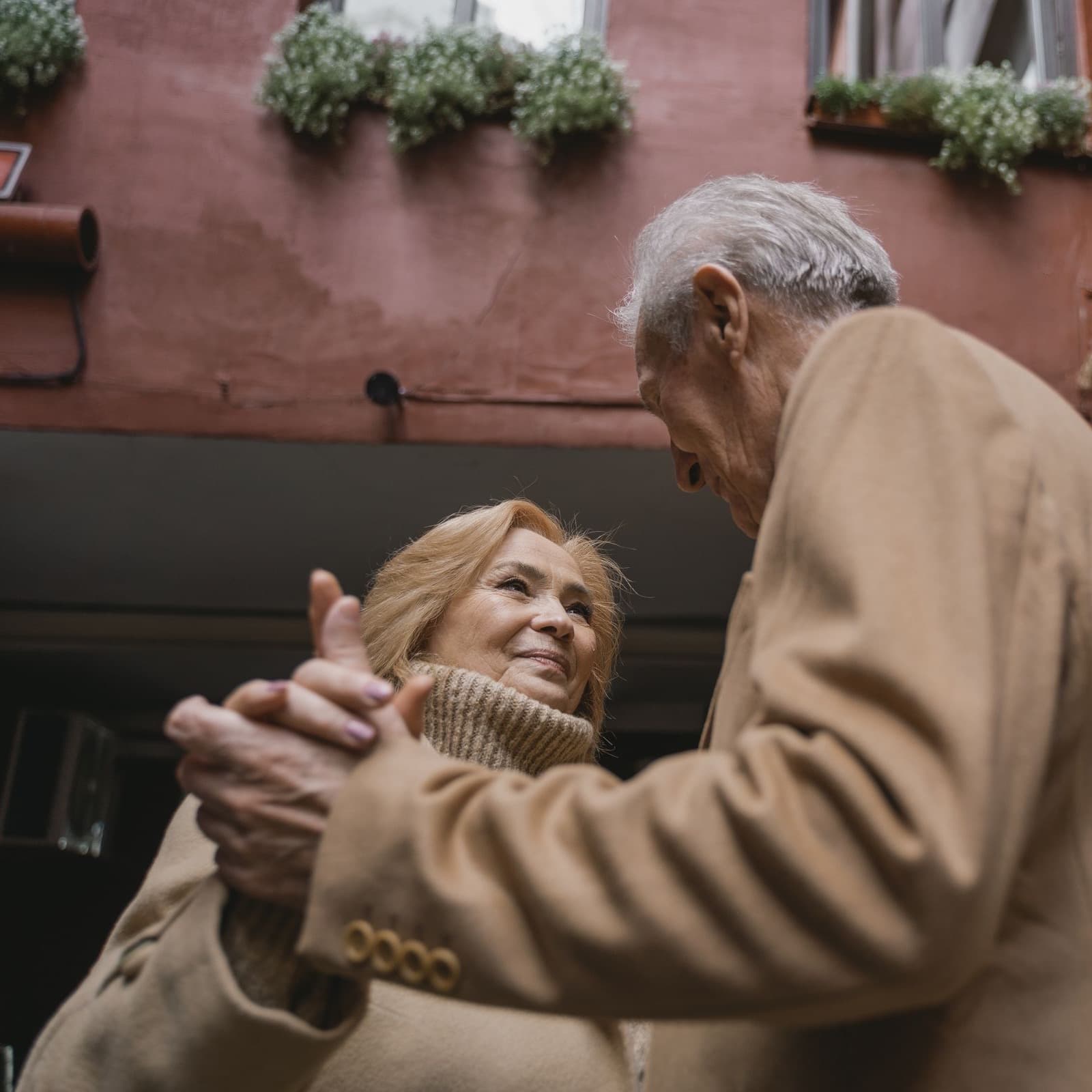
Grandparenting is a genuine gift. It's one of the most direct forms of what psychologist Erik Erikson called generativity, the drive to nurture the next generation. It also comes with its own fitness test: lifting toddlers, chasing preschoolers, keeping up with teenagers on a hike. More than one reader has started strength training for exactly this reason.
The sandwich generation is exhausting. If you're supporting adult children and aging parents at the same time, you're carrying more than most. Protect your own sleep and exercise as non-negotiable, and get specific about what help you need. (There's more on caregiving in the life-design section below.)
Family estrangement is more common than people admit, and it carries a particular grief. If you're estranged from a child or sibling, a therapist who specializes in family systems can help you decide whether repair is possible and what it might take. Sometimes the door can reopen. Sometimes the healthiest move is grieving what won't change and investing in the relationships that can.
Friendship: the relationship that needs the most deliberate care
Marriage has rituals. Family has holidays. Friendship has nothing but intention, which is why it's the first thing to slip when life gets busy and the hardest thing to rebuild after retirement.
Work, for all its faults, delivers a daily dose of casual connection. When it ends, many people discover their social life was mostly their job. This hits men especially hard; many men let their spouses manage the social calendar for decades and find themselves with few close friends of their own.
How long does it actually take to build a friendship? University of Kansas researcher Jeffrey Hall studied adults who had recently moved and college students who were new to campus. He estimated that it takes roughly 50 hours together to go from acquaintance to casual friend, about 90 hours to become friends, and more than 200 hours to become close friends. Time spent hanging out counted more than time spent working together.
Two hundred hours sounds daunting until you do the math. A weekly two-hour activity with the same people gets you there in about two years. A twice-weekly walking group, faster. That's why recurring commitments beat one-off events. The friendship comes from repetition.
Practical ways to make and keep friends after 50:
- Join something that meets regularly. Walking groups, choirs, community gardens, pickleball, masters swim, faith communities, book clubs, volunteer crews. Consistency matters more than the activity.
- Be the inviter. Most people are waiting to be asked. Hall's advice is simple: you can't make people spend time with you, but you can invite them. Move a relationship to a new context. Coffee after the class. A hike instead of a hello.
- Revive dormant friendships. Reaching out to an old friend feels awkward for about thirty seconds. Most people are delighted to hear from someone they used to be close to.
- Make it a standing thing. "Let's get together sometime" never happens. "First Thursday of the month, same diner, 8 a.m." can last twenty years.
- For introverts: one-on-one is fine. Shoulder-to-shoulder activities like fishing, woodworking, birding, and long walks often feel easier than face-to-face conversation, and they build closeness just as well.
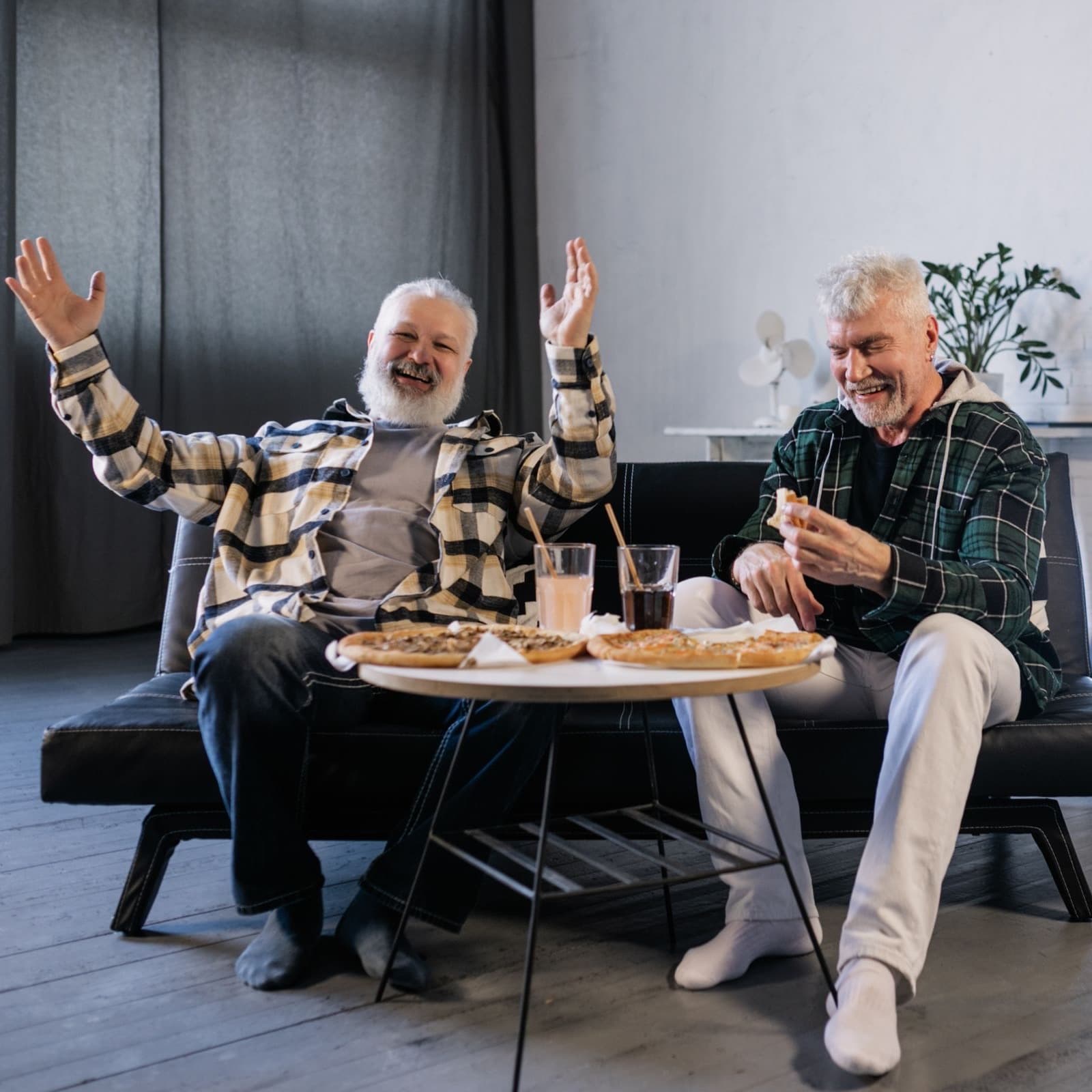
Community: belonging to something larger
Beyond close relationships, there's the wider web: neighbors, regulars at the coffee shop, the person at the hardware store who knows your name. Sociologists call these "weak ties," and they matter more than the name suggests. They're a source of small pleasures, practical help, and a sense of being known in a place.
They're also easy to cultivate. Learn your neighbors' names. Become a regular somewhere. Show up at the same farmers market stall. Say yes to the block party. Some of the most connected older people you'll meet aren't extroverts; they're just consistent.
Your social fitness playbook
So how do you actually train for connection? Here's a framework built like a workout plan.
1. Take an inventory. Draw three circles on a piece of paper. In the inner circle, write the names of people you could call at 3 a.m. In the middle, people you enjoy and see at least monthly. In the outer, acquaintances and community ties. Look at it honestly. Which circle is thin? Who have you drifted from? Who drains more than they give?
2. Pick one relationship to invest in this month. Not ten. One. Schedule something specific with that person.
3. Add one recurring social commitment. Something weekly or biweekly that puts you around the same people. This is the strength-training equivalent; it's where the gains compound.
4. Have the hard conversation you've been avoiding. Most relationships that stall do so around something unsaid. Start with "I've been wanting to talk about something, and I'm a little nervous." Use "I" statements. Listen more than you defend. If the conversation goes sideways, you can come back to it.
5. Decide what to do with draining relationships. Not every relationship deserves maintenance. Some can be repaired with honesty. Some can be kept at a lower dose: holiday dinners instead of weekly calls. Some, especially where there's contempt, manipulation, or abuse, are worth ending. The Harvard data are clear that conflict-ridden relationships carry a cost.
6. Use technology as a bridge, not a substitute. Video calls with grandkids across the country are wonderful. A group text with old friends keeps the thread alive between visits. But scrolling isn't connecting. If an hour of social media leaves you feeling worse, swap it for a phone call.
Reflection prompts for this week:
- Who do I feel most like myself around? When did I last see them?
- Who would notice if I didn't show up for a week?
- What's one relationship I've been meaning to repair?
- Where in my week do I see the same people repeatedly? If nowhere, where could I start?
When loneliness has already set in
If you're reading this feeling very alone, start smaller than you think you should. Loneliness has a cruel feedback loop: it makes social situations feel more threatening, which makes you withdraw, which deepens the loneliness. Breaking it usually takes small, low-stakes steps rather than big gestures.
Talk to a cashier. Call one person. Go to one class and leave early if you need to. Volunteer somewhere with a clear task, which gives you something to do with your hands and a built-in reason to talk. If loneliness has slid into persistent low mood, hopelessness, or loss of interest in things you used to enjoy, talk to your doctor. Depression in later life is common and very treatable.
Purpose: you don't need a grand mission, just a reason to get up
The word "purpose" has been oversold. It conjures images of people quitting their jobs to build schools in remote villages, or discovering their One True Calling at a weekend retreat. That's lovely when it happens. For most people, it isn't how purpose works.
In the research, purpose is something much more ordinary: a sense that your life has direction and that what you do matters to someone. A grandmother who drives her grandson to practice twice a week has it. So does a retired machinist who fixes bikes for kids in his neighborhood, and a woman who has spent fifteen years mastering a single Chopin nocturne for no audience but herself.
After 50, purpose tends to have three features worth knowing:
- It's often plural. Instead of one big source of meaning (usually work or parenting), you might have four or five smaller ones. That's actually more resilient. If one falls away, the others hold you up.
- It evolves. What felt meaningful at 55 may not at 70. That's not failure; it's development.
- It often looks outward. Many people find that what carries them in later life is contribution: to family, community, craft, or the next generation.
Why it matters so much right now
The two biggest purpose-givers of midlife are a career and active parenting. Both tend to wind down in the same decade. That's a lot of meaning to lose at once, and it explains why retirement, for all its freedom, can bring a surprising slump. People who described their jobs as draining sometimes find the absence of them even worse. Structure, status, colleagues, and the simple feeling of being needed all vanish on the same Friday.
The Michigan purpose study cited earlier suggests the stakes aren't only emotional. People with the lowest sense of purpose had more than double the mortality risk of those with the highest. Purpose has also been linked in other research to healthier behaviors, more physical activity, and better sleep, which makes intuitive sense. If tomorrow matters, you take better care of the person who has to show up for it.
Volunteering: the most studied path
If you want a purpose strategy with evidence behind it, volunteering is the obvious place to start. In a Harvard analysis of nearly 13,000 adults over 50, people who volunteered at least 100 hours a year, about two hours a week, had a substantially lower risk of dying during the four-year follow-up and a lower risk of developing physical limitations than non-volunteers. They also reported more optimism, more purpose, and less loneliness.
The same study found no link between volunteering and a long list of chronic diseases like diabetes and heart disease. That's worth knowing: volunteering isn't medicine for specific conditions. It seems to work through broader channels, like keeping people active, connected, and feeling useful.
Two hours a week is the interesting number. It's not a second job. It's one morning.
Finding the right fit matters more than finding the noblest cause. Volunteering you dread won't last. Ask yourself:
- Do I want to use skills I already have, or learn something completely new?
- Do I want to work with people, animals, things, or ideas?
- Do I want to be on my feet or at a desk?
- Do I want a team, or work I can do solo?
- Do I want to see the impact directly?
A retired accountant might love doing free tax prep for low-income families. Or she might be sick of numbers and happiest walking shelter dogs. Both are good answers.
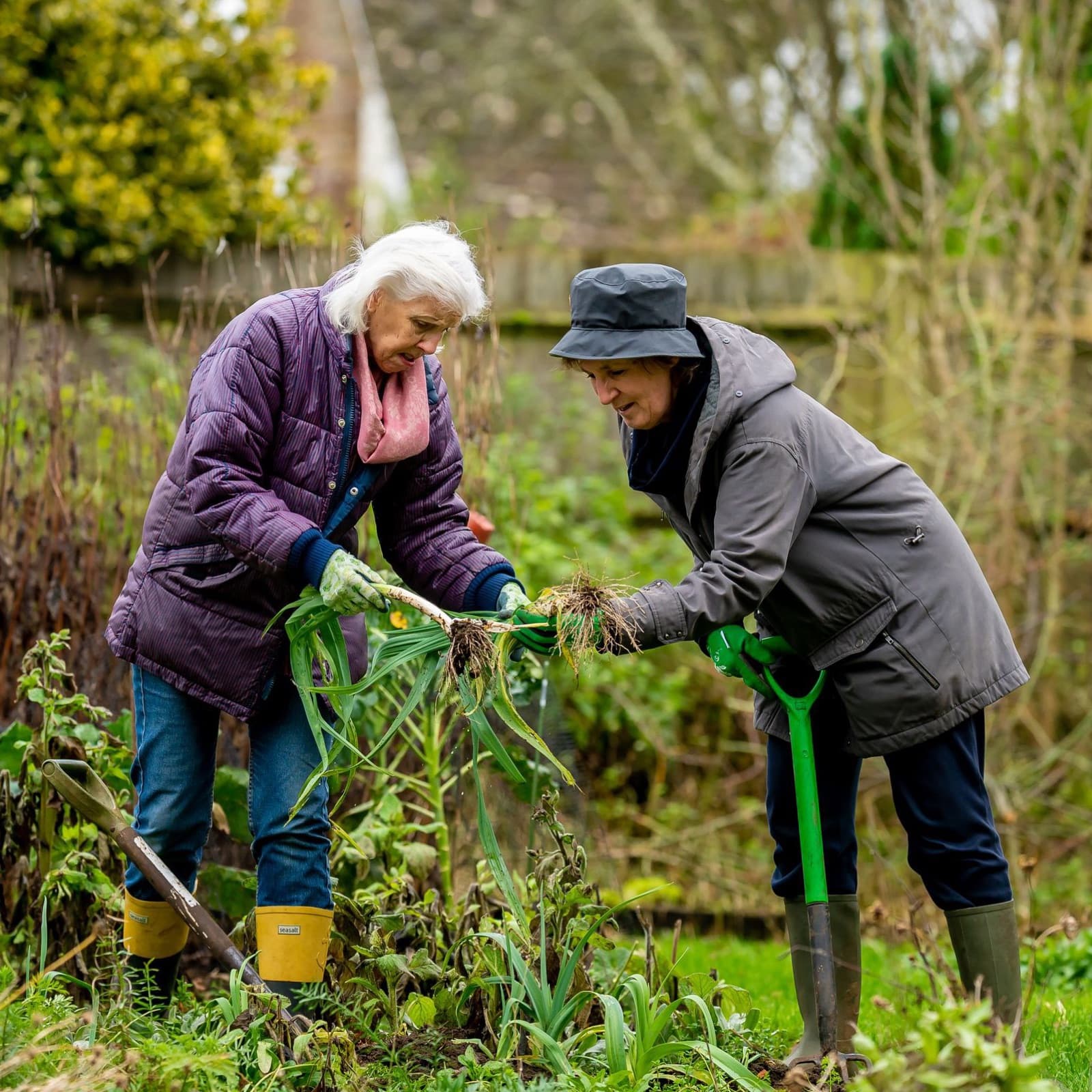
Generativity: passing it on
The psychologist Erik Erikson described the central task of midlife and beyond as generativity versus stagnation: the choice between investing in the next generation and turning inward. Generativity can take many forms. Raising grandchildren. Mentoring a younger colleague. Coaching a team. Teaching a skill. Recording family stories. Planting trees you'll never sit under.
What's striking is how many people over 50 have skills that are in short supply and genuinely valuable to younger people. Knowing how to fix a leaky faucet, negotiate a raise, read a contract, cook from scratch, survive a layoff, or simply stay calm in a crisis. Mentoring programs, trade apprenticeships, literacy tutoring, and youth sports all need people with that kind of experience.
There's a fitness angle here, too. Some of the most purposeful people at the local gym are the ones who've become informal coaches, the 68-year-old who teaches newcomers how to deadlift safely or the woman who started a beginners' walking group and now has thirty regulars. Teaching what you've learned about your own health is generativity in its purest form.
Learning: purpose through growth
Not all purpose is about others. Some of it is about becoming. Learning a language, an instrument, a craft, or a field you always wondered about can provide a deep sense of direction, especially when there's a clear next level to reach.
There's a cognitive bonus. In the Synapse Project at the University of Texas at Dallas, researchers randomly assigned 221 adults aged 60 to 90 to spend 15 hours a week for three months on different activities. Those who learned demanding new skills like digital photography or quilting showed memory gains; those who did social activities or easy, familiar tasks at home did not. Lead researcher Denise Park summed it up memorably: if you're inside your comfort zone, you may be outside the enhancement zone.
The lesson isn't that social activities are useless; they're essential for other reasons. It's that challenge matters. Crossword puzzles you're already good at won't stretch you. Learning something hard will.
Second acts and phased work
For some people, purpose means work, just different work. Plenty of people over 50 start businesses, move into consulting, take on part-time roles, or shift to fields that felt too risky earlier in life. Others negotiate phased retirement, stepping down to three days a week before stepping out entirely.
If full retirement scares you, that's useful information, not a character flaw. Some people are happiest with some form of paid work into their 70s. The key is that it's chosen rather than endured.
Spiritual and philosophical practice
For many people, purpose is rooted in faith, a spiritual practice, or a philosophy of life. Religious communities in particular often offer a ready-made combination of meaning, ritual, service, and social connection. For those outside organized religion, practices like meditation, time in nature, philosophy reading groups, or simply a regular habit of reflecting on what matters can play a similar role.
There's no single right answer here. What tends to matter is having some framework for meaning that helps you make sense of loss, change, and mortality, the subjects later life eventually puts in front of everyone.
How to find (or rekindle) your purpose
If you're not sure what gives your life meaning right now, that's normal, especially after a big transition. Purpose is usually discovered through action rather than introspection alone. Here's a process that works:
1. Clarify your values. Write down the five things that matter most to you. Not what should matter. Family? Learning? Adventure? Faith? Fairness? Beauty? Look at how you spend a typical week. Where's the gap between what you value and what you do?
2. Inventory your strengths. What are people always asking you for help with? What did you do in your career that energized you, as opposed to what you were merely good at? Ask a friend to name three things you're great at. Their answers may surprise you.
3. Keep an "aliveness log" for two weeks. Each evening, jot down the moment of the day when you felt most engaged, energized, or like yourself. Then note when you felt flat or drained. Patterns appear quickly.
4. Run small experiments. Don't commit to a three-year board seat. Volunteer for one shift. Take one class. Shadow someone for a day. Treat it like a series of auditions, with you doing the casting.
5. Keep what sticks, drop what doesn't, repeat. Purpose isn't something you find once. It's something you keep tuning.
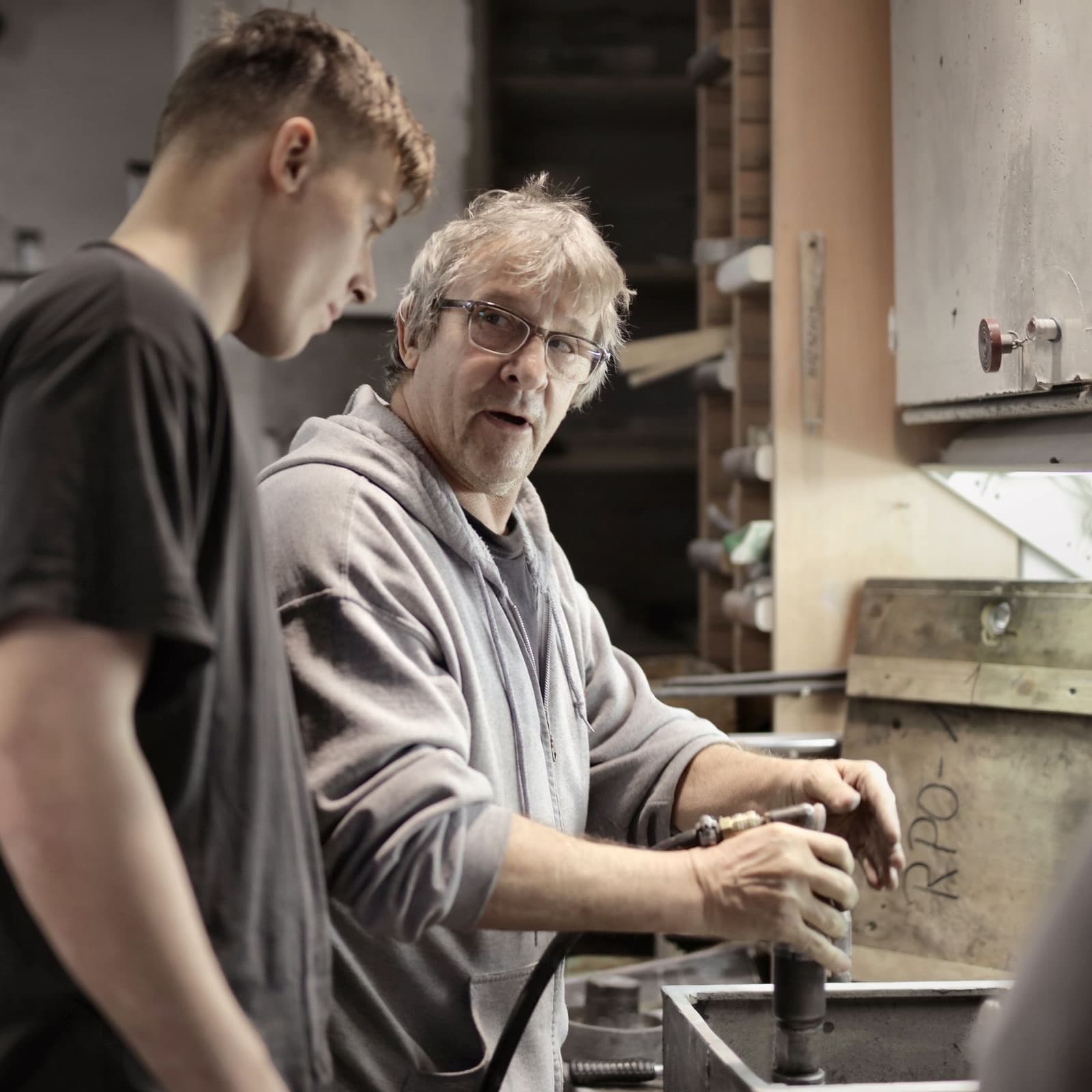
A hypothetical illustration, a composite of patterns that show up again and again: a man retires at 63 from a long career in logistics, gains fifteen pounds in a year of television, and feels oddly ashamed of how little he wants to do. His doctor mentions his blood sugar. He starts walking, first alone, then with a neighborhood group that meets at 7 a.m. After a few months, he's the guy who knows the routes and brings the trail mix. When the group's organizer moves away, he takes over. A year later, he's volunteering with a youth running program, using the same organizing skills he spent thirty years on. None of it was planned. Each step made the next one possible.
That's how purpose, fitness, and relationships tend to braid together in real life. You rarely get them one at a time.
Happiness is a practice: resilience, gratitude, and the art of savoring
Older adults have a quiet emotional advantage, and most of them don't know it. Researchers have repeatedly found that, compared with younger people, older adults tend to pay more attention to positive information, recover faster from irritation, and avoid pointless conflict. They've had more practice. They've also learned, often the hard way, which battles are worth it.
But an advantage isn't a guarantee. Later life brings real losses, and emotional skill is something you keep up or lose, like balance. The practices below are the ones with the best evidence and the least nonsense.
Gratitude, done the way that actually works
Gratitude has a reputation problem. It sounds like something on a throw pillow. But the research is better than the branding.
In a well-known 2005 study by Martin Seligman and colleagues, people were assigned to one of several week-long exercises. Those who wrote down three good things each evening, along with why each one happened, reported more happiness and fewer depressive symptoms for up to six months, even though the assignment lasted only a week (many kept it up on their own). Another group wrote and delivered a heartfelt letter of thanks to someone they'd never properly thanked. That gratitude visit produced the biggest immediate boost of any exercise, though it faded after about a month.
The details matter. Writing why the good thing happened forces you to notice the causes of goodness in your life, which are often other people. And later research found that doing a gratitude practice once a week can work as well as or better than doing it daily, possibly because it stays fresh.
Try it: For one week, at bedtime, write down three things that went well and one sentence on why each happened. Keep them small and specific. "My neighbor waved me into traffic" counts.
Savoring: making good moments last longer
Savoring is the practice of deliberately paying attention to something good while it's happening, and stretching it out. It's the opposite of eating dinner while checking your phone.
It's also a skill that maps neatly onto later life, when time feels more precious. A few ways to practice:
- Narrate it. When something good happens, say it out loud to whoever's with you. "This is a really nice moment." It sounds corny. It works.
- Slow down a sense. First sip of coffee, the smell of rain, the sound of a grandchild laughing. Give it ten full seconds of attention.
- Anticipate and reminisce. Looking forward to a trip and looking back on it both extend the pleasure well beyond the trip itself. Plan things to look forward to, then revisit them with photos and stories.
- Share good news well. When someone tells you something good, respond with genuine interest and questions rather than a quick "that's great." Relationship researchers have found that how partners respond to each other's good news matters for relationship quality, sometimes as much as how they handle the bad.
Mindfulness without the incense
Mindfulness simply means paying attention to the present moment on purpose, without immediately judging it. Mindfulness-based programs have reasonable evidence for reducing stress, anxiety, and recurrence of depression, though effects in many trials are modest, and it isn't a fit for everyone.
You don't need a retreat or an app subscription. Ten minutes of sitting and noticing your breath counts. So does a walk where you pay attention to what you see and hear rather than to the argument you're rehearsing in your head. For people who find seated meditation maddening, moving practices like tai chi, yoga, or simply walking in nature tend to deliver similar benefits with the bonus of exercise.
Realistic optimism
The research on optimism doesn't support toxic positivity. It supports something closer to realistic optimism: seeing problems clearly while believing that your actions can make a difference. This is the same mindset Becca Levy's work points to around aging. You don't have to believe getting older is all wonderful. You just have to stop believing it's all decline.
One exercise: Notice when you blame an everyday stumble on age. "I forgot her name; I must be getting old." A 30-year-old forgets names too, and nobody tells them it's their age. Catch the thought and replace it with something accurate. "I forgot her name; I was distracted." Do this for a week and you'll be amazed at how often the age story pops up and how rarely it's true.
Moving your body, moving your mood
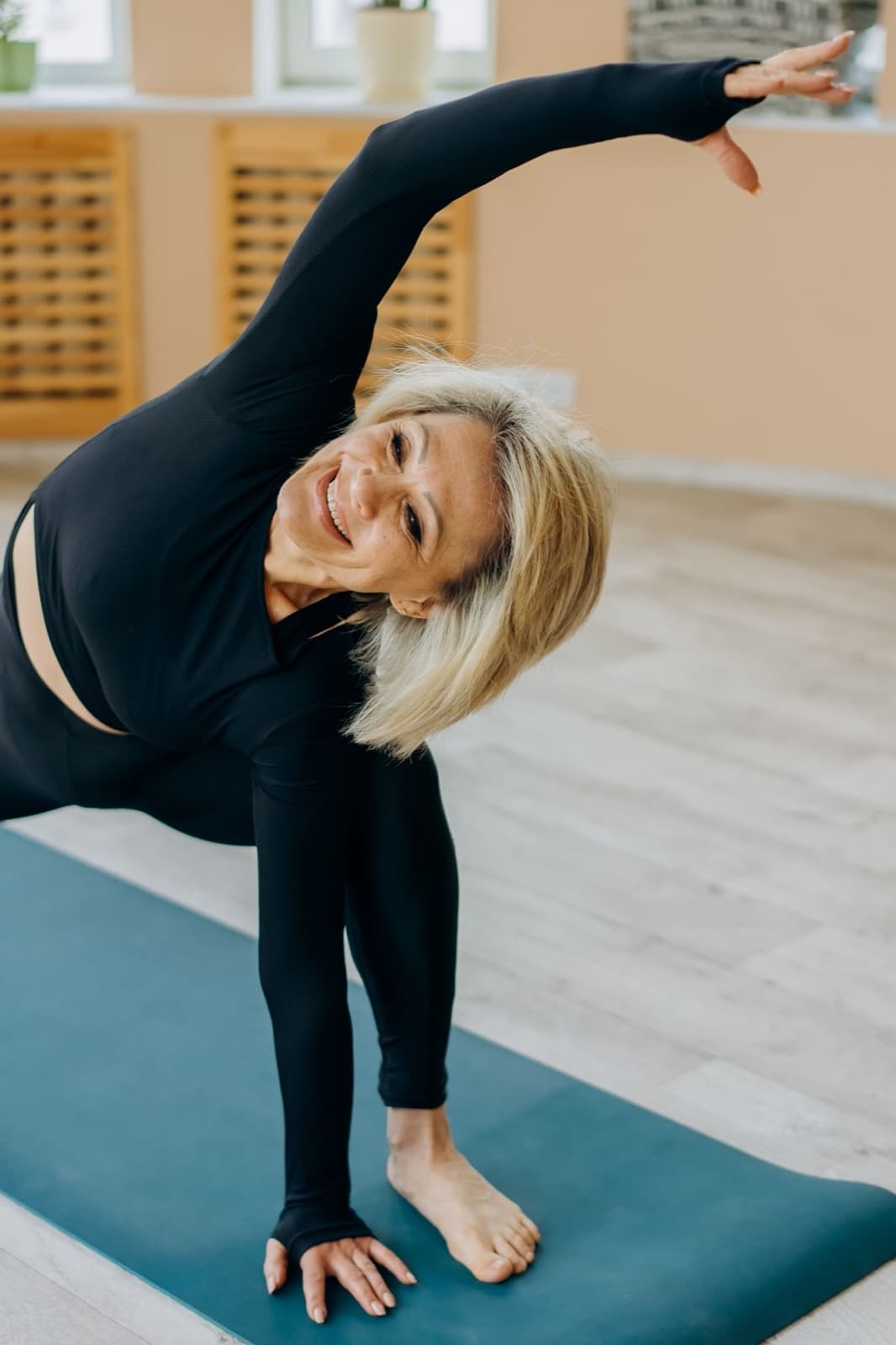
This has come up before but it belongs here too. Exercise is one of the most powerful mood tools available, with effects in the 2024 BMJ analysis that compared well to psychotherapy and antidepressants for depression. Yoga and strength training were especially well tolerated, and structured programs with clear instructions did better than vague advice to "be more active." Group exercise did especially well, probably because it adds connection to movement.
If you're struggling with low mood, exercise is a reasonable addition to treatment, not a replacement for it. Talk to your doctor before changing any medication.
When the hard stuff comes: grief, loss, and identity shifts
Later life asks people to absorb losses that come closer together. Parents die. Friends die. Spouses die. Health changes. Careers end. Homes are sold. Roles disappear.
The good news, if you can call it that, is that people are more resilient than they expect. In a landmark study that followed older married adults before and after a spouse's death, psychologist George Bonanno and colleagues found that nearly half showed what they called a resilient pattern: emotional stability that looked much like it had before the loss, with waves of sadness that didn't derail daily functioning. Resilience wasn't a lack of love. It was common, normal, and often included continuing to laugh and engage with life while grieving.
At the same time, a smaller group experienced chronic, intense grief that didn't ease. The hardest reactions were more common among people who had been very emotionally dependent on their spouse and had little support from family and friends. That's another argument for a broad social web: the time to build it is before you need it.
Some principles for getting through loss:
- Let grief be uneven. It comes in waves, including good days that make you feel guilty. That's normal.
- Keep some routine. Walking at the same time each day, eating at regular hours, seeing the same people. Structure holds you when feelings don't.
- Accept practical help. People want to help and don't know how. Let them bring meals, mow the lawn, or drive.
- Know when to get more help. If, many months after a loss, grief is still so intense that you can't function, can't imagine a future, or are thinking about not wanting to live, talk to a doctor or grief counselor. Prolonged grief is a recognized condition, and it's treatable.
Identity shifts are their own kind of loss. When you've been "the engineer" or "the mom" or "the guy who runs marathons" for decades, losing that role can feel like losing yourself. A useful move is to separate the role from the qualities it let you express. If being an engineer meant solving problems, where else can you solve problems? If parenting meant nurturing, who else can you nurture? The role ends; the qualities don't have to.
What joyful older people tend to have in common
No study can hand you a formula, but across the research and plenty of ordinary observation, people who stay joyful as they age tend to share some habits:
- They keep a few close relationships active and maintain a wider web of casual ones.
- They have more than one source of purpose, so a single loss doesn't topple everything.
- They take care of their bodies without becoming obsessed with them.
- They're more interested in the present than in reliving the past or dreading the future.
- They care less about what other people think. (Ask almost anyone over 70 and they'll tell you this is one of the best parts.)
- They keep learning and stay curious about other people.
- They laugh, especially at themselves.
That last one isn't trivial. Anyone who has spent time around a community pool knows a certain kind of water-aerobics regular: she comes for the exercise, stays for the gossip, and keeps coming back for the laughing. That's a whole health philosophy in one sentence.
Designing the life around you: money, home, time, travel, and care
Everything so far has been about you: your body, your relationships, your purpose, your mind. But those live inside a set of practical structures: your finances, your house, your calendar, your obligations. Get the structures roughly right and the good stuff has room to grow. Get them wrong and even the best intentions get crushed by logistics.
This section isn't financial or legal advice (talk to a fee-only planner or attorney for that). It's about how the practical choices connect to everything else.
Money: the psychology matters as much as the math
Most retirement planning is about whether you'll have enough. That's essential. But two psychological questions get far less attention and shape happiness just as much.
What is "enough"? People who define a specific number for enough, and then stop chasing more, often report more peace than people with larger portfolios and no finish line. Many people spend their 60s still in accumulation mode, out of habit or fear. If your plan says you're secure, give yourself permission to spend on the things the research says matter: time with people, experiences, health, and helping others.
Who are you without a paycheck? For many people, especially those whose careers were central to their identity, the hardest part of retirement isn't the budget. It's the Monday morning when nobody needs you. The fix isn't more money. It's having a plan for structure, connection, and contribution before you leave work, not six months after.
A few practical moves that protect the other pillars:
- Budget for health. Gym memberships, a few sessions with a trainer or physical therapist, good shoes, and hearing aids if you need them are investments, not luxuries.
- Budget for connection. Travel to see family, dinners with friends, class fees, club dues. These are line items, not afterthoughts.
- Talk to your partner and family about the plan. Silence about money breeds anxiety and conflict. Include what happens if one of you needs long-term care.
- Get the documents done. A will, health care proxy, durable power of attorney, and advance directive are a gift to the people who love you. They also make one of the most painful conversations of later life much easier.
And a reality check. Plenty of people reach 60 with far less saved than they'd hoped, or none at all. If that's you, the levers in this guide still work, and most of them are cheap or free: walking, bodyweight strength training, library books, volunteering, a standing coffee with a friend. Financial constraints are real, but they don't close the door on a good life.
Home: where you live shapes who you see
Housing decisions after 50 are often framed around money and stairs. Both matter. But one of the biggest effects of where you live is on your social life, and it's easy to overlook until you're isolated.
A house in a car-dependent suburb can be lovely at 60 and isolating at 80, especially if driving becomes difficult. A smaller place in a walkable neighborhood near friends, shops, and a library can keep people connected for decades.
Options worth considering:
- Aging in place works best when you plan ahead: grab bars, good lighting, a bedroom and bathroom on the main floor, no-step entries, and proximity to people who can help. An occupational therapist can do a home assessment and spot fall risks you'd never notice.
- Downsizing frees up money and time, but it can also mean leaving neighbors and memories. Many people find the emotional work harder than the logistics. Move toward something (people, walkability, a community) rather than just away from square footage.
- 55+ and continuing-care communities offer built-in social life and services. They suit some people beautifully and feel confining to others. Visit, stay for a meal, and talk to residents before deciding.
- Co-housing and shared housing are growing options, from intentional communities with shared common houses to two widowed friends buying a duplex together.
- Multigenerational living can be wonderful for grandparenting and mutual support. It works best with clear agreements about money, space, privacy, and childcare.
Whatever you choose, ask one question: will this place make it easier or harder to see people regularly?
Time: structure is freedom
One of the paradoxes of retirement is that unlimited free time can make people miserable. Without structure, days blur, motivation sags, and it's easy to drift into a routine of news, naps, and screens.
The fix is designing a week with anchors. Not a rigid schedule, just a few fixed points that give each day shape:
- Movement anchors: Strength on Monday and Thursday, a walking group on Tuesday, a class on Wednesday.
- Connection anchors: A standing lunch with a friend, a weekly call with a sibling, Sunday dinner with family.
- Purpose anchors: A volunteer shift, a mentoring session, a block of time on a project you care about.
- Learning anchors: A class, lessons, a language app session, a book club.
- Open space: Unscheduled time matters too. Some of the best things happen when you have room to say yes.
If you're still working, the same principle applies on a smaller scale. One anchor of each kind per week is a strong start.
Travel and hobbies: the enjoyment pillar
It's worth saying plainly: fun is not frivolous. Travel, hobbies, play, and adventure are some of the most direct routes to the positive emotions that make life worth living. They also tend to fold the other pillars in naturally.
Travel is a perfect example. A walking trip through Portugal is cardio. Navigating unfamiliar streets and a new language is cognitive challenge. Traveling with a partner or friends is relationship maintenance. And anticipation, as the savoring research shows, stretches the pleasure across months.
A few tips for travel after 50:
- Train for the trip. If you're going somewhere with hills, cobblestones, or long museum days, spend six weeks beforehand doing longer walks, step-ups, and calf raises. It's the difference between enjoying day five and nursing your feet in the hotel.
- Travel slower. Fewer places, longer stays. You'll see more, rest better, and meet more people.
- Consider group and learning travel. Walking tours, volunteer vacations, and educational travel programs make it easy to meet people and add depth.
- Don't wait. Many people postpone the big trips until "later" and then health intervenes. If there's a place you've always wanted to go, put a date on it.
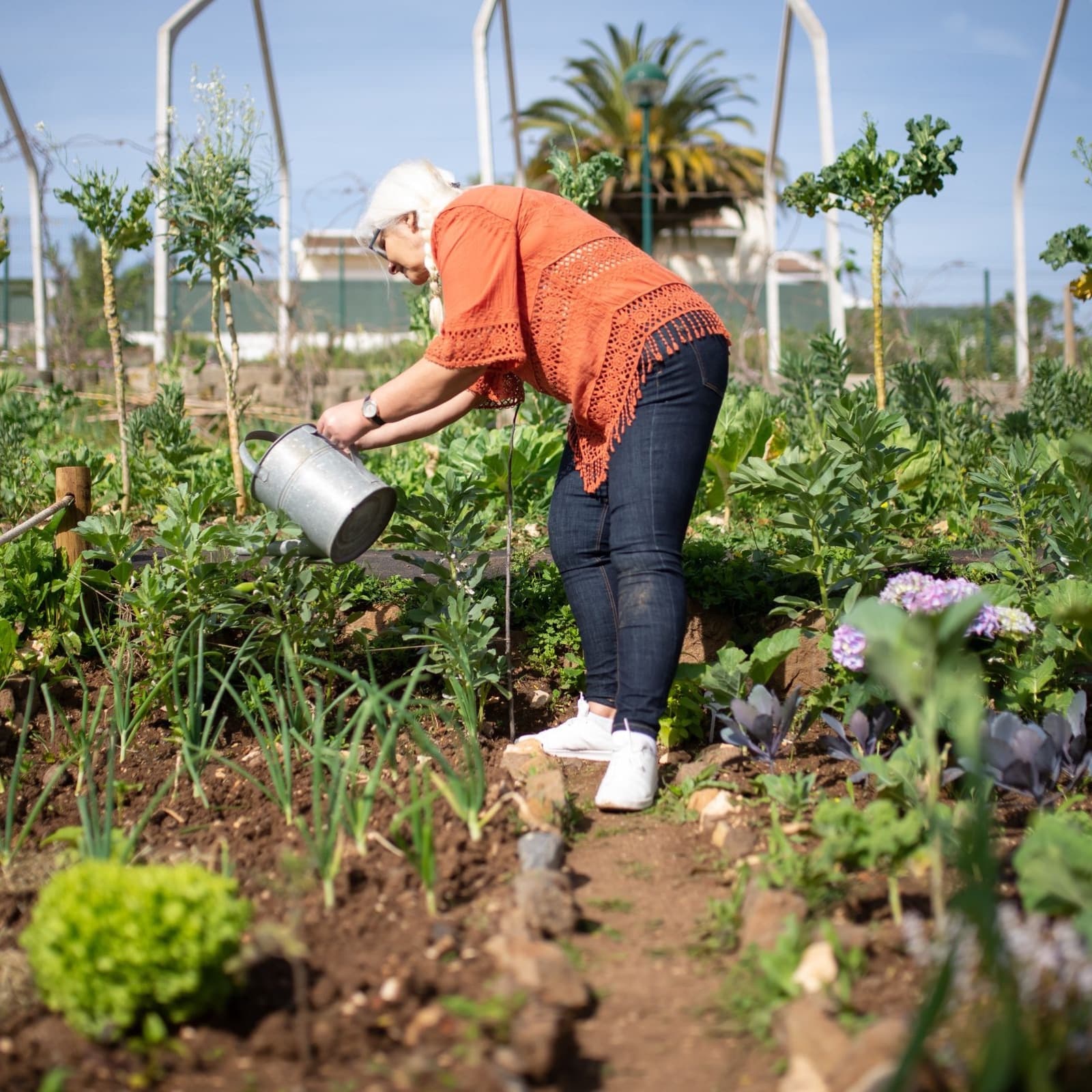
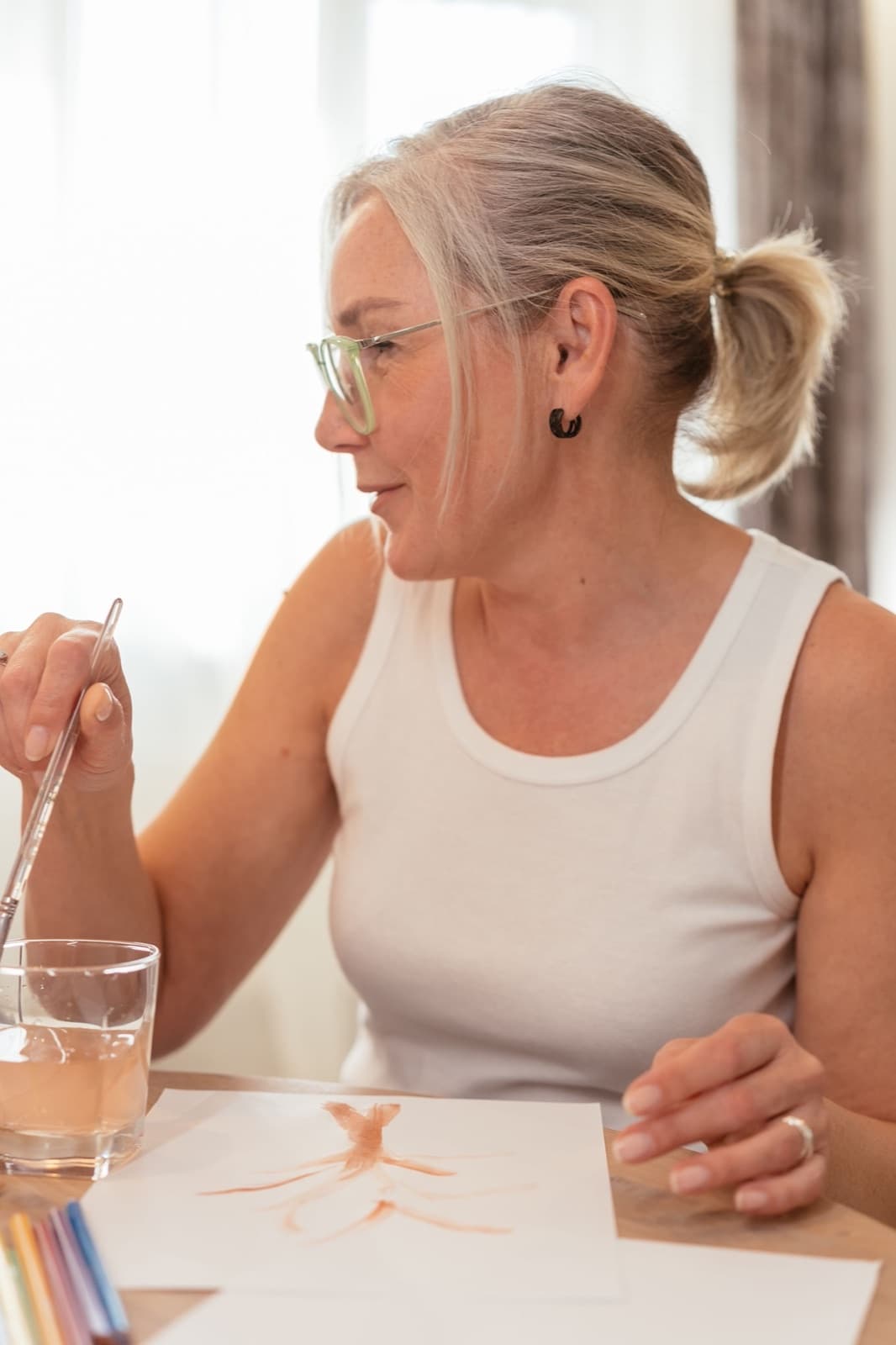
Hobbies work the same way. The best ones combine at least two of the following: movement, challenge, social contact, and creativity. Gardening, dancing, pickleball, choir, woodworking, photography, birding, cycling clubs, community theater. If you've wanted to try something since you were 30, this is the time. Being a beginner is good for you.
Caregiving: the role that can swallow everything
Millions of people in their 50s, 60s, and 70s are caring for a spouse, parent, or other family member, often without much help or training. Caregiving can be deeply meaningful. It can also be exhausting, isolating, and financially draining, and caregivers' own health often suffers.
If you're a caregiver, these are the most important things to know:
- Your health is part of the care plan. Burned-out caregivers can't care for anyone. Protect sleep, keep at least some movement (even 10-minute walks), and keep up your own medical appointments.
- Ask for specific help. "Let me know if you need anything" rarely produces anything. "Could you sit with Mom on Thursday afternoons so I can go to my class?" usually does.
- Use respite. Adult day programs, in-home aides, and short-term respite stays exist so caregivers can recharge. Your local Area Agency on Aging can point you to options and programs you may not know about.
- Find other caregivers. Support groups, in person or online, provide something friends often can't: people who truly understand.
- Watch for depression. Caregiver depression is common. If you're persistently hopeless, irritable, or numb, talk to a doctor.
And if you're not a caregiver now, you may be later, or you may need one. Building a strong body, a wide social network, and clear legal documents now is caregiving's best preparation, for either side of it.
Routines that protect the pillars
The structures above work best when tied to small daily habits that keep the whole system running. A sample daily rhythm:
- Morning: Get outside within an hour of waking. Move for at least ten minutes. Eat a protein-rich breakfast.
- Midday: Do something that matters to someone else, or to your growth. Talk to at least one person, even briefly.
- Afternoon: Move again. A walk, the garden, a class.
- Evening: Connect with someone you love, in person or by phone. Write three good things. Wind down for sleep at a consistent time.
It's not a perfect day. It's a day that gives each pillar a little attention. String enough of them together, and the compounding starts.
Your roadmap: where you are, where to start, and what to skip
You've now read more about thriving after 50 than most people do in a lifetime. The risk is that it all blurs into a vague feeling of "I should do more of everything." So let's make it concrete.
The five-minute self-check
Rate yourself from 1 (struggling) to 5 (thriving) on each statement. Be honest; nobody's grading this but you.
| Domain | Statement | Score (1–5) |
|---|---|---|
| --- | --- | --- |
| Body: strength | I can rise from a chair without using my hands and carry groceries without strain. | |
| Body: endurance | I could walk briskly for 30 minutes today, or enjoy a full day of sightseeing. | |
| Body: balance | I can stand on one foot for 30 seconds on each side. | |
| Body: recovery | I usually sleep well and wake up reasonably rested. | |
| Close relationships | I have at least two people I could call in a crisis, any time. | |
| Wider connection | I see people I enjoy at least a few times a week, in person. | |
| Partnership or intimacy | I feel close to the people I'm most intimate with (or content without a partner). | |
| Purpose | I regularly do things that matter to someone besides me. | |
| Growth | I'm currently learning something that challenges me. | |
| Mood | I mostly feel calm, interested, and hopeful. | |
| Outlook on aging | I expect the next ten years to hold good things. | |
| Practical base | My money, home, and paperwork support the life I want. |
Look at your lowest two scores. Those are your starting points. Not because the others don't matter, but because the biggest gains usually come from lifting the weakest link. If you scored 4s and 5s across the board, good. Pick the area you most enjoy and go deeper; that's where the next level is.
A 90-day plan that won't wreck your life
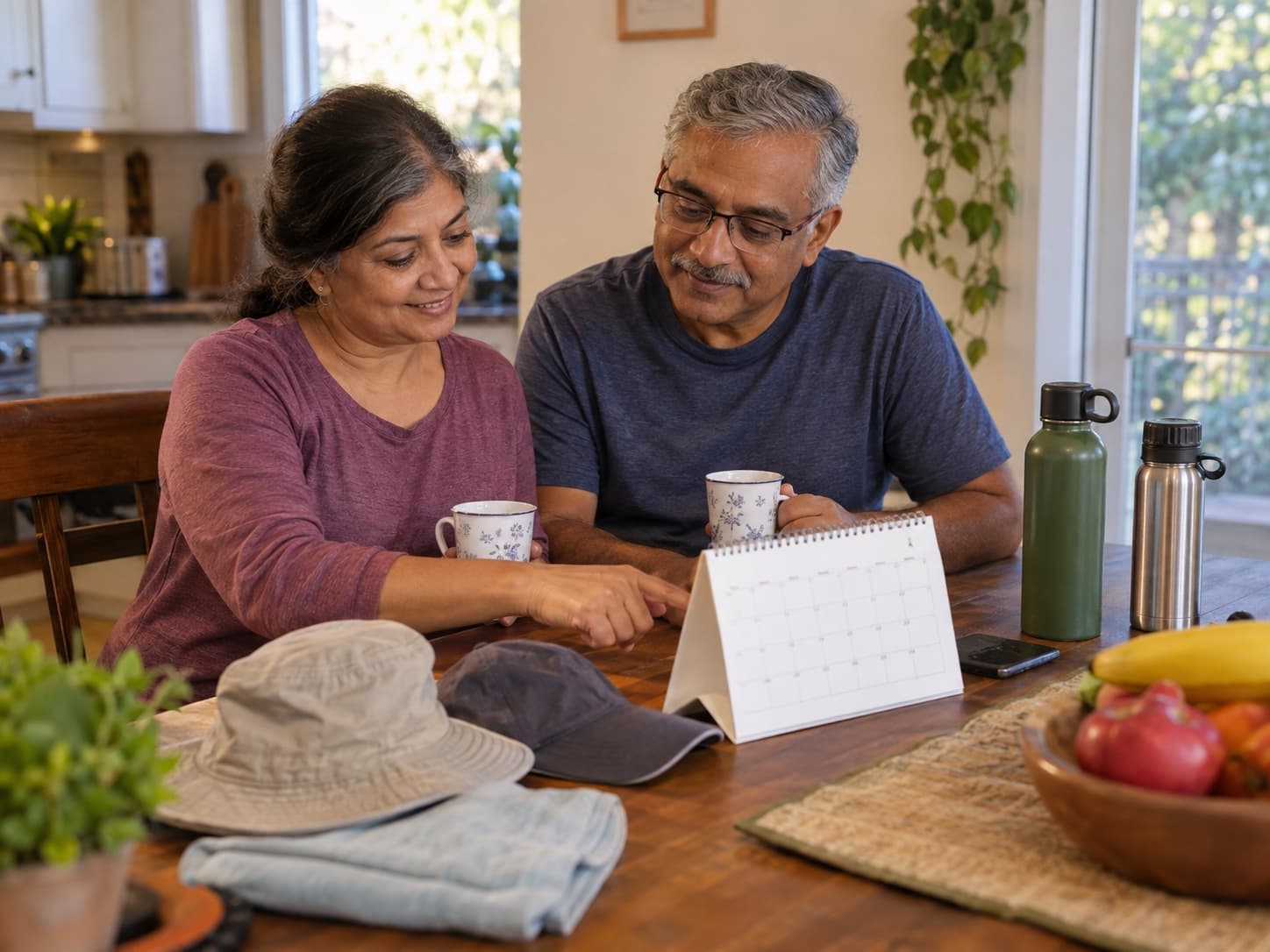
This plan assumes you're starting somewhere in the middle. Scale down if you're starting from very little, and up if you're already active and connected. The idea is one new habit in each of three areas per month, layered gradually.
| Weeks | Body | Connection | Purpose and growth |
|---|---|---|---|
| --- | --- | --- | --- |
| 1–4 | Two 20–30 min strength sessions a week. Take your chair-stand baseline. Walk 10 minutes after two meals daily. | Do the three-circle inventory. Reach out to one person you've drifted from. | Start the two-week aliveness log. Write down your top five values. |
| 5–8 | Add one longer or harder cardio session a week. Add balance work to tooth-brushing. | Join one recurring group activity (weekly or biweekly). | Run one small experiment: a volunteer shift, a class, a shadow day. |
| 9–12 | Retest your chair stand. Add resistance to your strength work. Book any overdue checkups, including a hearing test. | Have one conversation you've been avoiding. Turn "let's get together sometime" into a standing date. | Commit to the experiment that felt best, roughly two hours a week. |
At day 90, retake the self-check. Most people find that two or three scores have moved, and that the domains they didn't directly target have improved too. That's the system effect.
The one-year view: Months four through twelve are about consolidation, not addition. Keep the anchors you've built. Add intensity or depth rather than new commitments. Plan one thing to look forward to each quarter: a trip, a challenge event, a family gathering, a class showcase. And recheck every few months to make sure the life you're living still matches what you value.
Common traps (and how to sidestep them)
Perfectionism. Waiting for the perfect gym, the perfect volunteer role, or the perfect moment to call your estranged brother means waiting forever. A mediocre plan you follow beats a great plan you don't.
The retirement cliff. People often retire with a long list of things they'll finally do, then discover that without structure, the list doesn't get done. Build your anchors before your last day of work.
All-or-nothing fitness. Going from couch to six days a week of intense workouts is the fastest route to injury and quitting. Start below what you think you can do. Build gradually. Consistency wins.
Waiting for the right purpose. Purpose shows up through action. Pick something reasonable and start. You can switch later.
Letting your partner be your whole social life. It's lovely to be close. It's risky to have no one else. Each of you needs your own friendships as well as shared ones.
Treating aches as proof of decline. A sore knee at 63 might be a sore knee, not a sign that it's all downhill. Get it checked, treat it, and stay as active as you safely can. Remember the speed bump.
Isolating after a loss. It's natural to withdraw after a death or divorce. Give yourself time, but set a gentle limit, and let at least one person keep checking on you.
Frequently asked questions
Is it too late to start at 65, 75, or older? No. Strength training produces measurable gains in people in their 80s and 90s. New friendships can form at any age; they just need time. Purpose can be found or rebuilt after any transition. The research on positive age beliefs suggests that believing it's too late may be one of the biggest obstacles of all.
I'm lonely but I'm not a joiner. What do I do? Start one-on-one. Call one old friend. Choose an activity with a built-in task (volunteering, a class, a hobby group) so the focus isn't on socializing. Let familiarity do the work. Seeing the same faces every week builds connection slowly but reliably.
Is it normal for sex to change after 60? Yes. Changes in desire, function, and comfort are very common, and so is continued sexual activity and satisfaction. Talk to your clinician about specific problems; many have effective treatments. Widening your definition of intimacy helps too.
I'm divorced or widowed and thinking about dating. Is it too soon? There's no universal timeline. A useful test: are you looking for a companion or a replacement? Dating tends to go better when you've begun to build a life you like on your own. Protect yourself from scams, and never send money to someone you haven't met.
I don't have much money. Can I still do this? Most of the strongest levers here are cheap or free: walking, bodyweight exercise, library books, volunteering, phone calls, community classes, parks. Many senior centers and community programs offer low-cost fitness classes and social activities.
My health is declining. Does any of this still apply? Yes, adapted. Chair-based strength training, adapted movement classes, and physical therapy can maintain function. Relationships and purpose may matter more, not less, when health is limited. Purpose doesn't require mobility; mentoring, listening, writing, and phone-based volunteering all count.
My partner won't change. What can I do? Change yourself and invite, don't nag. Start walking and mention you'd love company. Join a class and share what you liked. People are often more open to doing something with you than to being told they should do it.
What's the single most important thing in this whole article? If forced to pick: invest in a few warm relationships, keep your body strong enough to show up for them, and do something every week that matters to someone else. Everything else builds on that.
Try this: the three-call week
This week, make three phone calls. Not texts. Calls.
- Call someone you love just to hear how they're doing. No agenda.
- Call someone you've drifted from and say, "I was thinking about you." That's the whole script.
- Call to schedule something recurring: a walking date, a class, a volunteer shift, a monthly breakfast. Put it on the calendar before you hang up.
Then go for a walk, ideally with one of them. Total time: maybe two hours across seven days. It touches connection, movement, and purpose all at once, and it's the kind of small step this whole guide is built on.
Keep reading and exploring
If you want to go deeper, these are trustworthy starting points:
- *The Good Life* by Robert Waldinger and Marc Schulz (2023), the directors of the Harvard Study of Adult Development, on what eight decades of data say about relationships and well-being.
- *The Second Fifty* by Debra Whitman (2024), AARP's chief public policy officer, a research-heavy guide to the big questions of midlife and beyond.
- *Breaking the Age Code* by Becca Levy (2022), on how beliefs about aging shape health and how to change them.
- Greater Good in Action from UC Berkeley's Greater Good Science Center, a free library of research-tested practices for gratitude, connection, and resilience.
- CDC physical activity guidance for older adults, for the official baseline on aerobic, strength, and balance training.
On Fitafter50, start with the free Fitness Age assessment to get your physical baseline, then explore our guides to strength training, protein after 50, sleep, balance, and staying socially connected.
The long game
Go back to the founder's story from earlier for a moment. Not the injuries, but the stairs. One hundred fifty-two steps at Seacliff Beach, five times up and down, with a goal of ten. Nobody would call that a dramatic transformation. It's better than that. It's a repeatable thing, done with someone else, that makes the next thing possible.
That's how a good life after 50 tends to get built. Not in one heroic overhaul, but in small, stubborn, shared repetitions. A standing breakfast that lasts fifteen years. Two strength sessions a week that keep you able to lift a grandchild. Two hours of volunteering that turn into a second family. Each one is modest. Together they compound into something that looks, from the outside, a lot like luck.
It isn't luck. It's the accumulated result of choosing, again and again, to show up for your body, your people, and the things you care about. You can start that today, from wherever you are. Pick one call, one walk, or one set of chair stands, and do it before you go to bed.
This guide is reviewed and updated periodically as new research is published. Last reviewed November 2026.