

There is a peculiar contradiction in the longevity business. People will spend hundreds of dollars on supplements, undergo elaborate biological-age tests, and experiment with ice baths cold enough to make a penguin reconsider its choices. Meanwhile, they may spend ten hours a day sitting, sleep five hours a night, and treat strength training as something other people do.
The scientists who study healthy aging tend to focus on a rather different set of priorities.
They know that genetics matter, luck matters, and no collection of habits guarantees a long life. But they also know that how we move, eat, sleep, connect with others, and manage our health can profoundly influence the years we spend feeling strong and capable.
So what do longevity experts avoid?
These ten habits are drawn from established research and the principles emphasized by researchers in aging, preventive medicine, exercise science, and public health. They're not a claim that every expert follows an identical rulebook. They're a practical look at behaviors that can quietly undermine healthy aging, often without our noticing.
1. They don't spend the whole day sitting, even if they exercise
You can walk three miles every morning and still spend the rest of the day almost motionless.
That's an uncomfortable thought for anyone who considers their morning workout a free pass to occupy a chair until bedtime.
Research has linked prolonged sedentary time with poorer health outcomes, although regular physical activity can offset some of that risk. The distinction matters: exercising and reducing sitting time are related goals, but they're not identical.
Muscles are metabolically active tissue. When you stand, walk, climb stairs, or carry groceries, they help use circulating glucose and support cardiovascular function. Regular movement also keeps joints and muscles accustomed to doing their jobs.
What to do instead: Keep your regular exercise, but interrupt long periods of sitting. Walk around the house during phone calls. Stand up between television episodes. Take a five-minute stroll after lunch.
There is no magical requirement to move every 30 minutes. The practical goal is to make inactivity less continuous.
If you already exercise regularly, consider this an upgrade, not a replacement.

2. They don't treat muscle loss as an inevitable part of getting older
Picture two people, both 72. Both enjoy traveling. Both love gardening.
One can lift a suitcase into an overhead compartment, climb a steep staircase, and get up from the floor without much difficulty. The other struggles with those tasks.
Chronological age doesn't explain the entire difference. Strength, balance, previous injuries, medical conditions, and physical activity all play a part.
Age-related muscle loss, known as sarcopenia, is a genuine concern. But resistance training can improve strength and physical function well into later life.
And you don't need to become a bodybuilder.
Two or three weekly sessions involving squats or chair stands, pushing, pulling, hip movements, and carrying objects can make a meaningful difference.
Beginners might start with sitting down and standing up from a sturdy chair eight times, resting, then repeating. More experienced exercisers can use dumbbells, machines, or progressively heavier resistance.
The American College of Sports Medicine supports progressive resistance training for older adults because muscle responds to appropriate challenges at almost any age.
The mistake to avoid: Doing the same easy exercises indefinitely without gradually increasing the challenge.
Your muscles need a reason to remain strong.
3. They don't believe a supplement can rescue a poor diet
The supplement industry sells an appealing proposition: perhaps you can swallow the benefits of healthy eating without dealing with all those vegetables.
Unfortunately, nutrition doesn't work quite that neatly.
Foods contain combinations of fiber, protein, fats, vitamins, minerals, and plant compounds. Those combinations interact in ways that individual supplements may not reproduce.
Studies of Mediterranean-style eating patterns have found associations with better cardiovascular and metabolic health, while the PREDIMED randomized trial reported fewer major cardiovascular events in higher-risk participants assigned to Mediterranean diets supplemented with olive oil or nuts.
That doesn't make olive oil a miracle substance. It suggests that overall dietary patterns matter.
Longevity researchers generally have stronger evidence for eating nutritious foods than for taking fashionable anti-aging compounds.
Build meals around vegetables, fruit, beans, lentils, whole grains, nuts, fish, and other protein-rich foods you enjoy.
A practical lunch might be lentil soup, whole-grain bread, and fruit. Dinner could be salmon, roasted vegetables, and potatoes.
Supplements can be useful for diagnosed deficiencies, specific medical needs, or inadequate dietary intake. But a bottle promising cellular rejuvenation deserves skepticism.
And expensive doesn't mean effective.
4. They don't sacrifice sleep to squeeze more hours out of the day
There's a particular kind of productivity culture that treats sleep as an inconvenience.
Longevity scientists aren't especially impressed.
During sleep, the body carries out essential processes involved in immune regulation, metabolism, memory, and tissue maintenance. Habitually inadequate sleep is associated with increased risks of several chronic health problems.
Most adults need roughly seven to nine hours, although individual requirements vary. For adults over 65, commonly cited recommendations are around seven to eight hours.
Consistency helps. So does morning daylight, regular physical activity, and a bedroom that's dark, quiet, and comfortably cool.
If you regularly wake unrefreshed, snore heavily, or experience significant daytime sleepiness, don't simply assume that's normal aging. Sleep apnea and other treatable conditions may be involved.
And if you're watching television at midnight because you've finally found a series worth bingeing, remember: the next episode will still exist tomorrow.
5. They don't assume walking is enough for every aspect of fitness
Walking deserves its excellent reputation. It's accessible, inexpensive, enjoyable, and associated with important cardiovascular benefits.
But walking alone may leave gaps.
It generally provides less upper-body strengthening than resistance exercise, and ordinary level-ground walking may not sufficiently challenge balance, power, or all major muscle groups.
A well-rounded fitness routine includes aerobic activity, strength training, and balance work.
The World Health Organization recommends that older adults aim for 150–300 minutes of moderate aerobic activity weekly, strength-building activity on at least two days, and multicomponent activity emphasizing balance and strength on three or more days when appropriate.
That can sound like an intimidating schedule until you realize the activities overlap.
A brisk walk, two strength workouts, and a few minutes of balance practice can cover substantial ground.
Try standing on one leg beside a sturdy counter for 15–30 seconds, then switch sides. Keep a hand ready for support.
For experienced exercisers, hiking uneven trails, dancing, tennis, or appropriately challenging gym workouts can provide additional variety.
The objective isn't to collect exercise categories like merit badges. It's to develop a body capable of doing different things.

7. They don't chase every new anti-aging breakthrough
The longevity marketplace has a remarkable talent for turning preliminary scientific findings into expensive consumer products.
One month it's a particular supplement. Next month it's a specialized fasting protocol. Then comes a device promising to improve your biological age.
Some emerging interventions are genuinely interesting. But fascinating laboratory results don't automatically translate into longer, healthier human lives.
Consider the difference between extending the lifespan of mice and demonstrating that a treatment safely improves long-term outcomes in people. Those are very different achievements.
Before spending money, ask three questions:
- Has this been tested in humans, particularly people like me?
- Did it improve meaningful health outcomes, or merely change a laboratory measurement?
- What are the costs, risks, and alternatives?
That last question is particularly revealing.
If you're spending $200 monthly on supplements but can't find time for regular exercise, your priorities may deserve rearranging.
Curiosity is valuable. So is skepticism.
8. They don't neglect the boring preventive stuff
Blood pressure checks aren't exciting. Neither are dental appointments, vaccinations, or recommended cancer screenings.
But preventive care has something that many anti-aging trends lack: substantial evidence of real-world benefit.
High blood pressure, for example, can cause damage for years without obvious symptoms. Managing it reduces the risk of serious cardiovascular complications.
Preventive priorities depend on age, health history, medications, family history, and individual risk.
For some people, that means reviewing cholesterol and blood pressure. Others need attention to diabetes risk, bone health, hearing, vision, or age-appropriate screenings.
A useful habit is to keep a short list of questions for your next healthcare visit rather than relying on memory.
And if you're taking multiple medications or supplements, review them periodically with a qualified professional. Interactions and unnecessary treatments deserve attention too.
Longevity isn't always about adding something new. Sometimes it's about identifying a problem early enough to do something useful.
9. They don't let stress dictate every waking hour
Stress is unavoidable. A completely stress-free life would probably require avoiding work, family, travel, current events, and most forms of human interaction.
Not especially appealing.
The concern is persistent, poorly managed stress that disrupts sleep, encourages unhealthy coping behaviors, and leaves little opportunity for recovery.
Stress biology is complicated. Cortisol, for example, is essential for normal functioning, not a toxin that needs to be eliminated.
But regular recovery matters.
For one person, that might mean gardening. For another, swimming, meditation, playing music, or walking the dog without checking email.
You can experiment with five minutes of slow breathing, a quiet walk after dinner, or a firm boundary around work messages.
These aren't guaranteed longevity treatments. They're practical ways to improve daily well-being, and some may also help with blood pressure, sleep, or stress symptoms.
A longer life is worth pursuing. So is enjoying the Tuesday afternoon you're currently living.
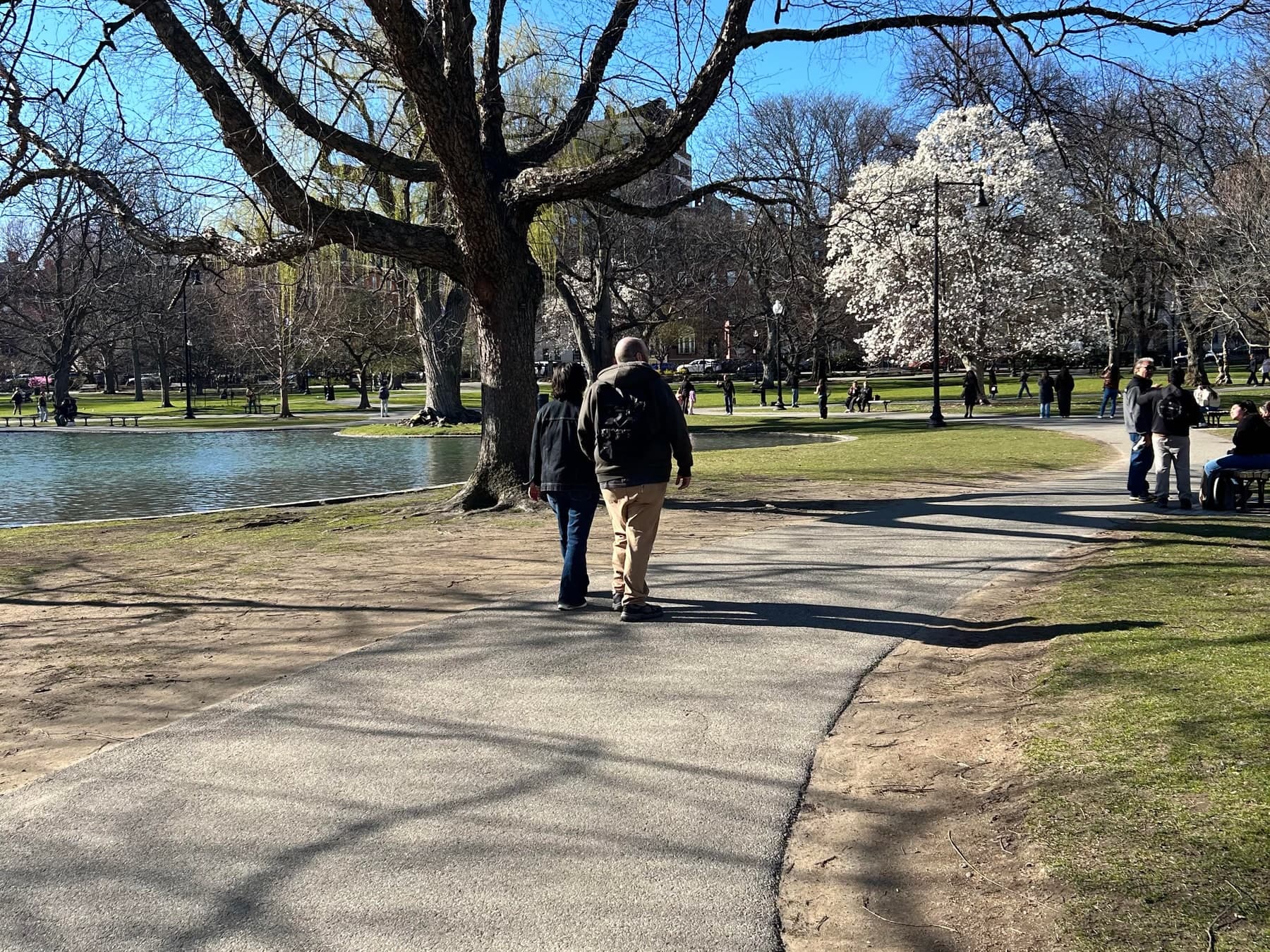
10. They don't wait until January, Monday, or their next birthday to begin
This may be the most consequential habit on the list.
People often imagine that meaningful health improvement requires a dramatic reinvention: a new diet, expensive equipment, a perfect training plan, and a level of motivation normally reserved for Olympic athletes.
Most successful changes are much less theatrical.
A person who starts walking ten minutes after dinner and gradually increases to 30 minutes has made real progress. Someone who begins strength training twice weekly may become noticeably stronger over time.
You don't need to fix ten habits simultaneously.
Choose one.
Make it manageable enough that you can repeat it on a busy day, not just an unusually motivated one.
Then build.
The greatest advantage of starting small is that you can start immediately.
The future is built into ordinary days
There's something reassuring about the strongest lessons from longevity research. They don't require you to live like a laboratory experiment.
You can enjoy good food, celebrate birthdays, travel, stay up late occasionally, and take a day off from exercise.
The goal is not perfection. It's to make health-supporting habits the normal pattern of your life.
And remember that the years ahead aren't simply numbers on a calendar. They're opportunities to learn something new, see somewhere unfamiliar, laugh with people you love, and remain capable of doing the things that make life enjoyable.
Try this this week
Choose one habit from this article and make a seven-day commitment. Perhaps it's a ten-minute walk after dinner, two short strength sessions, an earlier bedtime, or calling someone you've been meaning to see.
Keep it simple. At the end of the week, ask yourself whether it made your days better and whether you'd like to continue.
That's a more promising beginning than buying another bottle of anti-aging pills.