In 2013, researchers at Henry Ford Hospital gave a group of healthy sleepers a dose of caffeine roughly equal to two or three cups of coffee. Some got it at bedtime, some three hours before, and some six hours before. The six-hour group is the interesting one. Their sleep monitors showed they lost more than an hour of sleep that night. When the researchers asked them how they'd slept, most had no idea anything was wrong.
Hold onto that, because it explains a lot about sleep and energy in the second half of life. A good deal of what wears us down is invisible from the inside. You don't feel your deep sleep thinning out. You don't hear yourself stop breathing at 2:40 a.m. You don't notice that the dim living room you spend your mornings in tells your internal clock almost nothing. You only notice the result: the 3 p.m. fog, the workout that felt like wading through wet sand, the nagging sense that you used to bounce back faster.
Most of these problems respond to things you can actually do. Some are as simple as where you drink your morning coffee. A few need a doctor and a proper test. This guide covers all of it: how sleep changes after 50 and why, the conditions that quietly steal it, the daily habits that protect it, how sleep and training feed each other, which supplements are worth your money (fewer than the shelf suggests), and an eight-week plan to pull it together.
It's long. Skim to the parts you need, or read it straight through over a cup of something decaffeinated.
A quick check before you start
Answer these honestly, thinking about a typical week over the past month. Give yourself one point for each "yes."
- It usually takes me more than 30 minutes to fall asleep.
- I wake during the night and lie awake for 30 minutes or more, three or more nights a week.
- I wake up earlier than I want to and can't get back to sleep.
- I wake up feeling unrefreshed even after a full night in bed.
- Someone has told me I snore loudly, gasp, or stop breathing in my sleep.
- I doze off easily when reading, watching TV, or as a passenger in a car.
- I need caffeine in the afternoon to function.
- I get up to urinate two or more times most nights.
- I feel an uncomfortable urge to move my legs in the evening or at night.
- My workouts feel harder than they should, or soreness lingers for days.
This isn't a diagnostic tool, just a way to see where you stand. A score of 0 to 2 suggests you're mostly in maintenance mode, and the habit sections will help you fine-tune. A score of 3 to 5 suggests real room for improvement, and the eight-week plan is built for you. Six or more, or a "yes" to number 5 or number 6 regardless of your total, is a strong reason to talk to your doctor. Those two questions in particular point toward sleep apnea, which we'll get to, and which is far more common than most people assume.
Keep your score. You'll want to retake this at the end of the plan.
Your Sleep Didn't Break. It Changed.
A night of sleep isn't one long, uniform shutdown. It's a series of cycles, each lasting roughly 90 minutes, that move through distinct stages. Light sleep (stages N1 and N2) makes up the bulk of the night. Deep sleep, which scientists call slow-wave sleep or N3, is when your brain produces big, slow electrical waves and is hardest to rouse. REM sleep is the stage associated with vivid dreaming, when your brain is surprisingly active and your body is mostly paralyzed.
Deep sleep tends to cluster in the first half of the night. REM gets longer and more frequent toward morning. That distribution matters later, when we talk about alcohol and early waking.
So what changes with age? The best single source on this is a large analysis led by Maurice Ohayon at Stanford that pooled 65 studies of healthy people, from children to older adults, all measured in the sleep lab. Across adulthood, total sleep time, sleep efficiency (the share of time in bed actually spent asleep), the percentage of deep sleep, and the percentage of REM sleep all declined. Time awake after first falling asleep went up, and so did the share of lighter sleep.
In plain terms: sleep gets lighter and more broken. You spend more of the night in the shallow end of the pool, closer to the surface, where a bathroom urge, a creak in the hallway, or a partner rolling over is more likely to bring you up.
That might sound grim. But there's a detail in the Ohayon paper that I find genuinely encouraging. The researchers noticed that how strongly age seemed to affect sleep depended heavily on how carefully the studies screened their volunteers. When studies did a thorough job of excluding people with sleep disorders, untreated medical conditions, or medication effects, the age-related changes got smaller, and in some cases nearly disappeared.
Some of what we blame on "getting older" is really undiagnosed apnea, untreated pain, a medication side effect, or a habit that crept in over the years. Those things can be addressed. The aging part is real, but it's often a smaller slice of the problem than people assume.
Other researchers have also pointed out how much variation exists within any age group. In studies of older men, the spread of deep sleep from one person to the next was far wider than the average difference between age groups. Your neighbor at 65 might get less deep sleep than you do at 75. Age sets the general direction. It doesn't write your individual script.
Let us cherish and love old age; for it is full of pleasure if one knows how to use it.
Seneca wrote that in a letter nearly two thousand years ago, and the "if one knows how to use it" part carries most of the weight. Sleep after 50 works much the same way. It rewards people who understand how it has changed and adjust to it, and it frustrates people who keep trying to sleep the way they did at 30.
The clock moves forward
Many people notice that somewhere in their 50s or 60s they start getting sleepy earlier in the evening and waking earlier in the morning. This is a real biological shift. The internal 24-hour clock, the circadian system, tends to drift earlier with age, and its signal tends to get flatter. The difference between "very alert" and "very sleepy" across the day becomes less pronounced.
A flatter rhythm has practical consequences. Your daytime alertness is a little less robust, which makes the afternoon dip more noticeable. Your nighttime sleep drive is a little less insistent, which makes sleep easier to disrupt.
One reason for the flattening is easy to overlook: your eyes. The circadian system takes its cue mainly from light, especially blue-tinged light, detected by specialized cells in the retina. Over the decades, the lens of the eye gradually yellows and the pupil gets smaller. Both changes cut the amount of light reaching those cells. Ophthalmologists Patricia Turner and Martin Mainster calculated that a typical 45-year-old has only about half the circadian light reception of a young person, and that a 10-year-old has roughly ten times the circadian light sensitivity of a 95-year-old.

Think about what that means. Your clock needs a strong daytime light signal to stay well anchored, and your eyes are passing along less of it every decade. Meanwhile, many of us spend our days indoors under lighting that's far dimmer than daylight. It's like trying to tune a radio with the volume knob slowly turning down. Their work also found that cataract surgery tends to improve circadian light reception, which is one of those unexpected side benefits worth knowing about.
We'll come back to light, because it's one of the most powerful and most overlooked tools in this whole guide.
Hormones: the night shift crew
Sleep is when your body does a lot of hormonal housekeeping, and several of those hormones shift with age.
Melatonin is the hormone your brain releases in darkness, a signal that says "it's night." In many people the nightly melatonin signal becomes weaker or arrives earlier with age, though studies disagree about how universal the decline is. What's not in dispute is that light in the evening suppresses it and darkness lets it rise.
Growth hormone is released in its largest daily pulse during deep sleep. It plays a role in tissue repair and body composition. Less deep sleep generally means a smaller nightly growth hormone pulse, which is one of the threads connecting sleep to muscle maintenance.
Cortisol, often called the stress hormone, naturally rises in the early morning hours to help wake you up. Poor or short sleep can push evening cortisol higher than it should be, and we'll see evidence for that shortly. The pattern of "tired all day, wired at night" often involves a cortisol rhythm that's lost its shape.
Sex hormones deserve their own section, because they affect men and women quite differently.
Menopause, andropause, and why sleep isn't gender-neutral
For many women, the menopause transition is the single biggest disruptor of sleep in adult life. Researchers at the University of Texas Medical Branch note that up to 70% of women experience sleep disruption around the menopause transition, often from hot flashes that wake them repeatedly. A hot flash at night is more than discomfort. It can pull you out of deeper sleep, leave you damp and then chilled, and set off a round of clock-watching and worry about tomorrow.
Falling estrogen and progesterone also seem to change the airway's behavior during sleep. Sleep apnea, long thought of as a "man's disease," becomes considerably more common in women after menopause. And as you'll see in the apnea section, it often looks different in women, which is one reason it gets missed.
For men, the picture is more gradual. Testosterone declines slowly with age, and sleep and testosterone influence each other. In one controlled study of young adults, a single night of total sleep deprivation lowered testosterone by 24% the next day. Untreated sleep apnea is also linked to lower testosterone. Men also face the prostate factor: an enlarged prostate is a common cause of getting up at night to urinate, which fragments sleep.
The practical takeaway for both sexes is the same. If your sleep changed noticeably around the time your hormones did, that's not something you simply have to accept. There are effective treatments, which we'll cover, and a doctor familiar with menopause or men's health can help sort out what's driving the problem.
"Older people need less sleep" is a myth
This idea is everywhere, and it's wrong. The National Institute on Aging says older adults need about the same amount of sleep as younger adults, roughly seven to nine hours a night. What changes is the ability to get it in one unbroken stretch, not the need for it.
The distinction matters. If you believe you need less sleep, you'll accept six broken hours as normal and blame your afternoon exhaustion on age. If you understand that your need hasn't changed but your sleep has become more fragile, you start looking for what's fragmenting it.
Why You Can Feel Tired and Wired at the Same Time
It's one of the most frustrating experiences in adult life. You're exhausted all evening, you drag yourself to bed, and then the moment your head hits the pillow your brain switches on like a motion-sensor light.
Two systems govern when you feel sleepy. Understanding them explains a lot.
The first is sleep pressure. From the moment you wake up, a chemical called adenosine slowly builds in your brain. The longer you're awake, the more accumulates, and the sleepier you feel. Sleep clears it away. Caffeine works by blocking adenosine's effects, which is why it makes you feel less tired without actually reducing your need for sleep. It's like putting tape over a warning light on your dashboard.
The second is the circadian alerting signal. Your internal clock pushes alertness up during the day, and that push actually peaks in the early evening, just as sleep pressure is getting high. The two forces balance each other until, later in the evening, the clock signal drops off and sleep pressure takes over.
"Tired but wired" happens when these systems fall out of sync, or when a third factor overrides both of them: arousal. Stress, worry, a racing mind, an argument, a late-night email, all of these activate your body's alert systems. Arousal can trump sleep pressure. That's why you can be bone-tired and still lie awake.
Several things common after 50 make this mismatch more likely. Long evening naps in a recliner bleed off sleep pressure right before bed. A circadian rhythm that has flattened or drifted sends weaker signals. Afternoon caffeine keeps adenosine masked. And for people with chronic insomnia, the bed itself can become a cue for alertness rather than sleep. The brain learns, through hundreds of frustrating nights, that bed is where you lie awake and worry. We'll talk about how to unlearn that in the section on CBT-I, which is the most effective treatment for this exact problem.
What Sleep Actually Does for Your Muscles, Metabolism, and Mood
If you exercise to stay strong and capable, sleep is not an optional extra. It's where a lot of the benefit of training actually gets built.
We must beg for a healthy mind in a healthy body (mens sana in corpore sano).
Juvenal was mocking people who prayed for wealth and fame; a sound mind in a sound body, he argued, was the thing actually worth asking for. Sleep happens to be where both get serviced at the same time, as the research below shows.
Muscle
In 2021, a team led by Séverine Lamon in Australia ran a neat experiment. They kept healthy young adults awake all night, then fed them a standard meal and measured how fast their muscles were building new protein. Compared with a normal night of sleep, one night without sleep reduced muscle protein synthesis by 18%. Cortisol rose by 21% and testosterone fell by 24%.
That study used young adults and total sleep deprivation, which is more extreme than what most of us experience. So it's not proof that a bad night will cost you muscle. But it shows the direction: sleep loss pushes the body toward breaking down rather than building up. For adults over 50, who are already fighting a natural tendency toward muscle loss (sarcopenia), that's a headwind worth avoiding.
Blood sugar
In a now-classic 1999 study published in The Lancet, Eve Van Cauter's team at the University of Chicago restricted healthy young men to four hours in bed for six nights. Their glucose tolerance dropped, their evening cortisol rose, and their nervous systems shifted toward the "fight or flight" side. The researchers noted that, under sleep debt, these lean young men responded to a glucose test in a way that resembled people with impaired glucose tolerance. The effects reversed once they caught up on sleep.
The authors pointed out that the changes resembled normal aging. For those of us who are already older, that's a sobering thought, and also a motivating one, because sleep is one of the few things that affects insulin sensitivity that you can improve tonight.
The brain
You've probably seen headlines linking sleep to dementia. Some of the strongest data comes from the Whitehall II study in Britain, which followed nearly 8,000 people for about 25 years. People who reported sleeping six hours or less at age 50 or 60 had a modestly higher risk of developing dementia later than those who slept about seven hours. Persistently short sleep across their 50s, 60s, and 70s was associated with about a 30% higher risk.
I want to be careful here. That's an association, not proof that short sleep causes dementia. The researchers themselves said so. Short sleep could be an early sign of brain changes, or both could share a common cause. Nobody can promise that sleeping more will prevent dementia. What we can say is that sleep supports attention, memory, mood, and decision-making in the short term, and that the long-term data point in the same direction. That's reason enough to take it seriously without needing to be frightened about it.
Mood and motivation
There's an underappreciated link between sleep and the willingness to do hard things. When you're short on sleep, effort feels more effortful. Exercise feels harder than it is. Healthy food choices become harder to make. Small irritations feel bigger. If you've ever wondered why your discipline evaporates after a bad week of sleep, that's not a character flaw. It's physiology.
The Sleep Thieves: Conditions That Hide in Plain Sight
This is the most important section in the guide, and I'd ask you not to skip it even if you think your sleep is "fine." Several common conditions become more frequent after 50, disrupt sleep in ways you can't detect yourself, and respond well to treatment. No amount of lavender pillow spray will fix them.
Sleep apnea: the big one
Obstructive sleep apnea happens when the soft tissues of your throat relax during sleep and partly or completely block your airway. Breathing slows or stops for ten seconds or more. Oxygen levels dip. Your brain senses trouble and jolts you just awake enough to restart breathing, usually with a snort or gasp, and then you drop back to sleep with no memory of it. This can happen dozens of times an hour, all night long.
It's common. Strikingly common. When researchers in Lausanne, Switzerland, ran full overnight sleep studies on more than 2,000 randomly selected adults aged 40 to 85 (median age 57), they found that 49.7% of men and 23.4% of women had moderate-to-severe sleep-disordered breathing. Part of that high number reflects modern, more sensitive measuring techniques, and not everyone with an elevated reading has symptoms. But the study also found that the most affected quarter had higher odds of hypertension, diabetes, metabolic syndrome, and depression.
Globally, a 2019 analysis estimated that about 936 million adults aged 30 to 69 have some degree of obstructive sleep apnea, and about 425 million have moderate-to-severe disease. (That analysis was funded by a company that makes apnea equipment, which is worth knowing, though its numbers line up broadly with independent studies like the Swiss one.) Most cases are undiagnosed.
Why does it matter so much for energy and fitness? Because apnea wrecks sleep quality without necessarily cutting sleep quantity. You can spend eight hours in bed and wake up feeling like you got four. The repeated arousals keep you out of deep sleep. The oxygen dips and surges of stress hormones strain your heart and blood vessels. People with untreated apnea often describe workouts that feel inexplicably hard, recovery that drags, morning headaches, and an afternoon fog that no amount of coffee touches.
Signs to watch for:
- Loud, habitual snoring, especially with pauses, gasps, or choking sounds (ask your partner, or record yourself with a phone app for a night or two)
- Waking unrefreshed despite enough time in bed
- Dozing off unintentionally during the day
- Morning headaches or a dry mouth on waking
- Getting up to urinate frequently at night (apnea can increase nighttime urine production)
- High blood pressure that's hard to control
- Trouble concentrating, irritability, or low mood
Apnea in women often looks different. Women are more likely to report insomnia, fatigue, morning headaches, or mood symptoms than loud snoring or witnessed gasping. A woman who says "I'm exhausted and I can't stay asleep" may be describing apnea, but she's more likely to be told it's stress or menopause. If that sounds like you, ask about it directly.
One widely used screening questionnaire is called STOP-Bang. It asks about eight things: loud Snoring, daytime Tiredness, Observed pauses in breathing, high blood Pressure, BMI over 35, Age over 50, Neck circumference over 40 cm (about 15.75 inches), and male Gender. A score of three or more suggests higher risk and is worth raising with your doctor. Notice that simply being over 50 earns you a point, which tells you something about how common this is in our age group. Researchers have also noted that the questionnaire can underestimate risk in midlife women, partly because the "male" point never applies, so women may want to take a lower score seriously.
Getting tested is easier than it used to be. Many people can now do a home sleep apnea test: you wear a small device overnight in your own bed, and a sleep physician reads the results. Some people still need a full in-lab study, especially if there are other medical issues. Either way, it starts with a conversation with your primary care doctor.
Treatment options have expanded:
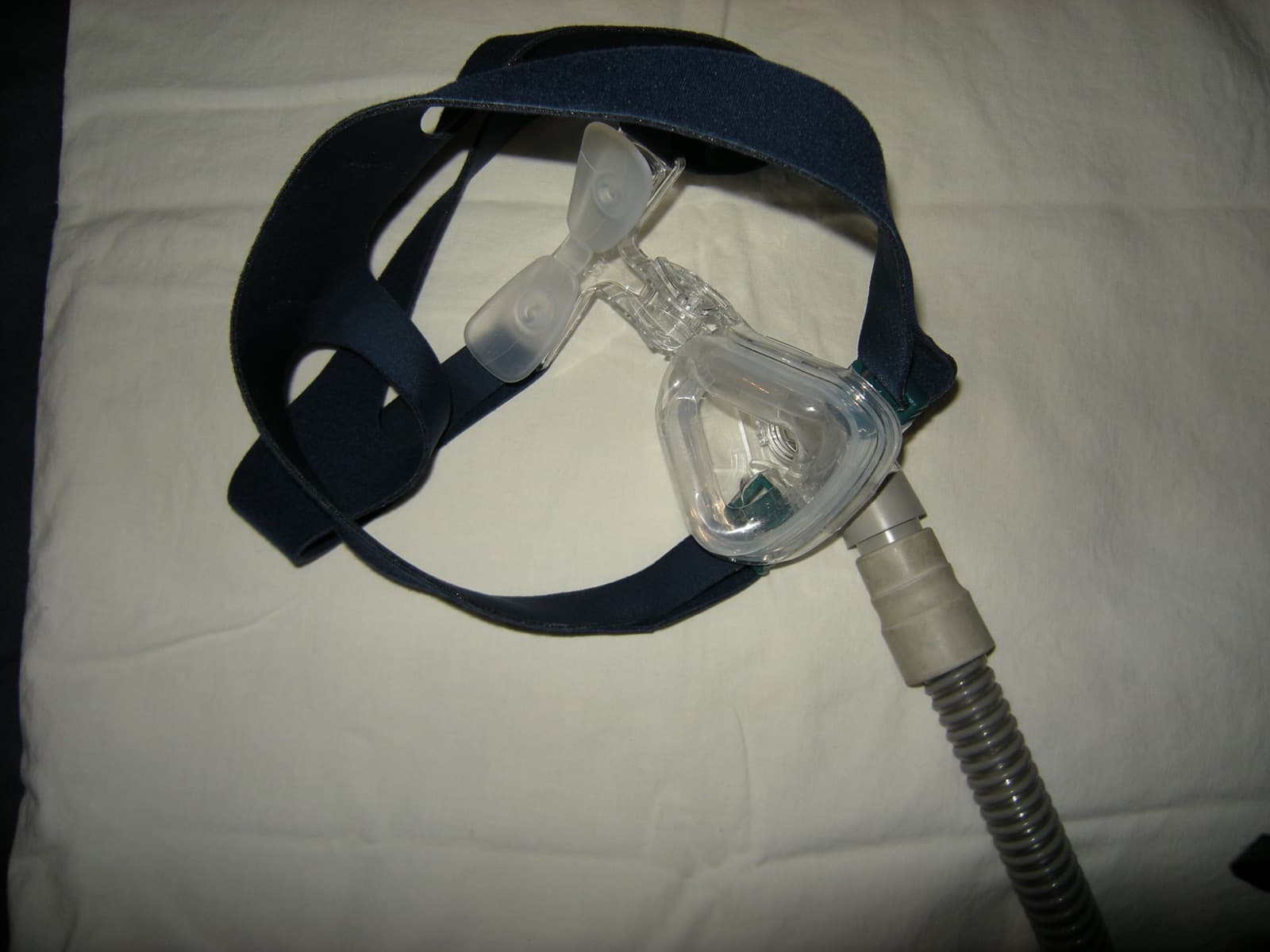
- CPAP (continuous positive airway pressure) remains the standard for moderate-to-severe apnea. A small machine blows gently pressurized air through a mask, holding the airway open like air in a balloon. Modern machines are quiet, and masks come in many styles. The first few weeks can be an adjustment, and plenty of people give up too soon. Working with your equipment provider to get the mask fit right makes an enormous difference.
- Oral appliances, custom-fitted by a dentist, hold the lower jaw slightly forward to keep the airway open. They're an option for mild-to-moderate apnea or for people who can't tolerate CPAP.
- Positional therapy helps people whose apnea occurs mostly when they sleep on their backs. This is more common than you'd think: in the Swiss study, about three-quarters of people with apnea had a positional component, and in roughly a third of them, the problem went away entirely when they weren't on their backs.
- Weight loss can reduce apnea severity substantially in people carrying extra weight. In December 2024, the FDA approved tirzepatide (sold as Zepbound) as the first medication for moderate-to-severe obstructive sleep apnea in adults with obesity, used alongside diet and physical activity. It works mainly through weight loss.
- Implanted devices that stimulate the nerve controlling the tongue are an option for some people with moderate-to-severe apnea who can't use CPAP.
If you take one action from this entire guide, make it this: if you snore loudly and feel tired during the day, get evaluated. Treating apnea is one of the few interventions that can genuinely transform how someone feels, sometimes within weeks.
Insomnia: when the problem is the sleeping itself
Insomnia means trouble falling asleep, staying asleep, or waking too early, despite having enough time and opportunity for sleep, with daytime consequences like fatigue, poor concentration, or irritability. When it happens at least three nights a week for three months or more, it's considered chronic insomnia disorder. It affects about 10% of adults, and more in older age groups.
Insomnia often starts with a trigger: a death in the family, a hospital stay, retirement, a move, a stretch of pain. The trigger passes, but the insomnia stays, because of the habits and thought patterns that grew up around it. You start going to bed earlier to "catch up." You lie in bed longer, hoping to recapture lost sleep. You start dreading bedtime. Each of these makes sense, and each makes the problem worse.
There's a highly effective treatment that doesn't involve pills, and it has its own section below.
Restless legs syndrome
Restless legs syndrome (RLS) is an uncomfortable urge to move your legs, often accompanied by crawling, tingling, or aching sensations, that's worse in the evening and at rest and temporarily relieved by moving. It can make falling asleep miserable. Many people with RLS also have periodic limb movements during sleep, repetitive kicks or jerks that fragment sleep without their knowledge.
Here's something many people (and some doctors) don't know: iron plays a central role. In 2024 the American Academy of Sleep Medicine updated its treatment guideline for RLS, and iron evaluation moved front and center. It recommends checking iron levels in everyone with clinically significant RLS and considering iron supplementation if ferritin (a measure of iron stores) is 75 ng/mL or below, or if transferrin saturation is under 20%. That threshold is higher than the cutoff often used to diagnose iron deficiency, so a lab report labeled "normal" may not be normal for someone with RLS.
The same guideline made a notable reversal. Dopamine-based drugs like pramipexole and ropinirole, once the standard first-line treatment, are no longer recommended for routine use because over time they can cause "augmentation," a worsening of symptoms. If you've been on one of these for years and your symptoms have been creeping earlier into the day or spreading to your arms, mention it to your doctor.
Please don't start iron supplements on your own without testing. Too much iron is harmful, and some people store it excessively.
Getting up to pee: nocturia
Waking two or more times a night to urinate is extremely common after 50, and in older adults it goes hand in hand with poorer, shorter sleep. Causes include an enlarged prostate, an overactive bladder, diuretic medications taken too late in the day, heart failure, diabetes, untreated sleep apnea, and simply drinking a lot in the evening.
Some useful moves: front-load your fluids earlier in the day and taper after dinner (without becoming dehydrated), take diuretics in the morning if your doctor agrees, cut back on evening alcohol and caffeine, and if your ankles swell during the day, try elevating your legs for an hour in the late afternoon so that fluid gets processed before bedtime rather than during the night. And because apnea can cause nocturia, frequent nighttime urination plus snoring is another reason to get tested.
Pain
Arthritis, back pain, shoulder problems, and neuropathy can all make it hard to find a comfortable position and stay asleep. Pain and poor sleep also feed each other: short sleep lowers pain tolerance, and pain fragments sleep. The bedroom section below has practical positioning ideas. If pain is regularly waking you, it's worth reviewing your pain management with your doctor, including the timing of any medications.
Medications
This is a big one for adults over 50, many of whom take several prescriptions. Some medications can disrupt sleep (certain blood pressure drugs, steroids, some antidepressants, decongestants, and diuretics taken late in the day). Others can cause daytime drowsiness that people mistake for poor sleep.
And then there are the sleep aids themselves. The American Geriatrics Society's Beers Criteria, a widely used list of medications that are potentially inappropriate for adults 65 and older, advises avoiding several common ones:
- First-generation antihistamines like diphenhydramine and doxylamine, the active ingredients in most "PM" products and many over-the-counter sleep aids. They have strong anticholinergic effects that can cause confusion, constipation, and urinary retention, and have been associated with falls and cognitive problems.
- Benzodiazepines like temazepam and triazolam, which raise the risk of falls, fractures, cognitive impairment, and car crashes in older adults.
- "Z-drugs" like zolpidem, eszopiclone, and zaleplon, which carry similar risks.
If you're taking any of these regularly, don't stop abruptly, since some can cause rebound insomnia or withdrawal effects. Talk to your doctor or pharmacist about whether there's a better option and how to taper safely.
Alcohol
A nightcap is one of the most common home remedies for sleep, and it's one of the worst. A review of 27 studies from the London Sleep Centre found that alcohol does help people fall asleep faster and sleep more deeply in the first part of the night. But in the second half of the night, as the body metabolizes it, sleep becomes more disrupted, and at moderate and higher doses, REM sleep is reduced. A 2025 meta-analysis in Sleep Medicine Reviews found that alcohol delayed the first REM period at every dose studied and cut total REM in a dose-dependent way.
Remember that REM is concentrated toward morning. That's exactly when alcohol's rebound hits. It's why so many people describe waking at 3 a.m. after a couple of glasses of wine, heart a little fast, unable to drift off again. Alcohol also relaxes the throat muscles, which can worsen snoring and apnea.
I'm not going to tell you never to have a glass of wine. But if you drink in the evening and your sleep is poor, a two-week experiment with no alcohol is one of the most informative things you can do. If you do drink, having it with dinner rather than right before bed gives your body more time to clear it.
Caffeine
We started with caffeine for a reason. In that Henry Ford study, the 400 mg dose (about two to three cups of brewed coffee) taken six hours before bed cut objectively measured sleep by more than an hour, and participants largely didn't notice. The authors concluded that substantial caffeine should be avoided for at least six hours before bed.

Six hours is a minimum, not a target. Caffeine's effects last longer in some people than others, and sensitivity can change with age and with certain medications. If you go to bed at 10 p.m., a 3 p.m. latte is closer to your bedtime than you might think. And remember that caffeine hides in tea, cola, energy drinks, chocolate, and some pain relievers.
When to see a doctor
Please talk to a healthcare professional if any of these apply:
- Loud snoring with pauses, gasps, or choking, or a partner who's worried about your breathing
- Falling asleep unintentionally during the day, especially while driving (if you're drowsy behind the wheel, pull over; this is a safety issue now, not a someday issue)
- Insomnia most nights for three months or more
- An irresistible urge to move your legs at night
- Acting out dreams physically, such as punching, kicking, or shouting during sleep (this can be a sign of REM sleep behavior disorder, which deserves evaluation)
- Persistent fatigue that doesn't improve with better sleep habits, especially with weight changes, shortness of breath, low mood, or other new symptoms
- Sleep problems that started with a new medication
The National Institute on Aging advises people who feel tired and unable to function well for more than a few weeks to see a healthcare professional. That's a reasonable rule of thumb.
Light Is the Lever Most People Ignore
If I could get every reader of this guide to change just one habit, it might be this one: get outside in daylight early in the day.
It sounds too simple to matter. But remember those aging eyes passing along less light every decade. Your internal clock sets itself mainly by light, and the timing matters enormously. Bright light in the morning nudges your clock earlier and strengthens its daily rhythm. Bright light late in the evening nudges it later and suppresses melatonin. The clock doesn't care about the time on your phone. It cares about what your retinas are telling it.
Most indoor environments are dim compared with outdoors. Your living room might feel perfectly bright to your conscious eyes, which adapt quickly, but to your circadian system, even an overcast morning outdoors delivers far more light than a typical lamp-lit room. Turner and Mainster, the ophthalmologists who studied aging eyes, put it bluntly: artificial lighting is dimmer and less blue-weighted than daylight, and it contributes to age-related losses in circadian light reception. They practiced what they preached. According to press coverage of their work, they installed skylights in their offices.
To use light deliberately, think in three time zones: morning, daytime, and evening.
In the morning: Get 20 to 30 minutes of outdoor light within an hour or two of waking. A walk is ideal because it stacks light exposure with movement, but drinking your coffee on the porch or reading on a bench works too. On gray days, stay out a little longer. You don't need to look at the sun (please don't). Just be outside with your eyes open. Sunglasses cut the signal, so leave them off for part of the time if it's comfortable and safe for your eyes.

If you live somewhere with dark winters, or getting outside isn't practical, a light therapy box can help. These are designed to deliver bright light at a safe distance while you eat breakfast or read. If you have an eye condition such as macular degeneration or glaucoma, or take a medication that increases light sensitivity, check with your eye doctor first. People with bipolar disorder should also talk to their doctor before using bright light therapy.
During the day: Work or sit near windows when you can. Take your breaks outside. Daylight later in the morning and around midday also helps build a strong, stable rhythm.
In the evening: Dim things down in the last couple of hours before bed. Switch from overhead lights to lamps. Warmer-toned bulbs are gentler on the clock than cool white ones.
What about screens? You've probably heard that the blue light from phones and tablets keeps you awake. The light is part of the story, but for most people, it's not the biggest part. A phone screen held at reading distance delivers relatively little light compared with room lighting or daylight. What screens are really good at is keeping your brain engaged. An exciting show, a news story that makes you angry, an email from work, a social media scroll that runs 45 minutes past when you meant to stop: those are the real problems. If you're going to use a screen in the evening, turn the brightness down, use night mode if you like it, and choose something calming over something activating.
If you wake at 4 a.m. and can't get back to sleep, your clock may have drifted too early, which is common with age. Counterintuitively, more bright light in the evening (a walk at dusk, brighter lights until a couple of hours before bed) and less bright light in the very early morning (keep it dim if you're up before dawn) can help nudge it later. If early waking persists and comes with low mood, also talk to your doctor, because early morning awakening can be a symptom of depression.
A consistent wake time beats a consistent bedtime
Most sleep advice says to go to bed at the same time every night. That's fine, but the more powerful anchor is waking up at the same time every morning, including weekends.
Here's why. You can't force yourself to fall asleep, but you can choose when you get up. A fixed wake time sets your clock, and it also builds sleep pressure predictably across the day, so you get sleepy at a more consistent hour. Sleeping in on Saturday to "catch up" is like flying a couple of time zones west and back every weekend. Sleep researchers even have a name for it: social jet lag.
This becomes especially important after retirement. Without a work schedule, many people's sleep drifts. Bedtimes slide later, wake times get irregular, naps creep in, and the whole rhythm gets mushy. If you've recently retired and your sleep has gotten worse, setting a fixed wake time might be the single most useful change you can make.
Pick a wake time you can keep seven days a week. Get up at that time even after a bad night. It's hard for the first week or two, and then it gets much easier.
Meals and your clock
Your internal clock doesn't just live in your brain. Organs like your liver and gut have their own clocks, and meal timing helps set them. Eating at roughly consistent times each day helps keep these clocks aligned with the master clock.
A few practical points:
- Try to finish your last substantial meal two to three hours before bed. Lying down on a full stomach can cause reflux, which is a common and underrecognized cause of nighttime waking after 50.
- Very large, rich, or spicy dinners are more likely to disrupt sleep.
- Going to bed genuinely hungry can also keep you awake. If dinner was early, a small snack is fine. (There's more on protein before bed in the training section.)
- Breakfast at a consistent time, ideally in daylight, adds another "it's morning" signal for your body.
The Bedroom, Rebuilt for Better Sleep
A good sleep environment won't fix apnea or chronic insomnia. But it removes friction, and after 50, when sleep is lighter and more easily disrupted, friction matters more than it used to.
Cool. Your core body temperature naturally drops in the evening as part of falling asleep. A cool room helps that happen. Many people do best somewhere in the 60s Fahrenheit, though the right number is whatever feels comfortably cool to you under your usual bedding. Breathable sheets and layered blankets let you adjust through the night. This is especially useful for women dealing with night sweats: moisture-wicking sleepwear, a fan by the bed, and layers that can be thrown off quickly all help. Sleep specialists often suggest a loose, quick-drying sleep shirt over heavy cotton for anyone who wakes up damp.
Dark. Even small amounts of light can register with your body. Blackout curtains or a comfortable sleep mask help, especially in summer or in cities. Cover or turn away glowing electronics. If you get up at night to use the bathroom, a dim, warm-colored nightlight at floor level gives you enough light to walk safely without flooding your eyes. This is a fall-prevention issue as much as a sleep issue. Never navigate to the bathroom in total darkness.
Quiet. Lighter sleep means you're more easily woken by noise. Earplugs or a white noise machine can mask traffic, a snoring partner, or a noisy furnace.
Comfortable for your joints. This is where sleep advice for younger people often misses the mark. If you have hip, knee, back, or shoulder issues, small positioning changes can make a big difference:
- Side sleepers with hip or knee pain: Put a pillow between your knees to keep your hips level and reduce strain.
- Back sleepers with low back pain: A pillow under your knees can take pressure off the lower spine.
- Shoulder pain: Avoid sleeping on the painful side. Hugging a pillow can stop you from rolling onto it and keep the top shoulder from collapsing forward.
- Mattress: There's no single "best" firmness. A mattress that's too soft can let your hips sink and strain your back. One that's too hard can create pressure points on hips and shoulders. If you wake up stiff and sore every morning and it improves within an hour of getting up, your mattress may be part of the problem.
- Reflux: Raising the head of the bed by a few inches (with blocks under the bed's legs or a wedge pillow, not just stacked pillows) can reduce nighttime heartburn.
The bed is for sleep. If you're dealing with insomnia, keep the bed for sleep and intimacy only. Not for watching TV, working, scrolling, or lying awake worrying. This sounds fussy, but it's based on one of the most effective parts of insomnia treatment, which we'll get to.
The partner question. Sleeping with a partner has many benefits, but a partner who snores, kicks, keeps different hours, or hogs the covers can wreck your sleep. Separate blankets (a common arrangement in much of Europe) solve the cover-stealing problem. Different schedules can be handled with a dim bedside light and a quiet routine. If your partner snores loudly, the most loving thing you can do might be to encourage them to get tested for apnea, which could improve both of your nights. And if, after trying everything, the two of you sleep better apart, sleeping in separate rooms is not a sign of a failing relationship. Plenty of happy couples do it. Some call it a "sleep divorce," which I think is unfortunate branding for something that can make a marriage better.
Pets. I know. But if your dog or cat sleeps on the bed and you wake frequently, it's worth an honest look.
A Wind-Down Routine That Actually Works
Your body can't go from full speed to asleep in five minutes. The last hour before bed is a transition zone, and how you spend it matters.
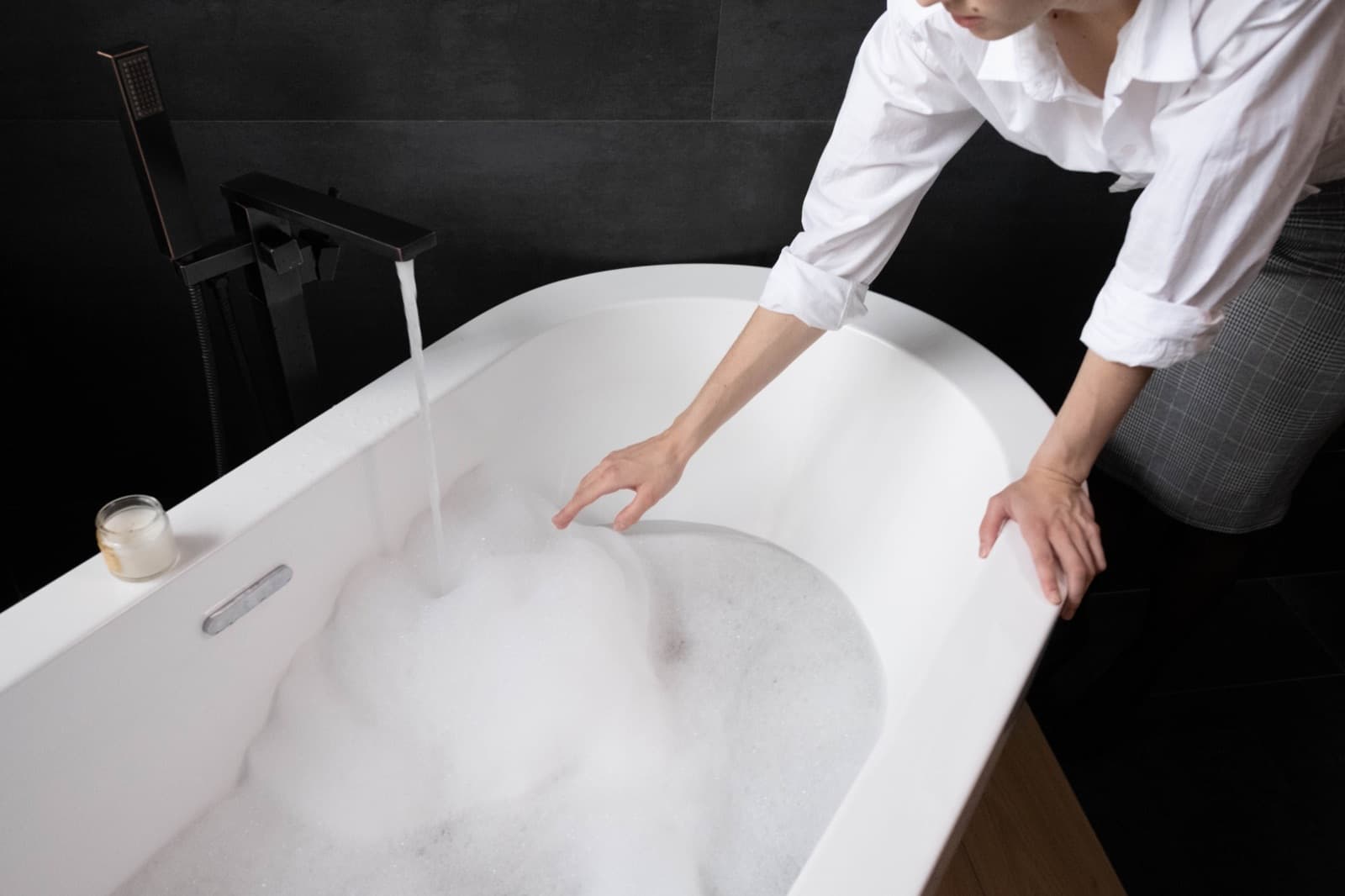
The warm bath trick. This one has better evidence than most bedtime rituals. A team at the University of Texas at Austin pooled the results of 17 studies on warm baths and showers before bed. A bath or shower at about 104 to 109°F (40 to 42.5°C), taken one to two hours before bedtime, was associated with better sleep quality and falling asleep faster, by about 10 minutes on average. Even ten minutes in the water seemed to help.
The mechanism is a little counterintuitive. The warm water brings blood to the surface of your skin, especially in your hands and feet. When you get out, that heat radiates away and your core temperature drops, which is exactly the signal your body uses to prepare for sleep. Timing matters: a hot bath right before bed is too soon. Aim for one to two hours before.
A safety note: very hot baths can lower blood pressure and cause dizziness when you stand up. If you have heart disease, low blood pressure, diabetes with reduced sensation in your feet, or balance problems, use warm rather than hot water, get out slowly, and consider grab bars. A warm foot soak is a gentler alternative.
Light and pace. Dim the lights, as above. Shift to quieter activities. Reading a paper book, gentle stretching, listening to music, a puzzle, a conversation. You know what calms you down. The point is to signal to your brain that the day is closing.
Park your worries. If your mind races at night, try what some sleep therapists call a "worry period" or "constructive worry," done earlier in the evening, not in bed. Take ten minutes after dinner and write down whatever is on your mind, along with one possible next step for each item, even if the next step is "decide on Thursday." It sounds too simple, but writing things down gives your brain permission to stop rehearsing them. Keep a notepad by the bed too, so if something pops up at midnight you can jot it down and let it go.
Relaxation techniques. The American Academy of Sleep Medicine's 2021 guideline on behavioral treatments for chronic insomnia includes relaxation therapy as one of its suggested approaches. Options include progressive muscle relaxation (tensing and then releasing each muscle group, working from your feet to your face), slow breathing (for example, breathing out for longer than you breathe in), and body scan meditations. None of these work like a switch. They work like a dimmer, and they work better with practice.
What to skip. A heavy meal, vigorous arguments, work email, the news, alcohol as a sleep aid, and checking the clock. Turn the clock away from the bed. Watching the minutes tick by is guaranteed to make you more anxious about not sleeping.
CBT-I: The Best Insomnia Treatment Most People Never Get
If you have chronic insomnia, this section matters more than any supplement, gadget, or pill.
Cognitive behavioral therapy for insomnia, usually shortened to CBT-I, is a structured, short-term treatment that targets the thoughts and habits that keep insomnia going. In 2021, the American Academy of Sleep Medicine issued a strong recommendation, its highest level, for multicomponent CBT-I as treatment for chronic insomnia in adults. Its earlier guideline on medications makes the same point from the other direction: sleep medications should be considered mainly for people who can't do CBT-I, who still have symptoms after it, or who need a temporary bridge.
It typically involves four to eight sessions over one to two months. It works for people with and without other medical or psychiatric conditions. And in contrast to sleeping pills, its benefits tend to last after treatment ends.
What's in it? Several components, used together.
Sleep education. Understanding how sleep pressure and the circadian clock work, which you already have a head start on.
Stimulus control. This retrains your brain to associate bed with sleep rather than with frustration. The core rules:
- Go to bed only when you feel sleepy (not just tired, but actually sleepy, with heavy eyelids and nodding head).
- Use the bed only for sleep and intimacy.
- If you can't fall asleep within what feels like 15 to 20 minutes (don't watch the clock, just estimate), get up, go to another room, and do something quiet and dull in dim light until you feel sleepy again. Then go back to bed. Repeat as needed.
- Get up at the same time every morning, no matter how little you slept.
- Avoid daytime naps, at least while you're establishing the new pattern.
The first week can be rough. You might spend a fair amount of time getting up and down. But it works, because it breaks the link between bed and wakefulness.
Sleep restriction (more accurately, sleep scheduling). This one sounds backward, which is why it's best done with guidance. People with insomnia often spend far more time in bed than they spend asleep, trying to catch whatever sleep they can. That spreads sleep thin and makes it lighter and more broken. Sleep restriction temporarily limits your time in bed to roughly the amount you're actually sleeping (though usually not less than about five and a half hours), which builds sleep pressure and consolidates sleep. As your sleep becomes more efficient, you gradually extend your time in bed by 15 to 30 minutes at a time.
It's remarkably effective. It's also temporarily tiring. Don't try sleep restriction on your own if you have a seizure disorder, bipolar disorder, untreated sleep apnea, a history of falls, or a job or daily routine where drowsiness could be dangerous, including significant driving. For most people, it's best done with a clinician or a structured program.
Cognitive work. This addresses the beliefs and worries that keep the brain revved up at night. Thoughts like "If I don't get eight hours, tomorrow will be a disaster," or "I'll never sleep normally again," or "I have to try harder to sleep." Sleep is one of the few things in life where trying harder makes it worse. CBT-I helps you notice these thoughts and replace them with more accurate, less catastrophic ones. A common, helpful reframe: one bad night is unpleasant, but you've survived hundreds of them, and your body will make up some of the deficit by sleeping more deeply the next night.
It is not external events that disturb people, but their judgments about them.
That's the cognitive part of CBT-I in a single sentence, written about 1,900 years early. Lying awake at 2 a.m. is the event. "Tomorrow is ruined" is the judgment, and the judgment is usually what keeps you awake.
Sleep hygiene on its own isn't enough. Interestingly, the same AASM guideline that strongly endorses CBT-I specifically recommends against using sleep hygiene education (the familiar list of tips about caffeine, screens, and bedroom setup) as a standalone treatment for chronic insomnia. The habits matter, but for true chronic insomnia they're not sufficient by themselves. That's not a reason to ignore them. It's a reason to go further.
How to get CBT-I
- A trained therapist. Look for a psychologist or other clinician trained in behavioral sleep medicine. Ask your doctor or a local sleep center for a referral.
- Digital programs. Several app- and web-based CBT-I programs have been tested in clinical trials. One free option is CBT-i Coach, an app developed by the U.S. Department of Veterans Affairs, which is available to anyone.
- Books and workbooks. Self-guided CBT-I workbooks can help, especially combined with a sleep diary.
What about tai chi?
If CBT-I doesn't appeal to you, or you want something alongside it, tai chi has some interesting evidence. In a trial published in The BMJ in late 2025, researchers in Hong Kong randomly assigned 200 middle-aged and older adults with chronic insomnia to either group tai chi or group CBT-I, twice a week for three months. At the end of the three months, CBT-I worked better. But a year later, at the 15-month mark, tai chi had essentially caught up. The authors concluded that tai chi is a reasonable alternative for long-term management of chronic insomnia in middle-aged and older adults.
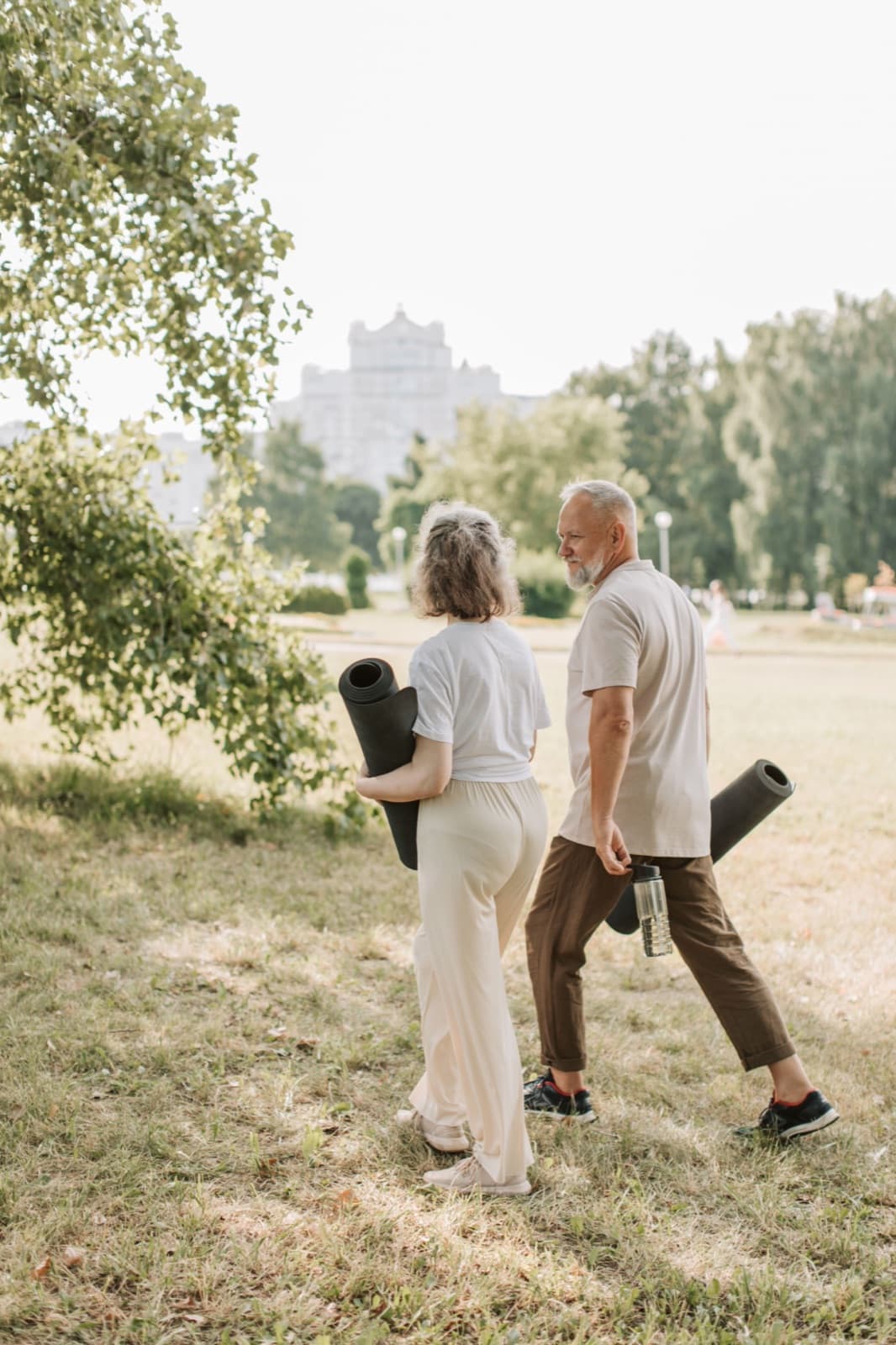
An earlier trial in Los Angeles found CBT-I was better than tai chi at producing actual remission from insomnia in older adults, though tai chi still improved sleep quality, fatigue, and mood compared with a sleep education class. So CBT-I is still the first choice. But tai chi brings benefits for balance, strength, and mood as well, and if it's something you'll actually do, that counts for a lot.
Naps: Secret Weapon or Warning Sign?
A good nap can be a gift. A habitual long nap can be a clue that something is wrong. The difference is mostly in the details.
The American Academy of Sleep Medicine suggests that healthy adults keep naps to 20 to 30 minutes in the early afternoon. That's long enough to refresh you and short enough that you don't fall into deep sleep, which is what causes that groggy, worse-than-before feeling (sleep inertia) after a long nap. An early-afternoon nap also leaves plenty of time to rebuild sleep pressure before bedtime.
Know when to stop and you avoid danger.
It's good advice for a nap, and for a surprising amount of this guide: the second glass of wine, the 4 p.m. coffee, the extra hour in bed trying to win back lost sleep. The benefit is in the first part. The trouble starts when you don't stop.
The research on longer naps in older adults is mostly observational, but it's consistent enough to take seriously. A study presented at the SLEEP 2025 meeting, using wrist monitors to measure actual napping in middle-aged and older adults, found that longer daytime sleep, more irregular napping, and more napping around midday were associated with a higher risk of death over the follow-up period, even after accounting for nighttime sleep and other health factors. A 2026 study from Mass General Brigham and Rush University, which tracked 1,338 adults aged 56 and older with activity monitors, found that each additional hour of daytime napping was associated with a 13% higher mortality risk, and that people who tended to nap in the morning had a 30% higher risk than afternoon nappers.
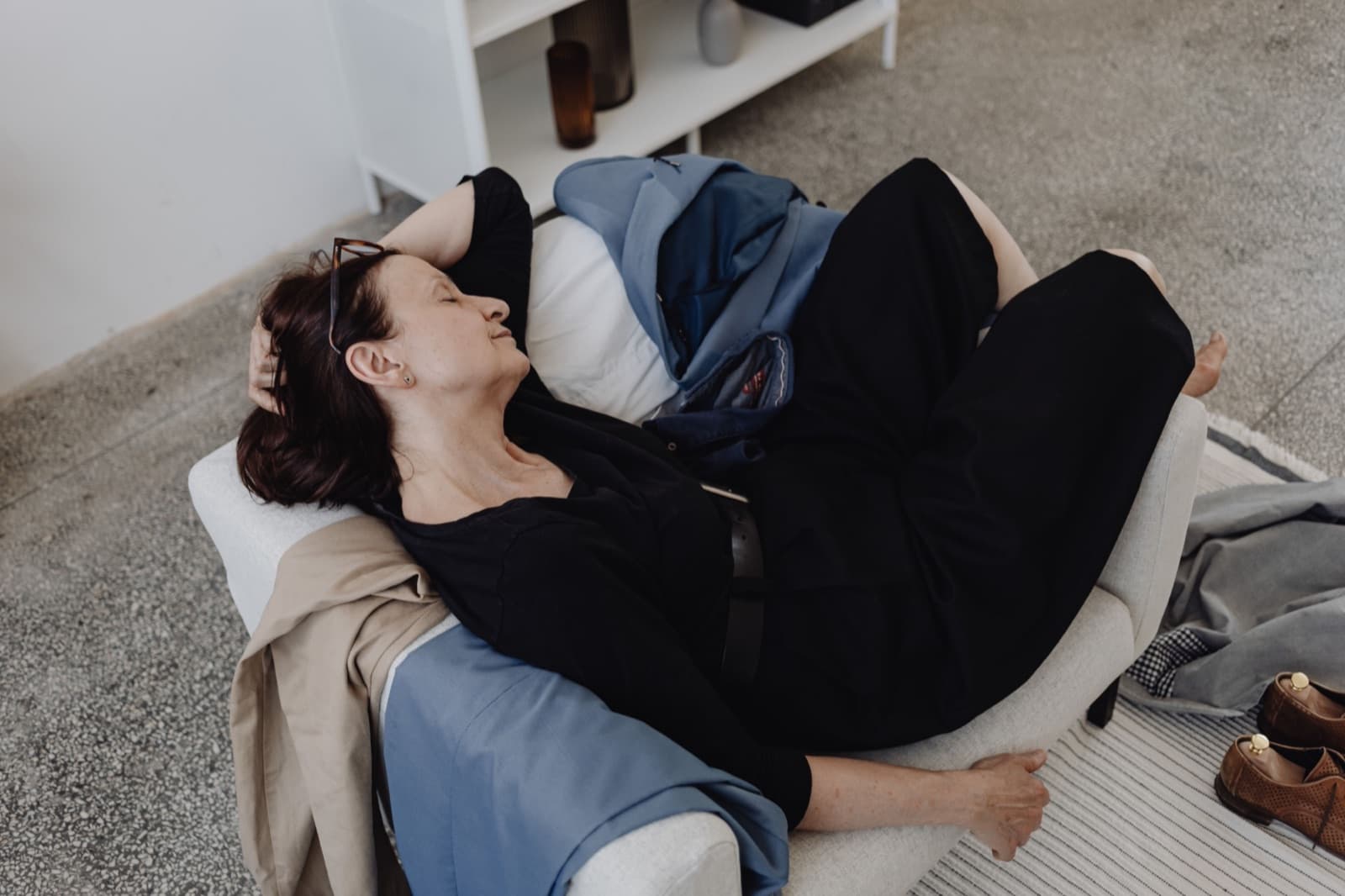
That doesn't mean naps are dangerous. It means that a growing need for long, frequent, or morning naps is often a signal of something else: poor nighttime sleep, untreated apnea, depression, a medication effect, or an underlying illness. If you find yourself needing more and more daytime sleep, treat it as information and mention it to your doctor.
A practical approach to napping:
- If you nap, keep it to 20 to 30 minutes, ideally before about 3 p.m.
- Set an alarm.
- Napping sitting up, or in a recliner rather than in bed, can help keep it short.
- If you have insomnia, skip naps for a few weeks while you rebuild your nighttime sleep.
- Watch out for the evening "accidental nap" in front of the TV. Dozing off at 8:30 p.m. bleeds off sleep pressure and can leave you wide awake at bedtime. If this happens a lot, get up and move around after dinner, sit in a less comfortable chair, or make the room brighter in the early evening.
- Some people like a "coffee nap": a cup of coffee drunk right before a 20-minute nap, so the caffeine kicks in as you wake. It works for some. Just keep it early in the day.
Energy Isn't Only About Sleep
Sometimes people fix their sleep and still feel tired. That's worth taking seriously, because fatigue has many causes, and some of them are easy to miss if you assume it's all about the night.
Is it sleepiness or fatigue?
These feel similar but point in different directions. Sleepiness is the tendency to fall asleep: heavy eyelids, nodding off while reading, struggling to stay awake on a long drive. It usually points toward not enough sleep or poor-quality sleep, like apnea. Fatigue is a lack of energy or a sense of exhaustion without necessarily feeling like you could fall asleep. You feel drained, heavy, unmotivated, but if you lay down, you wouldn't drift off.
Fatigue without sleepiness has a long list of possible causes, and many are common after 50:
- Anemia (low red blood cells or hemoglobin), which can come from iron deficiency, blood loss, kidney disease, or low B12
- Thyroid problems, especially an underactive thyroid
- Vitamin B12 deficiency, which is more common with age and with some medications, including metformin and long-term acid reducers
- Depression, which often shows up as low energy and poor sleep rather than obvious sadness
- Medication side effects, including some blood pressure drugs, antihistamines, and pain medications
- Low testosterone in men, or the hormonal changes of menopause in women
- Diabetes or poorly controlled blood sugar
- Heart, lung, or kidney disease
- Deconditioning, which is a polite medical word for being out of shape; the less you move, the more tiring everyday activity becomes
- Dehydration, especially for people who cut back on fluids to avoid nighttime bathroom trips
If you've cleaned up your sleep habits for a few weeks and still feel worn out, ask your doctor about basic blood work. A complete blood count, thyroid test, B12, and a metabolic panel are reasonable starting points, and your doctor may add others depending on your situation.
Working with your daily energy curve
Even with perfect sleep, energy isn't flat across the day. Most people have a natural dip in the early-to-mid afternoon, driven by the circadian clock, not just by lunch. Knowing this lets you plan around it rather than fight it.
Put demanding tasks in your peak hours. For many people over 50, especially those whose clocks have drifted earlier, mornings are sharpest. Schedule hard thinking, difficult conversations, and important decisions then if you can.
Use movement to break the slump. A 10-minute walk, especially outside in daylight, often does more for afternoon energy than another coffee. "Movement snacks," short bursts of activity scattered through the day (a few sets of stairs, a minute of sit-to-stands from your chair, a lap around the block), help with energy, blood sugar, and joint stiffness. If you spend long stretches sitting, getting up every 30 to 60 minutes is a good habit for lots of reasons.

Eat for steady energy. Big swings in blood sugar can leave you sluggish. Meals built around protein, fiber, and vegetables, with some healthy fat, tend to produce steadier energy than meals heavy in refined carbohydrates. A big plate of pasta at lunch is a classic recipe for a 2 p.m. crash.
Drink enough, at the right times. Mild dehydration can cause fatigue and headaches. The trick for people with nocturia is to drink more earlier and taper in the evening, rather than drinking less overall.
Be strategic with caffeine. Caffeine is a useful tool. It improves alertness, reaction time, and exercise performance. The key is timing and dose. Many people do well with caffeine in the morning and a firm cutoff in the early afternoon, though the right cutoff for you depends on your bedtime and your sensitivity. If you're struggling with sleep, try moving your last caffeine earlier by a couple of hours for two weeks and see what happens. Also notice whether caffeine is masking a sleep problem. If you need three cups to feel human, the coffee isn't the issue. The sleep is.
Training and Sleep: A Two-Way Street
For readers who train, this is where the threads come together. Exercise improves sleep. Sleep improves the results of exercise. And when either one breaks down, the other usually follows.
You eat every day, you sleep every day, and your body was made to exercise every day.
LaLanne treated eating, sleeping, and exercising as daily non-negotiables, and he put sleep in the same breath as the other two. That's roughly where it belongs for anyone who trains after 50.
Exercise is one of the best sleep aids there is
Regular exercise generally helps people fall asleep faster, sleep more deeply, and wake less during the night. It also helps regulate the circadian rhythm, especially when done outdoors in daylight, and reduces anxiety and depression, both of which wreck sleep.
There's growing interest in which kind of exercise helps most. In 2022, researchers at Iowa State University presented findings from a year-long trial of 386 adults who were overweight or had obesity and weren't previously active. Participants were randomly assigned to resistance training, aerobic training, a combination, or no exercise, with supervised 60-minute sessions three times a week. Among participants who weren't getting at least seven hours of sleep at the start, those in the resistance-only group added about 40 minutes of sleep per night on average, compared with about 23 minutes in the aerobic group and smaller gains in the others. Sleep efficiency improved in the resistance and combined groups.

A few caveats: this was a conference presentation at the time, sleep was self-reported, and the participants weren't specifically older adults. It doesn't prove that lifting weights beats walking for sleep. But it's a nice piece of evidence for something many lifters already suspect, and it's one more reason, on top of muscle, bone, and metabolic health, to make strength training a regular part of your week.
The practical message isn't "do resistance training instead of cardio." It's that both help, and if you're only doing one, adding the other might help your sleep too.
Does evening exercise ruin your sleep?
For most people, no. This is one of the most persistent pieces of outdated advice. A 2019 meta-analysis from ETH Zurich, led by Jan Stutz, pooled 23 studies on evening exercise and sleep in healthy adults. Overall, evening exercise didn't harm sleep. If anything, people spent slightly more time in deep sleep after exercising in the evening. The one possible exception was vigorous exercise ending within an hour of bedtime, which may delay sleep onset. Even that conclusion was based on limited data.
So if the only time you can get to the gym or your exercise class is after work, go. A moderate session in the early evening is fine for most people. If you're doing a hard interval session or an intense game, try to finish at least an hour or two before bed, and notice how you sleep. Individual responses vary. If you sleep worse after evening workouts, experiment with moving them earlier.
Morning exercise has its own advantages, especially outdoors. It stacks bright light exposure on top of activity, which gives your circadian clock a strong double signal. If you struggle with falling asleep at night, morning outdoor exercise is a smart choice.
What happens to recovery when sleep goes bad
Remember the Lamon study: one night without sleep reduced muscle protein synthesis by 18% in young adults. And the Spiegel study: a week of short sleep impaired glucose tolerance. Both point to the same idea. Training is the stimulus, but adaptation happens during recovery, and sleep is a major part of recovery.
Poor sleep can also affect how you train in the first place. Short sleep tends to make workouts feel harder at the same intensity, reduce motivation, slow reaction time, and possibly increase injury risk through fatigue and lapses in attention.

This doesn't mean one bad night ruins your progress. The body is resilient, and a single short night is mostly a short-term problem. Chronic short or poor sleep is what adds up.
A simple way to train around bad sleep
Here's a practical approach I like, which you can adapt. It's not from a specific study; it's a commonsense framework that many coaches use in some form.
Green light (slept reasonably well, feel normal): Train as planned.
Yellow light (one rough night, feel a bit flat): Do your planned session, but keep it moderate. Reduce the number of hard sets by a third or so, skip any attempts at personal records, and stop a rep or two shy of failure. Do your warm-up, see how you feel, and adjust. Often you'll feel better once you get moving. Sometimes you won't.
Red light (several bad nights, feel genuinely exhausted, or ill): Swap the hard session for something easy: a walk, gentle mobility work, an easy bike ride. This is not quitting. This is protecting the next two weeks of training.
The common thread: when sleep is poor, keep moving but lower the intensity. Light-to-moderate activity actually tends to help sleep the next night. Pushing through a brutal session on no sleep usually doesn't.
Protein before bed: an idea with real evidence behind it
This one is particularly relevant for adults over 50. With age, muscles become less responsive to the protein we eat, a phenomenon researchers call anabolic resistance. One strategy that's been studied specifically in older adults is having protein before bed.
In a 2017 trial at Maastricht University, 48 healthy older men (average age about 72) drank 40 grams of casein protein, 20 grams, 20 grams plus a little extra leucine, or a placebo before sleep. The 40-gram dose increased overnight muscle protein synthesis compared with placebo. The protein was properly digested and absorbed overnight. In an earlier study from the same group, older men who did a resistance training session in the evening and then had 40 grams of protein before bed had overnight muscle-building rates about 31% higher than those who had protein without exercising. The group's research also hasn't shown that pre-sleep protein harms sleep onset or next-morning appetite.

How to use this:
- If you train in the evening, or your overall protein intake is on the low side, a protein-rich snack before bed is a reasonable strategy.
- Casein is a slow-digesting milk protein, which is why it's been used in these studies. Cottage cheese and Greek yogurt are casein-rich whole-food options. A cup of cottage cheese or a large serving of Greek yogurt can provide roughly 20 to 25 grams of protein. A casein protein shake is another option.
- Total daily protein matters more than timing. If you're already eating plenty of protein spread across your meals, a bedtime snack is a nice extra, not a necessity.
- If you have kidney disease, check with your doctor before significantly increasing your protein intake.
- If reflux is a problem for you, a large snack right before lying down may not be your friend. Have it an hour or so before bed instead.
Specific situations
Evening classes. Group classes that run late are great for social connection and consistency. If an evening class leaves you wired, try a longer cool-down, a warm shower afterward, and a calm routine when you get home. If you're consistently not sleeping on class nights, see whether there's an earlier time slot.
Shift work. If you work nights or rotating shifts, sleep is harder, full stop. Keep your sleep period as consistent as possible, make your bedroom as dark as possible during the day, wear sunglasses on the drive home after a night shift to limit morning light, and protect your sleep time from interruptions. Talk to your doctor about your specific schedule, because there's more to it than can fit here.
Travel and jet lag. Jet lag is your clock lagging behind your new location. Light is your best tool for fixing it. Generally, after flying east, seek morning light and avoid late-evening light at your destination; after flying west, seek afternoon and evening light. Get onto local meal times quickly. Exercise outdoors in daylight if you can. Melatonin taken at the right time can help some people adjust after eastward travel (more on melatonin below). Plan easier workouts for the first few days after crossing several time zones.
Coming back from illness or surgery. Sleep needs often go up when you're recovering. Allow more rest than usual, return to training gradually, and don't be alarmed if your sleep is disrupted for a while, especially after a hospital stay, which is notoriously bad for sleep.
Nutrition, Supplements, and What Actually Helps
Supplements for sleep are a huge industry, and the evidence behind most of them is thin. Here's an honest look at the main ones, plus a few medications you should know about.
Melatonin: useful for timing, not much of a sleeping pill
Melatonin is the most popular sleep supplement in the United States. It's also widely misunderstood.
Melatonin is a timing signal, not a sedative. It tells your body "it's night," and in the right dose at the right time, it can shift your circadian clock. That makes it genuinely useful for some circadian problems, like jet lag after eastward travel or delayed sleep phase, where your clock runs late.
For chronic insomnia, though, the evidence is weak. The American Academy of Sleep Medicine's 2017 guideline on medications for chronic insomnia suggested that clinicians not use melatonin to treat it, because the benefit was small and the evidence was low-quality.
There are also quality issues. In 2023, researchers led by Pieter Cohen analyzed 25 melatonin gummy products sold in the U.S. and published the results in JAMA. Twenty-two of them were inaccurately labeled. The amount of melatonin ranged from 74% to 347% of what was on the label. One product contained no melatonin at all, just CBD. In the U.S., melatonin is sold as a dietary supplement, which means it isn't regulated the way medications are.
And there's a newer safety question. At the American Heart Association's Scientific Sessions in November 2025, researchers presented an analysis of health records from about 130,000 adults with insomnia (average age around 56). People with records of melatonin use for a year or more had about a 90% higher rate of new heart failure diagnoses over five years compared with matched non-users (4.6% versus 2.7%). This was a preliminary, observational study. It identified melatonin users through prescription records, which may have missed over-the-counter use, and it can't prove that melatonin caused anything. Sleep specialists who commented on it cautioned against overreacting. But it's a reason not to treat melatonin as something you take every night indefinitely without a clear reason.
If you do use melatonin:
- Talk to your doctor first, especially if you take blood thinners, blood pressure medications, diabetes medications, or immune-suppressing drugs.
- More is not better. Doses studied for circadian shifting are often much lower than the 5 or 10 mg commonly sold. Ask your doctor or pharmacist about an appropriate dose.
- Timing matters more than dose. For shifting your clock, it's usually taken a few hours before your intended bedtime, not at lights-out.
- Look for products with third-party testing seals (such as USP Verified) for some assurance of quality.
- Use it for a specific purpose and a limited time, not as a permanent nightly habit.
Magnesium: cheap, generally safe, and modestly promising
Magnesium is involved in hundreds of processes in the body, including nerve and muscle function. Older adults are more likely to fall short of recommended intakes. A 2021 systematic review by Jasmine Mah and Tyler Pitre looked at randomized trials of magnesium for insomnia in older adults and found three, covering 151 people. Pooled together, people taking magnesium fell asleep about 17 minutes faster than those on placebo. Total sleep time improved slightly but not significantly. The authors were frank: all three trials had moderate-to-high risk of bias, and the evidence was low to very low quality.
So: possibly helpful, especially if your diet is low in magnesium, but not proven. The best approach is food first. Leafy greens, nuts, seeds, beans, whole grains, and fish are good sources. If you want to try a supplement, talk to your doctor first, particularly if you have kidney disease (magnesium can build up to dangerous levels when the kidneys don't clear it well) or take antibiotics, bisphosphonates for bone health, or diuretics, which can interact with it. Too much supplemental magnesium also commonly causes diarrhea.
Other supplements
- Valerian: The AASM's 2017 guideline suggested against it for chronic insomnia, given weak evidence.
- L-tryptophan: Also suggested against in the same guideline.
- Diphenhydramine and doxylamine (in "PM" products): Not recommended by the AASM for chronic insomnia, and on the Beers list of medications to avoid in older adults. These are probably the over-the-counter sleep aids I'd most like readers over 65 to reconsider.
- CBD, tart cherry, ashwagandha, and others: Evidence is limited, mixed, or of low quality. Some people report benefits. If you try something, try it for a defined period, track your sleep, and be honest about whether it's actually helping. And tell your doctor or pharmacist, because "natural" doesn't mean free of interactions.
Prescription options
If insomnia persists despite CBT-I, or CBT-I isn't accessible, there are prescription options. The AASM's guideline gave weak recommendations for several, including suvorexant (from a newer class called orexin receptor antagonists, which work by dampening wake-promoting signals rather than sedating the whole brain), low-dose doxepin for trouble staying asleep, and ramelteon for trouble falling asleep. Newer drugs in the orexin class have been approved since that guideline was written.
For older adults, though, the Beers Criteria advise avoiding benzodiazepines and the Z-drugs (zolpidem, eszopiclone, zaleplon) because of increased risks of falls, fractures, confusion, and accidents. If a sleep medication is right for you, the choice of which one matters a great deal at our age. Have a detailed conversation with your doctor about the options, their risks, and how long you're expected to take them.
Food and sleep
There's no magic sleep food. But overall diet seems to matter more than any single item.

- A Mediterranean-style pattern, rich in vegetables, fruits, whole grains, legumes, nuts, olive oil, and fish, is consistently associated with better health outcomes and is a sensible foundation for sleep, too.
- Avoid very large, rich, or spicy meals close to bedtime.
- Watch hidden caffeine in tea, cola, chocolate, and some medications.
- Be honest about alcohol.
- If you get up at night to urinate, taper fluids in the evening rather than cutting them overall.
- A modest protein-rich snack before bed is fine and may help if you train (see above).
Tracking Your Sleep Without Losing Your Mind
Sleep trackers, rings, and smartwatches are everywhere, and they can be useful. They can also backfire.
In 2017, sleep psychologist Kelly Glazer Baron and colleagues described a pattern they were seeing in their clinic: patients who had become so preoccupied with their tracker data that their sleep got worse. They called it "orthosomnia," from the Greek for "correct sleep," a perfectionist pursuit of the ideal sleep score. Some of these patients started spending more time in bed to boost their numbers, which is exactly the opposite of what helps insomnia.
Part of the problem is accuracy. Consumer devices are reasonably good at estimating roughly when you're asleep and how long you slept, but they're much less reliable at distinguishing between sleep stages. Your "deep sleep" number is an estimate, not a measurement. And they're not designed to diagnose sleep apnea, even if some now flag possible breathing disturbances.
How to use a tracker well:
- Look at trends over weeks, not individual nights.
- Use it to test changes. Does your sleep look better on days you walk outside in the morning? On nights without alcohol? After you moved your caffeine cutoff?
- Pay more attention to how you feel during the day than to your score.
- If checking your score each morning makes you anxious, put the tracker away for a few weeks. Your sleep existed before the app did.
- If your device suggests breathing disturbances or very fragmented sleep, take that as a reason to talk to your doctor, not a diagnosis.
A low-tech alternative: the sleep diary. For two weeks, jot down each morning roughly when you went to bed, how long it took to fall asleep, how many times you woke and for how long, when you got up, and how rested you feel on a scale of 1 to 5. Add notes on caffeine, alcohol, exercise, and naps. It takes two minutes a day, and it's the same tool sleep clinicians use. If you end up seeing a sleep specialist, bring it with you.
A Composite Case: What Change Can Look Like
To show how these pieces fit together, here's a hypothetical example. It's a composite, not a real person, but the pattern is a common one.
Imagine a 58-year-old named Mark who lifts weights three times a week and walks on the weekends. Over a couple of years, his workouts have started feeling flat. He's stalled on his lifts. He wakes up groggy, needs two coffees to get going and another at 3 p.m., and often dozes off in his recliner by 9. His wife says his snoring has gotten "epic." He chalks it all up to age.
His STOP-Bang score is five: snoring, tiredness, high blood pressure, age over 50, and male. His doctor orders a home sleep test, which shows moderate obstructive sleep apnea, worse when he's on his back.
He starts CPAP. The first two weeks are awkward; he switches masks once. He also makes a few other changes: he moves his workout coffee earlier, drops the 3 p.m. cup, takes his morning walk outside instead of on the basement treadmill, keeps a fixed 6:30 a.m. wake time, and limits wine to a glass with dinner a few nights a week.
Within a month or two, a person in Mark's situation might reasonably expect to wake up clearer, stop dozing in the evening, and find that his workouts feel like his own again. Not every case resolves this neatly, and CPAP isn't easy for everyone. But the point is this: what looked like "getting older" was mostly a treatable condition plus a handful of habits working against him.
Knowing is not enough; we must apply. Willing is not enough; we must do.
By now you know more about sleep after 50 than most people ever will. The next section is about the second half of Lee's line: what to actually do, week by week.
An Eight-Week Plan to Put It All Together
You don't need to change everything at once. In fact, you shouldn't. Pick a starting point, build one layer at a time, and give each change a couple of weeks to show its effect. Sleep responds to consistency more than intensity.
Before you start, retake the quick self-check from the beginning of this guide, and if any red flags apply (loud snoring with daytime sleepiness, insomnia for months, restless legs, acting out dreams), book that doctor's appointment now. You can work on habits while you wait.
Weeks 1 and 2: Set the anchors
- Choose a fixed wake time and keep it seven days a week, within about 30 minutes. This is the foundation for everything else.
- Get outside in daylight for at least 20 minutes within two hours of waking.
- Start a simple sleep diary (or start paying attention to your tracker's trends, not its nightly verdicts).
- Set a caffeine cutoff at least eight hours before your usual bedtime. For a 10 p.m. bedtime, that's 2 p.m.
- Turn the bedroom clock away from the bed.
Weeks 3 and 4: Clean up the evening
- Build a 45- to 60-minute wind-down before bed: dim lights, quiet activities, no work email.
- Try the warm bath or shower one to two hours before bed, a few nights a week.
- Run a two-week alcohol experiment. If you drink in the evening, try two weeks without it and compare your diary.
- Fix the bedroom. Cooler, darker, quieter. Address joint comfort with pillows. Add a dim nightlight for bathroom trips.
- Keep naps short and early, or skip them if you're struggling to fall asleep at night.
Weeks 5 and 6: Integrate movement and food
- Make sure you're doing some strength training at least twice a week, plus regular aerobic activity. If you're already training, keep going. If you're just starting, begin with simple bodyweight or light resistance exercises and walking, and check with your doctor if you have heart disease or other health conditions.
- Use the green/yellow/red approach to adjust your training to how you slept.
- Move your last substantial meal to two or three hours before bed.
- Consider a protein-rich bedtime snack if you train in the evening or your protein intake is low.
- Add movement snacks during the day to break up long sitting and blunt the afternoon slump.
Weeks 7 and 8: Troubleshoot and personalize
- Review your diary. What helped most? What didn't matter?
- If you still struggle with insomnia, start a structured CBT-I program, with a therapist or a reputable digital program like the free CBT-i Coach app.
- If you still feel tired despite better sleep, see your doctor about fatigue causes like anemia, thyroid, B12, depression, or medication effects.
- If apnea is suspected and you haven't been tested yet, don't keep putting it off.
- Retake the self-check and compare.
If you're already sleeping well
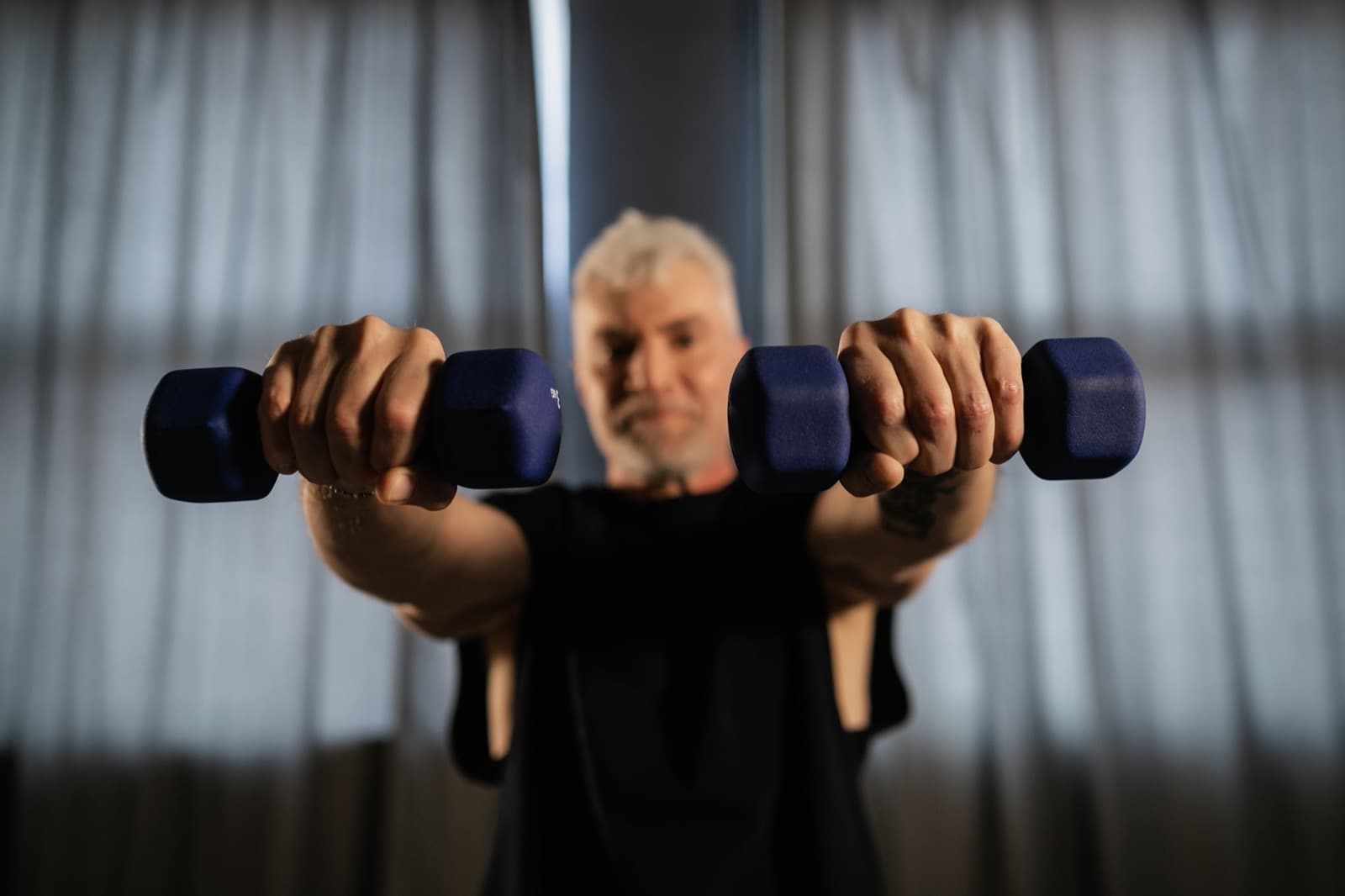
Good. Treat this as maintenance. Keep your wake time steady, keep getting morning light, protect your sleep before big training days or events, and watch for changes. Sleep problems that develop later in life often creep in slowly, and the earlier you notice, the easier they are to address. If you're training hard, pay particular attention to how your sleep responds when you increase training volume. Persistent poor sleep during a heavy block is a classic early sign of doing more than you're recovering from.
Troubleshooting: If This, Then Try That
"I fall asleep fine, but I wake up at 3 a.m. and can't get back to sleep."
Look at evening alcohol first. Then consider whether your clock has drifted early (try more evening light, less early-morning light). Check for nocturia, pain, reflux, or hot flashes. If you're lying awake more than 20 minutes, get up and do something quiet in dim light until sleepy. If this happens most nights for months, consider CBT-I. If it comes with low mood or loss of interest in things you usually enjoy, talk to your doctor about depression.
"I can't fall asleep at night."
Check your caffeine timing, evening naps, and late screen use. Make sure you're getting morning light and a consistent wake time. Try stimulus control: go to bed only when sleepy and get up if you can't sleep. If it's been going on for three months or more, CBT-I is your best bet.
"I sleep eight hours and still wake up exhausted."
This is a classic sign of poor sleep quality rather than quantity. Sleep apnea is the first thing to rule out, especially if you snore. Also consider periodic limb movements, alcohol, and medications. If your sleep checks out, look at other causes of fatigue with your doctor.
"I'm wired at bedtime even though I'm exhausted."
Look at evening stress and stimulation, late exercise intensity, and long evening naps. Build a longer wind-down. Try the constructive worry exercise after dinner. Relaxation techniques help with practice.
"I doze off in front of the TV every evening, then can't sleep in bed."
Move more after dinner, sit somewhere less comfortable, keep the lights a bit brighter in the early evening, and consider whether your bedtime is later than your body wants. If you can't stay awake past 9 p.m. no matter what, and you're waking very early, your clock may have shifted earlier; more evening light can help.
"My partner's snoring keeps me awake."
Earplugs and white noise can help in the short term. But loud snoring is a possible sign of apnea, so encourage your partner to get evaluated. It's a health issue for them and a sleep issue for you.
"My legs won't stay still at night."
Talk to your doctor about restless legs syndrome and ask to have your iron levels, including ferritin, checked.
"I wake up drenched from night sweats."
For women in the menopause transition, hot flashes are the likely cause. Cool the room, use moisture-wicking bedding and sleepwear, and talk to your doctor about treatment options, which include hormone therapy and non-hormonal medications. CBT-I adapted for menopause has also shown benefits. For anyone, new night sweats without an obvious cause, especially with weight loss or fever, warrant a medical evaluation.
"I sleep worse after hard evening workouts."
Try finishing intense sessions at least two hours before bed, add a longer cool-down, take a warm shower, and see if moving hard sessions earlier helps.
Special Situations
Caregiving. Caring for a spouse or parent often means broken nights and constant low-level vigilance. Your own sleep matters too, both for your health and for your ability to keep caregiving. If possible, arrange respite care, share nighttime duties with family members, and talk to the person's doctor about whether their nighttime symptoms (pain, confusion, frequent bathroom trips) can be better managed. A baby monitor can sometimes let you sleep in a separate room while still being able to hear if you're needed.
Chronic conditions. Heart failure, COPD, diabetes, Parkinson's disease, chronic pain, depression, and many other conditions affect sleep. Sleep problems can also make these conditions harder to manage. If you have a chronic illness, tell your doctor about your sleep. It's part of your health, not a separate issue.
Hospital stays. Hospitals are terrible places to sleep. Noise, light, interruptions, and unfamiliar beds all add up. Bring earplugs and an eye mask if you have a planned admission. After you get home, it may take a few weeks for your sleep to settle. Get back to your fixed wake time and morning light as soon as you can.
Grief and major life changes. The death of a spouse, a move, retirement, or a new diagnosis can all disrupt sleep. Some disruption is normal and temporary. If poor sleep persists for more than a few weeks or comes with persistent low mood, reach out for support, whether that's your doctor, a counselor, or a support group.
Myths Worth Retiring
"Older people need less sleep."
They don't. The National Institute on Aging says older adults need about seven to nine hours, much like younger adults. What changes is how easily sleep comes and stays.
"A nightcap helps you sleep."
It helps you fall asleep, then fragments the second half of the night and reduces REM sleep. Net result: worse sleep.
"Snoring is harmless."
Sometimes it is. But loud, habitual snoring, especially with pauses or gasps, can be a sign of sleep apnea, which affects heart health, blood pressure, mood, and energy.
"If I can't sleep, I should stay in bed and rest."
For chronic insomnia, lying awake in bed tends to make things worse by teaching your brain that bed is a place for wakefulness. Getting up and returning when sleepy works better.
"Naps are always bad."
Short early-afternoon naps can be helpful. Long, frequent, or morning naps may be a sign of a problem worth investigating.
"Exercising at night will keep me up."
For most people, moderate evening exercise doesn't harm sleep. Only vigorous exercise very close to bedtime might delay sleep onset for some people.
"Melatonin is a natural, harmless sleeping pill."
It's a timing signal, not a sedative, and it isn't recommended for chronic insomnia by the AASM. Products vary widely in actual content, and its long-term safety is still being studied.
"Some people just can't sleep, and nothing helps."
Chronic insomnia can feel hopeless, but CBT-I works for many people who thought they'd tried everything, and treatable conditions like apnea and restless legs are often hiding underneath.
Try This: One Small Experiment This Week
Pick a wake-up time you can keep every day for the next seven days. Every morning, within an hour of getting up, take your coffee or tea outside, or go for a short walk, and spend at least 20 minutes in daylight with your sunglasses off for part of it. Each evening, write down two things: what time you felt sleepy and how you'd rate your energy that afternoon, from 1 to 5.
That's it. One anchor, one light dose, two notes. At the end of the week, look at your notes. Most people find they start getting sleepy at a more predictable time, and many notice the afternoon slump softening. If you notice nothing, that's useful information too, and the rest of this guide gives you plenty of other places to look.
The Long View
There's a version of aging where sleep gets steadily worse and everyone just accepts it, along with the 3 p.m. coffee, the recliner naps, and the workouts that never quite feel good anymore. That version is common. It's also, to a surprising degree, optional.

Your sleep will change after 50. It will probably get somewhat lighter and earlier, and you may wake more often than you used to. Those changes are real. But the evidence keeps pointing to the same conclusion: a large share of the poor sleep and low energy we blame on age comes from things that can be identified and improved. Undiagnosed apnea. Iron-starved legs. A medicine cabinet full of "PM" pills. Dim mornings and bright late nights. A glass of wine doing more damage at 3 a.m. than it did good at 9 p.m.
It is not enough… to have added new years to life—our objective must also be to add new life to those years.
Kennedy was talking about national policy for older Americans, but the line works just as well at the scale of one person and one bedroom. Better sleep can't promise you extra years. It's very good at adding life to the ones you have.
None of this requires perfection. You don't need eight flawless hours every night, and chasing that number can backfire. What you need is a stable wake time, a strong daylight signal, a body that moves and lifts things, an evening that slows down, and the willingness to get help when something is clearly off. Start with one of those this week. Your next good night might be closer than you think.