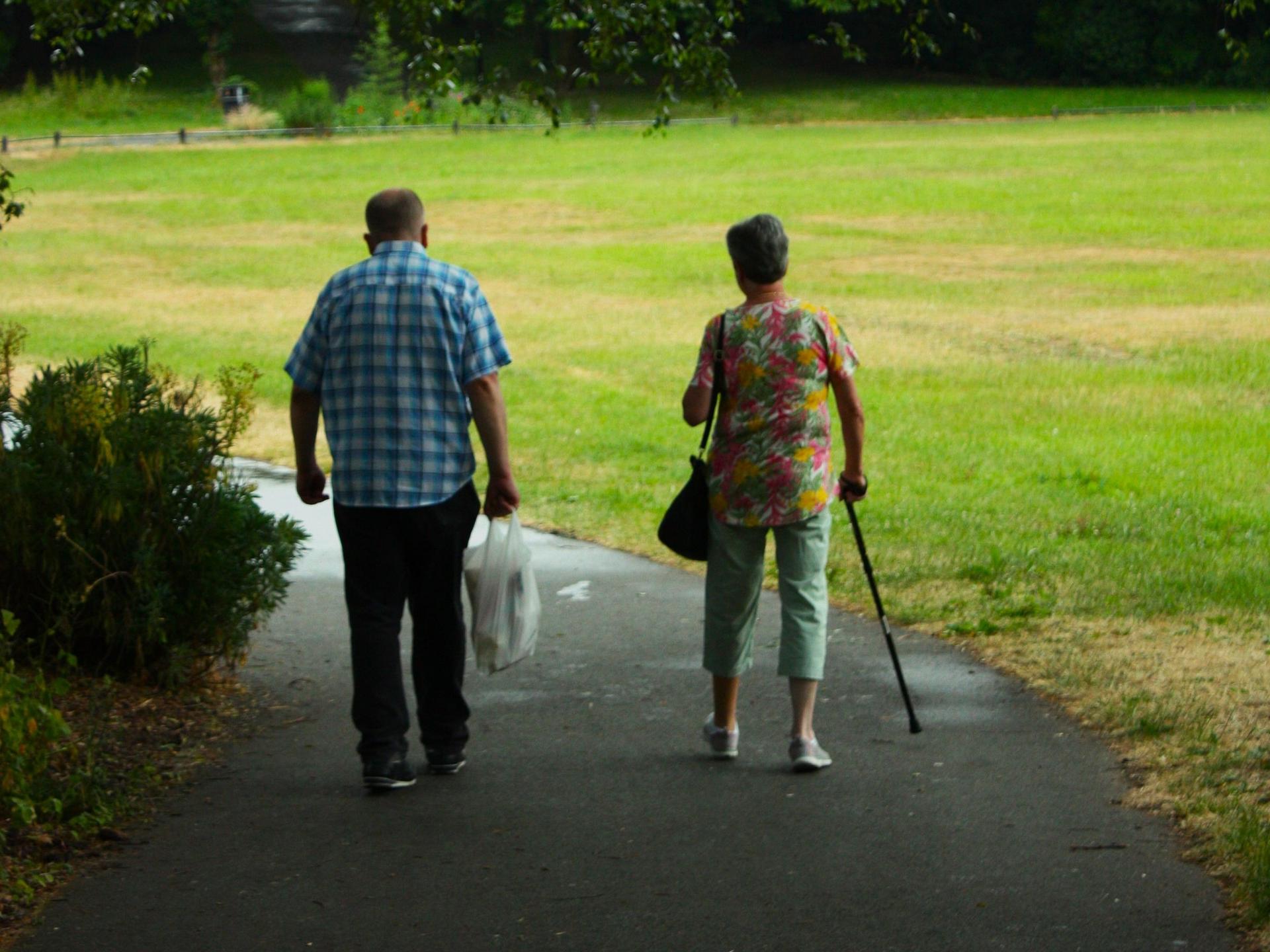
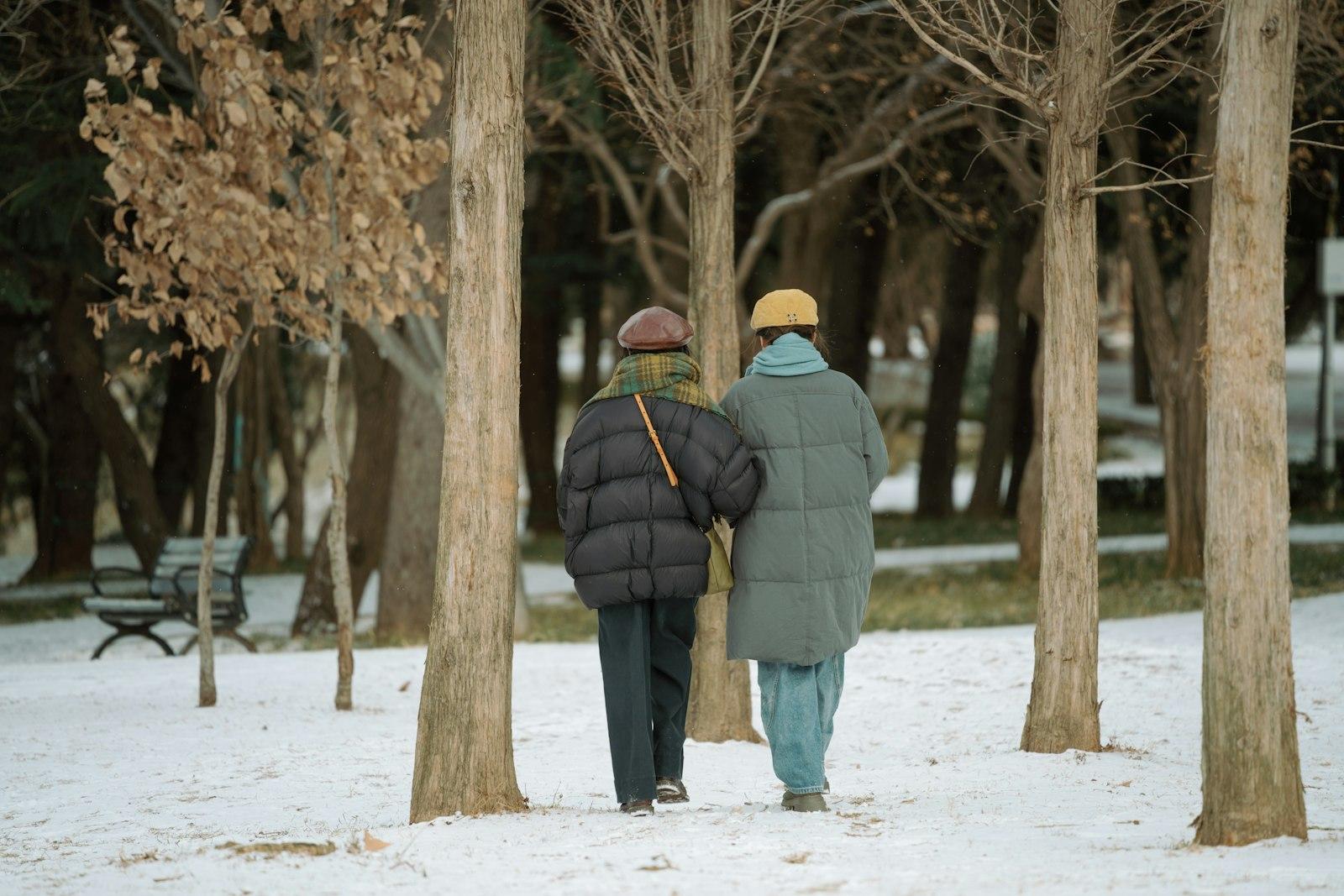
By the time the lunch dishes are done, the light is already thinning, the driveway has a glaze of frozen slush, and the walk you took without a second thought in July now takes a decision. You can still walk outdoors in winter. National Institute on Aging guidance says you can exercise outdoors in the colder months if it's not too cold, as long as you take a few extra steps to stay safe.
Among people over 65 living in the community, one in three fall each year, and the rate of fall injuries rises with age. That figure isn't specific to winter. The extra steps below are about what is under your feet, what is on your body, and who knows where you are.
Check the ground first
Check sidewalks before you step onto them, and wear nonskid, rubber-soled, low-heeled shoes to help prevent slipping. Rushing increases your risk of falling, so give yourself plenty of time at crossings, and slow down wherever the surface looks questionable.
Dress and warm up
Dress in several layers of loose clothing to trap warm air between them, and add a waterproof coat or jacket if it's snowy or rainy. Don't skip the hat, scarf and gloves. Choose layers you can remove as your body warms up.
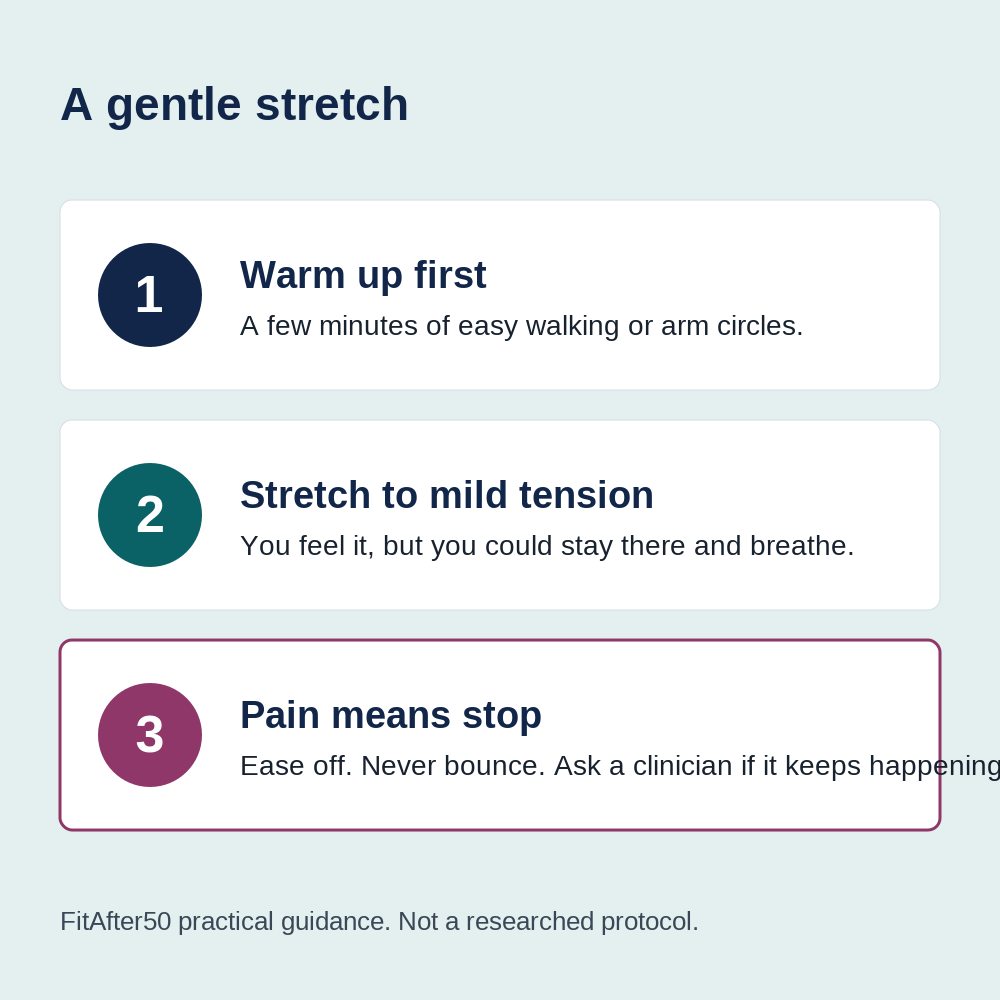
Before you head out, march in place or pump your arms lightly. Afterward, stretch or walk in place to cool down. Spend as long on each as feels comfortable.
Be seen and reachable

In daylight, light or brightly colored clothing helps you be seen. After dark, wear reflective material and carry a flashlight. Carry ID with emergency contact information and a cellphone, especially if you're alone. Tell someone where you'll be walking, and make sure the phone is fully charged before you leave.
Choose routes with places to sit, in case you want to stop and rest.
When to go indoors
Check the forecast before you head out. If it's very windy or cold, consider exercising inside: online exercise videos, or laps in a temperature-controlled building such as a shopping mall. No wind, temperature or ice cutoff comes with this advice, so the line is yours to draw. In our view, draw it on a calm day, for example by deciding that ice on your usual route means a mall day, so you aren't bargaining with yourself at the door in your coat.
Learn the signs of hypothermia so you can get medical help right away. Look them up from a medical source before your first cold walk.
What winter walking can contribute
For adults 65 and older, the CDC target is at least 150 minutes of moderate-intensity activity a week, which could be 30 minutes a day, 5 days a week. If you have trouble reaching that, be as physically active as your abilities and conditions allow, since some activity is better than none. The target isn't adapted for winter or for ages 50 to 64.
On falls specifically, a review of randomized trials in community-dwelling people 60 and older found that exercise programs reduced the rate of falls by 23 percent. Programs totaling 3 or more hours a week that included balance and functional exercises did better, with a 42 percent lower rate of falls than comparison groups. Those were structured programs, and the same review says the effects of programs that primarily involve walking, resistance training or dance remain uncertain. So walking alone isn't shown to prevent falls, though that says nothing about its other benefits. The CDC's examples of balance activities include walking heel-to-toe or standing up from a sitting position.
Winter can shrink activity. In a small study of healthy, active older adults in snowy Hokuriku, Japan, steps per day were greater in summer than in winter. The study tested no way to prevent the drop, so the options here are choices to try, not proven fixes. What the guidance offers is the weekly target and indoor fallbacks.
Choose in advance which one you would look forward to on a given day: a walk outdoors on a dry afternoon, or a loop around the mall.
Where to start
After lunch today, put your phone on its charger and text one person the route you plan to walk and roughly when. Set your hat, gloves and nonskid shoes by the door so they are waiting for you, and pick your indoor backup before you need it. Once the text feels automatic, add a minute of marching in place before you step outside.