The sidewalk looks fine from the front step. Then your boot reaches the shaded stretch by the mailbox, and the surface turns to glass.
For winter walking safety over 50, that moment is the one to plan for. The CDC says many cold-weather injuries come from falls on ice-covered sidewalks, steps, driveways and porches. The NIA says fear of falling may lead people to avoid walking, shopping and social activities, and that staying active helps prevent falls. Dry layers, secure footing and a plan for a bad moment make winter walks easier to keep.
Layers, footing and ice
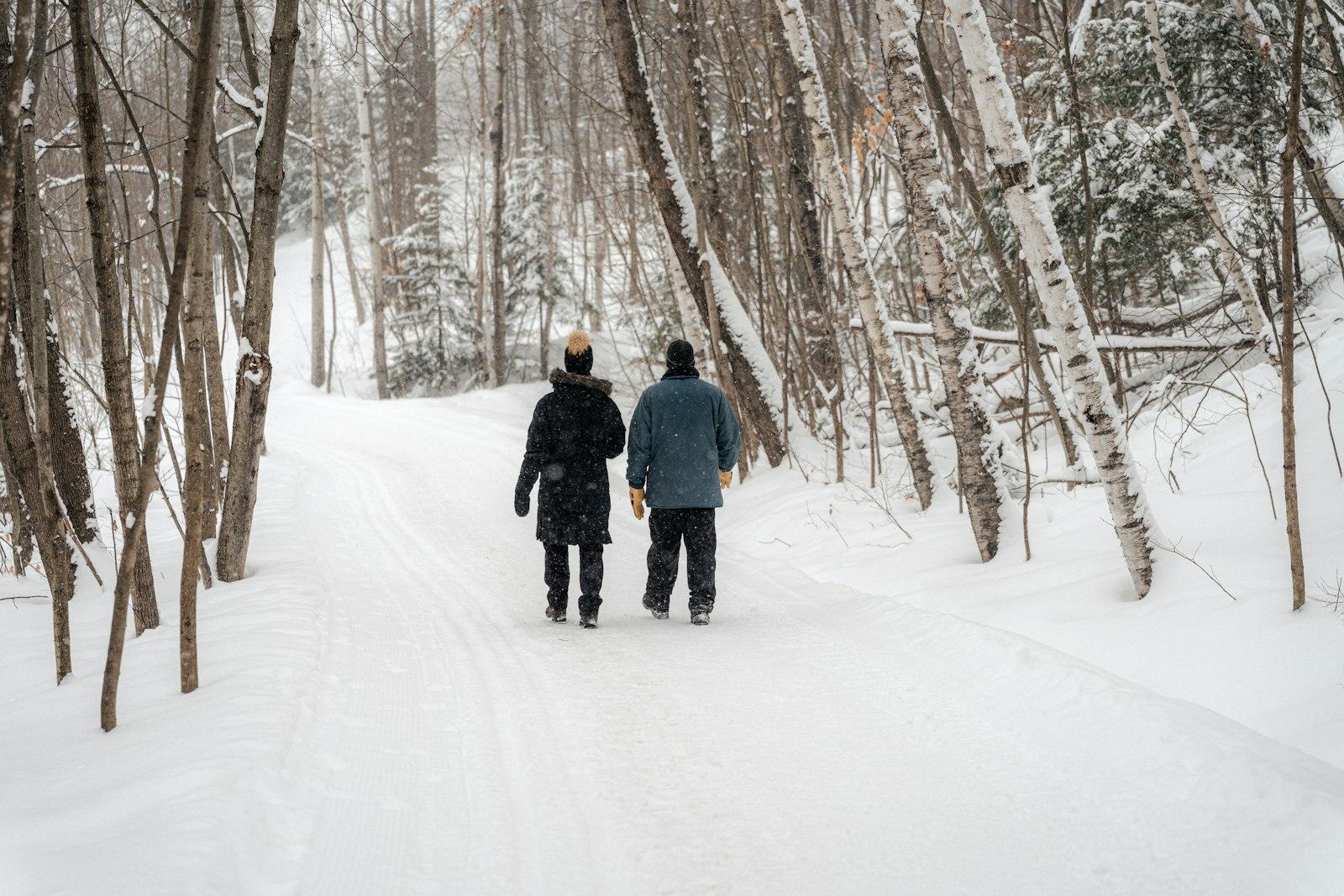
The NIA advises warm, loose layers because the air between them helps keep you warm. For the layer against your skin, the CDC says wool, silk or polypropylene will hold more body heat than cotton.
Sweat works against you. Excess sweating makes your body lose more heat, the CDC says, so take off a layer whenever you feel too warm. Hypothermia can also happen above 40°F if you become chilled from rain or sweat, according to the NIA.
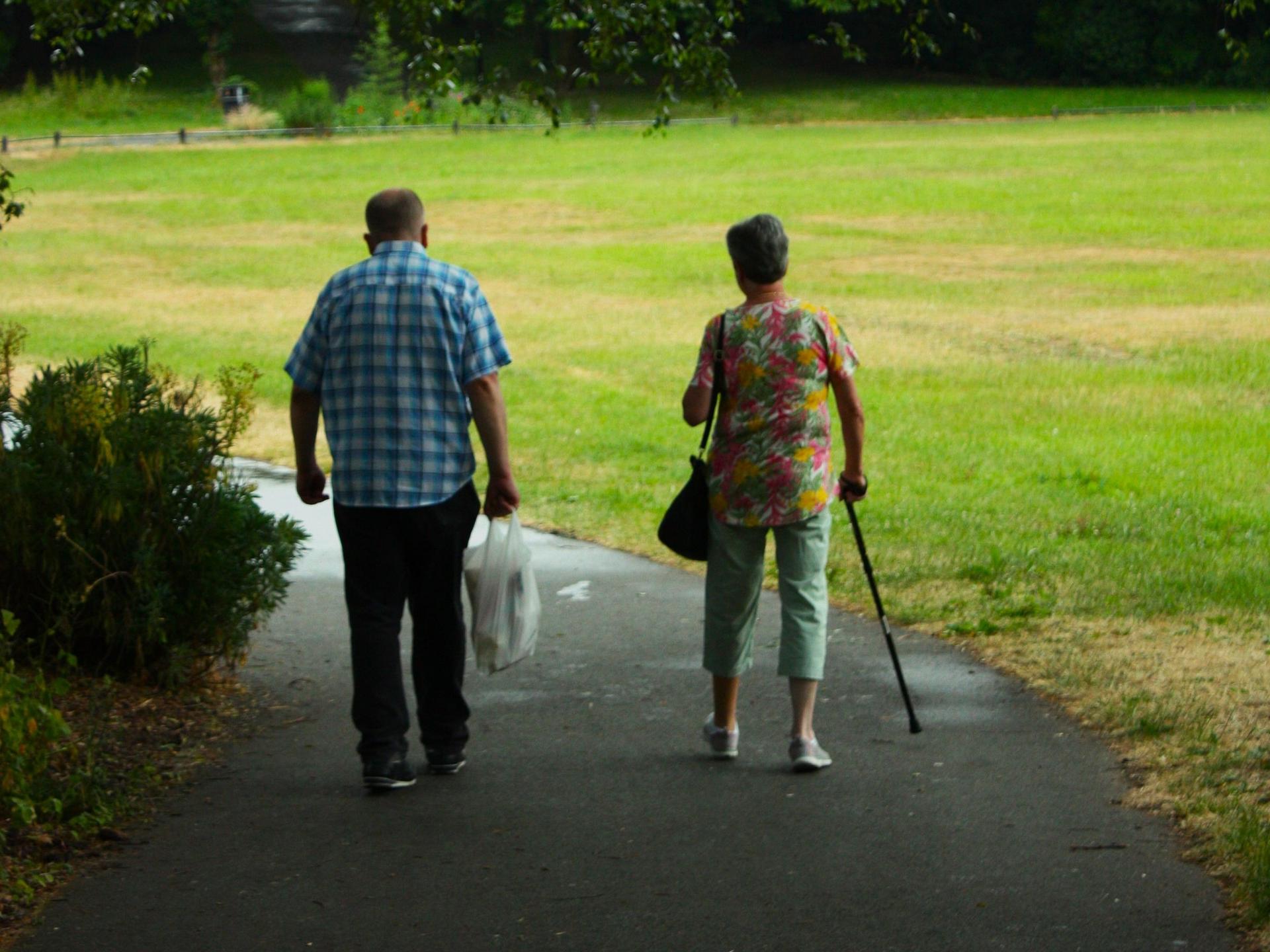
The NIA recommends nonskid, rubber-soled, low-heeled footwear for winter walks. The CDC calls walking on ice extremely dangerous, and the NIA says to take extra caution on wet or icy surfaces. In our view, a glazed path is a good day to move the walk indoors.
A shoulder bag, fanny pack or backpack leaves your hands free to hold on to railings. If you wear bifocal or progressive lenses, ask your eye doctor about a pair with only your distance prescription for outdoor walking, since those lenses can sometimes make things look closer or farther away than they are.
Tell someone, carry a phone, and know when to head inside
The NIA advises telling others when you plan to spend time outdoors and carrying a fully charged mobile phone. Its falls guidance adds a daily routine: keep a well-charged phone with you and arrange daily contact with a family member or friend.

The CDC calls shivering an important first sign that your body is losing heat, and constant shivering means it is time to go inside. Redness or pain in any patch of skin may be a sign that frostbite is beginning, the NIA says. Cover exposed skin and get out of the cold quickly. If you have asthma, the CDC warns that breathing cold, dry air can trigger an asthma attack.
The pages give no temperature or time cutoffs, no test for when a path is too icy, nothing on walking after dark, and no comparison of soles or traction add-ons. They also offer nothing showing that telling someone or carrying a phone changes outcomes. Your body's signals and your own judgment fill that gap.
Strength, balance and what to do if you fall
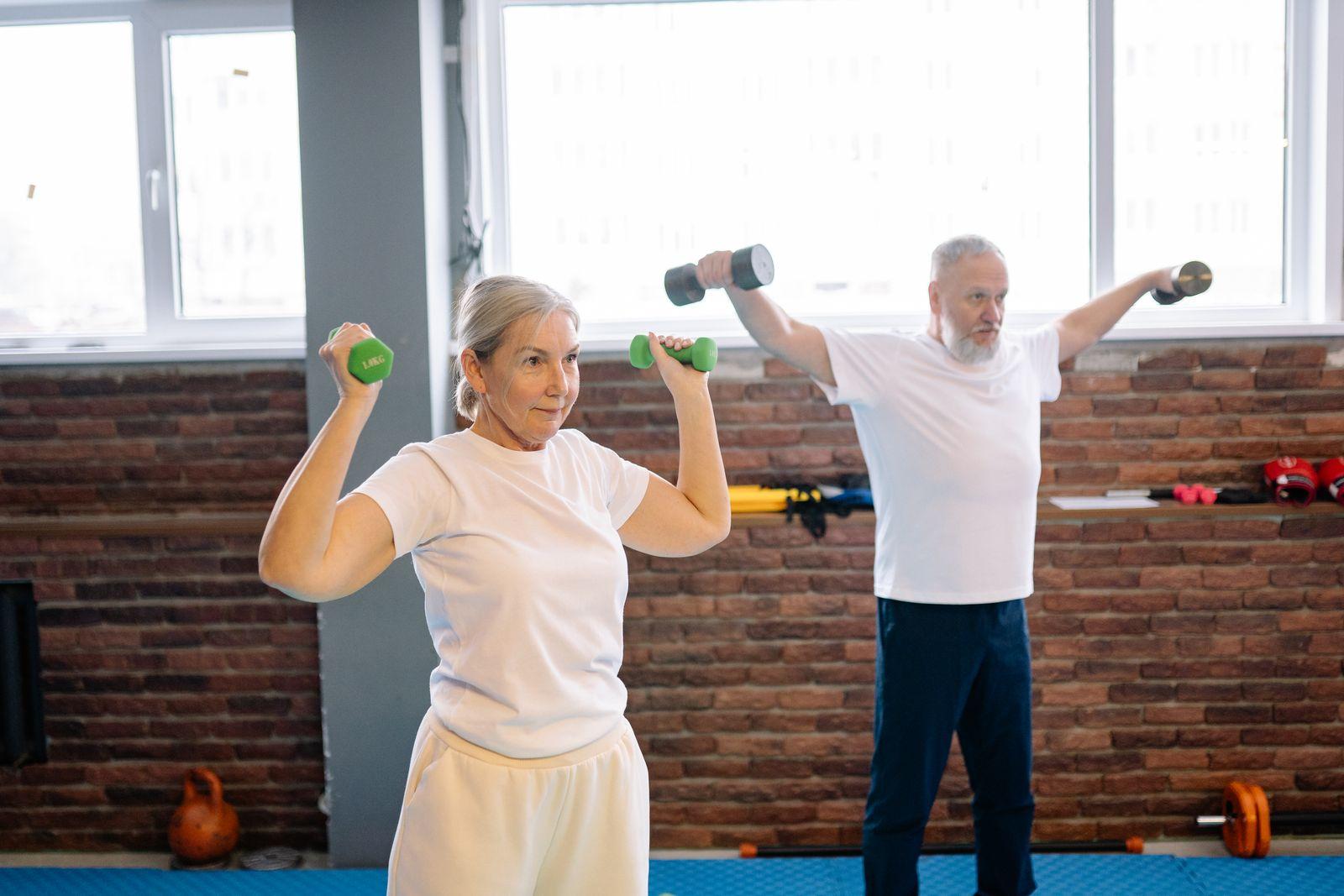
The CDC recommends exercises that make your legs stronger and improve your balance, and it names Tai Chi as a good example.
The U.S. Preventive Services Task Force recommends exercise programs to prevent falls in adults 65 and older who are at increased risk. In the programs it reviewed, the most common schedule was 2 to 3 sessions per week for 12 months. The reviewers found it difficult to identify which parts of exercise work best, so there is no single routine to copy. Those programs were mostly group or supervised, not outdoor winter walking, and the recommendation does not cover healthy adults aged 50 to 64.
If you do fall, decide if you are hurt before you get up, because getting up too quickly or in the wrong way could make an injury worse. Keep your phone on you so you can call for help. Tell your doctor about any fall since your last checkup, even if you did not feel pain when you fell.
Where to start
When you put your coat on before your next walk, check that your phone is charged and send one person your route and the time you expect to be back. Keep a charging cable near the coat hooks so the check takes seconds. Once that feels routine, look up one local Tai Chi or balance class and see when it meets.