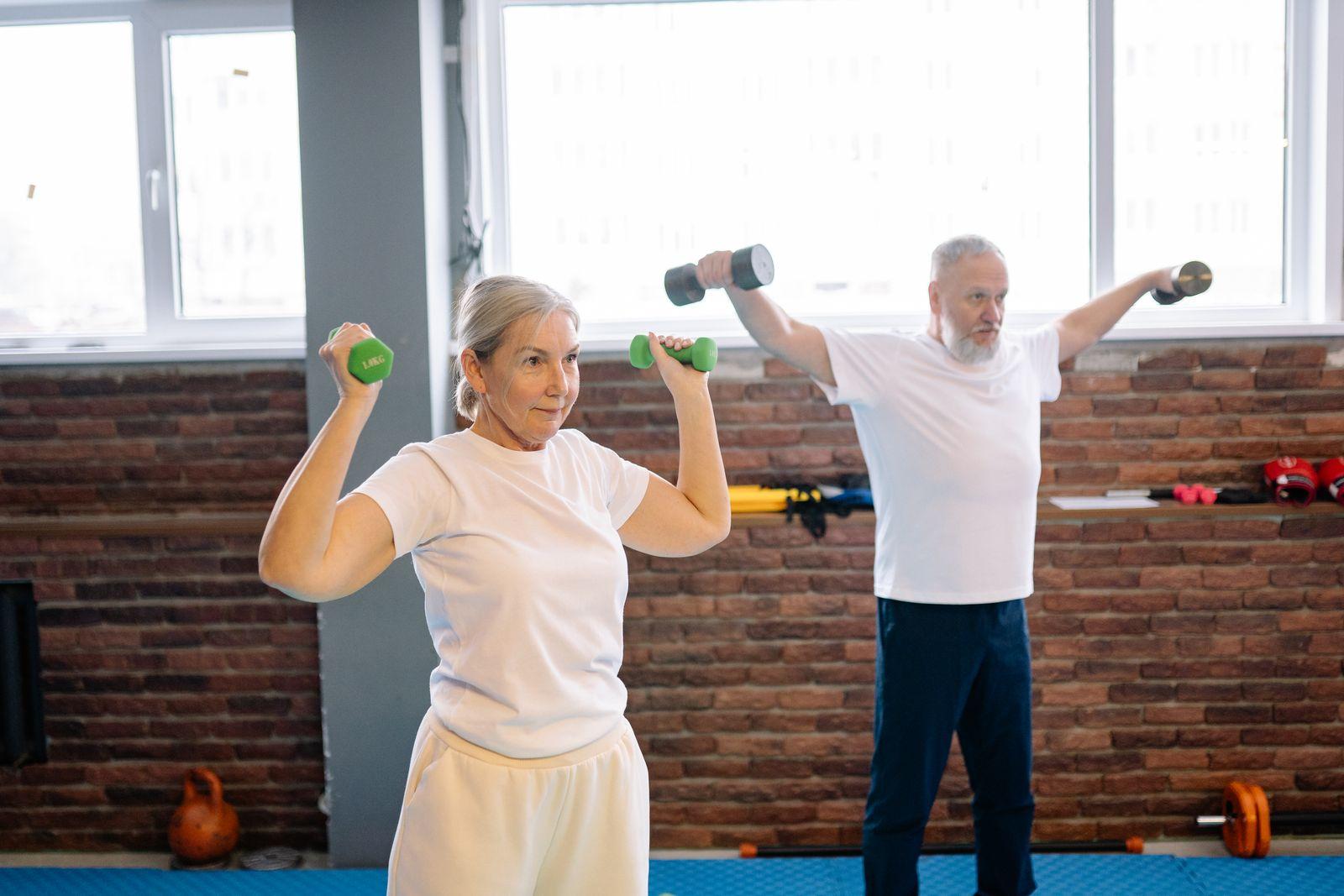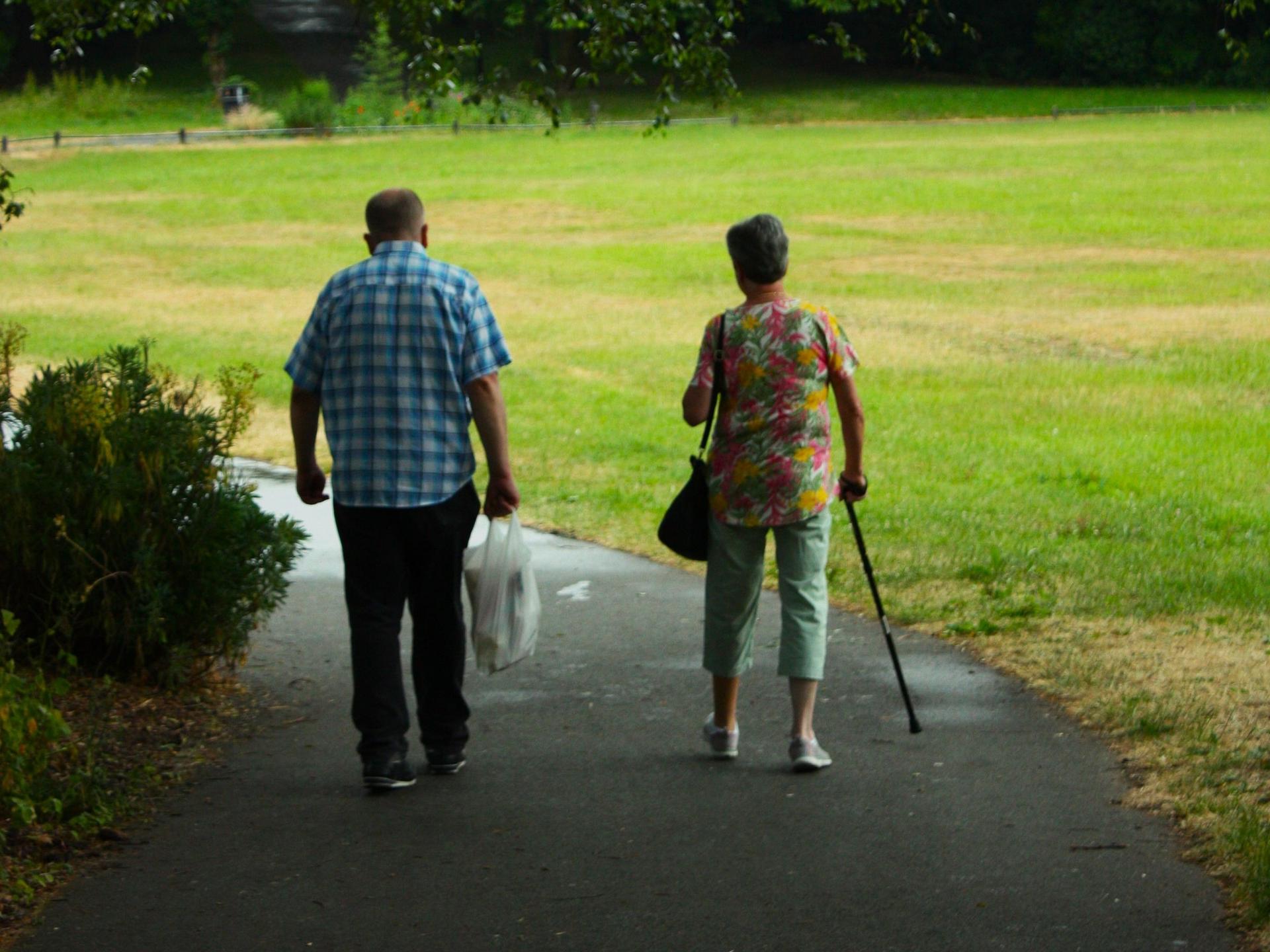
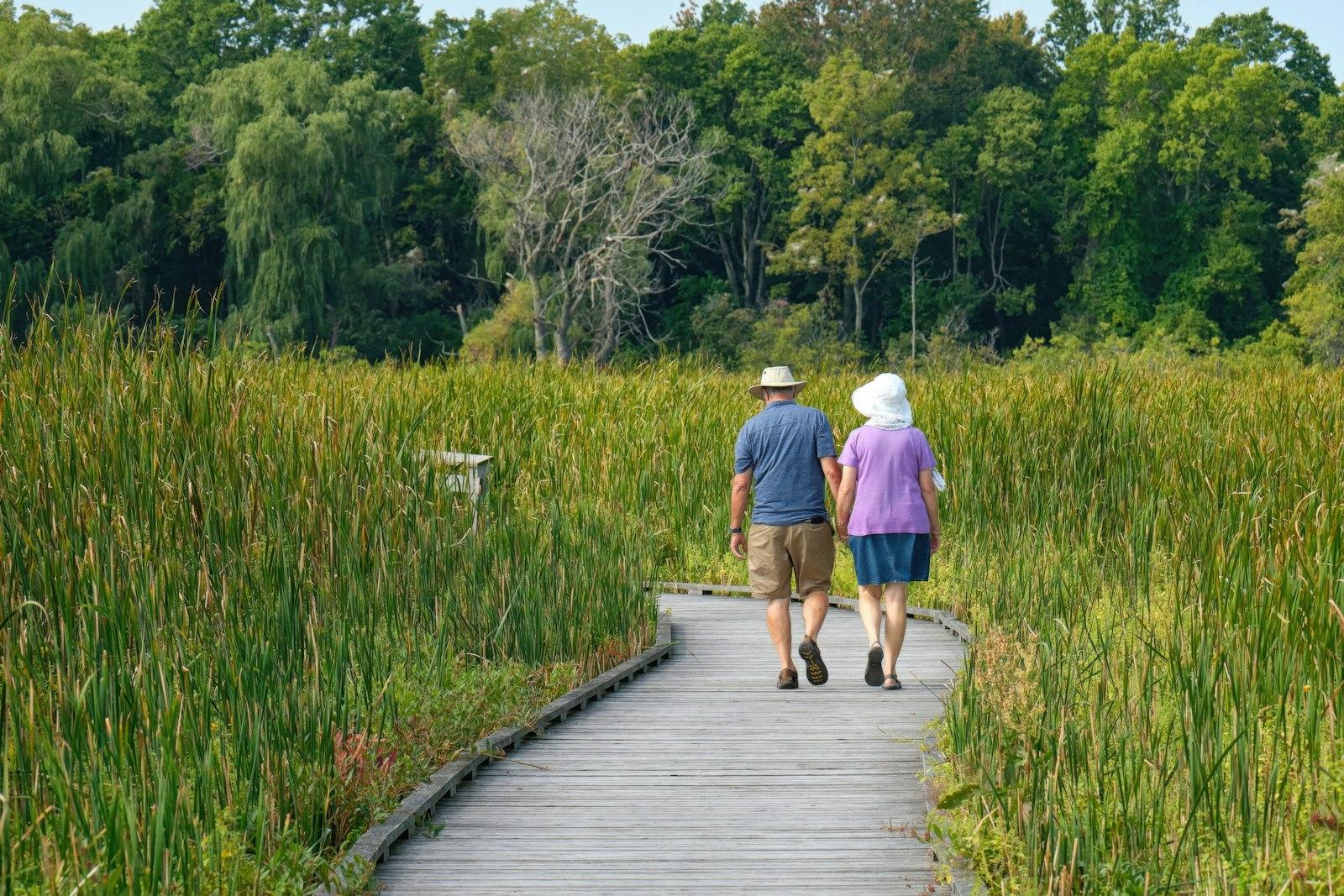
The treadmill is ten steps from the kitchen. The park is a fifteen-minute drive away, and the sky looks undecided. If a walk among trees does something for your health that the treadmill can't, the drive is worth it. In the walking outdoors vs treadmill debate, two systematic reviews, which gather and weigh trials, found limited evidence that the park walk is healthier.
Walking outdoors vs treadmill: what the reviews found
The first review pooled 28 trials that mixed adults and children and a wide range of exercises. It concluded that evidence for superior benefits from green exercise was limited. The second review covered 10 trials with 343 participants in all and reached a similar verdict: limited evidence for added health or behavior benefits of outdoor exercise. Its outdoor category counted any outdoor setting, whether or not it was natural.
That second review also tallied 99 comparisons between outdoor and indoor exercise. Of those, 25 were statistically significant, and all 25 favored outdoors. The direction leans toward outdoors, but the other comparisons were not statistically significant, and the authors said interpretation was hindered by a high risk of bias (flaws in how trials were run or reported), unclear reporting and widely varying outcomes. The first review also reported high risk of bias, so better trials could change the picture.
Neither review was built around older walkers, so applying them to your own choice between a loop path and a treadmill takes some extrapolation.
Enjoyment and effort
One place the reviews point toward outdoors is how exercise feels. In single sessions, outdoor green exercise may make exercise more pleasant and more enjoyable than the same exercise indoors. It did not clearly change emotion, perceived effort, intensity or biological markers.
Across three trials that followed people over time, perceived effort after the program was slightly lower with exercise in nature than indoors. It was the only statistically significant result in that pooled analysis, and the review does not say how large the difference was for older walkers.
Living near parks seems like it should get people moving. The first review calls the evidence that good access to nature promotes physical activity equivocal, meaning open to more than one reading. Many studies in this area compare people at a single point in time, so active people who chose to live near green space could explain some findings.
One trial on thinking skills

One small trial enrolled older adults with mild cognitive impairment (MCI): 72 people aged 65 to 80. For 12 weeks they did group aerobic exercise, either outdoors in an urban forest or indoors on a treadmill or exercise bike. The researchers concluded that outdoor exercise may provide greater cognitive benefits, though only some thinking measures improved. This was a proof-of-concept study, an early test of an idea, and it does not show the same for people without MCI. Because the indoor comparison was treadmill or cycling, it was not a walk-versus-walk test.
What counts toward your weekly minutes
For adults 65 and older, the CDC recommends at least 150 minutes of moderate-intensity activity a week, which could be 30 minutes a day, 5 days a week. Brisk walking is one of its examples. The broader adult guideline from the U.S. Department of Health and Human Services puts the range for the most health benefits at 150 to 300 minutes a week. Small amounts of moderate-to-vigorous activity spread through the day can benefit health too, so a walk can be broken into pieces. If reaching these amounts is hard, the CDC advises being as physically active as your abilities and conditions allow.
Nothing in that guidance sets a venue for the walk. In our view, the better setting is the one you will actually use on a rainy Tuesday.
A walk does not cover the whole week. The CDC's sample week also lists balance activities, such as walking heel to toe or standing up from a seated position.
Where to start
Start with one 10-minute walk after lunch. Set your walking shoes by the door the night before, and decide ahead of time where you will walk: the park on clear days, the treadmill when it's wet or dark. Ten minutes is a starting step, and the weekly target is larger. If a day gets skipped, pick the walk up the next day you can. Once it feels routine, add a few minutes at a time, working toward the CDC's example of 30 minutes, five days a week.