
Stress has a way of finding the bedroom. Picture the 2 a.m. loop over a relative's test results. Short-term insomnia can be caused by stress or changes to routine, according to the National Institute on Aging. So how to reduce stress after 50 is partly a question about ordinary days: how you move, when you sleep, who you see and how you wind down.
Most of the research behind this guide looks at neighbors of stress, such as anxiety, sleep, loneliness and falls, rather than stress itself. Treat the habits below as reasonable things to try, not proven stress cures.
How to reduce stress after 50: start with a brisk walk
A single session of moderate-to-vigorous activity can reduce short-term feelings of anxiety in adults, according to the CDC. Regular activity can also reduce the risk of depression and anxiety and help you sleep better. The CDC page doesn't break these results down by age or say how much activity the mood benefits take.
For adults 65 and older, the CDC guideline is at least 150 minutes of moderate activity a week, which could be 30 minutes a day, five days a week. That isn't a stress dose, and it doesn't cover ages 50 to 64. It is the one concrete target in the sources.
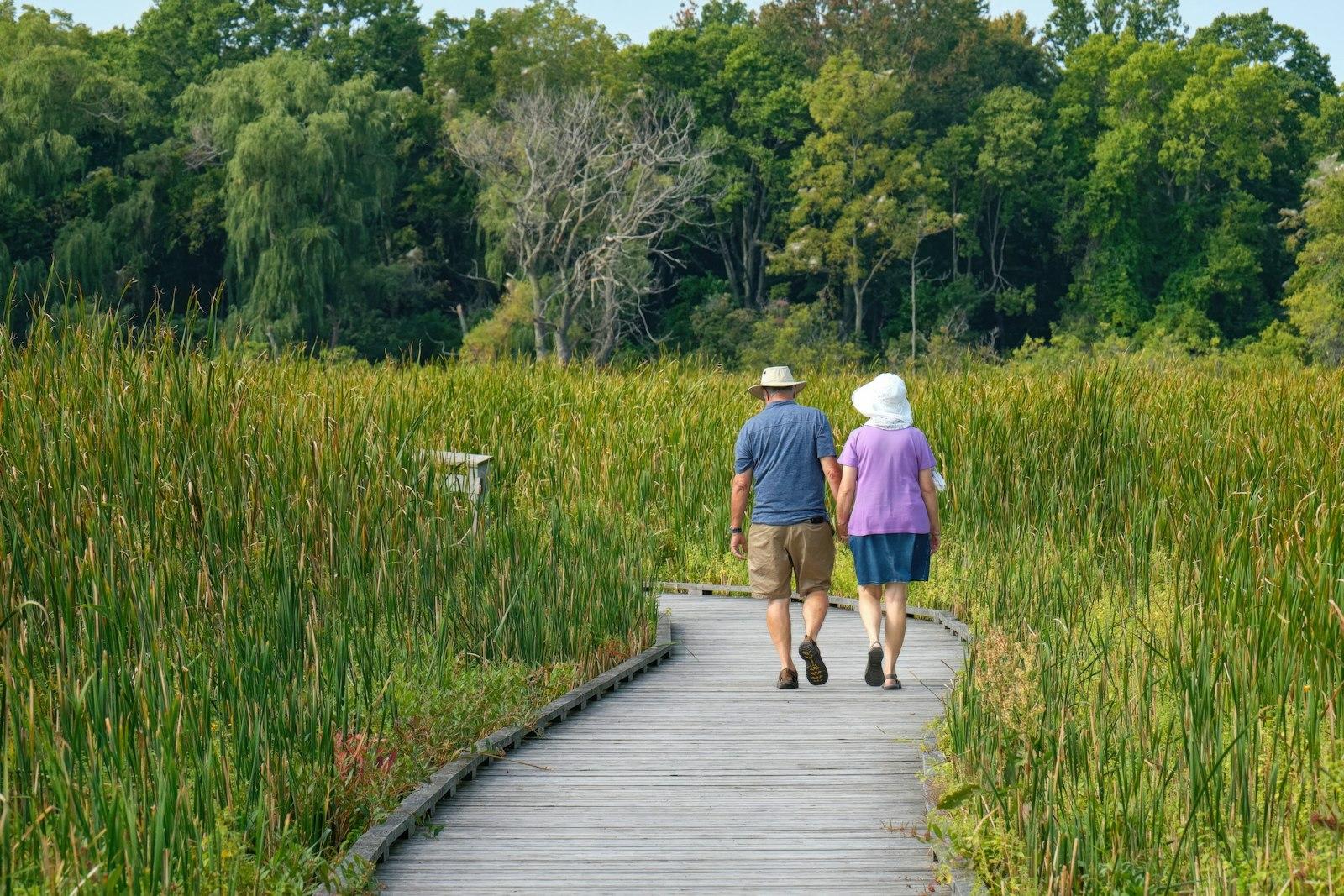
Brisk walking is the CDC's example of moderate activity, and it calls it generally safe for most people. Our rule of thumb for brisk is clearly faster than a stroll, breathing harder than usual. "Most people" leaves some out. If a heart condition or another problem limits how hard you can exert yourself, ask your clinician before picking up the pace.
A ten-minute walk after a meal is a fair place to begin, though it isn't the full 150 minutes. When 30 minutes is out of reach, the CDC says to be as physically active as your abilities and conditions allow, and that some activity beats none.
Sleep: a schedule and a wind-down
Stress about a relative's health and sleep do seem to travel together. A conference abstract covered 7,755 adults 50 and older. Those who called family health stress somewhat upsetting had 24% higher odds of more severe insomnia symptoms than people with none. For those who called it very upsetting, the figure was 50%. The data were self-reported and show a link, not cause and effect.
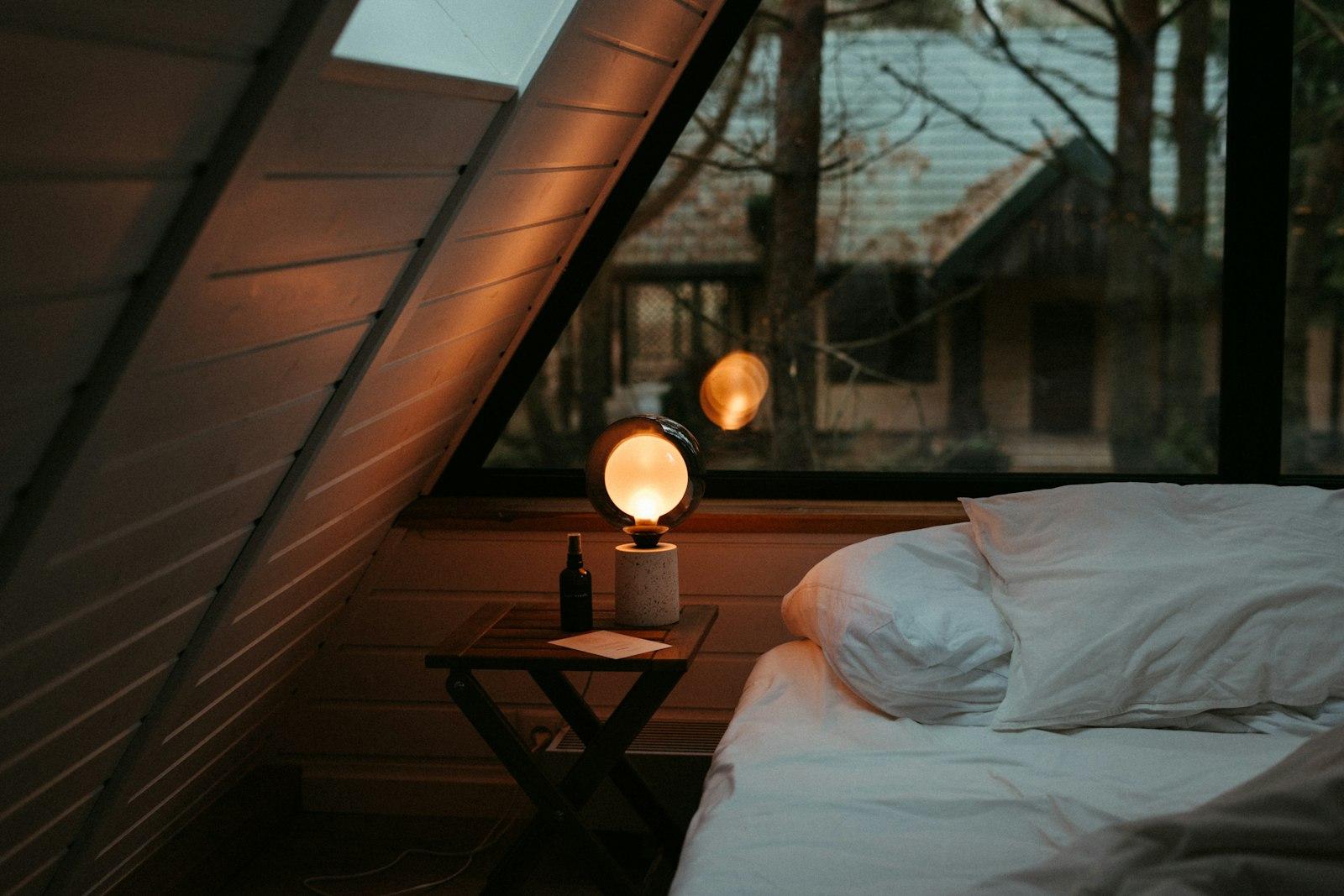
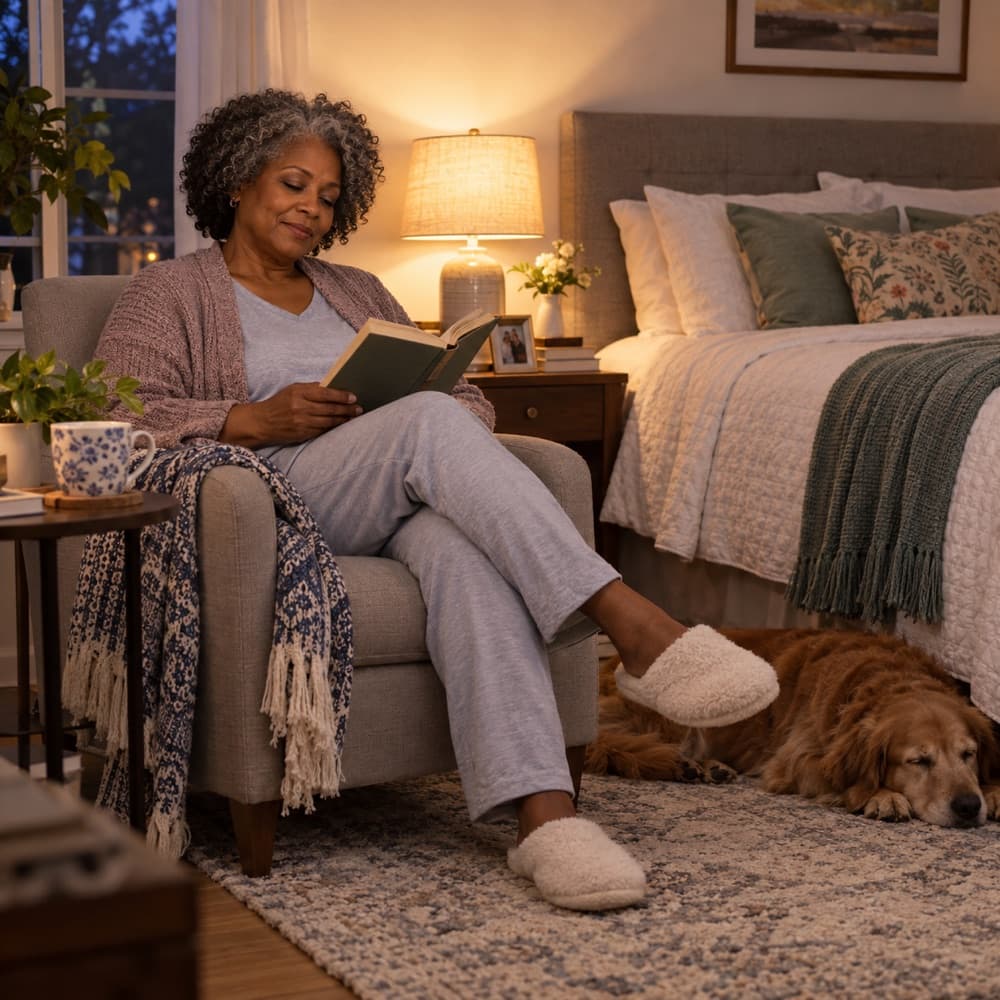
Older adults need about the same sleep as other adults, seven to nine hours a night. The NIA suggests going to sleep and getting up at the same time every day, even on weekends or when traveling. It also suggests having a bedtime routine such as reading, soothing music or a warm bath. These are practical tips, not tested stress treatments.
If sleep trouble continues, keep a sleep diary for a couple of weeks and bring it to your doctor. Sleep medicines may help in the short term, but they carry risks and should not be used long term. For chronic insomnia disorder, cognitive behavioral therapy for insomnia has shown beneficial results, so it's worth asking about.
Calming practices: tai chi, yoga and mindfulness
The National Center for Complementary and Integrative Health says tai chi and qigong may reduce the risk of falling in older adults. That is a falls finding, not a stress one. For yoga, the same center describes limited evidence that yoga may help people with sleep problems. The Canadian loneliness guideline also lists mindfulness-based stress reduction among psychological therapies, without reporting stress results.
None of this comes with a class length or a weekly schedule. So pick the practice you'd actually enjoy, try it for a few weeks, and drop it without guilt if it doesn't suit you.
Social contact: count the people in your week
Living alone and feeling lonely are different things. Researchers describe social isolation as physical separation from other people, and loneliness as the distressed feeling of being alone. The sources don't say which matters more for stress.
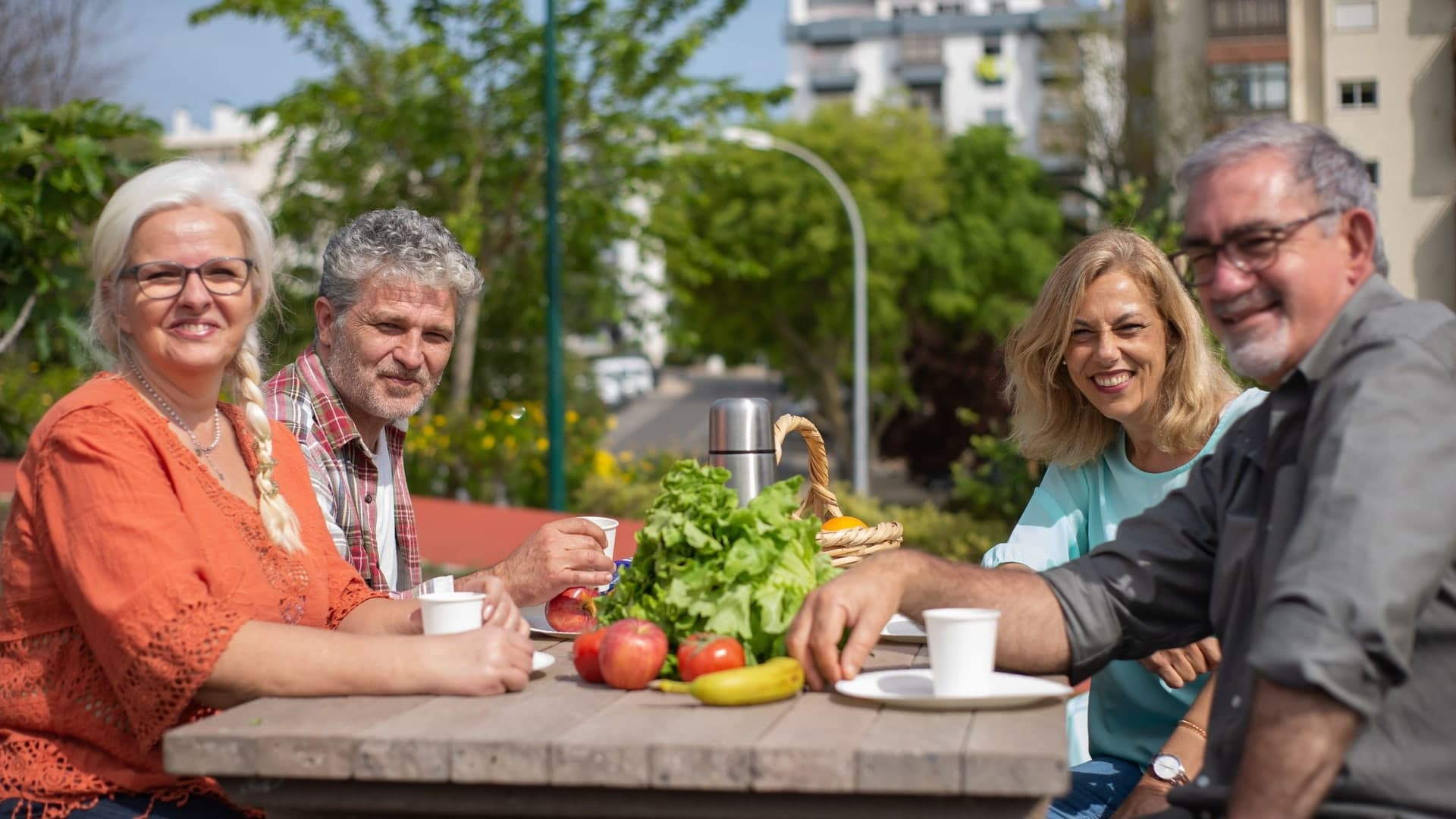
People who take part in meaningful, productive activities with others tend to live longer, have a better mood and feel a sense of purpose. Those are patterns, not proof that joining in causes the benefit. Helping others, through volunteering for example, also helps people feel less lonely.
A Canadian clinical guideline recommends that health and social service providers encourage group or individual physical activity to reduce isolation and loneliness. It rates the evidence moderate and gives no activity amount. In our view, a standing walk with a friend or a group class is a sensible way to cover both this and the walking advice above. That is our reading, not a tested result.