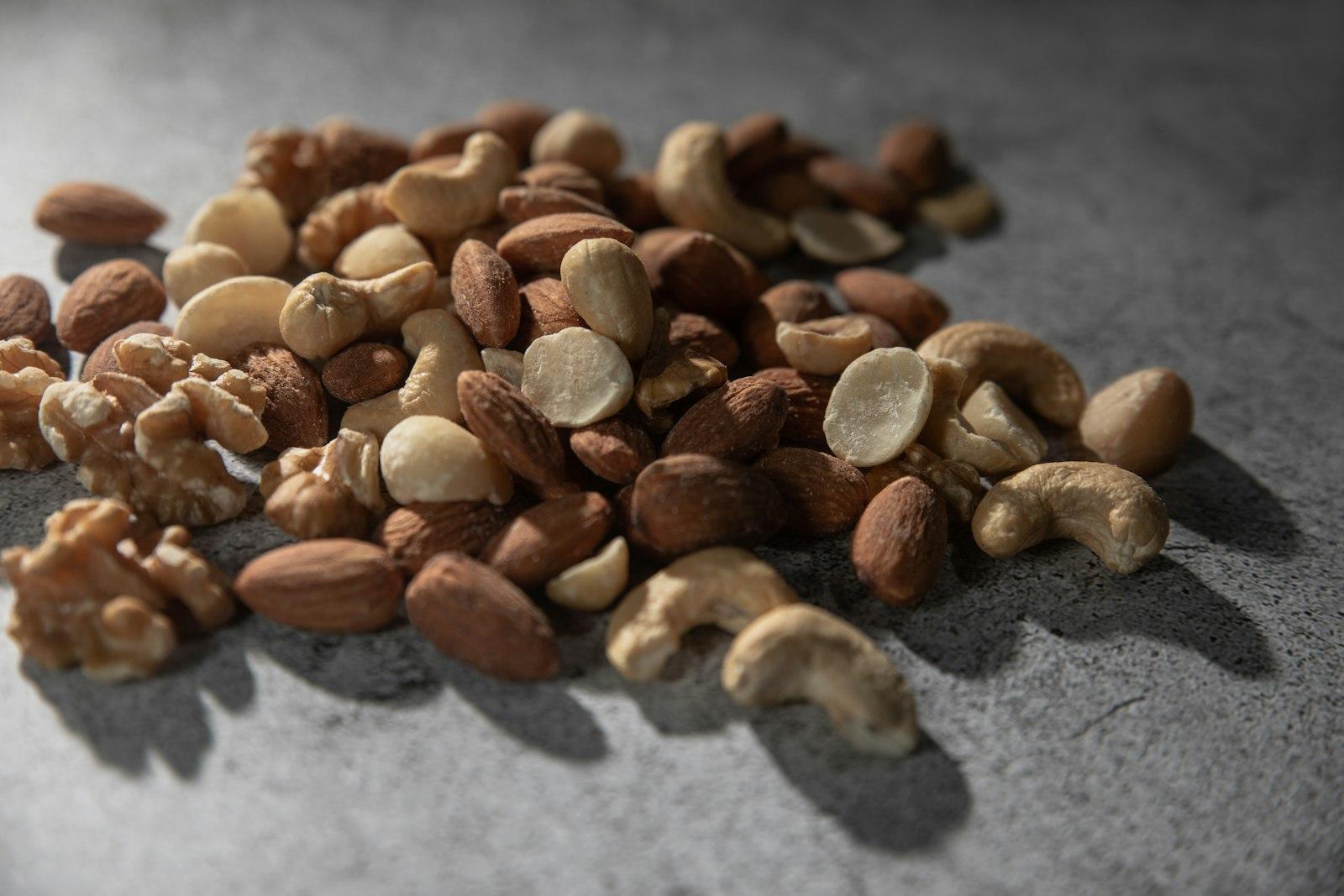
Standing at the pantry mid-afternoon, you might wonder whether a daily handful of nuts is worth making a habit. Studies that follow people over time link higher nut intake with lower risk of cardiovascular disease. Whether nuts change your weight is a separate question, and the research summarized here doesn't answer it directly.
What the heart studies found
A systematic review pooled prospective studies, which track people's eating habits and then see who gets sick. Higher nut intake was associated with lower risk of cardiovascular disease, total cancer and death from any cause, as well as fewer deaths from respiratory disease, diabetes and infections. The studies covered mainly adults in general, not people over 50 in particular.
These are links. Studies like this can't rule out that people who eat nuts differ in other ways that protect them.
A second, narrative review that summarized cohort studies reported an 18% lower risk of stroke death, a 15% lower risk of atrial fibrillation and a 19% lower risk of death from any cause. Its summary doesn't say which intake levels were compared. Results were less consistent for stroke incidence, stroke subtypes, peripheral arterial disease and heart failure.
Nuts supply fiber, magnesium, polyunsaturated fats, vitamin E and antioxidants, which may lower cardiovascular disease risk by reducing insulin resistance. That is a proposed explanation, and the review doesn't show it working in any one person.
How much counts as a handful
Guideline bodies in Canada, the UK, Australia, the US and Europe recommend nuts as a healthy plant protein and fat source to eat frequently. The review doesn't give one agreed amount. The Canadian Cardiovascular Society's 2016 guideline makes a conditional recommendation, based on moderate-quality evidence, for dietary patterns high in nuts, at 30 grams a day.

The FDA allows a qualified claim that 1.5 ounces a day of nuts may reduce the risk of coronary heart disease when the diet is low in saturated fat and cholesterol and doesn't add saturated fat or calories. Regulators don't all agree on cholesterol. Europe's food safety authority, EFSA, did not approve a cholesterol-lowering claim for walnuts, finding the evidence didn't show an effect on LDL cholesterol beyond what their fats would predict.
Handfuls differ from person to person, so your own handful may be well above or below 30 grams.
Will nuts make you gain weight?
The systematic review did not analyze weight outcomes. Its background mentions in passing that high nut intake is possibly linked with lower risk of overweight and obesity, citing other studies. Australia and New Zealand's regulator allows a heart-health claim for tree nuts, peanuts and nut butters that includes the words "without causing weight gain," but the summary doesn't show the trial data, the people studied or the duration behind it.
The FDA's calorie condition and the Canadian guideline's advice to moderate calories for a healthy body weight are the closest the second review comes to the subject, and neither says whether adding nuts changes body weight. In our view, the sensible reading is that nuts should replace something you already eat, such as chips or cookies, instead of joining the snacks on top of them.
For the wider picture, see weight management after 50 and nutrition after 50.
Where to start
Today, after lunch, put a handful of nuts in a small bowl in place of the chips or cookies you'd usually grab. Weigh that handful once on a kitchen scale to see how it compares with 30 grams. Then portion a week's worth into small containers or bags so the amount is already decided when the craving hits. Once that feels routine, use nuts in place of something at another meal, such as croutons on a salad or a sweetened topping on oatmeal.