

1. Your body has changed. Your nutrition deserves to catch up.
Imagine two people, both 65, both weighing 165 pounds. One walks several miles most days, carries groceries without a second thought, enjoys gardening, and can get up from the floor without needing to grab the furniture. The other has gradually lost strength, finds stairs more tiring, and notices that clothes fit differently even though the bathroom scale hasn’t moved much. Their weight is identical, yet their nutritional needs and physical capabilities may be quite different. That distinction gets at something important about nutrition after 50: the number on the scale tells only a small part of the story.
Those who think they have no time for healthy eating, will sooner or later have to find time for illness.
The real objective isn’t simply to weigh less, eat fewer calories, or collect an impressive assortment of supplements. It’s to nourish a body that you want to keep using, enjoying, and relying on for decades. That requires a slightly different approach than the one that may have worked at 25 or 35. For many people, energy needs eventually decrease, but requirements for essential nutrients remain substantial. Muscle can become harder to maintain, bones deserve more attention, and changes in appetite, digestion, medication use, and daily activity can influence what and how much we eat. Meanwhile, the food choices we make are connected to cardiovascular health, blood sugar regulation, digestive function, physical performance, and potentially how well we maintain cognitive function.
Fortunately, eating well doesn’t require a laboratory in your kitchen. A plate of salmon, roasted vegetables, and potatoes can accomplish more than its humble appearance suggests. So can lentil soup with whole-grain bread, a bowl of Greek yogurt with berries and walnuts, or a bean-and-vegetable burrito. The challenge is understanding how to put those meals together consistently, in portions that suit your needs, without turning eating into an exhausting exercise in nutritional arithmetic.
Three goals guide everything that follows: eat well by getting enough protein, fiber, vitamins, minerals, and healthy fats from food you genuinely enjoy; manage weight and body composition by preserving muscle and bone while addressing excess body fat when appropriate; and support a longer, healthier life by choosing eating patterns associated with better cardiovascular and metabolic health, physical function, and quality of life.
There isn’t one perfect diet for everyone over 50. A physically active 54-year-old, a 72-year-old recovering from surgery, and an 80-year-old with a small appetite may need very different approaches. This guide offers an evidence-informed starting point, not individualized medical advice. Health conditions, medications, and personal circumstances sometimes require tailored recommendations. But for most readers, the starting place is surprisingly ordinary: better meals, eaten regularly, supported by movement and a little planning.
2. The nutritional balancing act: Fewer calories, but no fewer responsibilities
Your body never stops doing the complicated work of keeping you alive. Every second, cells are repairing damage, proteins are being assembled and broken down, hormones are sending messages, and organs are performing tasks that would overwhelm the world’s most ambitious factory manager. That work requires energy and raw materials. Calories supply energy. Nutrients provide much of the raw material. The distinction becomes especially useful in later adulthood because calorie requirements and nutrient requirements don’t necessarily move in the same direction.
Why energy needs change
Your total daily energy expenditure comes from several sources. Resting metabolism supports breathing, circulation, temperature regulation, and other essential functions. Physical activity adds to that expenditure, as does the energy required to digest and process food. People often assume that metabolism falls off a cliff after 50. That’s an exaggeration. A large study published in Science in 2021 examined energy expenditure across the human lifespan. After accounting for body size and composition, researchers found that adjusted energy expenditure was relatively stable from approximately ages 20 through 60, with a decline emerging later in life. This matters because the familiar midlife weight gain story isn’t simply a tale of an aging metabolism suddenly becoming defective. Changes in physical activity, muscle mass, food intake, sleep, medications, and hormonal environment can all contribute.
Let food be your medicine and medicine be your food.
Someone who once walked across an office campus, climbed stairs, and played recreational sports may now spend much more time sitting. Even if their resting metabolism hasn’t changed dramatically, their total daily calorie expenditure may have declined. The practical response isn’t to starve yourself. It’s to match energy intake to actual needs while keeping nutritional quality high.
Muscle is one of your most valuable nutritional investments
Muscle does far more than make your arms look good in a short-sleeved shirt. It allows you to climb hills, lift luggage, carry children or grandchildren, stand up from low chairs, and keep enjoying activities that matter to you. It also plays a major role in glucose disposal. After eating carbohydrates, skeletal muscle helps take glucose out of the bloodstream and store or use it. Muscle loss associated with aging is often called sarcopenia, although the clinical condition involves more than reduced muscle mass alone. Strength and physical performance are central to its diagnosis.
The pace of muscle loss varies enormously. Some adults maintain impressive strength well into later life. Others lose muscle more rapidly because of inactivity, illness, inadequate nutrition, or a combination of factors. A commonly cited estimate is roughly 1–2% muscle loss per year in some older populations, but it should not be treated as an inevitable annual countdown beginning on someone’s 50th birthday. Resistance exercise can substantially change the trajectory. So can adequate protein intake. Together, they provide the stimulus and building materials needed to maintain and, in many circumstances, increase muscle.
Why protein becomes more important
After a protein-containing meal, amino acids enter the bloodstream and help stimulate muscle protein synthesis. One of those amino acids, leucine, acts partly as a signal that tells muscle cells to begin building proteins. With aging, muscles may respond less strongly to the same amount of dietary protein or exercise stimulus. Researchers call this anabolic resistance. Picture a doorbell that has become slightly less responsive. Pressing it gently might not produce the response you expect. A stronger signal can help. That’s an imperfect analogy, but it captures why many experts recommend somewhat higher protein intakes for older adults than the minimum adult Recommended Dietary Allowance. The solution is not to eat enormous steaks at every meal. It’s to consume adequate protein over the day, include meaningful protein portions at meals, and combine nutrition with strength training.
Bones have their own maintenance schedule
Bone is living tissue. Old bone is continually broken down and replaced with new bone. In earlier adulthood, bone formation and breakdown are often relatively balanced. Later in life, the balance can shift toward greater bone loss. For women, declining estrogen around menopause can accelerate this process. Men also experience bone changes with age, although the timing and patterns differ. Calcium and vitamin D are important, but they’re only part of the story. Adequate protein, resistance exercise, weight-bearing activity, and sufficient overall food intake also support the musculoskeletal system. Severe calorie restriction can work against these goals. That is one reason weight management after 50 should be approached with greater care than simply making the number on the scale fall as quickly as possible.

The changes you may not notice immediately
Body composition can change without much movement on the scale. Imagine losing five pounds of muscle while gaining five pounds of fat. Your weight stays the same, but strength, waist circumference, and metabolic health may change. Fat distribution matters, too. Visceral fat, which accumulates deeper in the abdomen around internal organs, is associated with greater cardiometabolic risk than fat stored in some other locations. This doesn’t mean everyone needs a flat stomach. It means waist measurements, physical function, blood pressure, and laboratory results may provide useful information beyond total body weight. The combination of low muscle mass or function and excess body fat is sometimes called sarcopenic obesity. It can make mobility and metabolic health more challenging. Fortunately, the same basic strategy addresses several of these concerns at once: sufficient protein, progressive resistance training, regular movement, and an overall eating pattern suited to your energy needs.
Digestion, appetite, and thirst can change too
Some adults notice that large meals feel less comfortable, constipation becomes more frequent, or appetite decreases. Others experience no meaningful digestive changes at all. It’s worth separating normal aging from conditions that deserve investigation. Lower stomach acid can occur, particularly with atrophic gastritis or acid-suppressing medication use. This can interfere with absorption of vitamin B12 naturally bound to food proteins. But not everyone over 50 has low stomach acid, impaired intrinsic factor production, or slow gastric emptying. These are possibilities, not universal features of aging. Constipation may be related to medications, low fiber intake, inadequate fluids, limited movement, or medical conditions. Taste and smell can also change, potentially affecting enjoyment of food. And thirst may become a less reliable reminder to drink in some older adults, especially those at more advanced ages.
The food you eat can be either the safest and most powerful form of medicine or the slowest form of poison.
The useful response is to pay attention to patterns. A reduced appetite that leads to unintended weight loss deserves attention. Persistent constipation shouldn’t automatically be dismissed as aging. And difficulty chewing can be addressed with softer, nutritious foods rather than simply eating less. What matters most: don’t assume that every change is inevitable. Many nutritional and functional challenges can be improved, and some warrant medical evaluation.
3. How many calories do you actually need after 50?
Calorie calculators have an appealing quality: enter your age, height, weight, and activity level, and out comes a number that looks remarkably precise. The problem is that your body hasn’t read the calculator. Two people of the same age, sex, height, and weight can have meaningfully different energy requirements because of differences in movement, body composition, health, and other factors. Still, broad estimates provide a useful starting point.
Estimated daily calorie needs
These are approximate planning ranges, not prescriptions.
| Age and sex | Less active | Moderately active | Active |
|---|---|---|---|
| Women 51–60 | 1,600 | 1,800 | 2,000–2,200 |
| Women 61–75 | 1,600 | 1,800 | 2,000 |
| Women 76+ | 1,600 | 1,800 | 2,000 |
| Men 51–60 | 2,200 | 2,400 | 2,600–2,800 |
| Men 61–75 | 2,000 | 2,200–2,400 | 2,400–2,600 |
| Men 76+ | 2,000 | 2,200 | 2,400 |
These rounded ranges reflect established dietary planning estimates. Individual needs can fall outside them, especially for very small or large adults, athletes, and people with medical conditions. An active 68-year-old who swims, walks, and lifts weights may need considerably more energy than a sedentary person of the same age. And someone recovering from illness may need additional nutrition despite moving less.
Why eating less can backfire
Suppose you want to lose 15 pounds. You could slash your calorie intake, skip breakfast, replace lunch with a tiny salad, and eat a modest dinner. The scale might move quickly. But what exactly are you losing? Weight loss can include fat, water, and lean tissue. Without adequate protein and resistance training, some of the weight lost may be muscle. That is particularly undesirable later in life. Muscle supports physical independence, glucose regulation, and strength. Losing it can make subsequent weight maintenance more difficult and leave you less capable even at a lower body weight.
A better strategy, when weight loss is appropriate, generally combines a moderate energy deficit with enough protein, strength training, and an eating pattern that covers essential nutrient needs. For some adults, a deficit of approximately 250–500 calories per day may be a reasonable starting range. But the appropriate deficit depends on current intake, body size, health, and nutritional status. A small older adult should not automatically subtract 500 calories from an already modest diet. Rapid weight loss is rarely necessary. A slower approach that protects strength is often more useful.
The scale can be misleading
Consider three measurements: your body weight has remained steady for six months; your waist measurement has decreased by an inch; and you can now perform ten controlled chair squats instead of five. Would you call that progress? Absolutely. You may have improved body composition and physical function without much change in total weight. Conversely, losing ten pounds while becoming weaker and more fatigued isn’t necessarily the victory the scale suggests. Useful indicators include waist circumference, strength, walking capacity, energy, blood pressure, glucose-related laboratory measures when indicated, and how comfortably you perform ordinary activities. Body mass index can help describe population-level weight categories, but it cannot distinguish muscle from fat or reveal where fat is distributed.
Should you try intermittent fasting?
Time-restricted eating has become enormously popular. A common version involves eating within an eight- or ten-hour daily window and fasting the rest of the time. For some people, this naturally reduces late-night snacking and makes eating simpler. Research has found improvements in certain metabolic measures in some settings. But the evidence does not establish that time-restricted eating extends human lifespan, and it isn’t consistently superior to conventional calorie restriction when total intake is comparable. For older adults, there is an additional consideration. If shortening your eating window makes it difficult to consume enough protein, calories, or other nutrients, the trade-off may not be worthwhile. Someone with diabetes taking insulin or certain glucose-lowering medications also needs to consider hypoglycemia risk. If you enjoy an earlier dinner and naturally go twelve hours overnight without eating, that may be perfectly comfortable. There is no requirement to force every meal into a fashionable eight-hour window.
The practical approach to weight management
Start by improving meal quality before aggressively reducing quantity. A lunch of grilled chicken, beans, vegetables, and olive-oil dressing may be more satisfying and nutritionally useful than a large portion of refined starch with little protein or fiber. Watch liquid calories if they contribute significantly to your intake. Keep convenient protein sources available. Build movement into your day. And make resistance training part of your routine. A diet should help you live better, not leave you too depleted to enjoy the life you’re trying to improve.
4. Protein: The nutrient that deserves a promotion
If nutrition after 50 had a short list of priorities, protein would belong near the top. Not because carbohydrates are bad or fat is unimportant. Both have essential roles. Protein deserves particular attention because muscle maintenance becomes more challenging for many people with advancing age, and protein intake is often unevenly distributed. Consider a familiar eating pattern: breakfast of toast and coffee, lunch of soup and crackers, dinner of a substantial serving of meat or fish. That person may consume most of the day’s protein at dinner, leaving breakfast and lunch relatively light. There is nothing inherently wrong with eating a protein-rich dinner. But distributing meaningful amounts of protein across meals may make it easier to meet total needs and stimulate muscle protein synthesis at several points during the day.
How much protein should you eat?
The general adult Recommended Dietary Allowance is 0.8 grams per kilogram of body weight per day. That figure is intended to cover basic needs for most healthy adults. It isn’t necessarily the optimal intake for preserving muscle in older adults, particularly those who exercise. Expert recommendations for older adults often fall around 1.0–1.2 grams per kilogram daily, with higher amounts appropriate in some circumstances. The 2025–2030 Dietary Guidelines for Americans recommend a broader protein range of approximately 1.2–1.6 grams per kilogram for adults, adjusted to individual needs. For an otherwise healthy, active older adult, that can be a useful range to discuss and personalize.
| Body weight | At 1.0 g/kg | At 1.2 g/kg | At 1.6 g/kg |
|---|---|---|---|
| 120 lb | 54 g | 65 g | 87 g |
| 140 lb | 64 g | 76 g | 102 g |
| 160 lb | 73 g | 87 g | 116 g |
| 180 lb | 82 g | 98 g | 131 g |
| 200 lb | 91 g | 109 g | 145 g |
These are illustrative calculations, not individual prescriptions. In obesity, clinicians may use an adjusted or reference body weight rather than actual weight. Chronic kidney disease and certain other conditions can also change protein recommendations.
What 30 grams of protein looks like
Thirty grams may sound like a lot until you translate it into food. Approximate examples include:
| Food | Portion | Protein |
|---|---|---|
| Cooked chicken breast | 4 oz | 35 g |
| Cooked salmon | 5 oz | 30–34 g |
| Plain Greek yogurt | 1 cup | 17–23 g |
| Cottage cheese | 1 cup | 24–28 g |
| Eggs | 2 large | 12–13 g |
| Firm tofu | 6 oz | 18–25 g |
| Cooked lentils | 1 cup | 18 g |
| Cooked edamame | 1 cup | 18 g |
| Milk | 1 cup | 8 g |
Values vary by brand, preparation, and exact portion. You don’t need a food scale forever. A little label reading and familiarity with portions can make protein planning almost automatic.

Make breakfast do more work
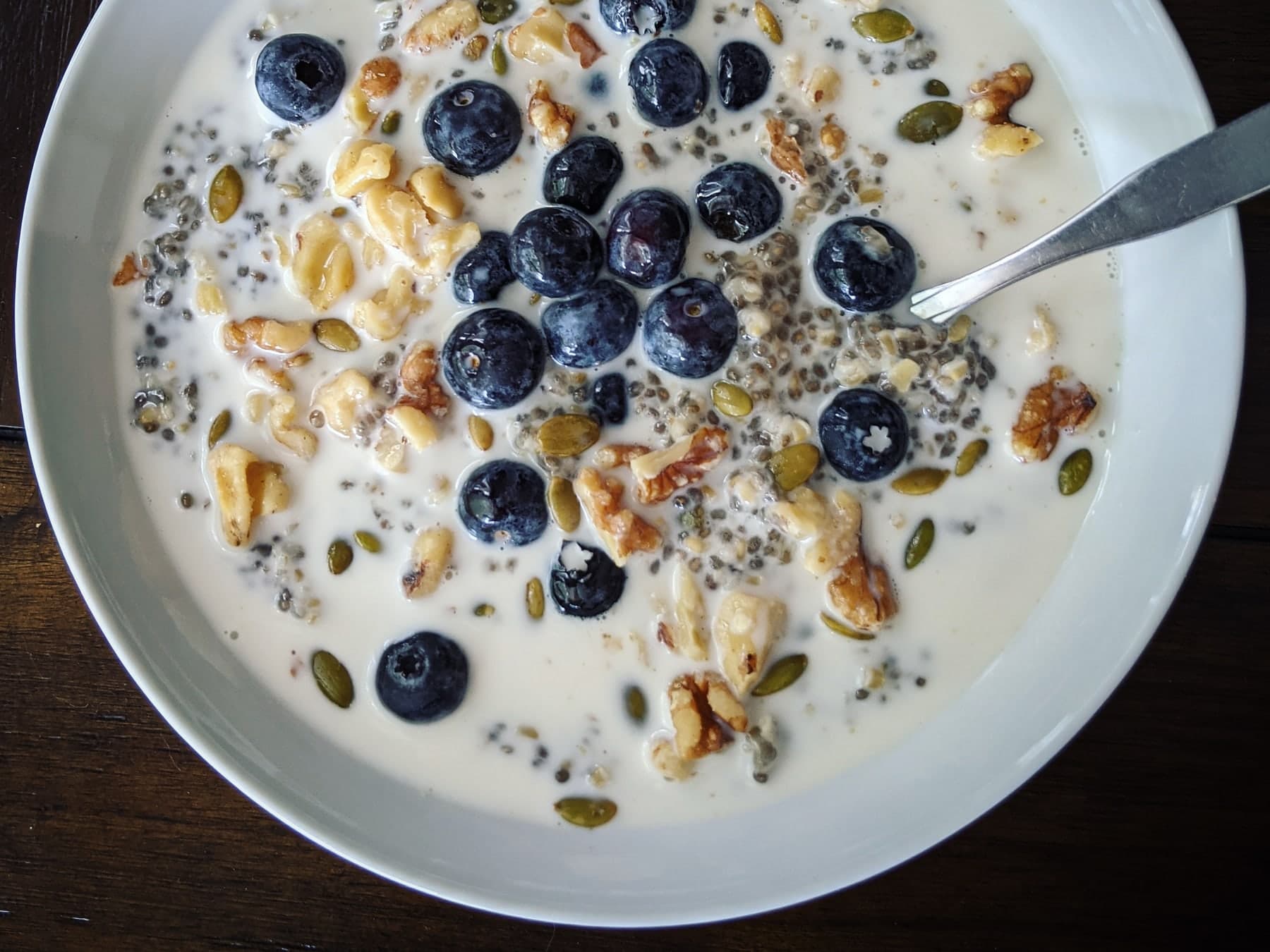
Breakfast is often the easiest place to improve protein intake. A bowl of oatmeal with berries is nutritious, but depending on preparation, it may provide only modest protein. Add Greek yogurt, milk, soy milk, nuts, or seeds, and the meal becomes more substantial. Or consider eggs with whole-grain toast and fruit. A vegetable scramble with eggs and tofu can provide a substantial amount of protein without requiring a huge serving of meat. For someone who prefers a quick breakfast, plain Greek yogurt with berries and walnuts is difficult to beat for convenience. The objective isn’t to create a protein contest. It’s to stop arriving at dinner with most of your daily protein still uneaten.
Does protein timing matter?
Total daily intake is the foundation. Meal distribution may provide an additional advantage, particularly for people who otherwise eat very little protein until evening. A practical target for many adults is approximately 25–40 grams of protein at each main meal, adjusted for body size and daily requirements. After resistance exercise, consuming a protein-containing meal within the next few hours is reasonable. You don’t need to sprint to the refrigerator the moment you finish your last repetition. Muscle remains responsive to exercise and nutrition beyond a narrow post-workout window. Consistency over weeks and months matters much more than perfect timing on any particular Tuesday.
The doctor of the future will no longer treat the human frame with drugs, but rather will cure and prevent disease with nutrition.
What about leucine?
Leucine is an essential amino acid that helps stimulate muscle protein synthesis. Foods naturally rich in leucine include dairy products, eggs, meat, fish, and soy. Whey protein is particularly leucine-rich, which partly explains its popularity in sports nutrition. But ordinary meals can supply leucine too. A serving of salmon, a bowl of Greek yogurt, or a meal built around tofu and legumes can contribute to the amino acid intake needed for muscle maintenance. There’s little reason for most people to begin buying isolated leucine supplements before addressing overall protein intake and exercise.
Can you get enough protein without meat?
Yes. Vegetarian and vegan diets can support muscle health when they’re planned to provide enough total protein, essential amino acids, and other nutrients. Soy foods are especially convenient because they offer high-quality plant protein. Lentils, beans, chickpeas, peas, whole grains, nuts, and seeds also contribute. A vegan meal might combine tofu, brown rice, vegetables, and edamame. Another could include lentil pasta with tomato sauce and a side of roasted chickpeas. Plant-based eating may require somewhat more attention to portions because some plant foods deliver less protein per calorie than lean animal foods. For example, almonds are nutritious, but obtaining 30 grams of protein from almonds alone would require a substantial number of calories. They make an excellent addition to a meal, not necessarily the main protein source.
Is too much protein bad for your kidneys?
For people with healthy kidney function, higher-protein diets within commonly studied ranges have not consistently been shown to cause kidney disease. That does not mean unlimited protein intake is beneficial. And it is a different situation for someone with chronic kidney disease. People with reduced kidney function may need individualized protein targets based on disease stage, treatment, nutritional status, and whether dialysis is involved. A blanket instruction to eat 150 grams of protein daily is therefore inappropriate. If you have known kidney disease, significant liver disease, or a medically prescribed protein restriction, use the targets established with your healthcare team. For everyone else, the first question is usually much simpler: Are you eating enough protein to support the body and activities you want to maintain?
5. Carbohydrates: Stop blaming the entire family for the behavior of a few relatives
Carbohydrates have endured an impressive amount of bad publicity. Bread is accused of causing weight gain. Potatoes are treated with suspicion. Fruit sometimes gets lumped into the same category as candy. But the carbohydrate category contains foods with dramatically different nutritional qualities. Lentils, oats, blueberries, and sugary soda all contain carbohydrates. That doesn’t make them nutritionally equivalent.
If you keep on eating unhealthy food than no matter how many weight loss tips you follow, you are likely to retain weight and become obese. If only you start eating healthy food, you will be pleasantly surprised how easy it is to lose weight.
Why carbohydrate quality matters
Carbohydrates are broken down into sugars that the body can use for energy. The speed and magnitude of the resulting blood glucose response depend on several factors, including food structure, fiber, processing, portion size, and what else is eaten. A whole apple contains water, fiber, and a complex physical structure that takes time to chew and digest. Apple juice removes much of that structure and typically provides less fiber. Both can fit into a diet, but they affect fullness differently. Similarly, a bowl of steel-cut oats with nuts and berries is not nutritionally interchangeable with a bowl of highly sweetened cereal. Whole grains, legumes, vegetables, and whole fruits supply carbohydrates alongside vitamins, minerals, fiber, and beneficial plant compounds. They deserve a regular place on the plate.
Fiber is one of the most underrated nutrients
Fiber does several jobs. Some types add bulk to stool and help support regular bowel movements. Viscous soluble fibers can slow digestion and help reduce LDL cholesterol. Fermentable fibers provide fuel for certain intestinal microbes, which produce compounds such as short-chain fatty acids. Fiber-rich foods also tend to be filling. The Institute of Medicine’s established adequate intake values for adults over 50 are approximately 30 grams daily for men and 21 grams for women. A broader practical target of roughly 25–30 grams or more may suit many adults, depending on energy intake and tolerance. The challenge is that many people consume considerably less.
A realistic way to reach 30 grams
| Food | Approximate fiber |
|---|---|
| ½ cup cooked lentils | 8 g |
| ½ cup black beans | 7–8 g |
| 1 medium pear | 5–6 g |
| 1 cup raspberries | 8 g |
| ½ cup dry rolled oats | 4 g |
| 1 tablespoon chia seeds | 4–5 g |
| 1 cup cooked broccoli | 5 g |
| 1 oz almonds | 3–4 g |
You don’t need all of these in one day. A breakfast with oatmeal and raspberries, a lunch containing beans, and vegetables at dinner can bring you surprisingly close. Increase fiber gradually if your current intake is low, and drink enough fluids. A sudden leap from ten grams to thirty-five can cause uncomfortable bloating.
What about potatoes, rice, and pasta?
Keep them in perspective. A baked potato provides potassium, vitamin C, and other nutrients. Its nutritional role depends partly on preparation, portion, and the rest of the meal. A potato served with fish and vegetables is different from an oversized serving of fries accompanied by a sugary drink. Rice can be part of a healthy eating pattern, including many traditional Asian, Latin American, and other cuisines. Whole-grain versions generally offer more fiber, but white rice isn’t forbidden. Pasta can also fit. A reasonable portion paired with vegetables, olive oil, and a meaningful protein source makes a perfectly respectable meal. For blood sugar management, portions and meal composition often matter more than eliminating entire food categories.
How much added sugar is reasonable?
Added sugars can contribute calories without providing much nutritional value. Sweetened beverages are an especially easy way to consume large amounts because they do little to satisfy hunger. The American Heart Association has long recommended limiting added sugar to about 25 grams daily for most women and 36 grams for most men, while federal guidance also emphasizes limiting added sugars. These are useful reference points, not reasons to panic over an occasional dessert. If you enjoy a slice of birthday cake, enjoy it. A healthy diet is defined by what you eat consistently, not by whether you participate in birthdays.
6. Dietary fat: The type matters more than the fear
Fat is essential. It helps form cell membranes, supports absorption of vitamins A, D, E, and K, supplies essential fatty acids, and contributes flavor and satisfaction to meals. The question isn’t whether to eat fat. It’s which fats to emphasize, and what foods they’re replacing.
Make unsaturated fats your everyday default
Olive oil, nuts, seeds, avocados, and many fish provide predominantly unsaturated fats. Replacing some saturated fat with unsaturated fat can improve blood lipid profiles, particularly LDL cholesterol. Extra-virgin olive oil is a central feature of traditional Mediterranean eating patterns. Walnuts provide polyunsaturated fats, including the plant omega-3 alpha-linolenic acid. Fatty fish such as salmon, sardines, trout, and herring supply the long-chain omega-3 fatty acids EPA and DHA. These foods are useful because they contribute more than fat alone. Nuts provide minerals and fiber. Fish supplies protein. Olive oil makes vegetables taste better, which is an underrated public-health achievement.
What about saturated fat?
Saturated fat is found in foods such as butter, fatty meat, cheese, and some tropical oils. High saturated-fat intake can raise LDL cholesterol in many people, although responses vary. For cardiovascular health, replacing some saturated fat with unsaturated fat is generally a sensible strategy. This doesn’t require declaring cheese illegal. It means making olive oil your routine cooking fat, enjoying nuts regularly, choosing fish and other protein sources thoughtfully, and considering overall portions of foods rich in saturated fat. Industrial trans fats from partially hydrogenated oils have especially unfavorable cardiovascular effects and should be avoided.
Omega-3s deserve attention, but not mythology
EPA and DHA are involved in cell membrane function and numerous physiological processes. Eating fish regularly is associated with cardiovascular benefits, and the American Heart Association recommends fish, particularly fatty fish, about twice weekly. That doesn’t mean fish-oil capsules automatically reproduce every benefit of eating fish. Supplement trials have produced mixed results depending on population, formulation, dose, and outcome. High-dose prescription omega-3 products have specific medical uses, but they should not be confused with ordinary over-the-counter supplements. For most people, a food-first approach is reasonable. Try salmon, trout, sardines, or herring twice a week if you enjoy fish. If you don’t eat seafood, algae-derived EPA/DHA products are an option to discuss based on your circumstances.

7. The vitamins and minerals worth paying attention to
Nutrition advice has a tendency to turn nutrients into celebrities. Vitamin D gets headlines. Magnesium becomes a social-media obsession. Vitamin B12 appears in advertisements promising energy, clarity, and vitality. The truth is less glamorous but more useful. Your body requires a coordinated supply of vitamins and minerals. A deficiency can cause real problems, but taking extra amounts of a nutrient you already have enough of rarely creates a supercharged version of yourself. For adults over 50, a few nutrients deserve special attention because of changes in requirements, absorption, or common eating patterns.
Calcium: Your skeleton’s ongoing building material
Most of the body’s calcium is stored in bones and teeth. But calcium also supports muscle contraction, nerve signaling, and other essential functions. If dietary calcium is inadequate, the body can draw on skeletal stores to help maintain blood calcium levels. That doesn’t mean one calcium-poor day weakens your bones. Bone health reflects long-term processes involving nutrition, hormones, genetics, activity, and medical conditions. Recommended calcium intakes differ by age and sex. Women 51 and older generally need 1,200 milligrams daily. Men ages 51–70 need 1,000 milligrams, increasing to 1,200 milligrams after 70. Good food sources include yogurt, milk, calcium-fortified soy milk, calcium-set tofu, certain leafy greens, and canned sardines or salmon with edible bones. A cup of milk provides roughly 300 milligrams. A serving of yogurt may provide a similar amount or more. Some leafy vegetables, such as spinach, contain calcium but also compounds that reduce its absorption. Bok choy and kale generally provide more readily absorbed calcium. If you don’t eat dairy, read the labels on fortified alternatives. Their calcium and protein contents vary considerably.
Vitamin D: Important, but more isn’t always better
Vitamin D helps the body absorb calcium and supports normal bone mineralization. The recommended dietary allowance is 600 international units, or 15 micrograms, daily for adults through age 70, and 800 IU, or 20 micrograms, after 70. Vitamin D occurs naturally in relatively few foods. Fatty fish, egg yolks, and some mushrooms provide varying amounts. Fortified milk and other fortified foods can contribute substantially. Sunlight can trigger vitamin D production in the skin, but production depends on latitude, season, skin pigmentation, age, clothing, and other factors. Excessive ultraviolet exposure carries skin-cancer risks, so deliberate unprotected sun exposure isn’t a reliable nutrition strategy. Vitamin D supplementation may be appropriate for people with inadequate intake or particular medical risks. However, taking very high doses has not been shown to deliver universal benefits for otherwise healthy adults, and excessive vitamin D can cause harm. The usual adult upper intake level is 4,000 IU daily, unless a clinician is supervising treatment. Routine vitamin D blood testing isn’t necessary for every healthy adult. Testing is more useful when there are specific clinical indications, such as suspected deficiency, certain bone disorders, or malabsorption.
Vitamin B12: A small requirement with important consequences
Vitamin B12 helps maintain nerve function and supports red blood cell formation and DNA synthesis. Adults generally need 2.4 micrograms daily. That sounds tiny, and it is. But absorbing B12 from ordinary food requires several steps involving stomach acid, digestive enzymes, and intrinsic factor. Some older adults have difficulty absorbing food-bound B12 because of conditions such as atrophic gastritis. Certain medications, including metformin and long-term acid-suppressing drugs, can also contribute to low B12 levels. The National Institute on Aging notes that adults over 50 may benefit from B12-fortified foods or supplements because these forms are easier to absorb when food-bound B12 absorption is impaired. Good sources include fish, meat, eggs, dairy products, and fortified foods. People eating fully plant-based diets need a dependable B12 source from fortified foods or supplements. Persistent fatigue, numbness, tingling, balance problems, or cognitive changes can have many causes, but B12 deficiency is one possibility worth evaluating. Do not assume that a normal-looking diet rules it out.
Magnesium: More than a supplement trend
Magnesium participates in hundreds of enzymatic reactions. It contributes to muscle and nerve function, energy metabolism, blood glucose regulation, and bone health. Recommended intakes for adults over 50 are approximately 420 milligrams daily for men and 320 milligrams for women. Food sources include pumpkin seeds, almonds, beans, whole grains, leafy greens, and some dairy products. A diet rich in legumes, nuts, seeds, and whole grains can supply meaningful amounts without requiring a supplement. Supplemental magnesium isn’t automatically necessary. High doses can cause diarrhea, and people with impaired kidney function can be at greater risk of magnesium accumulation. The adult upper limit of 350 milligrams daily applies to magnesium from supplements and medications, not naturally occurring magnesium in foods.
Potassium: A reason to eat more plants
Potassium supports normal nerve signaling, muscle function, and fluid balance. It also plays a role in blood pressure regulation. Many adults consume less potassium than recommended. The adequate intake is approximately 3,400 milligrams daily for men and 2,600 milligrams for women. Potassium-rich foods include potatoes, beans, lentils, yogurt, leafy greens, squash, and fruit. Bananas are famous for potassium, but they don’t have exclusive rights to the mineral. A baked potato or a serving of beans can provide more potassium than a medium banana. For people with healthy kidney function, increasing potassium-rich whole foods can be helpful. But those with chronic kidney disease or taking medications that raise potassium levels may need restrictions. Potassium supplements and potassium-based salt substitutes deserve particular caution in those circumstances.
A useful nutrient reference table
| Nutrient | Women 51+ | Men 51+ | Practical sources |
|---|---|---|---|
| Calcium | 1,200 mg | 1,000 mg at 51–70; 1,200 mg at 71+ | Yogurt, fortified soy milk, tofu, sardines |
| Vitamin D | 600 IU through 70; 800 IU at 71+ | Same | Fortified foods, fatty fish |
| Vitamin B12 | 2.4 mcg | 2.4 mcg | Fish, eggs, dairy, fortified foods |
| Magnesium | 320 mg | 420 mg | Nuts, beans, seeds, whole grains |
| Potassium | 2,600 mg | 3,400 mg | Potatoes, beans, greens, yogurt |
| Vitamin B6 | 1.5 mg | 1.7 mg | Fish, poultry, chickpeas, potatoes |
| Zinc | 8 mg | 11 mg | Seafood, meat, dairy, legumes |
| Fiber | 21 g | 30 g | Beans, vegetables, oats, fruit |
These are general U.S. dietary reference values. Individual needs and medically prescribed restrictions may differ.

8. Hydration: Don’t wait until you’re parched
Water doesn’t have the marketing department that supplements enjoy. It doesn’t arrive in a dramatic bottle promising cellular rejuvenation. It doesn’t claim to activate mysterious longevity pathways. It simply makes normal physiology possible. Water supports circulation, temperature regulation, digestion, kidney function, and countless chemical reactions. Even relatively modest dehydration can affect physical performance and how someone feels.
How much should you drink?
The National Academies’ established adequate intake values for total water are approximately 3.7 liters daily for men and 2.7 liters for women. But those figures include water from food and all beverages, not just plain drinking water. Fruits, vegetables, soups, milk, tea, and coffee all contribute. Individual requirements vary with body size, activity, temperature, humidity, medications, and medical conditions. For most healthy adults, a practical approach is to drink regularly, include fluids with meals, and pay attention to thirst and urine color. Pale yellow urine often suggests reasonable hydration, although vitamins and medications can affect its appearance. Someone exercising outdoors in hot weather may need considerably more fluid. Someone with heart failure, advanced kidney disease, or a medically prescribed fluid restriction may need a different plan.
Does coffee count?
Yes. Coffee and tea contribute to fluid intake. Although caffeine can have a mild diuretic effect, habitual consumption of moderate amounts of caffeinated beverages generally contributes to hydration. That doesn’t mean drinking six enormous coffees is ideal. Sleep disruption, anxiety, palpitations, and individual caffeine sensitivity still matter.
Three easy ways to drink more consistently
Keep water visible where you spend time. Drink something with each meal. And take a water bottle when leaving the house for a walk, errands, or exercise. If plain water bores you, add citrus, cucumber, or mint. Unsweetened sparkling water works too. Hydration doesn’t need to become another full-time job.
9. The eating patterns most closely associated with healthy aging
Every few years, a new diet arrives promising to solve problems that have occupied nutrition scientists for decades. Sometimes it emphasizes fat. Sometimes carbohydrates. Sometimes eating windows, blood glucose spikes, or obscure compounds extracted from plants. Yet when researchers examine the dietary patterns most consistently associated with good health, familiar foods keep appearing: vegetables, fruit, beans, whole grains, nuts, fish, olive oil and other unsaturated fats. The details differ, but the family resemblance is unmistakable.
Don’t eat anything your great-great grandmother wouldn’t recognize as food. There are a great many food-like items in the supermarket your ancestors wouldn’t recognize as food. Stay away from these.”
The Mediterranean diet: A strong starting point
The Mediterranean diet isn’t a single rigid menu. It describes eating traditions associated with parts of the Mediterranean region, emphasizing vegetables, fruit, legumes, whole grains, nuts, olive oil, and often fish. Amounts of dairy, eggs, poultry, and other foods vary. One reason this pattern receives so much attention is that its cardiovascular evidence includes randomized trials, not merely observational studies. The PREDIMED trial studied people at elevated cardiovascular risk and compared Mediterranean dietary patterns supplemented with extra-virgin olive oil or nuts against advice to follow a reduced-fat diet. The republished 2018 analysis found lower rates of major cardiovascular events in the Mediterranean-diet groups. The trial had important methodological limitations involving randomization procedures, which led to its original publication being retracted and reanalyzed. The revised analysis nevertheless supported the overall cardiovascular finding. That’s stronger evidence than a fashionable theory about one isolated food. It also illustrates a useful principle: dietary patterns can influence health without requiring every individual ingredient to possess miraculous properties.
What Mediterranean eating looks like at home
Breakfast might be plain yogurt with berries, oats, and walnuts. Lunch could be lentil soup with a green salad and whole-grain bread. Dinner might be salmon with roasted vegetables, potatoes, and olive oil. You could also prepare a chickpea-and-vegetable stew, whole-grain pasta with tomato sauce, or a bean salad with herbs and lemon. There is no requirement to buy expensive imported foods or pretend you live beside the Aegean Sea. Canned beans work. Frozen vegetables work. Ordinary olive oil works. The pattern matters more than the scenery.

DASH: Particularly useful for blood pressure
DASH stands for Dietary Approaches to Stop Hypertension. It emphasizes vegetables, fruits, whole grains, legumes, nuts, and appropriate dairy foods, while limiting sodium and emphasizing foods that supply potassium, magnesium, and calcium. In controlled feeding trials, DASH lowered blood pressure compared with typical comparison diets. The DASH-Sodium trial also demonstrated that reducing sodium intake could produce additional blood pressure improvements. The combination can be especially valuable for people with hypertension. But DASH isn’t just for someone who has already developed high blood pressure. Its underlying food choices support broader nutritional quality. A practical DASH-inspired dinner could be baked chicken, roasted sweet potatoes, green beans, and a side salad. A lower-sodium version might use garlic, herbs, citrus, and spices for flavor rather than relying heavily on salt.
MIND: Eating with brain health in mind
The MIND diet combines elements of Mediterranean and DASH eating while emphasizing foods that have attracted particular interest in cognitive research. These include leafy greens, other vegetables, berries, nuts, beans, whole grains, fish, poultry, and olive oil. It also recommends limiting certain foods high in saturated fat and highly processed items. Observational studies have linked greater adherence to MIND-style eating with better cognitive outcomes. But association is not proof that the diet prevents dementia. A randomized trial published in The New England Journal of Medicine in 2023 compared a calorie-restricted MIND diet with a calorie-restricted control diet among older adults with a family history of dementia. Over three years, both groups showed improvements in measured cognition, but the MIND group did not demonstrate a statistically significant advantage over the control group on the primary cognitive outcome. That’s a useful reality check. MIND-style eating can still be nutritionally excellent. The evidence simply doesn’t justify promising that following it will prevent cognitive decline.
Every time you eat or drink, you are either feeding disease or fighting it.
The broader picture: Healthy patterns beat nutritional perfectionism
Large observational studies have associated higher adherence to several healthy dietary indices, including the Alternative Healthy Eating Index, with lower risks of chronic disease and mortality. These studies cannot establish that diet alone caused the differences. People who eat well may also exercise more, smoke less, have better access to healthcare, or differ in other important ways. Researchers attempt to account for these factors, but residual confounding remains possible. Even so, when observational findings align with controlled trials showing improvements in blood pressure, cholesterol, and other risk factors, the overall evidence becomes more persuasive. The recurring message is that long-term eating patterns matter. One meal doesn’t make or break your health. Neither does one dessert. The question is what your ordinary Tuesday looks like, repeated over months and years.
10. The same foods can serve several health goals
One of the pleasures of good nutrition is that you don’t need a separate diet for every organ. A meal that supports cardiovascular health may also help blood sugar regulation, digestive function, and muscle maintenance. There are exceptions, particularly when medical conditions require specific restrictions. But most healthy eating patterns share more common ground than differences.
For your heart: Think beyond cholesterol alone
Cardiovascular disease involves multiple risk factors, including blood pressure, blood lipids, diabetes, smoking, genetics, and physical inactivity. Food can influence several of these. Replacing saturated fat with unsaturated fat can help lower LDL cholesterol. Increasing soluble fiber from foods such as oats, beans, and barley can also help. Reducing excess sodium may lower blood pressure, especially in people who are salt-sensitive. Eating potassium-rich foods can support blood pressure regulation when kidney function and medications permit. And improving overall dietary quality can help with weight management and metabolic health. A practical heart-supportive meal could include baked trout, barley, roasted broccoli, and olive oil. It isn’t a medical treatment in disguise. It’s simply a meal whose components align with well-established dietary recommendations.
For blood sugar: Build meals that work together
Blood glucose management isn’t solely about avoiding sugar. Meal size, carbohydrate quality, fiber, physical activity, sleep, and medication all influence glucose regulation. Combining carbohydrates with protein, fiber, and fat can alter digestion and the resulting glucose response. For example, a bowl of white rice eaten alone may affect blood glucose differently than a smaller portion served with tofu, vegetables, and a little sesame oil. Legumes are particularly useful because they provide both carbohydrate and substantial fiber, along with protein. Walking after meals can also help lower post-meal glucose excursions in some people. Even a ten- or fifteen-minute walk may be worthwhile. For someone with diabetes, the most appropriate carbohydrate intake depends on medications, preferences, activity, and individual glucose responses. There is no universal requirement to eliminate bread, fruit, potatoes, or rice.
For bones and muscles: Food and exercise are partners
You can eat enough calcium and protein and still lose physical capacity if you rarely challenge your muscles. And you can exercise diligently while making recovery harder through chronically inadequate food intake. The strongest approach combines the two. Resistance training provides the mechanical stimulus. Protein supplies amino acids. Adequate energy supports recovery. Calcium and vitamin D contribute to bone health. Weight-bearing activity and resistance exercise help maintain skeletal strength, although exercise effects differ by site and training program. For someone beginning strength training, even simple movements can be useful: chair squats, wall push-ups, resistance-band rows, and controlled step-ups. Progress gradually as strength and confidence improve.

For your brain: Support the systems that support it
The brain depends on an adequate supply of energy and nutrients, but brain health is not determined by a single food. Cardiovascular health matters because the brain depends on healthy blood vessels. Blood pressure, diabetes, smoking, physical activity, hearing, sleep, and other factors also influence cognitive health. Dietary patterns that support cardiovascular health may therefore have relevance to brain aging. Leafy greens, berries, fish, legumes, nuts, and whole grains are sensible choices. But be wary of claims that a specific food prevents Alzheimer’s disease or that an expensive supplement can restore memory. Those promises run well ahead of the evidence.
Food is medicine, and the right kind of a relationship with food can make a positive impact on your health.
For your gut: Feed the community living inside you
Your digestive tract contains a complex ecosystem of microorganisms. Collectively, these organisms are called the gut microbiome. Some microbes ferment dietary fibers that human digestive enzymes cannot break down. The resulting compounds include short-chain fatty acids, which participate in intestinal physiology and other biological processes. Diet can influence microbial composition and activity. A varied intake of plant foods is one practical way to supply different fermentable substrates. Beans, oats, onions, garlic, asparagus, whole grains, fruit, and vegetables all contribute. Fermented foods such as yogurt, kefir, kimchi, and sauerkraut may also be useful additions, although their microbial content and demonstrated effects vary. Not every fermented food contains live organisms when consumed. And not every probiotic supplement has evidence for every digestive complaint. If you experience persistent bloating, abdominal pain, diarrhea, or constipation, don’t assume the solution is simply to buy more probiotics. Some conditions require a more individualized approach.
For joint comfort: Manage expectations
Chronic joint pain can have many causes, including osteoarthritis and inflammatory conditions. Weight management may reduce mechanical load on weight-bearing joints when excess weight is present. Adequate nutrition supports general health. Dietary patterns rich in vegetables, fruit, whole grains, and unsaturated fats are associated with favorable inflammatory profiles in some studies. But claims that particular foods reliably eliminate arthritis pain are often exaggerated. Turmeric, ginger, and other ingredients can be enjoyable additions to meals. Their presence in a recipe does not turn dinner into a proven anti-inflammatory treatment. If joint pain is limiting your activity, appropriate medical evaluation and a tailored movement program can matter more than chasing individual ingredients.
For cancer-risk reduction: The unglamorous habits matter
Cancer is not one disease, and diet cannot eliminate cancer risk. However, major cancer-prevention organizations recommend dietary and lifestyle patterns that include plenty of whole grains, vegetables, fruit, and legumes. They also recommend limiting processed meat, moderating or limiting red meat, maintaining a healthy weight where appropriate, and limiting alcohol. Processed meat consumption is associated with increased colorectal cancer risk. Fiber-rich foods and whole grains are associated with lower colorectal cancer risk. Alcohol increases the risk of several cancers, and the risk is not limited to heavy drinking. These recommendations are not guarantees. They are ways to influence modifiable risk factors over time.
11. The supplement question: What is worth taking?
Walk into a supplement store and you’ll find shelves promising stronger bones, sharper memory, improved metabolism, better sleep, healthier joints, and biological age reversal. Some products address genuine nutritional needs. Others are expensive answers to questions that haven’t been convincingly answered. The useful starting point is to distinguish a nutrient deficiency from the hope that taking more of something will create an additional benefit.
Vitamin B12
A B12 supplement can be valuable for people with inadequate intake or impaired absorption. This is particularly relevant to people following vegan diets, those with certain gastrointestinal conditions, and some people taking metformin or acid-suppressing medications. Supplement doses are often much higher than the daily requirement because absorption is limited. If deficiency is suspected, testing and treatment should be guided by the clinical situation. Severe deficiency, particularly with neurological symptoms, deserves prompt attention.
Vitamin D
Vitamin D supplementation can help correct inadequate intake or deficiency. But routinely taking very high doses without a clear reason is not a sound longevity strategy. Large trials have not demonstrated broad prevention benefits for many outcomes among generally healthy adults who are not deficient. If you have osteoporosis, malabsorption, or other relevant medical conditions, your clinician may recommend a more specific approach.
Calcium
Food is generally the preferred starting point. If you consistently fall short of your calcium target, a supplement may help close the gap. Calcium supplements are absorbed more efficiently in moderate doses than in very large single doses. Calcium carbonate is generally best taken with food, while calcium citrate is less dependent on stomach acid. Excess supplemental calcium can contribute to kidney stones in susceptible individuals, and questions remain about certain cardiovascular outcomes. The goal is adequate intake, not maximum intake.
Protein powder
Protein powder is food convenience packaged as a supplement. Whey, casein, soy, pea, and blended plant proteins can help someone meet daily targets when ordinary meals fall short. A shake may be useful after exercise, during recovery, or when appetite is limited. But protein powder isn’t inherently superior to fish, yogurt, tofu, eggs, or legumes. Choose products with transparent ingredient lists and independent quality testing when possible.
Omega-3 supplements
Omega-3 supplements have specific uses, but routine supplementation has not consistently produced the cardiovascular benefits once hoped for in general populations. High-dose prescription formulations are a different category and may be appropriate for selected patients. Some omega-3 supplements can interact with medications or increase atrial fibrillation risk at high doses in certain populations. If you eat fish regularly, additional supplementation may offer little benefit.
Multivitamins
A basic multivitamin can provide nutritional insurance when dietary intake is inconsistent. But it cannot reproduce the fiber, protein, food structure, and many other components of a balanced diet. Large trials have not established that routine multivitamin use substantially extends life. There are interesting findings involving certain cognitive outcomes in specific studies, but these do not justify treating multivitamins as proven dementia prevention. For most adults, improving dietary quality offers a more meaningful foundation.
Creatine: Worth knowing about
Creatine deserves a place in the conversation because it has been studied extensively in exercise performance and increasingly in older adults. Creatine helps regenerate ATP during short, intense muscular efforts. When combined with resistance training, creatine monohydrate may improve strength and lean mass gains in some older adults. It is not a substitute for exercise. A commonly studied maintenance dose is approximately 3–5 grams daily. Creatine can increase body weight through water retention in muscle, and people with kidney disease or other relevant conditions should seek individualized guidance before use. Product quality matters. Creatine is one of the more evidence-supported sports supplements, but that doesn’t mean everyone needs it.
A sensible supplement checklist
Before buying something, ask:
What specific problem am I trying to solve?
Is there evidence that this product helps with that problem?
Could I meet the need through food?
Is the dose appropriate?
Could it interact with my medications or medical conditions?
Has the product been independently tested for quality?
Supplements are not regulated through the same premarket approval process as prescription drugs. Third-party programs such as USP Verified or NSF certification can provide additional quality assurance, although certification doesn’t establish that a supplement is effective for its advertised purpose.
12. Medication interactions that deserve a place at the dinner table
Food and medications sometimes influence each other in ways that are easy to overlook. This is particularly relevant when someone takes several medications. A few examples illustrate why personalized advice matters. Warfarin and vitamin K: leafy greens are nutritious, but vitamin K can affect warfarin’s anticoagulant action. The usual goal is consistent vitamin K intake, not automatically avoiding vegetables. Levothyroxine: calcium and iron supplements can interfere with absorption when taken too close to thyroid medication. Timing instructions matter. Certain antibiotics: calcium, magnesium, and iron can reduce absorption of some antibiotics. Follow the medication’s specific spacing instructions. ACE inhibitors, ARBs, and potassium-sparing diuretics: these medications can increase potassium levels. Potassium supplements and potassium-containing salt substitutes may be inappropriate without supervision. Metformin: long-term use can contribute to vitamin B12 deficiency in some people. Grapefruit: grapefruit and grapefruit juice can affect the metabolism of certain medications, including some statins and other drugs. The interaction depends on the specific medication. Diabetes medications: skipping meals or changing carbohydrate intake substantially can affect blood glucose, particularly with insulin and sulfonylureas. These examples aren’t a complete interaction list. A pharmacist can often provide an excellent medication-and-supplement review, especially when you bring a complete list of prescriptions, over-the-counter products, and supplements.
13. Build a plate that handles most of the work for you
Nutrition becomes easier when you stop treating every meal as a fresh mathematical puzzle. A flexible plate-building method can help. Start with a meaningful protein source. Add vegetables or fruit. Include a fiber-rich carbohydrate when appropriate. Finish with a modest amount of healthy fat. That’s the framework. The proportions can change with appetite, energy needs, training, and medical circumstances.
The everyday plate
A flexible starting point: about half produce, one-quarter protein foods, and one-quarter grains or starchy foods. Add healthy fats and adjust portions to your needs. This isn’t a law of nutrition. A person trying to gain muscle may need larger portions of protein and carbohydrates. Someone with a small appetite may benefit from more energy-dense foods rather than filling half a plate with low-calorie vegetables. A person managing diabetes may use different carbohydrate portions. The plate is a planning tool, not a test you can fail.
Five meals that demonstrate the idea
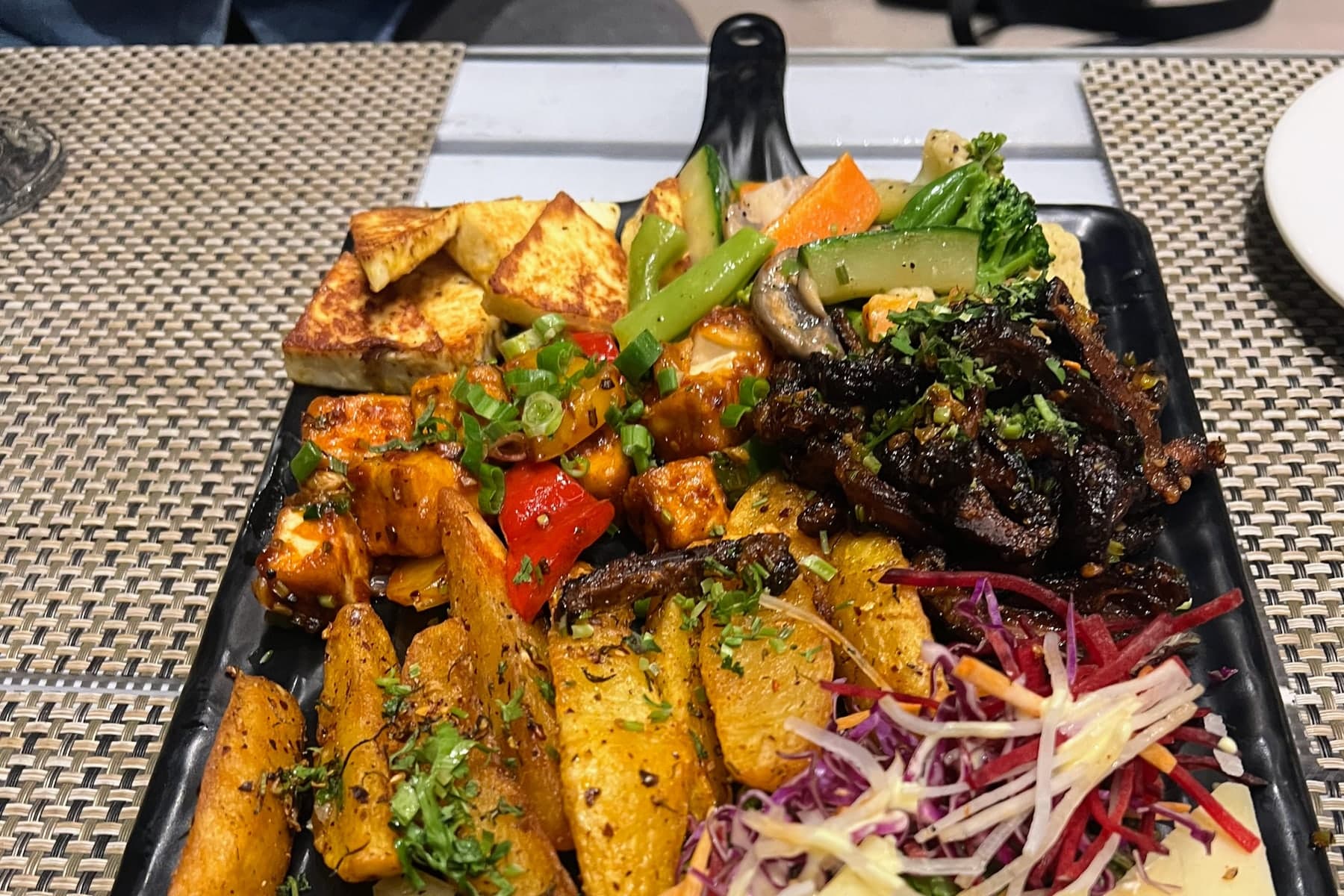
Salmon with potatoes and green beans: protein, omega-3 fats, potassium, vegetables, and satisfying carbohydrates. Lentil soup with whole-grain bread and yogurt: fiber, plant protein, minerals, and additional protein from yogurt. Chicken and black bean burrito bowl: chicken, beans, brown rice, peppers, salsa, avocado, and leafy greens. Tofu stir-fry: tofu, broccoli, carrots, mushrooms, brown rice, and a sauce made with ginger, garlic, and a moderate amount of sodium. Eggs, vegetables, and whole-grain toast: an easy meal that works for breakfast, lunch, or dinner. There is no need for every meal to look like a photograph from a luxury wellness retreat. Leftovers count. Sandwiches count. Soup counts. The nutritional pattern is what matters.

14. Eating well when you’re cooking for one or two
One of the overlooked challenges of nutrition after 50 is that household circumstances change. Perhaps the children have moved out. Perhaps you live alone. Perhaps your partner has different food preferences, or one of you needs to follow a medically prescribed diet. Cooking a full meal can feel less appealing when there is no crowd to feed. And buying fresh ingredients for one person can produce an irritating amount of waste. The answer is not to cook elaborate meals every day. It’s to create a kitchen that makes nutritious food the easiest option.
Your diet is a bank account. Good food choices are good investments.
The small-household pantry
Keep several reliable building blocks available. Canned beans and lentils provide protein and fiber. Canned salmon, sardines, or tuna offer convenient seafood options. Frozen vegetables eliminate much of the washing and chopping. Eggs, yogurt, and tofu are versatile protein sources. Oats, brown rice, and whole-grain pasta store well. Olive oil, nuts, seeds, herbs, and spices make simple meals more satisfying. A freezer can become one of your most valuable nutrition tools. Cook a pot of lentil soup and freeze individual portions. Prepare extra chicken or tofu for another meal. Freeze sliced whole-grain bread so you can use one or two pieces at a time.
Batch cooking without sacrificing your Sunday
Meal preparation doesn’t have to involve twenty identical plastic containers. Try preparing just three components: a protein, such as roasted chicken or baked tofu; a carbohydrate, such as brown rice or potatoes; and a generous quantity of vegetables. You can combine them differently over several days. Chicken and vegetables become a grain bowl one evening, a sandwich the next afternoon, and a soup ingredient later. Variety comes from seasonings, sauces, and combinations. The goal is to reduce friction, not eliminate spontaneity.
Pro tip: Do this with salads. Buy a Costo container of mixed greens, then at Whole Foods, organic bell peppers, red onions, avocados, cucumbers, red and green cabbage, carrots, and cucumbers. Make the entire batch in a huge mixing bowl, very thin slicing the cabbage, except for the cucumbers and the avocados, and then stick it in a zip lock bag. Insert a straw, and suck out all the air, and then you’ll have salad for the week. Each night just grab out a handful, cut up some cucumber and avocado, and presto: salad. It’s just a tiny bit more work to make a huge salad as it is to make a small salad, so overall it saves a lot of time through the week.
Budget-friendly nutrition is entirely possible
Some of the most nutritious foods are also among the least expensive. Dried beans, lentils, oats, eggs, canned fish, frozen vegetables, potatoes, and seasonal fruit can provide excellent nutritional value. Frozen produce is generally nutritious, and in some circumstances, it may retain nutrients better than fresh produce stored for extended periods. Canned vegetables can be useful too. Choose lower-sodium versions when available or drain and rinse where appropriate. Store-brand yogurt, canned beans, and frozen berries are not nutritionally inferior merely because their packaging lacks fashionable typography.
When appetite is small
For someone who struggles to eat enough, advice to fill up on enormous salads may be counterproductive. Small, nutrient-dense meals can work better. Try yogurt with nut butter, scrambled eggs with cheese, apples with peanut butter, smoothies containing milk or fortified soy milk and protein-rich ingredients, or soup enriched with beans and olive oil. Eat more frequently if large meals are uncomfortable. If chewing is difficult, use softer foods such as eggs, yogurt, fish, well-cooked legumes, stewed vegetables, and oatmeal. Persistent loss of appetite, unintended weight loss, or swallowing difficulty deserves evaluation rather than endless experimentation with meal plans.
Eating alone is a nutritional issue too
Food is more than fuel. Shared meals provide routine, conversation, enjoyment, and sometimes a reason to prepare something more substantial than crackers and cheese. If eating alone has made meals less appealing, consider occasionally sharing food with friends, neighbors, family, or a community group. Even arranging a regular lunch with someone can change the rhythm of eating. Nutrition science can calculate amino acid requirements with extraordinary precision. It is less successful at measuring how much more enjoyable lunch becomes when someone interesting is sitting across the table.

15. A practical day of eating after 50
The following is an illustrative day, not a prescribed calorie plan. Portions should be adjusted to individual energy needs, protein goals, preferences, and medical conditions.
Breakfast
Plain Greek yogurt with rolled oats, berries, and walnuts. This provides protein, fiber, calcium, and unsaturated fats. If you need more protein, use a larger yogurt portion or add milk or fortified soy milk. If you need more energy, increase the oats or nuts.
Lunch
A whole-grain wrap with chicken or tofu, hummus, leafy greens, tomato, and cucumber. Add fruit on the side. This meal combines protein, fiber-rich carbohydrates, produce, and fat.
Afternoon
An apple with peanut butter, or cottage cheese with fruit. A snack isn’t mandatory. It’s useful when hunger, activity, or protein requirements make it appropriate.
Dinner
Baked salmon, roasted potatoes, broccoli, and olive oil. For a vegetarian version, substitute a substantial portion of tofu or tempeh.
Evening
If you’re hungry or need additional nutrition, consider milk, fortified soy milk, yogurt, or another small snack. There is no nutritional rule requiring you to stop eating at a particular hour. However, very large meals close to bedtime can aggravate reflux or interfere with sleep for some people.
The overlooked ingredient: Enjoyment
You can follow a nutritionally impressive eating plan for three days and then abandon it because every meal tastes like punishment. That isn’t success. A sustainable plan should include foods you like, familiar cuisines, satisfying textures, and enough flexibility for restaurants, holidays, travel, and family meals. The healthiest diet on paper has limited value if you cannot stand eating it.
16. Nutrition and exercise work better together
Imagine spending months carefully increasing your protein intake while doing nothing that challenges your muscles. You might improve nutritional adequacy, but you would miss an important opportunity. Muscles adapt to demands. Resistance exercise tells the body that strength is needed. Dietary protein helps provide the materials for that adaptation. Together, they are more useful than either approach in isolation for many people.
Strength training after 50
The Physical Activity Guidelines for Americans recommend muscle-strengthening activity involving all major muscle groups at least twice weekly. For beginners, this might involve simple movements such as chair squats, wall or counter push-ups, resistance-band rows, calf raises, and step-ups. Start at an appropriate difficulty and progress gradually. For experienced exercisers, progressive resistance training may involve heavier weights, additional sets, and more challenging movements. The central principle remains the same: provide a manageable challenge, recover, and gradually increase the demand as your capabilities improve.
Exercise is king; nutrition is queen. Put them together and you’ve got a kingdom.
Aerobic activity belongs in the picture
Walking, cycling, swimming, dancing, hiking, and other aerobic activities support cardiovascular fitness and overall health. General guidelines recommend 150–300 minutes of moderate-intensity aerobic activity weekly, or an equivalent amount of vigorous activity. That might mean a brisk thirty-minute walk five days per week. It can also be accumulated in shorter sessions. Someone starting from very low activity levels can benefit from doing less than the full guideline amount and building up.
Balance, mobility, and daily movement
Balance exercises are especially relevant as people advance in age, but they aren’t exclusively for people who are frail. Standing on one leg near a stable support, practicing controlled weight shifts, and performing appropriate balance challenges can improve physical confidence. Mobility work helps maintain comfortable movement. And ordinary daily activity matters. Gardening, walking the dog, taking stairs, carrying groceries, and getting up from a chair all contribute to a physically engaged life.
Sleep supports the entire project
Poor sleep can affect appetite, food choices, glucose regulation, exercise recovery, and mood. Adults generally need around seven to nine hours of sleep, although individual needs vary. A consistent sleep schedule, morning light exposure, regular activity, and appropriate caffeine timing can help. If snoring, breathing interruptions, or persistent daytime sleepiness are present, evaluation for sleep apnea may be warranted. Nutrition cannot compensate fully for chronically inadequate sleep. Neither can exercise. They are connected parts of the same system.

17. Seven nutrition myths worth retiring
Myth 1: Everyone over 50 needs to eat less
Some people need fewer calories than they once did. Others remain highly active or have nutritional needs increased by illness, recovery, or exercise. The goal is appropriate intake, not automatic restriction.
Myth 2: Carbohydrates cause weight gain
Excess energy intake over time contributes to weight gain, but carbohydrate-rich foods vary enormously in quality. Beans, oats, vegetables, and whole fruits can be valuable components of a healthy diet.
Myth 3: Eating more protein automatically builds muscle
Protein supplies building materials, but resistance exercise provides an important stimulus for muscle growth. Additional protein beyond adequate intake does not guarantee additional muscle.
Myth 4: Supplements are necessary for healthy aging
Some people benefit from specific supplements. Others meet their nutritional needs through food. There is no universal supplement package proven to extend healthy human life.
Myth 5: You should avoid all dietary fat
Unsaturated fats are part of healthy dietary patterns. Fat also helps with absorption of fat-soluble vitamins and makes meals satisfying.
Myth 6: One superfood can transform your health
Blueberries, salmon, kale, walnuts, and other nutritious foods deserve appreciation. None can compensate for a consistently poor overall diet, inactivity, or untreated medical problems.
Myth 7: It’s too late to improve your diet
Dietary changes can improve blood pressure, cholesterol, nutrient intake, and other measurable factors even when started later in life. You don’t need to have eaten perfectly for forty years to benefit from making better choices now.
18. How to tell whether your nutrition plan is working
The most useful nutrition plan is one that produces meaningful results in your actual life. Those results might include improved energy, better blood pressure, greater strength, more regular digestion, or progress toward an appropriate body-composition goal. Not all improvements will be visible. And not every number needs to be measured.
Measurements that may be useful
| Measure | What it can tell you | Limitation |
|---|---|---|
| Body weight trend | Changes in total mass | Cannot distinguish muscle from fat |
| Waist circumference | Approximate abdominal fat changes | Technique and individual variation matter |
| Strength performance | Functional progress | Depends on training and testing consistency |
| Blood pressure | Cardiovascular risk information | Requires reliable measurement |
| Lipid panel | Cholesterol and triglyceride status | Influenced by genetics, medications, and other factors |
| HbA1c or glucose | Blood sugar regulation | Not necessary at every interval for everyone |
| B12 or vitamin D testing | Selected nutrient concerns | Most useful when clinically indicated |
| Appetite and energy | Day-to-day well-being | Symptoms have many possible causes |
A registered dietitian can help translate these observations into a practical eating plan. Medical evaluation becomes especially important with unexplained weight loss, persistent digestive symptoms, swallowing problems, suspected malnutrition, or conditions requiring therapeutic diets. For adults with frailty or significant muscle loss, the priority may be adequate nutrition and functional improvement rather than weight reduction.
19. Your questions, answered
What is the best diet for someone over 50?
For many people, a Mediterranean-style or DASH-style pattern is an excellent starting point. Both emphasize nutrient-dense foods and have substantial evidence supporting cardiovascular and metabolic health. The best version is one you can follow consistently while meeting your individual protein, calorie, and nutrient needs.
Should I eat more protein after 50?
Many older adults may benefit from protein intakes above the general adult RDA, particularly when combined with resistance training. A commonly discussed range is approximately 1.0–1.6 grams per kilogram daily, depending on circumstances. Kidney disease and certain other conditions may require different targets.
Is intermittent fasting healthy after 60?
It can be a workable eating schedule for some people, but it is not essential for healthy aging. It may be unsuitable if it reduces protein or calorie intake too much, causes unwanted weight loss, or complicates diabetes management.
Are eggs healthy after 50?
Eggs provide high-quality protein, choline, B12, and other nutrients. They can fit into a healthy diet. People with elevated LDL cholesterol or particular cardiovascular concerns should consider their overall saturated-fat intake and dietary pattern rather than focusing on eggs alone.
Should I stop eating bread?
No. Whole-grain bread can provide fiber and useful nutrients. Portion size, ingredients, and the rest of the meal matter. People with celiac disease or specific medical needs require different choices.
What should I eat to maintain muscle?
Eat sufficient total protein, distribute meaningful protein portions across meals, consume enough calories, and perform progressive resistance exercise. No individual food replaces the training stimulus.
What foods support brain health?
Vegetables, leafy greens, berries, legumes, whole grains, nuts, fish, and unsaturated fats are consistent with dietary patterns associated with favorable health outcomes. No specific food has been proven to prevent dementia.
Do I need a multivitamin?
Not necessarily. A multivitamin may help address dietary gaps, but it does not replace a balanced diet. Specific supplements are more useful when they address a demonstrated or likely need.
Can I lose weight after 70 without losing muscle?
It may be possible, but preserving muscle and physical function requires particular attention. Adequate protein, resistance training, an appropriate energy deficit, and monitoring are important. For some older adults, weight loss is not the right priority.
Is frozen produce as healthy as fresh?
Frozen vegetables and fruit are generally nutritious and convenient. Nutrient content varies with processing and storage, but frozen produce can be an excellent alternative to fresh.
How much water should I drink?
Needs vary with activity, climate, food intake, medications, and health. Water from foods and beverages contributes to total intake. People with fluid restrictions need individualized guidance.
What is the single most useful nutrition change I can make this week?
If your breakfast and lunch are low in protein, start by improving one of them. Adding Greek yogurt, eggs, tofu, beans, or another substantial protein source can be a simple first step toward more consistent protein intake.
20. Try this: Make one meal noticeably better this week
Choose a meal you eat frequently. Not your most elaborate dinner. Not a special occasion. Choose the breakfast or lunch that happens almost automatically. Then make three small improvements: add a meaningful source of protein; include fruit or vegetables; and add fiber through whole grains, beans, seeds, or another food you enjoy. For example, turn toast and coffee into whole-grain toast with eggs, fruit, and coffee. Or turn a plain bowl of soup into lentil soup with a side of yogurt and fruit. Eat that improved meal several times during the week. Notice whether you’re satisfied, whether it fits your routine, and whether it makes the rest of the day’s eating easier. You don’t need to transform your entire diet overnight. You need a way of eating that works well enough to become ordinary.
21. Eating for the years you want to live
The most compelling reason to eat well after 50 isn’t a laboratory result. It’s what good health makes possible: a long walk through a city you’ve never visited; an afternoon in the garden; a challenging hike; a bicycle ride with friends; carrying your own luggage; getting up from the floor comfortably; cooking something wonderful for people you love. Food cannot guarantee any of those experiences. Genetics, medical care, circumstances, and chance all play roles in how we age. But nutrition is one of the important influences we can act on. Eat enough protein to support your muscles. Choose vegetables, fruit, legumes, whole grains, and healthy fats regularly. Pay attention to calcium, vitamin D, B12, and other nutrients when appropriate. Match portions to your needs. Stay active, particularly with resistance exercise. And make the food taste good. A perfectly optimized meal plan that nobody enjoys won’t last. A nourishing, flexible way of eating that fits your life has a much better chance. The next time you prepare lunch, you don’t need to think about every biochemical process taking place inside your body. Just make yourself something satisfying and nutritious. Then get on with the interesting business of living.
22. Sources and further reading
These are authoritative starting references for the major nutritional recommendations and research discussed in the article.
National Institute on Aging — Vitamins and Minerals for Older Adults. Calcium, vitamin D, B12, and other age-specific nutrient requirements.
National Institute on Aging
Dietary Guidelines for Americans, 2025–2030. Current federal dietary guidance, including protein and nutrient-dense foods.
Health.gov
PREDIMED — Mediterranean Diet and Cardiovascular Disease. Randomized-trial evidence for cardiovascular outcomes.
New England Journal of Medicine
NIH Office of Dietary Supplements. Nutrient reference values, supplement safety, upper limits, and interactions.
National Institute of Diabetes and Digestive and Kidney Diseases. Diabetes, kidney health, weight management, and digestive conditions.
National Heart, Lung, and Blood Institute — DASH Eating Plan.
American Cancer Society — Diet and Physical Activity.
Daily Energy Expenditure Through the Human Life Course. Pontzer and colleagues, Science, 2021.
Trial of the MIND Diet for Prevention of Cognitive Decline in Older Persons. New England Journal of Medicine, 2023.