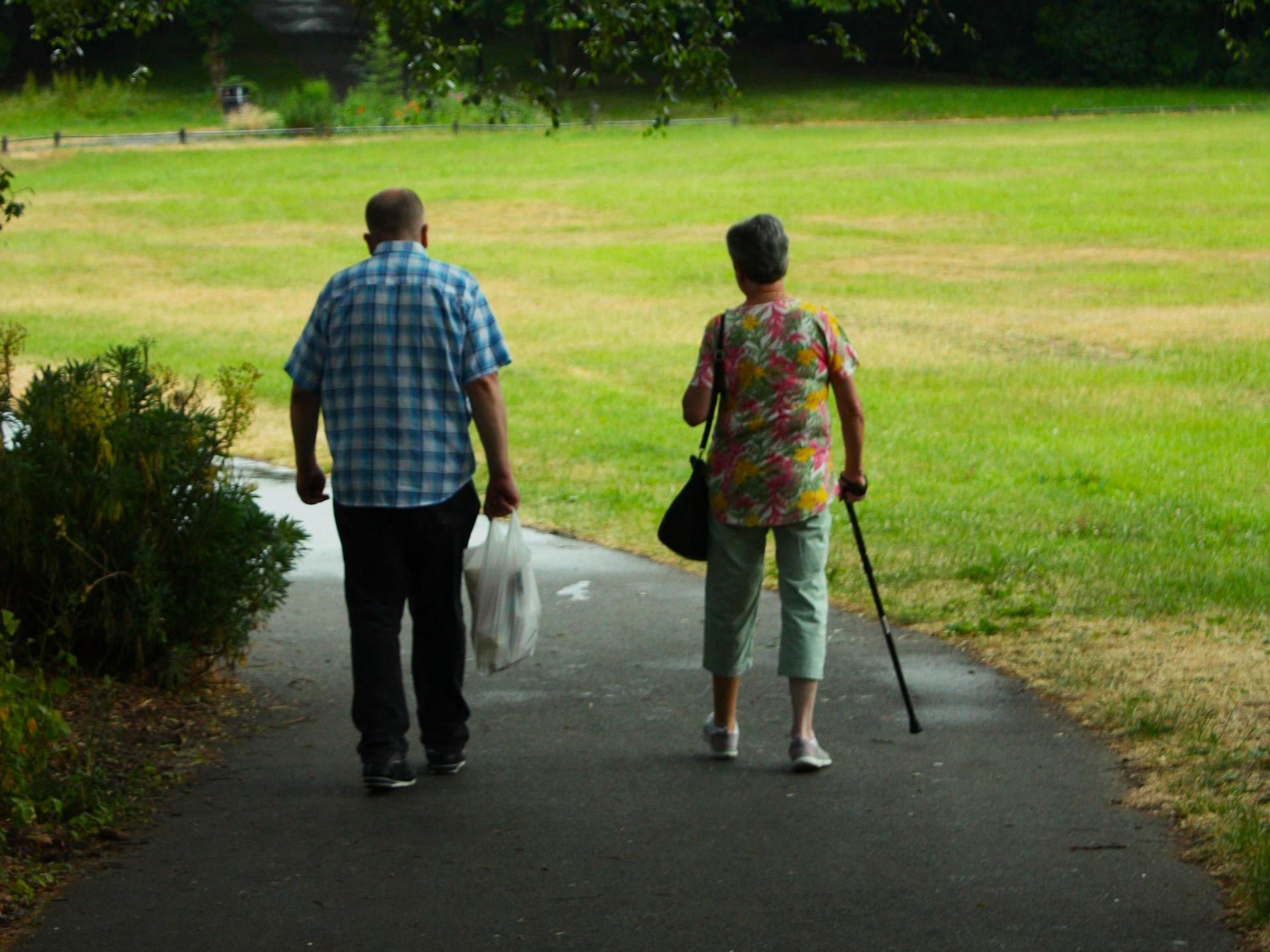
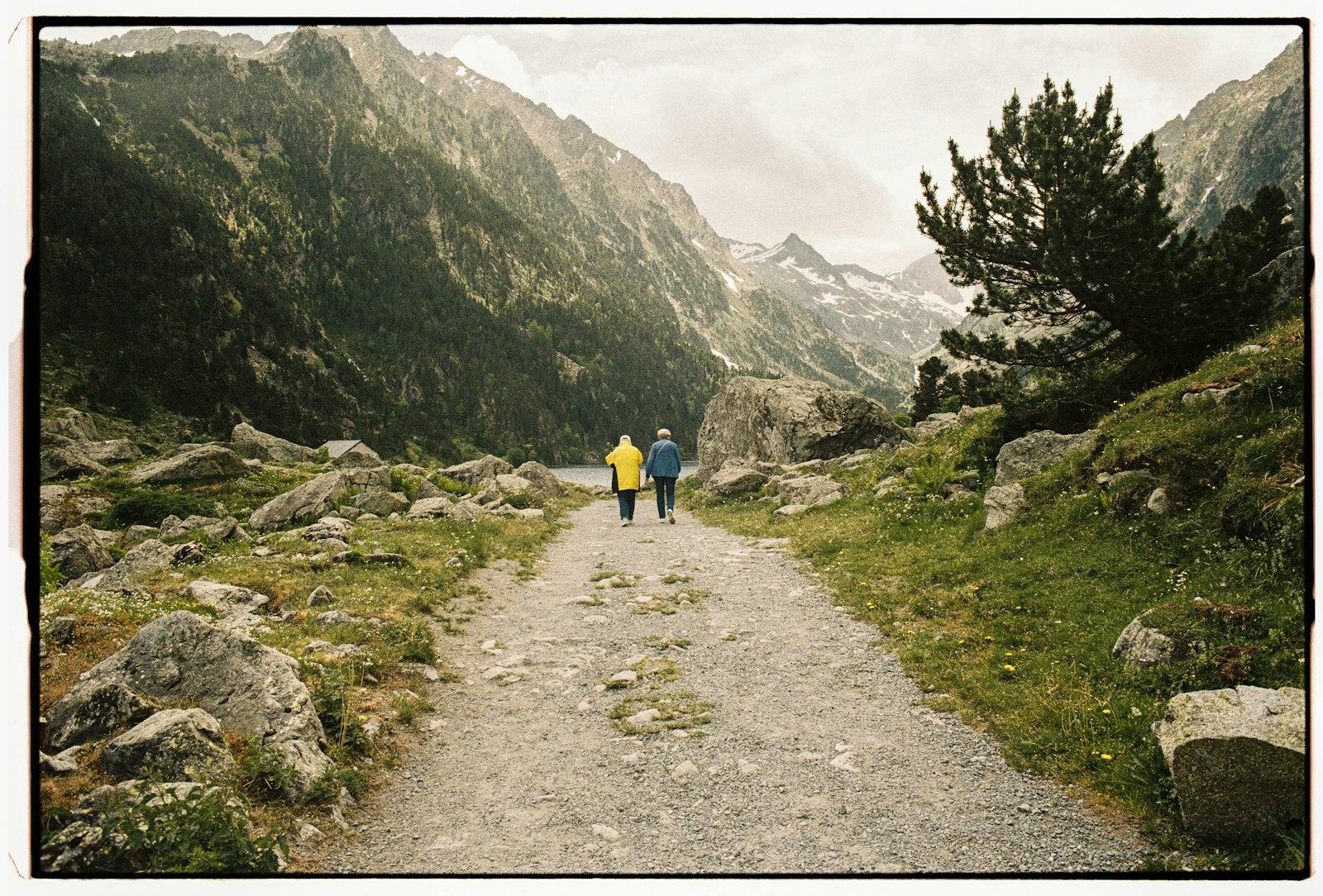
You're standing where the pavement ends and the dirt path begins. Part of you is watching the roots, and part of you is wondering how your lungs will handle the first hill. Hiking after 50 comes down to three habits: add activity slowly over weeks to months, check your effort with the talk test, and put balance and leg-strength work into your week.
Hiking after 50: build up over weeks to months
The National Institute on Aging (NIA) says to increase your physical activity gradually over a period of weeks to months, starting with lower-intensity activities that suit your current fitness. The aim is to reduce injury risk. For goals, it suggests being specific and realistic, such as a 10-minute walk three times a week.
The CDC counts hiking a trail as aerobic activity. Its guideline for older adults is 150 minutes of moderate-intensity activity a week, equal in effort to brisk walking. In our view, that figure is a destination more than a starting point, and a short walk you can repeat is a sensible way to begin.
The NIA recommends warming up before exercise and cooling down after to help prevent injuries and other negative health events, such as heart attack or stroke. Easy walking at each end is one simple way to do it. If illness or travel interrupts you, work back up gradually.
Use the talk test to check your effort

If you're breathing hard but can still have a conversation easily, the NIA says you're likely working at moderate intensity. The CDC puts it this way: you can talk, but you can't sing the words to your favorite song. If you can only say a few words before you need a breath, that's vigorous intensity.
Effort is personal. The CDC notes that walking may feel moderate to you and vigorous to someone else. The sources don't say how the test works on hills or uneven ground, or with a condition that affects breathing, so on a climb treat it as a general check and ease off when talking gets hard.
Add balance and leg-strength work
A Cochrane review, summarized by Healthy People 2030, found that exercises targeting balance, gait and muscle strength can prevent falls in adults 65 and older who live in the community. It looked at general exercise programs, so it supports this kind of training without showing what it does on a trail. The review also says more research is needed to learn which types and doses work best.
The NIA suggests about three sessions of balance exercises a week, plus muscle-strengthening activities at least two days a week for the major muscle groups, legs and hips included. Don't work the same muscle group two days in a row, so your muscles can recover. The CDC lists walking backward, standing on one leg and using a wobble board as balance activities.
Keep a sturdy chair, person or wall nearby to hold onto while you practice. If you feel unsteady during a balance move, steady yourself.
Signs to slow down
The NIA says aerobic activity shouldn't cause dizziness, chest pain or pressure, or nausea. If any of those show up, ease off and talk with your doctor if you're unsure.
People without an existing injury or chronic condition who build up gradually generally don't need to see a doctor first, per the NIA, though doctors and exercise professionals can still help anyone. If you have an injury or chronic condition, that guidance doesn't cover you, so ask before you start.
Outdoors, be aware of the weather and your surroundings. Footing, trail difficulty, daylight, gear and navigation need other resources.
Where to start
After you wash up from lunch, take a 10-minute walk on a path you already know, flat if you have one. Set your shoes by the door that morning so there's one less thing to decide. A friend can come along: the NIA lists walking groups and exercise buddies as sources of friendship and emotional support. Once the walk feels comfortable, add a few minutes or another day, and add one balance move, such as standing on one leg beside the kitchen counter with a hand resting on it.