
Mind and Senses After 50: How to Keep Your Brain Sharp and Stay Connected to the World
Your brain doesn't need a retirement plan. It needs reasons to keep working, people worth listening to, and a world worth exploring.

You know the word. It's right there, practically waving at you from the back of your mind. But the harder you chase it, the more stubbornly it refuses to appear.
Then, twenty minutes later, while you're washing dishes, there it is.
Welcome to one of the brain's more irritating party tricks.
Occasional memory slips are common, but here's something far more interesting than the name you couldn't remember: your brain remains capable of learning, adapting, and building new connections throughout life.
And some of the most effective ways to support it have surprisingly little to do with puzzles, memory games, or expensive supplements.
They involve your legs. Your ears. Your eyes. Your relationships. Even your willingness to be terrible at something new.
Your brain is not a machine that's wearing out
We tend to think of memory as a filing cabinet. Information goes in, stays somewhere, and comes out when we need it.
But memory is much more dynamic than that.
Your brain constantly sorts information, strengthens useful connections, and adjusts to new experiences. Scientists call this adaptability neuroplasticity.
Neuroplasticity doesn't disappear when you turn 50, 60, or 80. Some aspects of learning become slower, but the capacity to acquire skills remains.
Meanwhile, experience brings advantages of its own. Vocabulary, accumulated knowledge, judgment, and the ability to recognize familiar patterns can remain strong well into later life.
So forgetting an acquaintance's name isn't necessarily evidence that something is wrong.
Getting repeatedly lost on familiar routes, struggling with previously routine financial tasks, or experiencing memory changes that interfere with daily life is different. Those changes deserve medical attention, particularly when they're new or worsening.
The distinction matters. We shouldn't dismiss genuine warning signs, but neither should we treat every misplaced pair of glasses as a neurological emergency.
The surprising connection between your muscles and your memory
Here's a good reason to take a walk that has nothing to do with your waistline.
In a remarkable experiment published in 2011, researchers assigned 120 older adults to either aerobic walking or stretching and toning activities.
After a year, the walking group's hippocampus—a brain region important for forming memories—had increased in volume by approximately 2%. The stretching group's hippocampus had become smaller.
The walking group also showed improvements in spatial memory.
One study doesn't establish that exercise prevents dementia. But it illustrates something fascinating: physical activity can produce measurable changes in the aging brain.
Movement increases blood flow, challenges coordination, and influences biological processes involved in maintaining brain cells.
And walking is only the beginning.
Dancing asks you to remember sequences while coordinating your body with music. Tennis demands anticipation and rapid decisions. Tai chi combines balance, attention, and controlled movement.
You don't have to choose between exercising your body and exercising your brain. Many enjoyable activities do both.
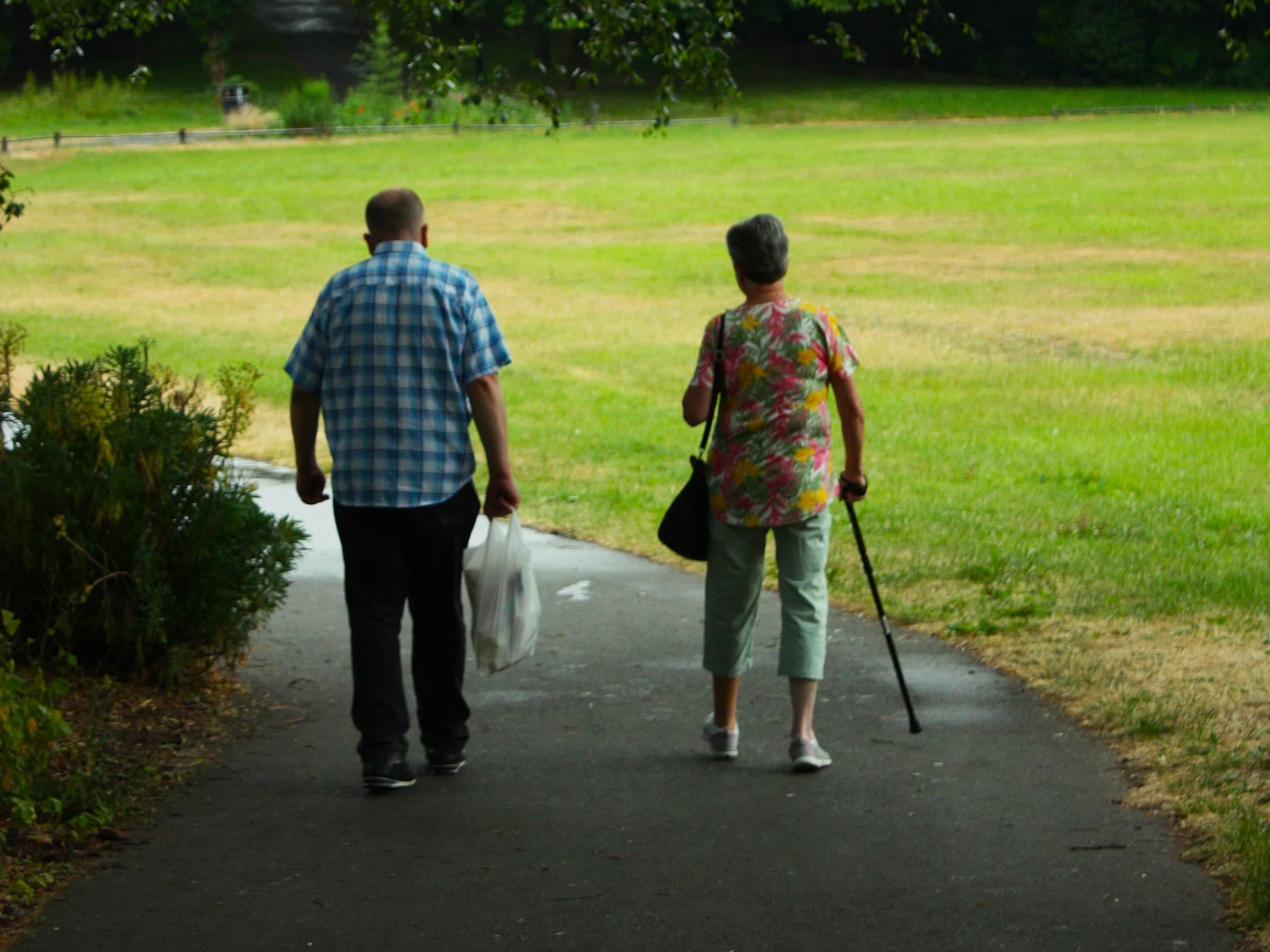
For a practical starting point, try a comfortable 15-minute walk after lunch. If you're already active, introduce something unfamiliar: a dance class, a different hiking route, or a sport that requires learning new movements.
The goal isn't exhaustion. It's giving your body and brain something worthwhile to do.
Why being a beginner is good for you
Think about the last time you tried learning something genuinely difficult.
Not reading another article about something you already understand. Actually struggling with a new skill.
Maybe you tried playing guitar and discovered your fingers had apparently never met one another. Or attempted conversational Spanish and accidentally ordered enough food for twelve people.
That uncomfortable feeling of being a beginner can be valuable.
In the Synapse Project, researchers studied older adults learning demanding new skills, including digital photography and quilting.
Participants spent roughly 16 hours a week for three months learning. Those assigned to challenging new skills improved on certain memory tests more than participants engaged in less demanding activities.
The study was relatively short, so it doesn't prove lifelong protection against cognitive decline. But it supports an appealing principle: meaningful learning can challenge abilities we want to preserve.
The important ingredient isn't necessarily the subject. It's the combination of novelty, effort, and sustained attention.
Learn an instrument. Take a history course. Build furniture. Explore astronomy. Write a family history. Master a new piece of software.
And don't worry about becoming an expert.
Sometimes the greatest benefit of learning something new is rediscovering how enjoyable it feels to make progress.
Your ears do more than hear
Imagine sitting at dinner with six friends.
Everyone is laughing. Glasses clink. Music plays. Someone at the far end of the table tells a story.
You catch half of it.
You smile politely, hoping nobody asks you a question.
Now imagine that happening repeatedly.
Hearing loss isn't simply a problem with sound. It can change how comfortably we participate in conversations, relationships, and everyday experiences.
That's one reason scientists have become increasingly interested in the relationship between hearing and cognitive health.
In the large ACHIEVE clinical trial, researchers studied 977 older adults with untreated hearing loss. Over three years, hearing treatment did not significantly reduce cognitive decline across the entire study population. However, results suggested a possible benefit among participants at higher risk of cognitive decline.
That's encouraging, though not proof that hearing aids prevent dementia.
But consider what hearing treatment can offer regardless of dementia risk: easier conversations, less listening effort, and greater enjoyment of music, movies, family gatherings, and everyday life.
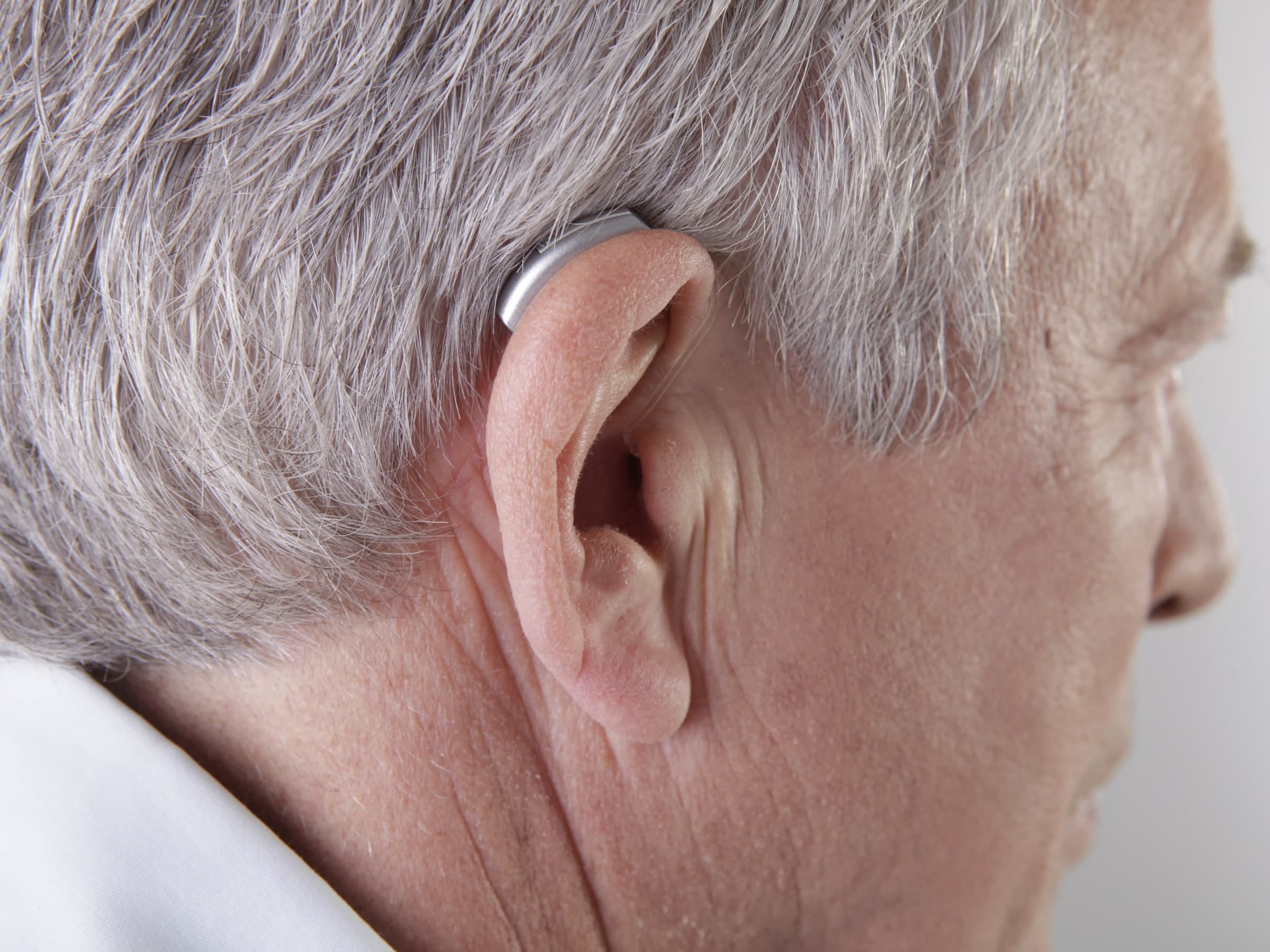
When should you get your hearing checked?
If people seem to mumble, restaurants have become exhausting, or the television volume regularly causes household negotiations, consider a hearing evaluation.
Over-the-counter hearing aids are available in the United States for adults with perceived mild to moderate hearing loss. More complex problems deserve professional evaluation.
And don't overlook prevention. Concerts, power tools, and lawn equipment can expose your ears to damaging noise. Appropriate hearing protection is a small investment with potentially lifelong benefits.
Sudden hearing loss is different from gradual change: seek urgent medical evaluation, ideally the same day.
Your eyes are part of the picture, too
We rarely think about vision as a brain-health issue.
Yet vision supplies an enormous amount of the information our brains use to understand and navigate the world.
Reading facial expressions, judging distances, recognizing landmarks, following a recipe, and driving all depend on the partnership between eyes and brain.
The 2024 Lancet Commission on dementia identified untreated vision loss as one of 14 potentially modifiable dementia risk factors.
Its report estimated that addressing all 14 factors could theoretically prevent or delay up to 45% of dementia cases worldwide. That's a population-level model, not a prediction of what any individual can achieve.
Still, it gives us another reason to take eye health seriously.
Cataracts, glaucoma, macular degeneration, and diabetic eye disease can affect vision, sometimes before people recognize a problem.

Schedule comprehensive eye examinations at intervals recommended for your age, medical history, and eye health. Keep prescriptions current, improve lighting around stairs and walkways, and wear appropriate eye protection for hazardous activities.
Sudden vision loss, a new curtain or shadow across your sight, or sudden flashes with new floaters warrant urgent eye assessment.
Seeing clearly makes the world easier to navigate. That's reason enough to care for your eyes.
What your heart knows, your brain feels
Your brain weighs only a small fraction of your body, yet depends on a continuous supply of oxygen and nutrients through its blood vessels.
That's why blood pressure, cholesterol, diabetes, smoking, and cardiovascular fitness belong in a conversation about memory.
The same habits that help maintain healthy arteries also support the circulation your brain relies on.
And there's compelling evidence for combining healthy behaviors.
In Finland's FINGER trial, 1,260 adults at elevated risk of cognitive decline participated in a two-year study. Those receiving a structured combination of exercise, dietary guidance, cognitive training, and cardiovascular risk monitoring performed modestly better on cognitive tests than those receiving general health advice.
The U.S. POINTER trial, reported in 2025, also found encouraging cognitive improvements among older adults participating in multidomain lifestyle programs, with somewhat greater improvements in the more structured program.
Neither result means you can guarantee a dementia-free future by following a checklist.
What they suggest is more practical: your daily habits work together.
A walk supports fitness. Walking with a friend adds conversation. Cooking a nutritious dinner involves planning and coordination. Getting adequate sleep helps you arrive at tomorrow with more energy to do it again.
Healthy living isn't a collection of unrelated chores. It's a system in which one good choice can make another easier.
Stress can make a capable brain feel unreliable
Ever tried remembering something important while you're worried, exhausted, or juggling six responsibilities?
It's like trying to have a quiet conversation next to a construction site.
Stress consumes attention. Poor sleep makes concentration harder. Anxiety can keep thoughts circling instead of moving forward.
And sometimes what feels like a memory problem is partly an attention problem: the information never received enough attention to be remembered reliably.
That doesn't mean every memory complaint can be explained by stress.
But it does mean that emotional well-being deserves as much attention as intellectual stimulation.
For some people, relief comes through exercise or time outdoors. Others find it in prayer, meditation, music, gardening, counseling, or an unhurried conversation.
If persistent sadness, anxiety, or loss of interest is interfering with daily life, seek professional support. These concerns are treatable and worth addressing.
Sleep belongs here too. Consistent sleep schedules, adequate sleep opportunity, and evaluation of possible sleep apnea can improve everyday functioning. Don't assume persistent exhaustion is simply part of getting older.
What about crosswords, brain games, and memory supplements?
Crosswords are enjoyable. Sudoku can be satisfying. Brain-training apps can improve performance on some practiced tasks.
But becoming exceptionally good at a particular game doesn't automatically translate into better memory throughout everyday life.
Research on computerized cognitive training has found some improvements on cognitive tests, while evidence for broader real-world benefits remains mixed.
The same skepticism is appropriate for supplements promising sharper memory.
No commonly marketed memory supplement has convincingly demonstrated that it prevents dementia in otherwise healthy adults.
Save your money for activities you actually enjoy, nourishing food, or a class that makes you excited to get out of bed.
A sharper week starts with one interesting decision
You don't need to transform your life on Monday morning.
Try choosing one activity this week that combines at least two ingredients: movement, learning, social connection, or sensory engagement.
Take a photography walk with a friend. Join a beginner dance class. Learn to identify five birds by their songs. Visit a museum and discuss something that surprises you.
If hearing or vision difficulties have been limiting your activities, make the appointment you've been postponing.
And if you're noticing persistent or progressive memory changes, especially ones affecting everyday responsibilities, arrange a medical evaluation rather than relying on online quizzes.
The larger point is wonderfully simple.
Your mind isn't merely something to preserve. It's something to use.
There are still books you haven't read, places you haven't explored, people you haven't met, skills you haven't mastered, and ideas that could change how you see the world.
Your brain has work to do.
Give it something interesting.
Sources
- Livingston G et al. Dementia prevention, intervention, and care: 2024 report of the Lancet standing Commission. Read source
- Lin FR et al. Hearing intervention versus health education control to reduce cognitive decline in older adults with hearing loss (ACHIEVE). Read source
- U.S. POINTER Study. Read source
- Erickson KI et al. Exercise training increases size of hippocampus and improves memory. Read source
- Ngandu T et al. A 2 year multidomain intervention of diet, exercise, cognitive training, and vascular risk monitoring (FINGER). Read source
- Park DC et al. The impact of sustained engagement on cognitive function in older adults (Synapse Project). Read source
- Butler M et al. Over-the-counter supplement interventions to prevent cognitive decline. Read source
Keep reading



Photos: Biha.