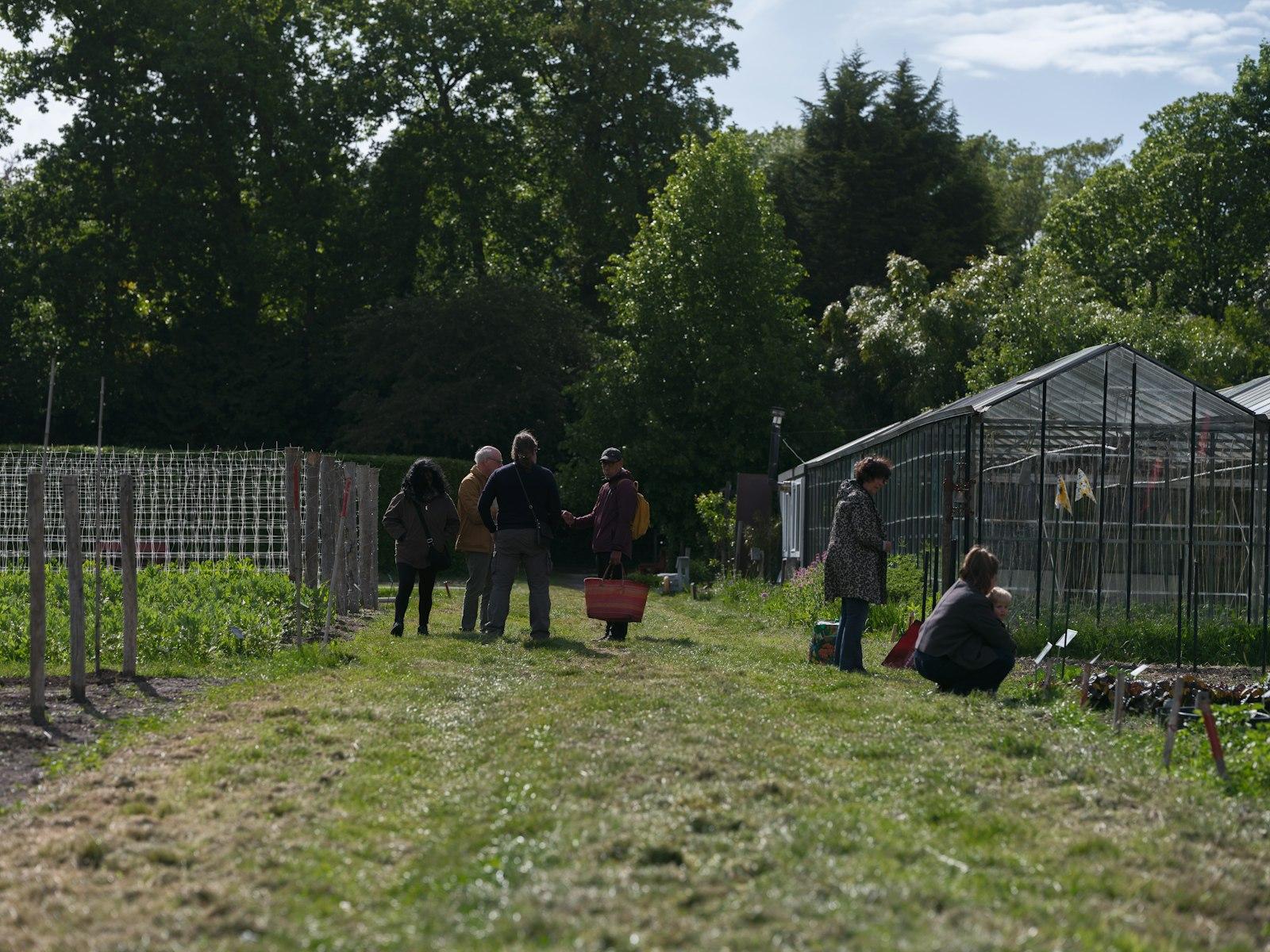
After retiring from work, people may lose roles that provide purpose and social contacts, according to one review of programs for retirees. So the practical task is to find something that gives you a part to play and puts you around other people, then treat your first choice as a trial. Volunteering is one example. The National Institute on Aging (NIA) also points to classes, hobbies and walking clubs.
Where purpose after retirement can go missing
The NIA lists retirement among the life changes that put people at particular risk of loneliness and social isolation. Others on that list include the death of a spouse, loss of mobility and lack of transportation. The NIA pages don't say how large the risk is for retirees.
The two terms mean different things. Social isolation is having few people to interact with regularly. Loneliness is a feeling. You can live alone without feeling lonely, or feel lonely in a crowd. How many people you see tells you only part of the story, so your own feelings count too.
Retirement also doesn't land the same way for everyone. A review of 15 earlier reviews found that retirement's effect on health is unsettled, with studies reporting positive, negative or no effects. Retirees with higher socioeconomic status (a category that groups people by economic and social standing) generally had better mental health and more physical activity, while those with lower status were more prone to declines. These are group patterns from observational studies. They can't tell you what will happen to you.
What helping others may do
The NIA says helping others through volunteering helps you feel less lonely and gives you a sense of mission and purpose, which is linked to better health. It also says people who do meaningful, productive activities they enjoy with others feel a sense of purpose and tend to live longer. Those are links, not proof. The sources don't show that purpose itself lengthens life, and it's possible that healthier people simply find it easier to take part.
NIA-supported researchers have also linked a sense of purpose to healthier immune cells. That's an interesting biological clue, but on its own it doesn't show a health benefit.
One systematic review looked at seven programs, covering 11 studies, in healthy retirees living in their communities, mostly in North America. Programs that gave people explicit roles and used supportive groups were somewhat effective at improving one or more of the following: life satisfaction, social support and activity, physical health and activity, functional health, and thinking skills. "Somewhat" is the review's own word, and results varied by program. Only three of the studies randomly assigned people to groups, so most of them can't show that the roles caused the gains.
What's missing matters for your planning. The sources give no number of hours, no schedule, and no evidence that one kind of volunteering beats another. Researchers say they don't yet know how big a change in loneliness is needed to change health. Our view: any specific weekly volunteering target would be a guess, so we haven't offered one.
Ways to start
Pick something you'd enjoy, with other people in it. The NIA suggests finding an activity you enjoy, restarting an old hobby or taking a class to learn something new, since you might have fun and meet people with similar interests. If helping is what appeals to you, volunteering fits the same idea. The Eldercare Locator, a U.S. government service, connects people to trustworthy local support resources for older adults and their families. It doesn't rate individual volunteer programs, so size up any role yourself before you commit.

Put contact on the calendar. The NIA suggests scheduling time each day to stay in touch with family, friends and neighbors, in person, by email, on social media, by phone or by text. Choose a slot you can repeat, such as after breakfast. The page doesn't say how much contact is enough. We think the daily slot works best as a way to make contact happen, not as a quota.
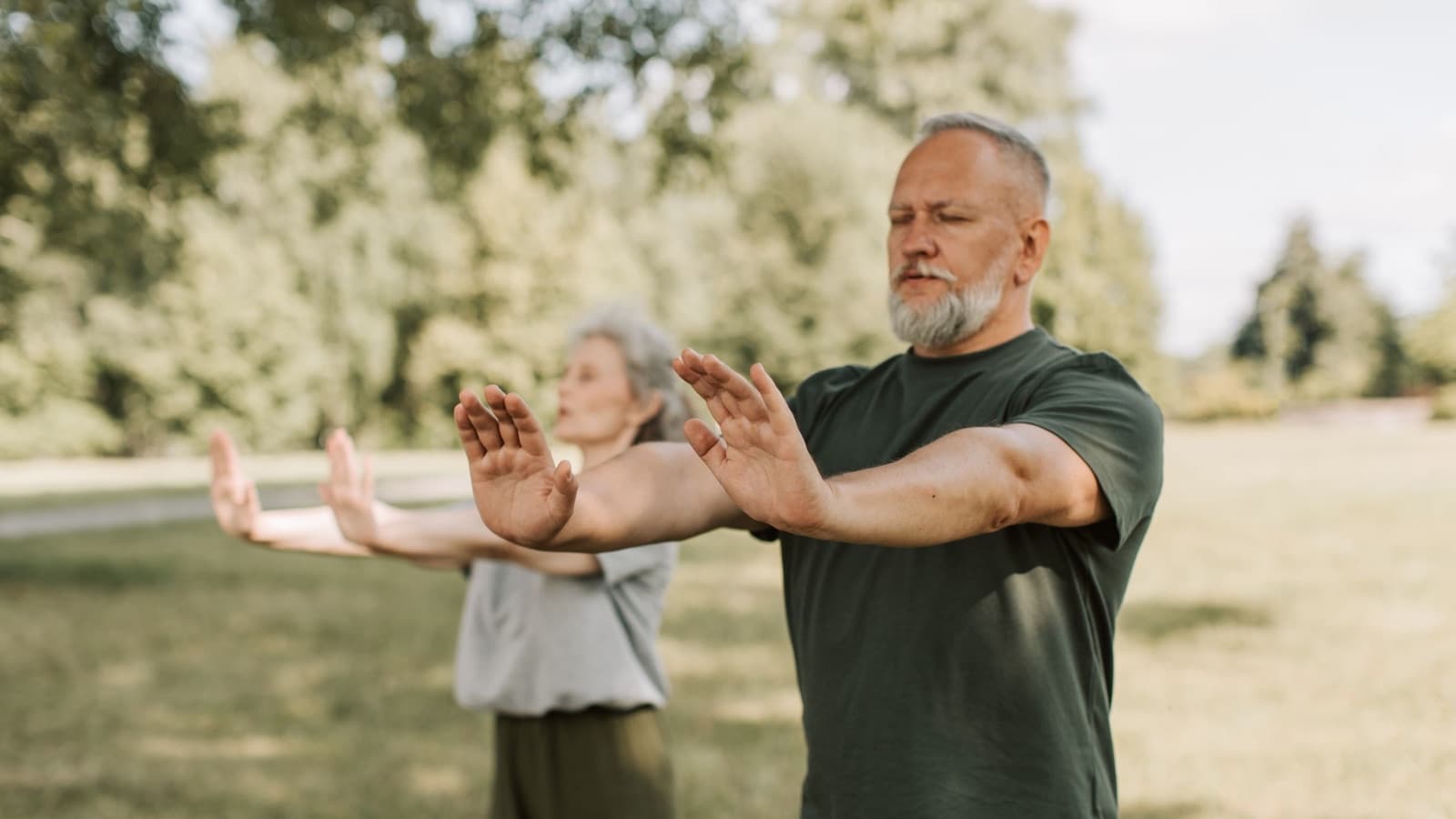
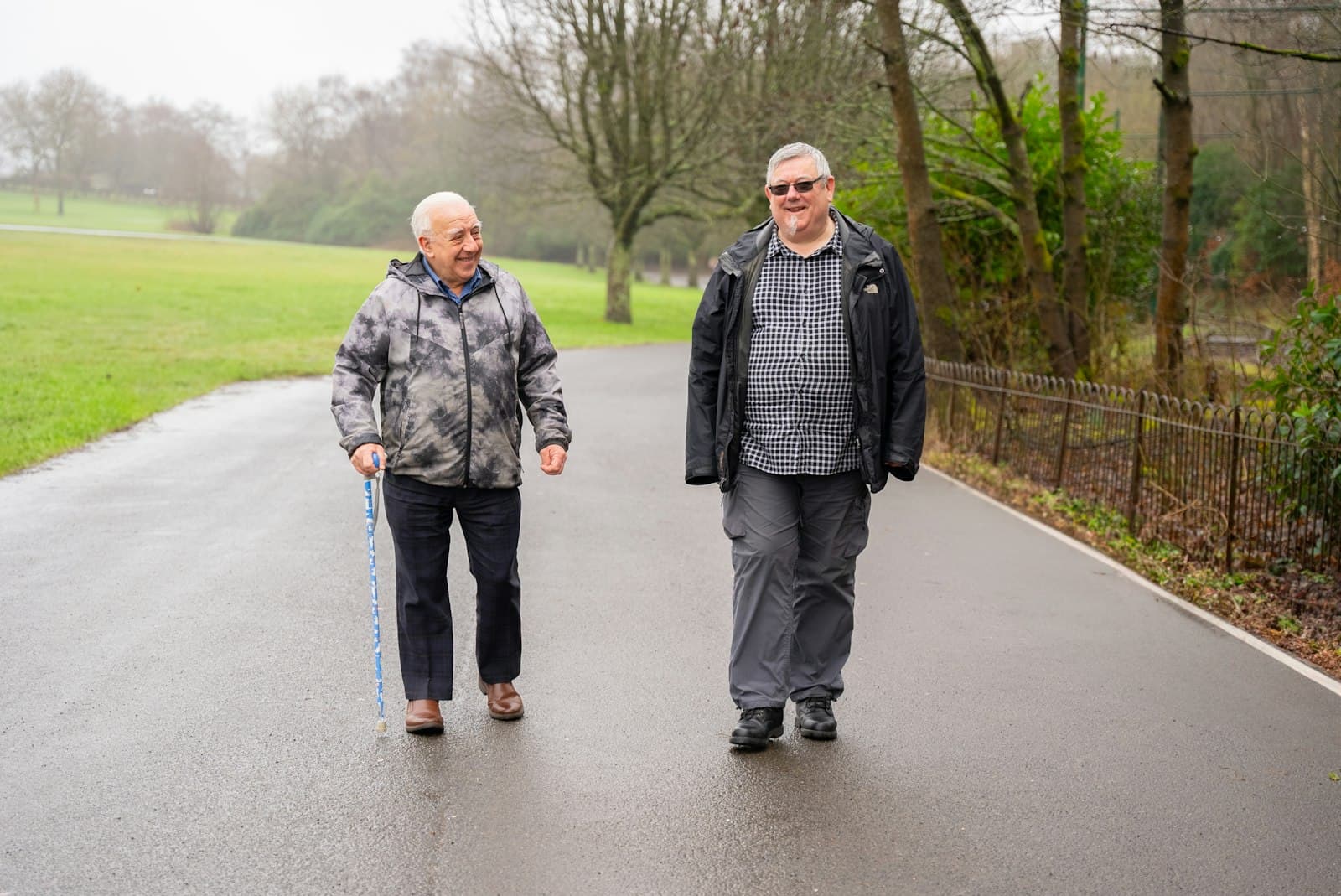
Move with other people. The NIA suggests joining a walking club or working out with a friend. It also notes that adults should aim for at least 150 minutes of moderate-intensity activity each week. That's a general adult target, not one tied to purpose or retirement. A first walk with a friend is a way to begin, not the full 150 minutes. If a health condition limits what you can do, ask your doctor which activities fit you.
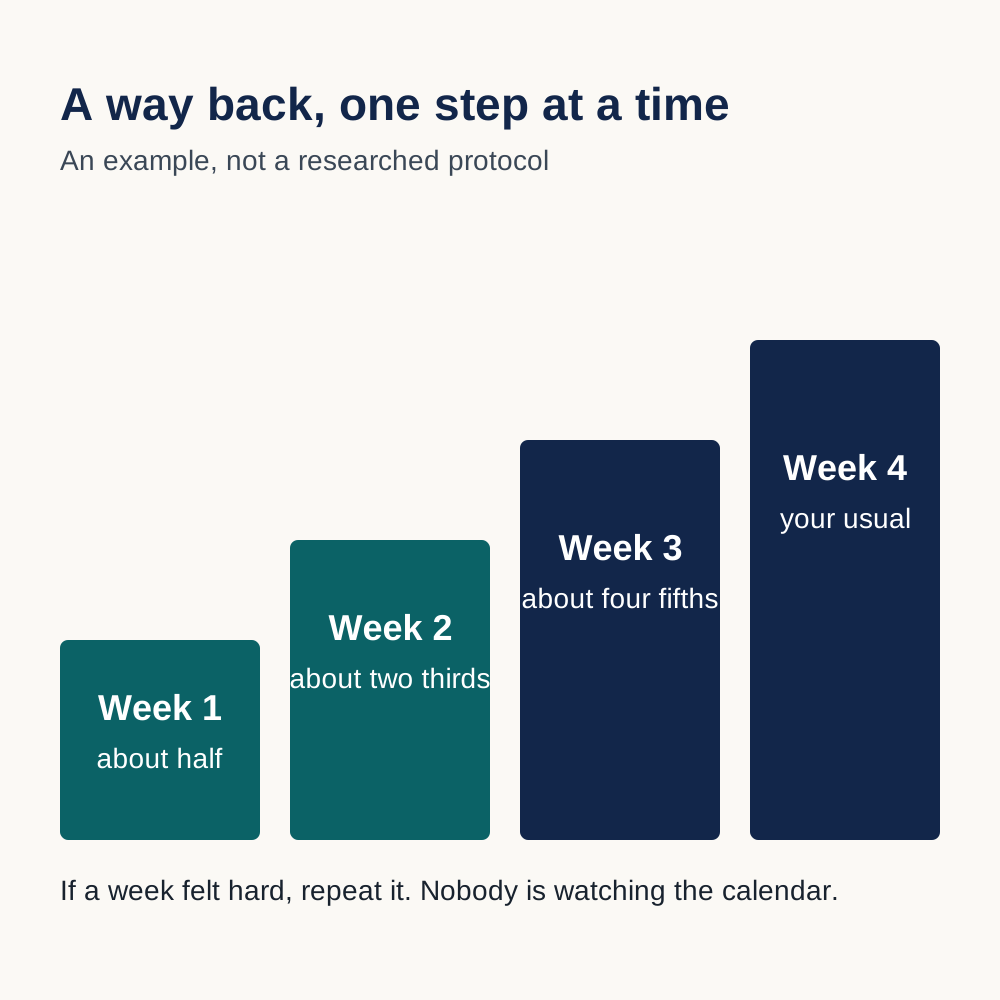
Judge it by how you feel. The research offers no test for whether an activity is working. Since loneliness is a feeling, in our view your own read is a fair measure. After you've tried something a few times, notice whether you feel less lonely and whether you look forward to it. If not, change the activity, the people or the setting. If a week falls apart, return when you can and change whatever got in the way.
When to talk with a doctor
The NIA says that if you are feeling isolated or lonely a lot of the time, you may want to tell your doctor or another health care professional. There's no cutoff for "a lot of the time," so a feeling that won't lift is reason enough to bring it up.