Calcium rich foods for seniors don't have to come from the dairy aisle. Calcium-set tofu, canned fish eaten with the bones, kale and foods with calcium added can all help, though the last group takes some label reading. Spinach, despite its reputation, is not a good source.
Why bones are worth thinking about before they hurt
Early osteoporosis has no symptoms, and according to MedlinePlus, many people have a fracture before they learn they have it. That is why bone health deserves attention while everything still feels fine.
How much to aim for
The answer depends on the country. In the United States, the NIH sets the target at 1,200 milligrams (mg) a day for women over 50 and men over 70. MedlinePlus lists 1,200 mg for women 51 to 70 and for adults over 70.
The UK's National Health Service uses a lower figure: 700 mg a day for adults, which it says a varied and balanced diet should cover. The sources don't explain the gap. Treat all of these as general targets for healthy people, not your personal number.
Foods that work without milk
Tofu is the easiest place to start. The NHS lists calcium-set tofu among the calcium sources for vegans, who get no dairy. The wording matters, so check the package to see how yours was made.
Canned fish counts if you eat the bones. NIAMS lists small fish with bones, such as sardines and canned salmon, and the NHS names fish where you eat the bones.
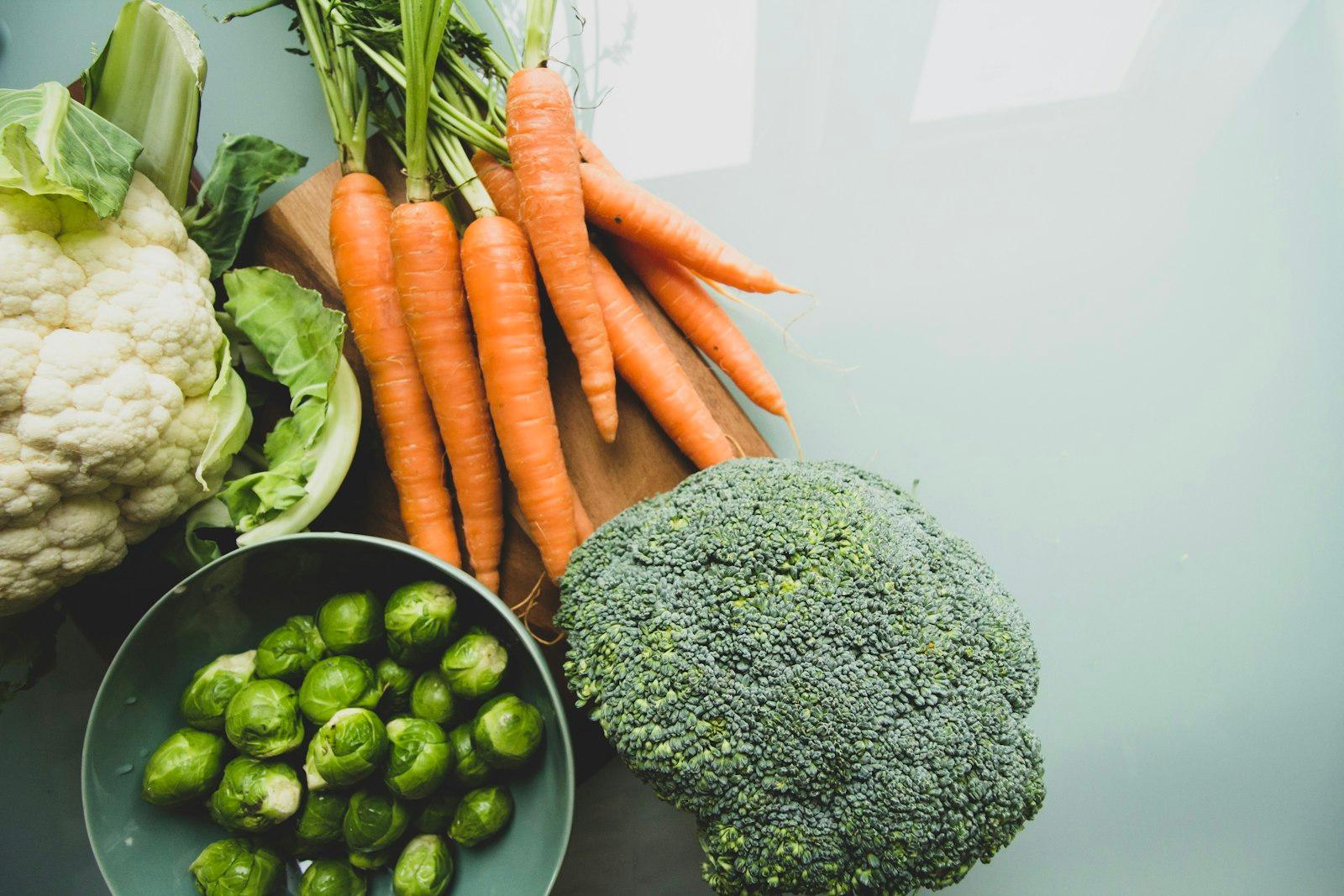
Kale is a pleasant surprise. In a small 1990 study of 11 women, volunteers absorbed a larger share of the calcium from kale than from milk, using a 300 mg test dose. The authors called kale a low-oxalate vegetable with excellent absorbability for its calcium. Oxalate is a natural compound that can get in the way of calcium absorption. The study measured absorption, not bone health, and it can't say how much kale you'd need to eat or whether cooking changes the result. Treat it as an encouraging early finding, not a settled one.
Spinach is the trap. It contains a lot of calcium, but it also contains oxalate, which reduces calcium absorption, so the NHS says it is not a good calcium source. Enjoy it, but don't count it toward your calcium.
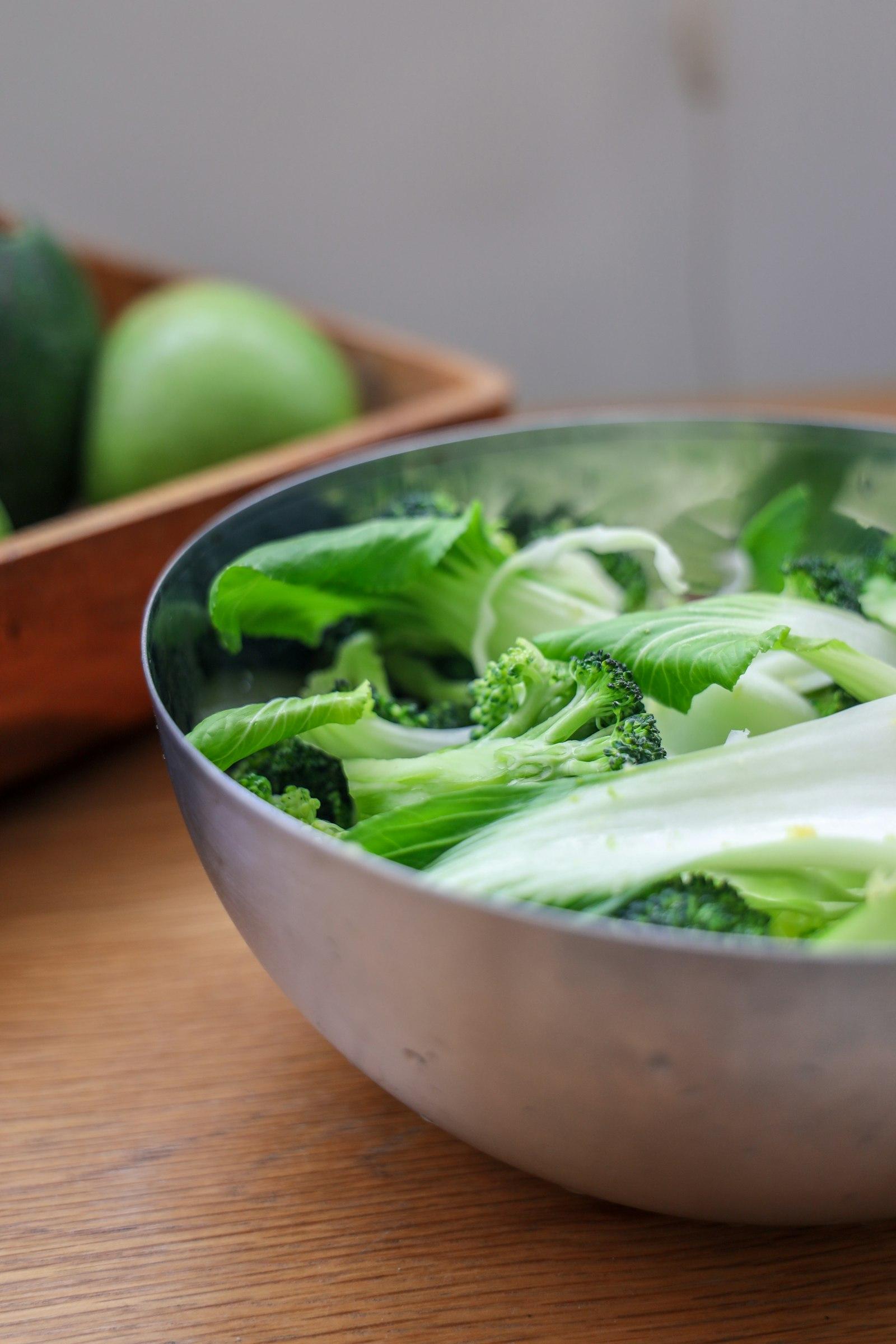
The NHS also lists sesame seeds and tahini, beans and lentils, dried fruit, cabbage and broccoli as options for vegans.
Fortified foods vary by brand. Some juices, soy milks, oatmeals and breakfast cereals have calcium added, but NIAMS says only "certain brands" do. Two cartons or boxes side by side can differ, so check the label on the one you buy. Nothing here says how well added calcium is absorbed.
No source used for this guide gives milligrams per serving for tofu, canned fish, kale or fortified foods. That means there's no reliable way to say how many sardines equal a glass of milk. The evidence supports choosing these foods, not counting servings.
Before you buy a supplement
MedlinePlus says to build your diet around the right amounts of calcium and vitamin D, and to use supplements only if your diet falls short. Nothing here offers a way to judge a shortfall on your own. In our view, asking a clinician to go over what you actually eat is a sensible way to find out.
MedlinePlus pairs its calcium targets with 400 to 800 IU of vitamin D a day for women 51 to 70 and 800 IU for adults over 70. How much of that is right for you is a question for your clinician.
Experts don't fully agree on supplements. In a 2013 statement, the U.S. Preventive Services Task Force recommended against daily supplements of 1,000 mg or less of calcium with 400 IU or less of vitamin D3 to prevent fractures in healthy, community-dwelling postmenopausal women with no history of fractures. That statement doesn't cover people with osteoporosis or vitamin D deficiency, and it says nothing about calcium from food. MedlinePlus adds that some expert groups aren't sure the benefits and safety of these amounts outweigh their risks. NIAMS and MedlinePlus both advise talking with your health care provider about supplements.
More isn't safer. The NHS warns that too much calcium from supplements could be harmful. A small proportion of people also get side effects such as constipation, which may be worse at higher doses.
Where to start
Try one small habit today: the next time you make lunch, put a few canned sardines or canned salmon, bones included, on the side, or add tofu you've confirmed is calcium-set. Tie it to a meal you already make, and keep a can or two in the pantry so the step needs a can opener and no planning. Once that feels routine, read the label on the juice, soy milk or cereal you already buy to see whether it has calcium added, then bring a rough list of what you eat to your clinician.
For help building meals around these foods, see our guide to protein after 50 and the healthy aging nutrition hub.