
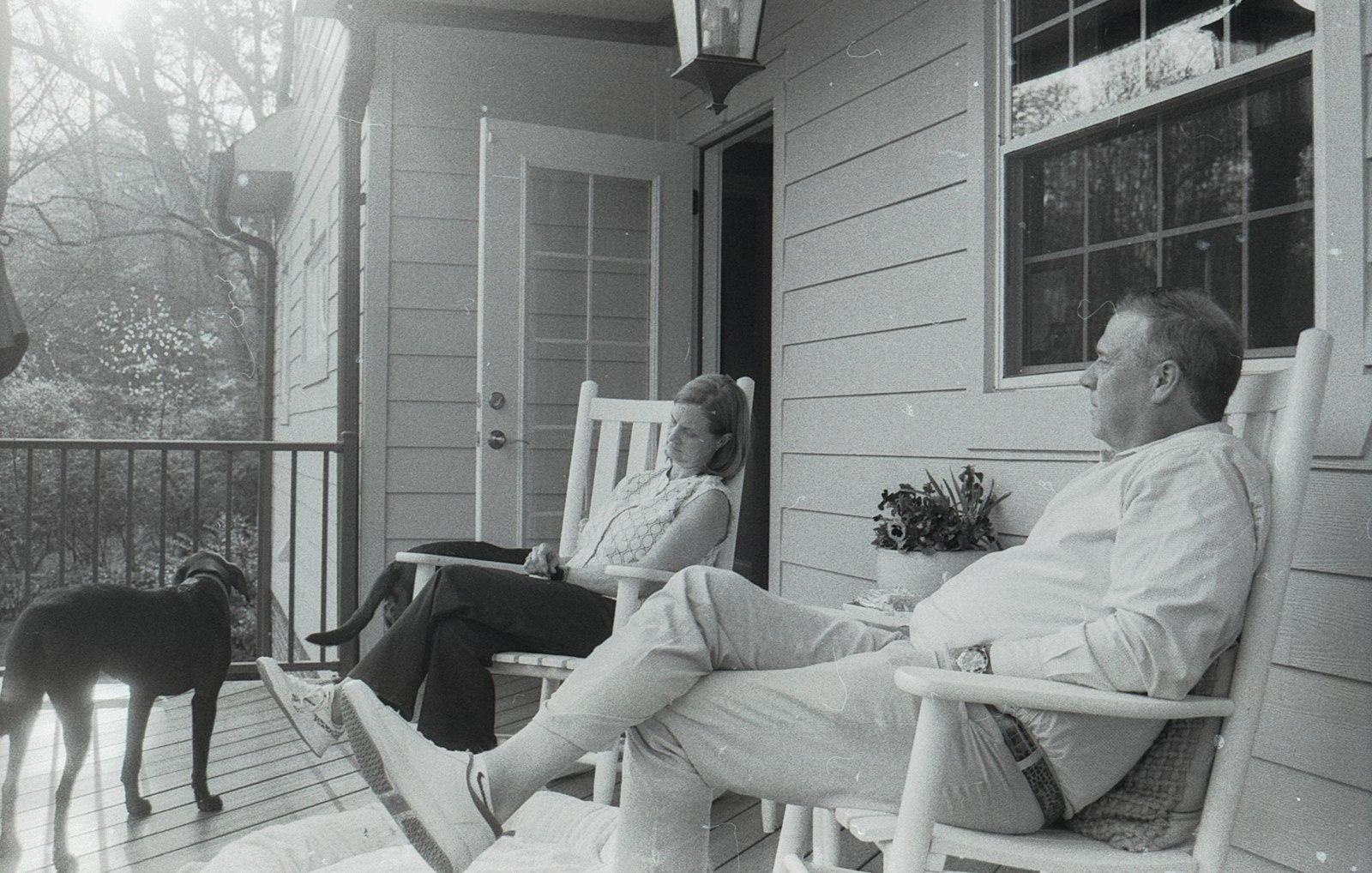
Two people can share a house, a last name and a mortgage and still go days without a real conversation. In the research on family and longevity, that gap matters: people with stronger social relationships were more likely to survive, and living with others was a weaker signal than broad connection. The studies are observational, so they show a link and cannot show that adding one relationship adds years.
Family and longevity: what the pooled studies show
A meta-analysis combines many studies into one estimate. One in PLOS Medicine combined 148 studies with 308,849 participants and found about a 50% greater likelihood of survival among people with stronger social relationships. The pattern held across age, sex, starting health, cause of death and length of follow-up. The authors call the influence of relationships on death risk comparable with well-established risk factors for mortality. That is a comparison between study results, and it doesn't tell you how much improving your own relationships would change.
Marriage and the numbers
A separate review compared married and unmarried people. Being unmarried was significantly linked to higher death rates from all causes, cancer, cardiovascular disease and coronary heart disease in both men and women. The link with cardiovascular and overall mortality was stronger in men, and divorced or separated men had higher cancer and cardiovascular mortality. The authors say the reasons for the sex differences still need to be clarified.
These comparisons can't separate marriage from income, health or support. They cover legal marital status only, so they say nothing about committed partners who are not married.
Isolation and loneliness are different

Social isolation is physical separation from other people, such as living alone. Loneliness is the distressed feeling of being alone or separated, so a person with a partner or family nearby can still feel it. For older adults, strong evidence suggests both are associated with an increased likelihood of early death, dementia and heart disease. Older adults face higher risk of isolation because they are more likely to live alone, lose family or friends, or have chronic illness or sensory impairments.
What isn't known
The reviews measure relationships broadly, so they can't tell you whether a sibling, a grown child or a friend matters most. An NIA researcher says research is still needed to clarify how great a change in loneliness or social isolation is required to achieve a meaningful change in health. The PLOS Medicine authors likewise say further research is needed on how relationships can be used to reduce mortality risk. No target number of visits or relationships can be drawn from this evidence.
Where to start
After your morning coffee, pick one person you enjoy doing things with and send a message proposing a shared activity: a walk, a project, a meal or a volunteer shift. According to the NIA, people who engage in meaningful, productive activities with others tend to live longer, and helping others through caregiving or volunteering also helps people feel less lonely. To save yourself the decision, keep a few names in your phone's favorites. Once that feels routine, add someone from a different part of your life, such as a neighbor, a coworker or a cousin, since the strongest link in the research was with broad social integration. People who are unexpectedly alone after a spouse's death, retirement, loss of mobility or lack of transportation are at particular risk, so those are the times to reach out sooner. More ideas are in staying connected after 50.


