

The next 30 years are worth planning for
Picture yourself at 80.
Not the version of 80 that appears in advertisements for retirement communities, where everyone is suspiciously delighted by a game of shuffleboard. Your actual life. Your home. Your friends. Your favorite places. The things you love doing, and the adventures you haven't gotten around to yet.
Now imagine two possible versions of that future.
In one, getting out of a chair takes some effort. Stairs have become something to avoid. Travel sounds exhausting. Your world has gradually become smaller, not necessarily because you've lost interest in life, but because your body makes so many things difficult.
In the other, you're walking comfortably, carrying your own groceries, traveling when you feel like it, playing with grandchildren if you have them, pursuing interests, and making plans without first wondering whether your body will cooperate.
Neither future is guaranteed. Genetics, illness, injuries, finances, circumstances, and plain luck all have a say.
But the choices you make in your 50s, 60s, and 70s can meaningfully influence the odds.
And that is an extraordinary opportunity.
Healthy aging isn't about trying to remain 35 forever. It's about building a body and mind that continue to serve you well, even as the years accumulate.
It's about having enough strength to do what you want, enough energy to enjoy it, enough curiosity to keep discovering new things, and enough connection with other people to make those experiences meaningful.
This guide explores what we know about making that happen. We'll look at exercise, nutrition, sleep, cardiovascular health, brain health, relationships, supplements, preventive medicine, and some surprisingly overlooked aspects of living well.
We'll also examine popular longevity claims, including which ones deserve your attention and which ones deserve a raised eyebrow.
There are no miracle pills, impossible routines, or promises that you can reverse your biological age by 20 years.
There is something more useful: a comprehensive, realistic approach to living better that you can begin putting into practice today.
Part One: Understanding what it means to age well
1. Healthspan: the years that make longevity worthwhile
There's a word worth knowing: healthspan.
Lifespan is how long you live. Healthspan refers to the years you spend in relatively good health, with the physical and mental capacity to enjoy your life.
The distinction matters enormously.
Imagine two people who both live to 92. One spends the final 20 years coping with severe limitations. The other remains active and engaged through much of later life.
Both lived the same number of years, but their experiences were quite different.
Of course, health isn't binary. Someone with a chronic illness or disability can lead a fulfilling, adventurous, deeply meaningful life. Physical independence is valuable, but it isn't the only measure of a good life.
Still, preserving physical and mental function gives us more options.
And options matter.
Being able to walk comfortably means you can explore a city rather than simply look at photographs of it. Maintaining strength means you can carry your luggage, tend a garden, or lift a grandchild. Protecting your hearing helps you participate in conversations. Maintaining friendships means having people to share those experiences with.
The National Institute on Aging emphasizes that healthy aging involves more than the absence of disease. Physical, cognitive, emotional, and social well-being all contribute to quality of life.
That broader perspective is useful because it prevents healthy aging from becoming an endless project of monitoring cholesterol and counting steps.
Those things can be important. But they're tools, not the ultimate objective.
2. Chronological age is only one part of your story
Two people can be 65 years old and have strikingly different physical capabilities.
One might hike ten miles comfortably. Another might struggle with a short walk uphill. A third might use a wheelchair and have exceptional upper-body strength, a thriving social life, and remarkable endurance in adaptive sports.
Chronological age tells us how many birthdays someone has celebrated. It doesn't tell us everything about cardiovascular fitness, muscle strength, mobility, metabolic health, or recovery.
Researchers sometimes distinguish chronological age from biological age, a concept intended to describe aspects of how the body is functioning relative to age-related patterns.
Biological-age research is scientifically interesting. Scientists study changes in DNA methylation, inflammation, metabolism, cellular function, and other processes associated with aging.
But there's a substantial difference between measuring a biological marker and proving that changing it will extend someone's life.
Commercial tests that claim to reveal your exact biological age may produce different results depending on the measurement method. A favorable change in a score doesn't necessarily establish that your risk of disease has fallen.
You don't need an expensive biological-age test to recognize meaningful progress.
Can you walk farther than you could six months ago? Are you getting stronger? Is your blood pressure improving? Are you sleeping more comfortably? Do you recover from activity more easily?
Those answers may be more useful than a report announcing that you're biologically 47.3 years old.
Especially if you're 64 and feeling terrific.
3. Aging isn't one long, inevitable slide downhill
Some changes associated with aging are unavoidable.
Skin changes. Certain tissues become less resilient. Hormone patterns shift. Hearing and vision may change. Recovery can take longer.
But a surprising amount of what people casually attribute to aging is influenced by inactivity, illness, nutrition, environment, and lifestyle.
Muscles respond to resistance training in later life. Cardiovascular fitness can improve. Balance can be trained. People can learn complex new skills well into their 70s, 80s, and beyond.
The body doesn't suddenly lose its ability to adapt when you turn 50.
What changes is the amount of attention some aspects of health may require.
At 25, you might get away with sleeping poorly, eating irregularly, and exercising inconsistently.
At 65, those habits may become more noticeable.
But there's an advantage to getting older: experience.
You've probably learned that dramatic promises rarely deliver, consistency matters more than enthusiasm, and the best plan is one that fits your actual life.
Those are excellent foundations for healthy aging.
4. Genetics matter, but they're not your entire destiny
If your grandparents lived into their 90s, you might wonder whether longevity runs in your family.
It can.
Genetics influence susceptibility to numerous diseases, including some cardiovascular conditions, certain cancers, and neurodegenerative disorders.
Family history can provide valuable clues about your personal risk.
But genes aren't a complete script.
Many health outcomes are shaped by interactions among genetics, behavior, environment, access to healthcare, and circumstances over a lifetime.
You can't choose your inherited genes. You can choose whether to smoke, how physically active to be, what foods you eat regularly, and whether to address treatable health conditions.
You can also learn about your family medical history and share relevant information with your clinician.
If several close relatives developed heart disease unusually early, for example, that information may influence cholesterol screening and prevention decisions.
The point isn't to ignore genetics or imagine that lifestyle controls everything.
It's to recognize that inherited risk and personal action can both matter.
Part Two: Build a body that stays capable
5. Muscle may be one of your most valuable retirement assets
Imagine someone offering you an investment that could help you carry groceries, climb stairs, protect your joints, regulate blood glucose, and remain capable of handling everyday tasks for decades.
You'd probably want to know more.
That investment is muscle.
Muscle is often treated as something people build for appearance or athletic performance. In later adulthood, it deserves a much more prominent place in the conversation about health.
Your muscles are the machinery that lets you interact with the world.
They lift suitcases into overhead compartments. They help you stand up from the floor. They stabilize your body when you step off a curb. They allow you to get up from a low sofa without making a noise that alarms the dog.
Muscle tissue also plays an important role in glucose metabolism, because skeletal muscles use glucose for energy and can store it as glycogen.
Maintaining muscle therefore matters for more than physical strength.
Why muscle loss becomes important after 50
Muscle mass and strength tend to decline with age, particularly when people are inactive.
The age-related loss of muscle strength and function is associated with a condition called sarcopenia.
Sarcopenia can contribute to difficulty performing daily activities and may increase vulnerability during illness or prolonged inactivity.
But age-related muscle loss isn't a command from nature to stop getting stronger.
Resistance training provides a stimulus that tells your muscles they're still needed.
When you challenge a muscle appropriately, your body responds through processes that can increase strength and, over time, muscle size.
Your nervous system also becomes better at recruiting muscles and coordinating movement.
This explains why people often become noticeably stronger before they see much change in muscle size.
And you don't need a bodybuilding routine to benefit.
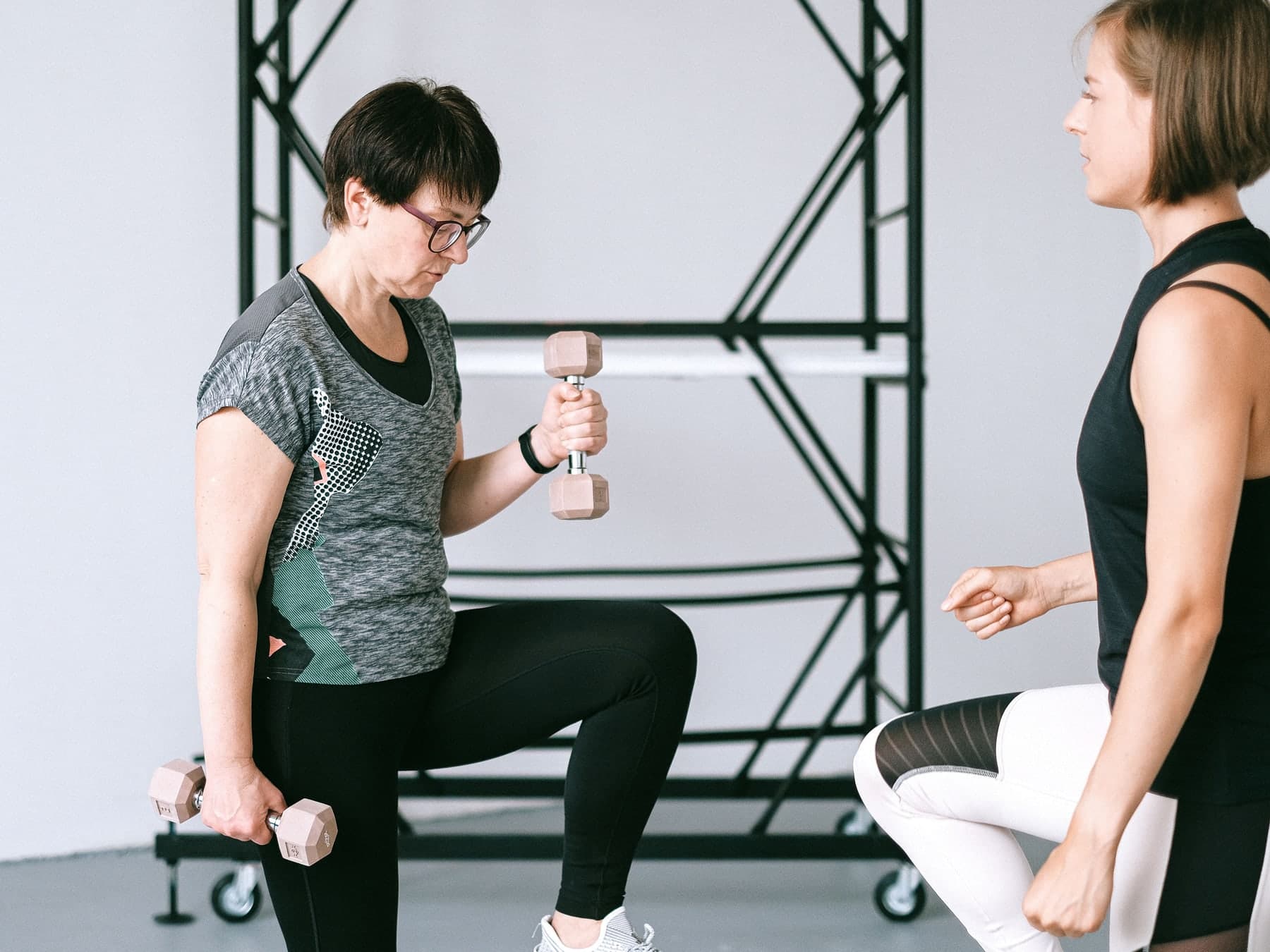
6. The movement patterns worth keeping for life
Instead of beginning with 25 unfamiliar exercises, think about the movements you want to preserve.
Squatting and standing. Getting out of a chair, lowering onto a toilet, and standing up from a low seat all require leg strength. Chair squats, supported squats, and traditional squats can train this ability.
Pushing. Opening heavy doors, pushing a shopping cart, and getting up from the floor involve pushing strength. Wall push-ups, counter push-ups, and chest presses are useful options.
Pulling. Pulling a door, moving objects toward you, and handling luggage involve muscles in your back and arms. Resistance-band rows, cable rows, and dumbbell rows can help.
Hinging. Bending at the hips to pick something up requires coordination and strength through the hips, legs, and trunk. Hip hinges and appropriately selected deadlift variations develop this pattern.
Carrying. Carrying shopping bags, suitcases, or gardening supplies challenges grip strength, posture, and whole-body coordination.
Stepping and climbing. Stairs, curbs, hiking trails, and getting into vehicles all benefit from strong legs and controlled stepping.
Rotating and reaching. Turning to look behind you, reaching into cupboards, and moving comfortably through daily tasks require mobility and control.
These movements form a practical foundation for strength training.
A well-designed program doesn't need to reproduce every movement exactly, but it should help you remain capable across the activities that matter to you.
7. How to begin strength training after 50
For most healthy adults, strength training at least twice weekly is a sensible starting goal.
The World Health Organization recommends muscle-strengthening activities involving major muscle groups on two or more days each week.
A beginner doesn't need to train every muscle with multiple specialized exercises.
A short full-body routine can be effective.
| Exercise | Starting amount | Main purpose |
|---|---|---|
| Chair sit-to-stand | 1–2 sets of 6–10 | Leg strength |
| Wall or counter push-up | 1–2 sets of 6–12 | Upper-body pushing |
| Resistance-band row | 1–2 sets of 8–12 | Upper-body pulling |
| Supported calf raise | 1–2 sets of 8–15 | Lower-leg strength |
| Light carry | 2–3 walks of 20–30 seconds | Grip and trunk strength |
| Supported step-up | 1–2 sets of 5–8 per leg | Stepping ability |
Start with a manageable challenge.
If you've been inactive for years, one set may be enough initially.
Move deliberately, breathe naturally, and use a range of motion you can control.
Once an exercise becomes comfortably manageable, increase the repetitions, resistance, or difficulty slightly.
Someone with substantial training experience will need more challenging resistance and a different program to continue progressing.
The important principle is progressive overload: gradually increasing the challenge as your capacity improves.
That doesn't mean increasing the weight every workout. Progress can involve better technique, more repetitions, a greater range of motion, or improved control.
How hard should strength training feel?
One useful approach is to finish most sets feeling as though you could perform another two or three good repetitions.
That usually provides a meaningful challenge without requiring every set to become an exhausting test of determination.
Experienced lifters may sometimes train closer to their limits. Beginners generally benefit from learning technique and building consistency first.
Sharp pain, sudden dizziness, chest discomfort, or unusual breathlessness aren't signs of a productive workout.
And if you have a condition affecting your heart, bones, joints, or balance, your program may need specific adjustments.
Can older adults lift heavy weights?
Absolutely, when appropriately trained and medically suitable.
Age alone doesn't make heavy resistance training unsafe.
A 70-year-old who has lifted weights for decades may safely handle loads that would be entirely inappropriate for a sedentary 30-year-old.
The right weight depends on technique, training history, health conditions, and the movement itself.
Heavy lifting isn't mandatory, but avoiding all meaningful resistance out of fear can unnecessarily limit progress.
The goal is strength that serves your life.
8. Cardio: train your heart for the life you want
Strength training helps you produce force. Aerobic exercise helps you sustain activity.
Both matter.
Your cardiovascular system delivers oxygen and nutrients to working tissues. Your lungs bring oxygen into the body, your heart pumps blood, and your muscles use that oxygen to produce energy.
Regular aerobic activity can improve cardiovascular fitness, making sustained activity feel easier.
The result is familiar to anyone who has become fitter: a hill that once left you breathless becomes manageable.
You can walk farther. You recover faster after climbing stairs. You have more endurance for ordinary activities.
How much cardio do you need?
The World Health Organization recommends 150–300 minutes of moderate-intensity aerobic activity weekly, or 75–150 minutes of vigorous activity, or an appropriate combination.
That might sound intimidating if you've been sedentary.
But 150 minutes is 30 minutes on five days.
And it doesn't have to happen all at once.
A ten-minute walk after breakfast, another after lunch, and another after dinner adds up to half an hour.
If you can manage only five minutes today, start with five.
There's no benefit to waiting until you're fit enough to follow the perfect program.
Use the talk test
You don't need an expensive smartwatch to judge moderate exercise intensity.
Try talking.
During moderate exercise, you can usually speak in sentences, but singing comfortably would be difficult.
During vigorous exercise, speaking more than a few words without pausing becomes challenging.
The appropriate intensity depends on your fitness.
A brisk walk might be moderate exercise for one person and easy recovery activity for another.

9. Walking: ordinary, accessible, and remarkably useful
Walking is one of the most practical forms of exercise available.
It requires little equipment, can be adapted to different abilities, and fits naturally into daily life.
Regular walking can contribute to cardiovascular health, endurance, blood glucose management, and psychological well-being.
But whether walking alone is enough depends on your goals.
For cardiovascular fitness, brisk walking can provide substantial benefits.
For muscle strength, bone loading, and balance, walking may not provide everything you need.
Someone who walks five miles daily may have excellent endurance but still struggle to get up from the floor because they haven't trained that particular movement.
That's why combining walking with strength and balance training makes sense.
Do you really need 10,000 steps?
The famous 10,000-step target is not a universal biological threshold.
Research examining daily step counts has found associations between higher activity levels and lower mortality risk, with benefits often appearing below 10,000 steps.
The precise relationship varies by population, age, and study.
The useful lesson is that moving more can matter, even when you don't reach a round number displayed on a watch.
If you currently average 3,000 steps, working toward 4,000 or 5,000 may be a meaningful improvement.
If you're already walking 10,000 comfortably, you don't need to force yourself to reach 15,000 simply because a device can count that high.
Make walking interesting
Try routes with gentle hills. Walk through botanical gardens. Explore unfamiliar neighborhoods. Meet a friend. Take a camera and photograph birds or unusual architecture.
You can also experiment with intervals.
After warming up for five minutes, walk briskly for one minute, then return to an easier pace for two minutes.
Repeat five times, then cool down.
The faster intervals should be challenging but controlled.
If you have known cardiovascular disease or symptoms with exertion, get appropriate guidance before adding vigorous intervals.
10. Balance: the ability you barely notice until you need it
Balance is a little like electricity.
When it's working, you rarely think about it.
When it isn't, everything becomes more complicated.
Standing on one foot while putting on trousers, stepping onto a boat, walking over uneven ground, or recovering when your shoe catches on a rug all require rapid coordination.
Balance depends on information from your eyes, inner ears, joints, muscles, and nervous system.
Your body continuously integrates this information and makes small adjustments to keep you upright.
And balance responds to practice.
Three balance exercises worth learning
Tandem stance. Stand near a sturdy counter. Place one foot directly in front of the other, heel to toe. Hold for 10–20 seconds, using support when needed. Switch feet.
Supported single-leg stand. With a counter within easy reach, lift one foot slightly off the ground. Hold for 5–15 seconds, then switch legs.
Controlled side steps. Stand upright and take several deliberate steps sideways, then return. Focus on accuracy and control.
Practice for a few minutes on several days each week.
If you have significant balance difficulties or a history of falling, a physical therapist can help select appropriate exercises.
You don't need to perform circus tricks on unstable equipment.
You need enough balance to move confidently through your world.

11. Mobility: staying comfortable in a body that moves
Mobility describes your ability to move joints through useful ranges of motion with control.
Flexibility is related, but not identical.
Flexibility concerns how much tissues can lengthen or accommodate a stretch. Mobility also involves strength, coordination, and joint function.
You can be flexible without having particularly good control.
And you can be strong while struggling to reach overhead or turn your head comfortably.
Why stiffness develops
Consider how many hours people spend in a relatively small number of positions.
Sitting at a desk. Driving. Watching television. Looking down at a phone.
There's nothing inherently wrong with sitting, but a body that rarely moves through varied positions may become less comfortable doing so.
Arthritis and other medical conditions can also affect joint motion.
A useful response is to move regularly and train ranges of motion that matter to you.
A five-minute mobility routine
Try this after a short walk or when your body feels reasonably warm.
- Shoulder circles: ten slow circles in each direction.
- Gentle neck turns: five controlled turns each way.
- Standing hip movements: ten gentle forward-and-back movements per leg.
- Ankle circles: ten in each direction.
- Supported chair squats: five slow repetitions.
You don't need to stretch until something hurts.
For static stretching, a mild pulling sensation is usually sufficient.
Avoid forcing a joint beyond its comfortable range.
12. Power: the overlooked ingredient in everyday movement
Strength is the ability to produce force.
Power is the ability to produce force quickly.
That distinction becomes important when you need to react.
Imagine stepping off a curb and realizing the ground is lower than expected.
Your body needs to respond rapidly.
Or consider standing up from a chair, climbing stairs, or accelerating to cross a street.
These movements involve more than maximum strength.
They also require coordination and the ability to generate force at an appropriate speed.
Power tends to decline with age, but it can be trained.
For someone who already has a foundation of strength and good movement control, carefully supervised exercises involving a faster lifting phase can be useful.
For example, you might stand up from a chair with purposeful speed and then sit down slowly and under control.
The movement should remain smooth, safe, and appropriate to your abilities.
Power training doesn't require jumping onto tall boxes or performing Olympic lifts.
It means preserving the ability to move decisively when life demands it.
13. Bone health: strength beneath the surface
Bone is living tissue.
It is continually remodeled through processes that remove older bone and form new bone.
With aging, and particularly after menopause, bone loss can outpace formation.
When bone density and structure deteriorate sufficiently, fracture risk increases.
The challenge is that low bone density often produces no obvious symptoms until a fracture occurs.
What helps preserve bone?
Weight-bearing activity and resistance training provide mechanical loads that can help maintain bone health.
Walking, stair climbing, resistance training, and appropriately selected impact activities may all contribute.
The right activities depend on the individual.
Someone with healthy bones and extensive exercise experience may benefit from carefully programmed impact training.
Someone with osteoporosis or previous fragility fractures may require modifications.
Adequate calcium, vitamin D, protein, and overall nutrition also support bone health.
But more supplementation isn't automatically better.
Calcium needs depend on age, sex, dietary intake, and medical history.
Vitamin D helps the body absorb calcium, but taking large doses without a clear reason doesn't guarantee stronger bones.
Bone-density screening can identify osteoporosis and help estimate fracture risk.
In the United States, routine screening is recommended for women 65 and older and for younger postmenopausal women with elevated risk.
Recommendations for men are less uniform and depend on individual circumstances.
A fracture after a relatively minor fall deserves medical attention even if you otherwise feel healthy.

14. Joint health and arthritis: keep moving intelligently
Arthritis is common, but it isn't one single condition.
Osteoarthritis involves changes affecting joint tissues and can cause pain, stiffness, and reduced function.
Inflammatory arthritis involves different disease processes and may require specific medical treatment.
For many people with osteoarthritis, appropriately selected exercise helps maintain strength, mobility, and daily function.
The trick is matching activity to the joint and the person.
If walking causes substantial knee discomfort, cycling or water exercise may be more comfortable.
If gripping dumbbells aggravates hand arthritis, resistance bands, machines, or modified handles may help.
Strengthening muscles around affected joints can improve support and function.
Some discomfort during exercise may be acceptable, depending on the condition, but persistent worsening pain, marked swelling, or loss of function should be evaluated.
Avoid assuming that every ache means damage.
And avoid assuming that pain should always be ignored.
Good training involves learning the difference.
15. Exercise recovery: improvement happens between workouts, too
Exercise creates a challenge.
Recovery allows the body to adapt.
If you repeatedly train hard without enough rest, sleep, or food, performance may suffer.
This doesn't mean older adults are inherently fragile.
It means training should be structured intelligently.
A productive workout may leave you pleasantly tired.
You might experience muscle soreness after an unfamiliar session, particularly when beginning a new program.
But persistent exhaustion, declining performance, unusually prolonged soreness, or recurring injuries can indicate that your training and recovery aren't well matched.
Sometimes the answer is a rest day.
Sometimes it's reducing the workload, eating enough, improving sleep, or investigating an underlying medical issue.
Progress isn't measured by how exhausted you feel.
It's measured by what your body becomes capable of doing over time.
Part Three: Eat for the body and mind you want to have in ten years
16. Nutrition after 50: forget the fads and build a foundation
Nutrition advice has become unnecessarily exhausting.
One week a food is essential. The next week someone claims it causes inflammation. A celebrity announces that they've eliminated an entire food group and never felt better.
Meanwhile, most people are trying to answer much simpler questions.
What should I eat for breakfast? How much protein do I need? Are carbohydrates bad? Should I take supplements? Does dinner have to involve kale?
No. Dinner does not have to involve kale.
A sensible healthy-aging diet is built around nutritional adequacy, variety, enjoyment, and habits you can sustain.
Several eating patterns associated with favorable long-term health outcomes share recognizable characteristics.
They emphasize vegetables, fruit, legumes, whole grains, nuts, and other minimally processed foods. They include appropriate protein sources and favor unsaturated fats over large amounts of saturated fat.
The Mediterranean-style diet is a familiar example.
But you don't have to eat Mediterranean cuisine to follow its broad principles.
A meal of black beans, brown rice, roasted vegetables, avocado, and grilled fish can fit those principles beautifully.
So can lentil soup with whole-grain bread and a salad.
So can tofu, vegetables, and rice prepared with a modest amount of oil.
Your cultural food traditions, budget, preferences, and medical needs all matter.
Why food quality matters more than dietary labels
People often become attached to dietary identities.
Low-carb. Plant-based. Paleo. Mediterranean. Keto. Pescatarian.
Some of these approaches can be nutritious when thoughtfully planned.
But the label tells you surprisingly little about the quality of someone's actual diet.
A plant-based diet consisting largely of refined starches, sweets, and heavily processed snacks may be nutritionally inadequate.
A low-carbohydrate diet dominated by processed meats and saturated fat may raise other concerns.
And a Mediterranean-style diet can lose much of its appeal if it becomes an excuse to eat unlimited quantities of calorie-dense foods.
The useful questions are more practical.
Are you getting enough protein? Are you eating a variety of plant foods? Are your meals providing essential vitamins and minerals? Are you consuming appropriate amounts of energy? Is your eating pattern compatible with your health conditions?
And perhaps most importantly, can you maintain it without making food a source of constant anxiety?
17. Protein: protect the muscle that protects your independence
Protein supplies amino acids used to maintain and repair body tissues, including muscle.
As people age, preserving muscle becomes especially valuable.
Resistance training and adequate protein intake work together to support that goal.
The standard adult protein Recommended Dietary Allowance is 0.8 grams per kilogram of body weight daily.
Some expert groups recommend higher intakes for many healthy older adults, often around 1.0–1.2 grams per kilogram, particularly when maintaining muscle is a priority.
These higher targets aren't appropriate for everyone. Certain kidney conditions may require individualized guidance.
What does that look like in real food?
Consider someone weighing 160 pounds, approximately 73 kilograms.
At 1.0–1.2 grams per kilogram, that would be roughly 73–88 grams of protein daily.
That amount is achievable with ordinary meals.
Breakfast: Greek yogurt, berries, and nuts
A generous serving of Greek yogurt can provide around 15–20 grams of protein, depending on the product and portion.
Lunch: Chicken or tofu with vegetables and grains
A suitable serving of chicken, fish, or high-protein tofu can make a substantial contribution to the daily total.
Dinner: Fish, lentils, and vegetables
Combining protein-rich foods across meals makes it easier to meet daily needs without relying on enormous portions.
Should you spread protein throughout the day?
Many people eat very little protein at breakfast, a moderate amount at lunch, and most of it at dinner.
Distributing protein across meals can make it easier to reach a useful daily intake and may help support muscle protein synthesis.
It also avoids the peculiar experience of trying to eat an entire day's protein requirement in one enormous evening meal.
Excellent options include eggs, Greek yogurt, cottage cheese, fish, poultry, tofu, tempeh, beans, lentils, milk, and fortified soy beverages.
Protein powders can be convenient, particularly for someone with a poor appetite or difficulty meeting protein needs through meals.
But they aren't mandatory.
A scoop of protein powder isn't inherently superior to a nutritious meal containing the same amount of high-quality protein.
What if you're vegetarian or vegan?
You can meet protein needs without eating meat.
Soy foods, beans, lentils, peas, nuts, seeds, and whole grains all contribute.
The challenge is sometimes practical rather than physiological: many plant protein sources provide less protein per serving than concentrated animal protein sources, and some are relatively filling.
That can matter for someone with a small appetite.
Combining varied protein-rich plant foods across the day helps provide essential amino acids.
Soy products such as tofu, tempeh, and fortified soy milk are particularly convenient.
A well-planned vegan diet also requires a reliable source of vitamin B12.
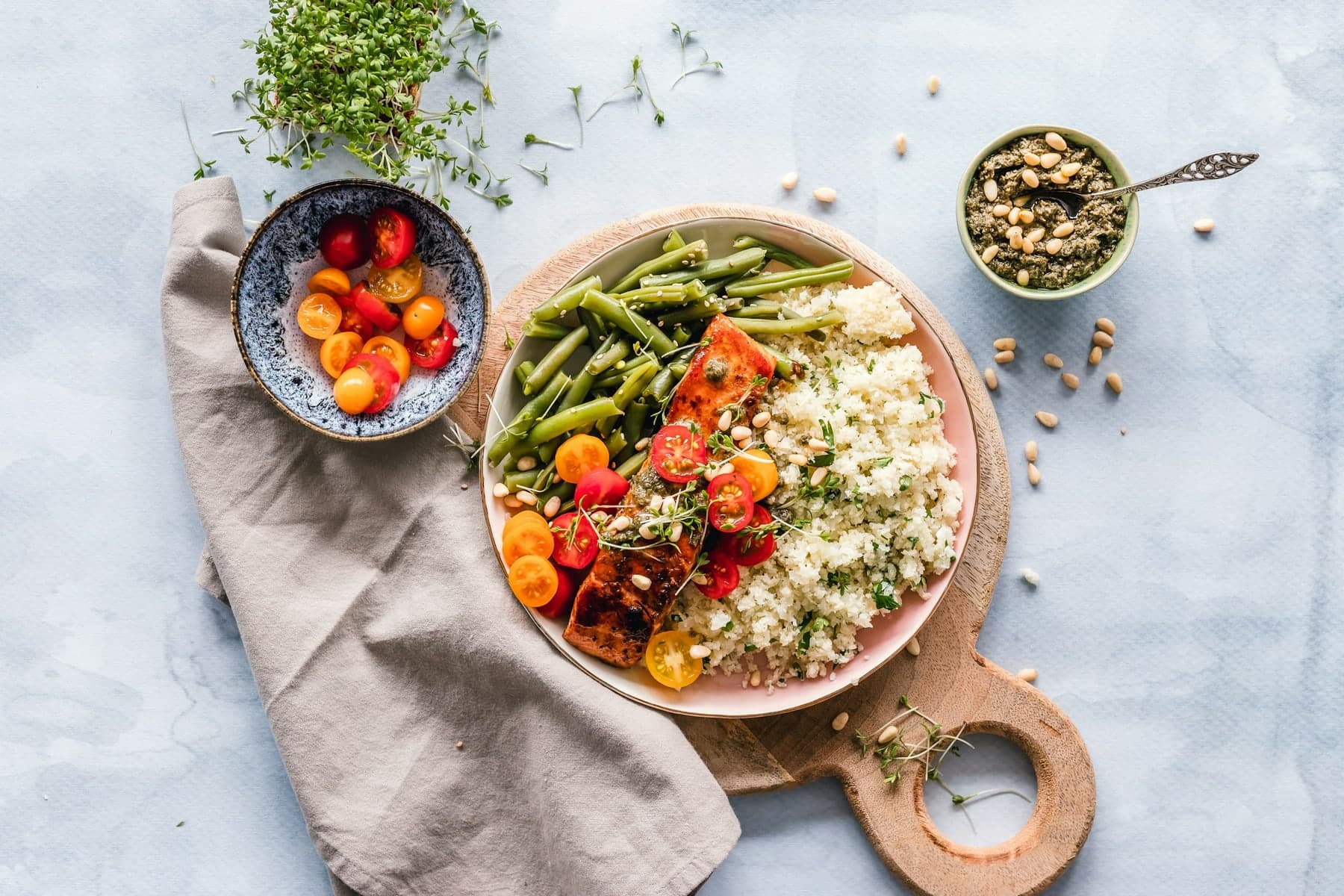
18. Fiber: one of the least glamorous nutritional superstars
Fiber doesn't attract the attention given to exotic berries and longevity supplements.
That's unfortunate, because fiber-rich foods have substantial evidence supporting their role in digestive and cardiometabolic health.
Fiber helps with bowel regularity.
Certain soluble fibers can help lower LDL cholesterol.
Fiber-rich foods may also support more favorable blood glucose responses and greater satisfaction after meals.
Excellent sources include beans, lentils, oats, barley, vegetables, fruit, nuts, and seeds.
How much fiber should you aim for?
General dietary recommendations vary by age and sex.
Common U.S. reference targets for adults over 50 are approximately 30 grams daily for men and 21 grams for women, though individual energy intake and medical circumstances matter.
Instead of becoming obsessed with the number, begin by looking at what you're eating.
Does breakfast include whole grains or fruit?
Are vegetables a regular part of lunch and dinner?
Do you eat beans or lentils?
Are nuts and seeds part of your routine?
If your diet is currently low in fiber, increase it gradually and drink adequate fluids.
A sudden jump from almost no fiber to enormous bowls of beans can produce a memorable afternoon, and not necessarily a pleasant one.
Whole foods or fiber supplements?
Fiber supplements can be useful in certain situations.
Psyllium, for example, has evidence supporting benefits for bowel regularity and LDL cholesterol.
But whole fiber-rich foods offer more than isolated fiber.
Beans provide protein, minerals, and other nutrients. Fruit provides water and various vitamins and plant compounds. Whole grains contribute nutrients alongside their fiber.
If you can meet your needs through a varied diet, that's an excellent foundation.
Supplements can fill specific gaps rather than replace the broader benefits of nutritious foods.
19. Your gut microbiome: fascinating science, exaggerated marketing
Your digestive tract contains a complex community of microorganisms.
These organisms help process certain dietary components, produce metabolites, and interact with your immune system.
Researchers are investigating relationships between gut microbial patterns and numerous aspects of health.
It's a genuinely fascinating field.
Unfortunately, the marketing has moved considerably faster than the science.
Companies now offer stool tests promising personalized dietary recommendations, supplement combinations, and predictions about health risks.
Some of those claims go beyond what current evidence can reliably support.
What can you do for your gut without an expensive test?
Eat a variety of plant foods.
Include fiber-rich foods regularly.
Consider fermented foods such as yogurt, kefir, sauerkraut, or kimchi if you enjoy and tolerate them.
Avoid unnecessary antibiotic use, while taking antibiotics when medically indicated.
And pay attention to persistent digestive symptoms rather than assuming they're always caused by an imbalanced microbiome.
Do probiotics work?
The answer depends on the specific probiotic strain, dose, condition, and individual.
Some probiotics have evidence for particular uses, including selected digestive conditions.
But the term probiotic covers many different organisms and products.
A product marketed for general gut health isn't necessarily proven to improve health outcomes.
And taking probiotics indefinitely doesn't automatically create a healthier microbiome.
People with severe immune compromise or serious illness should be particularly cautious about using live-microorganism supplements without clinical guidance.
20. Carbohydrates: quality matters more than fear
Carbohydrates provide energy.
Your body can use glucose to fuel many tissues, including working muscles.
But carbohydrate-containing foods vary enormously in nutritional value.
Oats, lentils, potatoes, fruit, and whole grains aren't nutritionally equivalent to sugary drinks and candy simply because all contain carbohydrates.
The useful distinction is between foods that provide meaningful nutrients and fiber and those that deliver large amounts of refined starch or added sugar with little else.
Should you avoid bread, rice, or potatoes?
Not automatically.
Whole-grain bread can be part of a nutritious diet.
Rice can fit comfortably into meals containing vegetables and protein.
Potatoes provide potassium and other nutrients, although preparation methods and portions influence their overall nutritional contribution.
Someone with diabetes may need to pay particular attention to carbohydrate quantity and timing.
But that doesn't automatically mean eliminating every carbohydrate-rich food.
The practical question is which foods help you meet nutritional needs while managing blood glucose and overall health appropriately.
What about sugar?
Added sugar can contribute excess calories and make it easier to displace more nutritious foods.
Sugary beverages are particularly easy to consume without much satiety.
Reducing frequent intake of sweetened drinks, candy, and highly sweetened snacks can be useful.
But there's no need to treat a piece of birthday cake as a metabolic catastrophe.
Long-term eating patterns matter far more than isolated celebrations.
21. Dietary fats: your body needs them, but type matters
Dietary fat is essential.
It contributes to cell structure, supports absorption of fat-soluble vitamins, and provides energy.
But different fats have different effects on cardiovascular risk factors.
Unsaturated fats found in foods such as olive oil, nuts, seeds, avocados, and fish are generally preferable to large amounts of saturated fat.
Replacing some saturated fat with unsaturated fat is a well-supported way to improve LDL cholesterol.
Trans fats from partially hydrogenated oils are best avoided.
Is olive oil a longevity miracle?
Olive oil is a useful component of Mediterranean-style eating patterns.
Extra-virgin olive oil also contains various plant compounds.
But it isn't magic.
Its benefits depend partly on what it replaces in the diet.
Using olive oil instead of butter or another saturated-fat-rich cooking fat can be helpful.
Pouring enormous amounts over already calorie-dense meals doesn't necessarily improve health.
What about omega-3 fats?
Omega-3 fatty acids include EPA and DHA, found mainly in fish and marine sources, and ALA, found in foods such as flaxseeds, chia seeds, and walnuts.
Fatty fish can be a nutritious part of a healthy diet.
Omega-3 supplements have specific clinical applications, but evidence does not establish that everyone should take fish oil to extend lifespan.
High-dose products can have risks, including increased atrial fibrillation risk in some trials.
For many people, eating fish regularly is a more straightforward approach than taking multiple capsules.
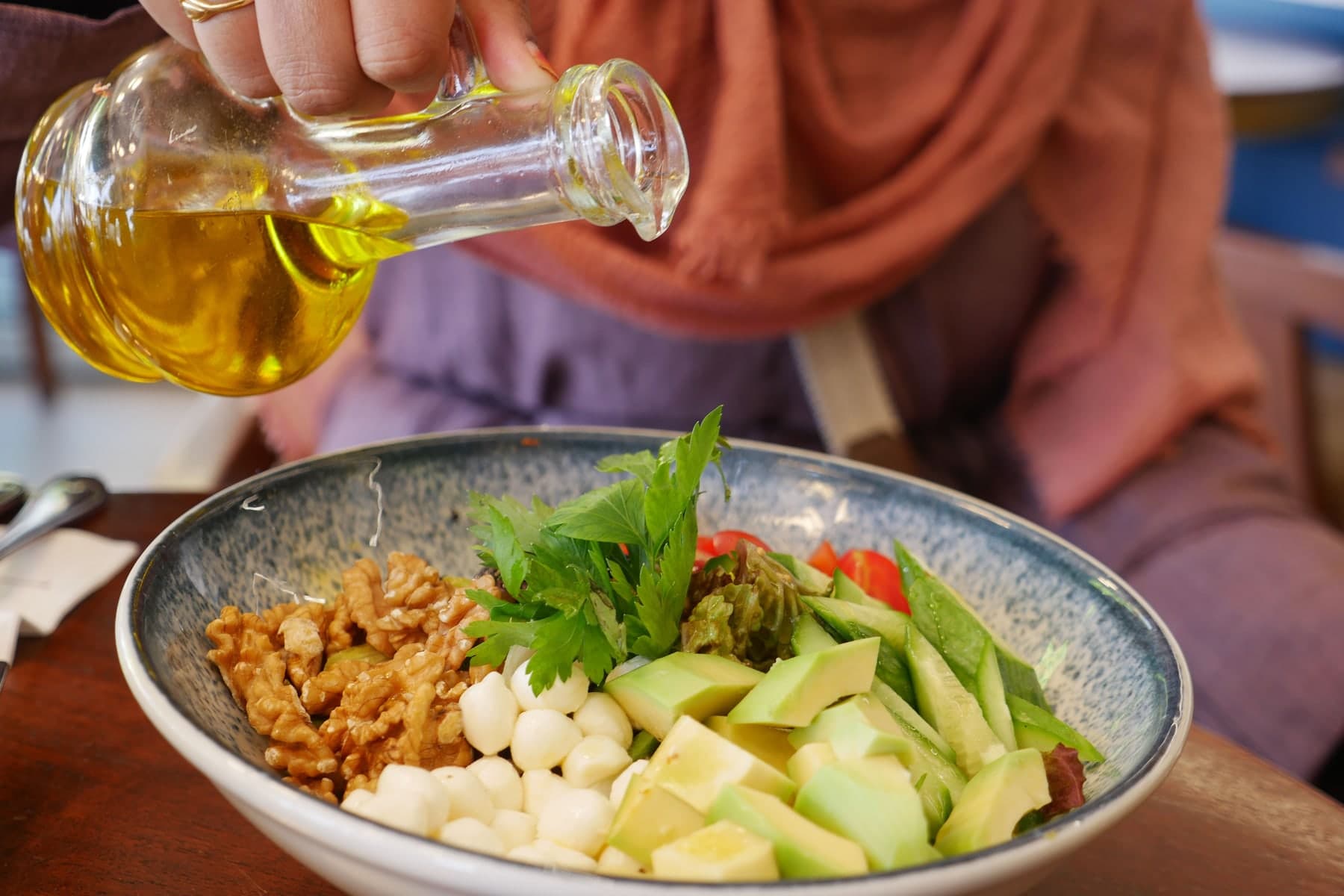
22. The Mediterranean diet: useful principles, not a rigid menu
The Mediterranean diet is one of the most extensively studied dietary patterns.
Its traditional forms emphasize vegetables, fruit, legumes, whole grains, nuts, olive oil, and fish, with relatively limited consumption of processed meat and heavily refined foods.
Research has associated Mediterranean-style eating with favorable cardiovascular outcomes.
But there is no single Mediterranean diet.
Food traditions differ across Greece, Italy, Spain, and other Mediterranean regions.
The broader principles are more useful than attempting to reproduce a particular national cuisine.
A practical Mediterranean-style day
Breakfast might be oatmeal with berries, walnuts, and yogurt.
Lunch could be lentil soup, whole-grain bread, and a tomato salad.
Dinner might feature grilled fish, roasted vegetables, beans, and olive oil.
Fruit, nuts, or yogurt could serve as snacks.
You can adapt the same principles to Mexican, Indian, Japanese, Middle Eastern, or other cuisines.
A bowl of black beans, vegetables, brown rice, and avocado can be entirely compatible with a heart-healthy dietary pattern.
So can tofu with vegetables, edamame, and whole grains.
Healthy eating should accommodate the foods you love.
23. What about intermittent fasting?
Intermittent fasting has become a major topic in longevity discussions.
Popular approaches include limiting eating to a particular daily window, such as eight or ten hours, or reducing calorie intake on selected days.
Some people find these methods helpful because they simplify eating decisions or reduce overall calorie intake.
But fasting isn't automatically superior to other sustainable approaches when energy intake and other factors are comparable.
And evidence that intermittent fasting extends human lifespan remains insufficient.
When fasting may be a poor fit
Someone trying to preserve muscle needs enough protein and energy.
A very narrow eating window can make that difficult.
People taking medications that can cause hypoglycemia may face additional risks.
Those with a history of eating disorders, unintentional weight loss, or significant medical conditions may need to avoid or modify fasting approaches.
If eating breakfast helps you exercise, concentrate, and feel good, there's no compelling reason to skip it solely because fasting is fashionable.
24. Calorie restriction and longevity: intriguing, but complicated
Calorie restriction has extended lifespan in some animal models.
That finding has inspired decades of scientific research.
But translating animal results into practical advice for humans is difficult.
Humans have different lifespans, environments, disease patterns, and nutritional requirements.
Long-term calorie restriction may improve certain metabolic risk markers in some circumstances.
But it can also create problems if it leads to inadequate protein, low energy availability, reduced bone density, or loss of muscle.
Those concerns are especially relevant in later adulthood.
For someone with obesity and related health risks, modest weight loss may provide meaningful benefits.
For someone already lean, physically active, or struggling to maintain weight, restricting calories may be counterproductive.
Longevity isn't a contest to see how little food you can survive on.
25. Hydration: simple, essential, and easy to overlook
Water is involved in temperature regulation, circulation, digestion, and numerous physiological processes.
Fluid needs vary with body size, diet, activity, climate, medications, and health conditions.
Some older adults experience a reduced sensation of thirst, making it easier to drink too little.
Others may need fluid restrictions because of certain medical conditions.
How do you know whether you're drinking enough?
For many healthy adults, thirst, urine color, and daily circumstances provide useful clues.
Pale-yellow urine often suggests reasonable hydration, although medications and supplements can change urine color.
Dark urine, dry mouth, unusual fatigue, and dizziness may occur with dehydration, but these symptoms can have other causes.
You don't need to force yourself to drink enormous amounts of water.
Excessive fluid intake can also be harmful.
Drink regularly, pay attention to thirst, and increase fluids appropriately during hot weather or prolonged activity.
Foods such as fruit, vegetables, soups, and yogurt contribute water too.
26. Healthy eating on a budget
There's an unfortunate tendency to present nutritious eating as something that requires organic produce, exotic ingredients, and a refrigerator that looks like a magazine photograph.
It doesn't.
Frozen vegetables can be nutritious, convenient, and inexpensive.
Canned beans are excellent sources of fiber and protein.
Oats, lentils, eggs, peanut butter, canned fish, potatoes, carrots, and seasonal fruit can form the basis of satisfying meals.
Affordable foods worth keeping around
- Oats and whole grains
- Dried or canned beans and lentils
- Frozen vegetables
- Eggs
- Plain yogurt
- Canned sardines or salmon
- Tofu
- Peanut butter and other nut butters
- Seasonal fruit
- Potatoes and sweet potatoes
Buying in bulk can help when storage space and finances allow.
Cooking larger portions and freezing leftovers can reduce waste.
And convenience has value.
A bag of frozen vegetables that actually gets eaten is more useful than fresh produce that spends two weeks deteriorating in the refrigerator.

Part Four: Supplements, vitamins, and the longevity industry
27. Supplements: what deserves your money?
Walk into a supplement store and you'll encounter an impressive collection of promises.
Sharper memory. Stronger immunity. Healthier joints. Better sleep. More energy. Younger cells.
Some products may be useful.
Many have limited evidence for the benefits being advertised.
And a few can cause genuine harm.
The most sensible approach is to begin with a specific question: What problem am I trying to solve?
A supplement that corrects a diagnosed deficiency is different from one marketed as a general anti-aging solution.
A product with evidence for a particular medical use is different from a mixture of ingredients whose combined effects have barely been studied.
Supplements can also interact with prescription medications, affect laboratory tests, or create problems at excessive doses.
More isn't automatically better.
28. Vitamin D: important, but not a universal cure
Vitamin D supports calcium absorption and bone health.
It also plays roles in normal muscle and immune function.
Low vitamin D levels can occur because of limited sun exposure, malabsorption, certain medical conditions, or other factors.
Some people need supplementation.
But large clinical trials have not established that routine high-dose vitamin D supplementation prevents every major chronic disease in generally healthy adults.
Nor does taking more vitamin D necessarily improve health once needs are met.
Excessive vitamin D can cause high calcium levels and other complications.
The useful approach is to assess risk factors, dietary intake, and clinical circumstances rather than assuming everyone needs large doses.
29. Vitamin B12: especially relevant as we get older
Vitamin B12 supports red blood cell formation and normal neurological function.
Deficiency can cause anemia and neurological symptoms, including numbness, tingling, balance difficulties, and cognitive changes.
Absorption can become more difficult with age, particularly in people with certain gastrointestinal conditions.
Some medications, including metformin and long-term acid-suppressing drugs, can also affect B12 status.
People following vegan diets need reliable B12 sources.
If deficiency is suspected, testing and appropriate treatment are important.
But taking large doses of B12 doesn't necessarily increase energy in someone who already has adequate levels.
30. Calcium: food first when practical
Calcium is essential for bone health, muscle function, and other physiological processes.
Dairy foods, fortified plant beverages, calcium-set tofu, and certain vegetables can contribute.
Supplements may be useful when dietary intake is insufficient.
But taking more calcium than needed doesn't produce endlessly stronger bones.
Some people experience constipation or other side effects, and excessive intake can create problems.
The goal is meeting appropriate requirements, not exceeding them.
31. Magnesium: useful mineral, exaggerated reputation
Magnesium participates in hundreds of enzyme-related processes.
It contributes to normal muscle and nerve function, energy metabolism, and bone health.
Food sources include nuts, seeds, legumes, whole grains, and leafy vegetables.
Magnesium deficiency can occur, but that doesn't mean everyone needs a supplement.
Magnesium products are frequently promoted for sleep, anxiety, muscle cramps, and general longevity.
Evidence varies considerably by condition and formulation.
Some forms can cause diarrhea, and excessive supplemental magnesium may be dangerous in people with impaired kidney function.
If you're considering supplementation, identify the reason and appropriate dose.
32. Creatine: more interesting than its bodybuilding reputation
Creatine is naturally produced by the body and obtained from certain foods, particularly meat and fish.
It helps regenerate ATP, a molecule involved in cellular energy transfer during short, intense activity.
Creatine monohydrate is one of the most extensively studied sports supplements.
When combined with resistance training, it can improve certain measures of strength and lean mass in older adults.
That's a potentially useful application.
But creatine isn't a substitute for exercise, and evidence that it extends human lifespan is lacking.
Typical research protocols often use several grams daily, but appropriate use depends on individual circumstances.
People with kidney disease or other relevant medical conditions should discuss supplementation with their clinician.
Also remember that creatine can increase body weight through changes in muscle water content.
That isn't necessarily fat gain.
33. Collagen: promising marketing, more modest evidence
Collagen supplements are promoted for skin elasticity, joint comfort, and connective-tissue health.
Some small studies suggest possible benefits for selected outcomes.
But research quality varies, and many studies are short or industry-funded.
Collagen isn't a complete protein source for muscle-building purposes because its amino acid profile differs from that of high-quality complete proteins.
If your main goal is preserving muscle, prioritize adequate overall protein and resistance training.
If you're considering collagen for joint or skin concerns, approach the claims with realistic expectations.
34. Turmeric, curcumin, and other botanical supplements
Turmeric contains curcuminoids, including curcumin, which researchers have studied for various biological effects.
Some trials suggest possible benefits for certain symptoms, such as osteoarthritis pain.
But supplement formulations differ dramatically in absorption and composition.
A plausible anti-inflammatory mechanism doesn't prove that a supplement prevents disease or extends life.
Concentrated products can also cause side effects and interact with medications.
Some turmeric and curcumin supplements have been associated with liver injury.
Culinary turmeric used in ordinary cooking is a different proposition from high-dose extracts.
Enjoy spices for flavor. Be more careful with concentrated supplements.
35. Resveratrol, NMN, NAD+, and the promise of cellular rejuvenation
This is where longevity marketing becomes especially enthusiastic.
Resveratrol, nicotinamide mononucleotide (NMN), nicotinamide riboside (NR), and other compounds are often promoted as ways to influence cellular pathways associated with aging.
The underlying science can be interesting.
NAD+, for example, participates in numerous metabolic reactions.
Its biology has attracted substantial research attention.
But showing that a compound changes a biomarker or cellular pathway doesn't establish that taking it extends human life.
Human trials of many longevity supplements remain relatively small, short, or focused on intermediate outcomes.
Long-term safety and clinically meaningful benefits are often uncertain.
Before spending hundreds of dollars monthly on a longevity supplement stack, ask whether the product has demonstrated benefits that matter to people.
Living longer, avoiding disease, maintaining strength, or improving daily function would be meaningful outcomes.
A temporary change in a laboratory marker may not be.
36. Rapamycin and metformin: research is not the same as a recommendation
Certain prescription medications have attracted attention in aging research.
Rapamycin affects a cellular signaling pathway involved in growth and metabolism.
Metformin is widely used to treat type 2 diabetes and has been studied for potential effects beyond glucose control.
Both have legitimate medical uses.
Both have also generated interest in whether they might influence aging-related processes.
But neither should be treated as a proven general-purpose longevity medication for healthy adults.
Rapamycin can affect immune function and has potentially serious adverse effects.
Metformin can cause gastrointestinal symptoms and may contribute to vitamin B12 deficiency, among other considerations.
Taking prescription medications off-label solely to pursue speculative longevity benefits is a decision with real risks.
Research findings should inform clinical decisions, not become invitations to self-experiment with powerful drugs.

Part Five: Protect your heart, metabolism, and long-term health
37. Your cardiovascular system deserves attention before symptoms appear
Your heart works continuously.
It pumps blood through an extensive network of vessels, delivering oxygen and nutrients throughout your body.
Cardiovascular disease remains a major cause of illness and death.
But many cardiovascular risk factors can be identified and addressed before serious symptoms develop.
High blood pressure, elevated LDL cholesterol, diabetes, smoking, physical inactivity, and certain inherited conditions all influence risk.
The encouraging part is that effective prevention strategies exist.
The less glamorous part is that they often involve ordinary habits and consistent medical care rather than dramatic interventions.
38. Blood pressure: know your numbers
High blood pressure often produces no obvious symptoms.
You can feel perfectly healthy while your blood pressure remains elevated.
Over time, uncontrolled hypertension can damage blood vessels and increase the risk of heart disease, stroke, kidney disease, and other complications.
Regular measurement is therefore valuable.
How to measure blood pressure at home
Use a validated upper-arm monitor with an appropriately sized cuff.
Sit quietly for several minutes before measuring.
Keep your feet flat on the floor, back supported, and arm resting at heart level.
Avoid talking during the measurement.
Follow your clinician's instructions about timing and recording readings.
A single unusual result doesn't necessarily establish a problem.
Repeated patterns are more informative.
If readings are persistently elevated, discuss them with a healthcare professional.
Lifestyle changes can help, but medication may also be appropriate depending on the level of blood pressure and overall risk.
39. Cholesterol: why appearance can be misleading
Cholesterol is essential for normal physiology.
But elevated levels of certain cholesterol-containing particles, particularly LDL, contribute to atherosclerotic cardiovascular disease.
A person can be thin, athletic, and still have genetically elevated LDL cholesterol.
That's one reason appearance alone isn't a reliable measure of cardiovascular health.
Diet, genetics, medications, and other factors influence cholesterol levels.
For some people, dietary changes and physical activity produce meaningful improvements.
For others, medication may be important.
The appropriate approach depends on overall risk, including age, blood pressure, smoking status, diabetes, family history, and other factors.
40. Blood glucose and insulin resistance
Glucose is an important fuel.
Insulin helps regulate glucose movement and storage.
When tissues become less responsive to insulin, the body may need to produce more insulin to maintain normal glucose levels.
Over time, some people develop prediabetes or type 2 diabetes.
Regular physical activity, resistance training, nutritious eating, adequate sleep, and weight management when appropriate can support glucose regulation.
But diabetes can develop despite generally healthy habits.
Diagnosis isn't a moral judgment.
It's information that can guide treatment.
Why resistance training helps
Skeletal muscle is a major site of glucose uptake.
During and after exercise, muscles can take up glucose through processes influenced by muscle contraction and insulin signaling.
Building and using muscle therefore contributes to metabolic health.
A combination of aerobic and resistance exercise is often particularly useful.
41. Body composition matters more than the scale alone
Body weight can provide useful information.
But it doesn't reveal everything about health.
Two people at the same weight can have different muscle mass, fat distribution, fitness, and metabolic risk.
Body mass index, or BMI, is a population-level screening tool with limitations for individual assessment.
Waist circumference can provide additional information about abdominal fat distribution.
But neither measurement tells the entire story.
Why aggressive dieting can backfire after 50
Weight loss often involves some loss of lean tissue as well as fat.
For older adults, losing substantial muscle can undermine strength and function.
If weight loss is medically appropriate, resistance training and sufficient protein can help preserve muscle.
For someone already lean or losing weight unintentionally, the priority may instead be maintaining weight and strength.
Unintentional weight loss deserves attention, particularly when accompanied by weakness, poor appetite, or other symptoms.
42. Inflammation: important biology, often misused in marketing
Inflammation is part of the body's normal response to injury and infection.
It helps coordinate defense and repair.
But chronic inflammatory processes can contribute to various diseases.
Researchers also study age-associated changes in inflammatory signaling, sometimes using the term inflammaging.
That concept has legitimate scientific relevance.
Unfortunately, almost every wellness product now seems to claim it fights inflammation.
A food isn't automatically harmful because it temporarily influences an inflammatory marker.
And a supplement isn't necessarily beneficial because it reduces inflammation in a laboratory experiment.
The useful approach is to address established risk factors.
Avoid smoking. Stay physically active. Eat a nutritious diet. Get adequate sleep. Manage chronic conditions.
These actions have broader and more reliable evidence than most products marketed as anti-inflammatory miracles.

Part Six: Sleep, brain health, and emotional well-being
43. Sleep is maintenance your body can't outsource
There's a peculiar cultural habit of treating sleep as something ambitious people should overcome.
Someone announces they sleep four hours nightly, and we're apparently supposed to applaud.
For most adults, chronic sleep deprivation isn't a badge of discipline.
It's a problem.
Sleep supports learning, memory, emotional regulation, immune function, and numerous physiological processes.
It also affects how you feel during the day, including your willingness and ability to exercise.
How much sleep do you need after 50?
Many adults benefit from approximately seven to nine hours nightly, although recommendations vary somewhat by age.
Individual needs differ.
Some people function well with seven hours. Others feel better closer to eight or nine.
The important questions include whether you're sleeping enough, whether sleep is reasonably restorative, and whether you remain alert during the day.
44. Why sleep changes with age
Some older adults become sleepy earlier in the evening and wake earlier in the morning.
Sleep may also become more fragmented.
But frequent nighttime waking isn't always something you must simply accept.
Pain, medication effects, nighttime urination, sleep apnea, mood disorders, and other treatable conditions can interfere with sleep.
If you're persistently exhausted despite spending enough time in bed, investigate rather than assuming it's simply your age.
Make your bedroom work for you
Keep a reasonably consistent wake time.
Get daylight exposure during the day.
Exercise regularly.
Make your bedroom dark, quiet, and comfortably cool.
Limit caffeine late enough that it doesn't interfere with sleep.
Alcohol may make you sleepy initially, but it can disrupt sleep later in the night.
And try to keep the bedroom associated with rest rather than an endless battle with your phone.
45. Insomnia and sleep apnea deserve proper attention
Occasional poor sleep is common.
Persistent insomnia is different.
Cognitive behavioral therapy for insomnia, commonly called CBT-I, is generally recommended as a first-line treatment for chronic insomnia.
It addresses habits and thought patterns that perpetuate sleep difficulties.
Sleep medications can have a role in selected situations, but some carry risks such as next-day impairment, confusion, or falls.
Sleep apnea is another important consideration.
Loud snoring, witnessed pauses in breathing, gasping during sleep, morning headaches, or excessive daytime sleepiness may suggest obstructive sleep apnea.
Evaluation can identify whether treatment is appropriate.
Buying another pillow may not solve a breathing disorder.
46. Your brain needs a life, not just brain games
The brain changes throughout adulthood.
Some types of processing become slower. Remembering an unfamiliar name can take longer. Multitasking may become less effortless.
But aging also brings advantages that are easy to overlook.
Experience, accumulated knowledge, emotional understanding, pattern recognition, and practical judgment can remain valuable or improve through much of adulthood.
The brain isn't a computer that simply becomes obsolete when a newer model arrives.
What supports cognitive health?
Regular physical activity, cardiovascular risk management, adequate sleep, hearing care, social engagement, and mentally stimulating activities all belong in the conversation.
Some observational studies associate these behaviors with better cognitive outcomes.
But associations don't establish that any single activity prevents dementia.
You can reasonably encourage learning and social participation without claiming that crossword puzzles or dance lessons will prevent Alzheimer's disease.
47. Learn something genuinely new
There's nothing wrong with doing the daily crossword.
But if you've solved crosswords for 30 years, your brain may be extremely practiced at that particular task.
Learning something unfamiliar creates a different challenge.
Try studying a language, learning an instrument, taking up photography, exploring woodworking, joining a dance class, or learning new technology.
Choose something that requires attention, practice, and gradual improvement.
It helps enormously if you enjoy it.
The brain benefits from engagement, but you don't need to turn every hobby into a medical intervention.
Sometimes learning the guitar is worthwhile because playing the guitar is fun.
48. Hearing and vision are part of brain health
Hearing difficulties can make conversations exhausting.
When following speech requires intense concentration, participating socially may become less enjoyable.
People may begin avoiding noisy restaurants, gatherings, or group activities.
Hearing loss has been associated with cognitive decline in observational research, although the relationships are complex.
If you frequently ask people to repeat themselves or struggle to understand speech in noisy places, consider a hearing evaluation.
Modern hearing aids and assistive devices offer more options than many people realize.
Vision deserves similar attention.
Changes in vision can affect reading, driving, mobility, balance, and social participation.
Routine eye care can identify conditions such as cataracts, glaucoma, and age-related macular degeneration.
Preserving the ability to see and hear comfortably helps you remain connected with the world.
49. Stress: unavoidable, but manageable
A little stress is part of being alive.
Exercise creates physical stress that can produce beneficial adaptations.
Challenging work can be satisfying.
Preparing for an important event may make you nervous and excited.
The concern is prolonged stress that overwhelms your ability to recover.
Chronic stress can affect sleep, mood, appetite, relationships, and health behaviors.
But it's misleading to suggest that every stressful thought directly damages your body or accelerates aging in a measurable way.
Human stress responses are more complicated than that.
Address the source when possible
Sometimes stress-management advice is remarkably detached from reality.
A person is overwhelmed by financial problems, caregiving responsibilities, or an impossible workload, and someone recommends lavender tea.
Tea may be pleasant.
It doesn't solve the underlying problem.
Effective stress management can involve changing circumstances, seeking practical assistance, setting boundaries, improving sleep, or finding support.
Relaxation techniques can help, but they're only one part of the picture.
50. Emotional health is health
Depression and anxiety aren't inevitable consequences of aging.
They can occur at any age and deserve appropriate attention.
Major life transitions, bereavement, illness, financial strain, caregiving, and changes in social roles can affect emotional well-being.
Persistent loss of interest, low mood, overwhelming anxiety, or changes in functioning shouldn't simply be dismissed as getting older.
Treatment can include psychotherapy, medication when appropriate, social support, lifestyle changes, and addressing contributing medical conditions.
Seeking help is a practical response to a treatable problem.
And ordinary pleasure matters too.
Gardening, reading, woodworking, music, painting, cooking, spending time outdoors, or watching a funny movie can provide relief from constant demands.
A life devoted entirely to optimizing health metrics would be a strange way to use the extra years you're hoping to gain.
Part Seven: Relationships, purpose, and the art of enjoying your life
51. Social connection belongs in every serious conversation about longevity
Think about the last time you laughed so hard that you couldn't finish a sentence.
Chances are, another person was involved.
Social connection contributes to our lives in ways that go far beyond having someone available in an emergency.
Friends, family, neighbors, colleagues, and community groups can provide companionship, practical help, emotional support, and a sense of belonging.
Research has linked social isolation and loneliness with adverse health outcomes, including cardiovascular disease, depression, and cognitive decline. These relationships are complex, but social well-being is a recognized component of healthy aging.
CDC+1
Not everyone needs a large social circle.
Some people thrive with a handful of close relationships. Others enjoy broad networks and frequent gatherings.
The goal is meaningful connection, not accumulating acquaintances like reward points.
Loneliness and being alone aren't the same thing
Solitude can be restorative.
Some people enjoy reading alone, taking quiet walks, traveling independently, or spending an afternoon working on a personal project.
Loneliness is different. It involves a perceived gap between the relationships you have and the relationships you want.
Someone can feel lonely in a crowded room.
Another person can live alone and feel deeply connected to friends, family, and community.
That's why prescribing more social activity isn't always the answer.
Quality matters.
If you have plenty of superficial contact but lack someone you can speak with openly, developing one or two closer relationships may be more valuable than adding another weekly gathering.
52. Retirement can change more than your schedule
Work often provides social contact, structure, identity, and shared goals.
Retirement can be liberating, especially after a demanding career.
But it can also remove relationships and routines that quietly supported daily life.
A person may look forward to leaving work for years, then discover that unlimited free time feels surprisingly empty.
Planning for retirement should involve more than financial calculations.
What will give your days structure?
Who will you spend time with?
What activities will challenge you?
Where will you feel useful?
There are no universally correct answers.
Some people want to volunteer. Others want to travel, pursue art, help family, mentor younger people, or simply enjoy having more control over their time.
And some people have no desire to retire at all.
Continuing to work can provide satisfaction, social contact, and purpose, provided the work is compatible with health and personal circumstances.
The important thing is having a life that feels like your own.
53. Friendship after 50: make room for new people
Friendships often develop naturally during school, early adulthood, and working life.
Later, the circumstances that once brought people together may disappear.
Children grow up. People move. Careers change. Friends become ill or die. Daily routines become more established.
Making new friends can feel awkward.
But it remains possible.
One practical approach is to participate in activities that bring the same people together repeatedly.
A walking group, volunteer organization, community class, recreational sports league, choir, or gardening club creates opportunities for familiarity.
And familiarity helps.
You don't need to arrive with dazzling conversation.
A shared interest provides something to talk about.
Over time, casual conversation can become friendship.
Reconnect before assuming a friendship is gone
Sometimes maintaining connection requires less effort than building something entirely new.
Think of someone you genuinely enjoy but haven't spoken with recently.
Send a message.
Suggest coffee, a walk, or a phone call.
Don't assume that the other person is uninterested simply because you've both been busy.
A surprising number of relationships fade through inertia rather than conflict.
54. Marriage, partnership, and intimacy
Close relationships can provide emotional support, companionship, affection, and practical help.
But relationship quality matters.
A chronically conflict-filled relationship isn't automatically beneficial simply because two people are together.
Communication, mutual respect, shared experiences, and the ability to navigate disagreements contribute to relationship satisfaction.
Later adulthood can bring changes in relationships.
Retirement may mean spending far more time together than before. Health conditions may alter responsibilities. Sexual needs and preferences may change.
These transitions can require adjustment.
Sexual health doesn't expire at 50
Sexuality and intimacy remain important to many adults well beyond 50.
Changes in desire, erectile function, vaginal comfort, and other aspects of sexual health are common and often treatable.
Menopause, medications, cardiovascular disease, diabetes, stress, and relationship factors can all influence sexual function.
There is no age at which people must stop caring about intimacy.
Open conversations with partners and appropriate healthcare professionals can make a substantial difference.
And intimacy isn't limited to sexual activity.
Affection, touch, companionship, humor, and emotional closeness can remain deeply important.
55. Purpose: having a reason to get out of bed
Purpose is sometimes presented as a mysterious psychological ingredient that guarantees longevity.
The research is more complicated.
Observational studies have found associations between a stronger sense of purpose and favorable health outcomes, but that doesn't prove purpose itself causes longer life.
Still, having meaningful activities can make everyday life richer.
Purpose doesn't have to involve a grand mission.
You might find meaning in caring for a garden, teaching a skill, helping a neighbor, raising grandchildren, making art, supporting a cause, or learning something difficult.
It can also change over time.
The purpose that motivated you at 40 may not be the same one that matters at 75.
That's not a failure.
It's part of living.
Contribution is often more satisfying than constant self-improvement
Much of the wellness industry focuses on the individual.
Improve your body. Optimize your brain. Extend your lifespan. Perfect your sleep.
Those goals can be useful.
But people also need opportunities to contribute.
Teaching someone to cook, volunteering at an animal shelter, helping a younger colleague, or participating in community projects can provide a sense of connection and usefulness.
Sometimes the most rewarding thing you can do for your own well-being is something that benefits someone else.

Part Eight: Preventive healthcare and the changes worth watching
56. Preventive care is an investment in future choices
Healthy habits are powerful, but they don't replace healthcare.
You can exercise regularly, eat well, and still develop a condition that benefits from early detection or treatment.
Preventive care includes appropriate screening, vaccinations, medication reviews, and attention to changes in health.
The right services depend on age, sex, family history, previous results, and individual risk factors.
More testing isn't automatically better.
Every screening test has potential benefits and limitations, including false-positive results, unnecessary follow-up procedures, and the possibility of finding abnormalities that would never have caused harm.
The goal is informed prevention, not collecting the largest possible number of laboratory results.
57. Cancer screening: know what's appropriate for you
Cancer screening recommendations vary by cancer type and individual risk.
Colorectal cancer screening is recommended for many adults beginning at age 45, with decisions at older ages depending on previous screening, health, and life expectancy.
Breast cancer screening recommendations vary among professional organizations and according to individual circumstances.
Cervical cancer screening depends on age, prior results, and medical history.
Lung cancer screening may be appropriate for adults with a substantial smoking history who meet specific criteria.
Prostate cancer screening involves shared decision-making because potential benefits must be weighed against false positives, overdiagnosis, and treatment-related harms.
The useful approach is to review your personal screening schedule with a healthcare professional rather than assuming everyone needs every test annually.
58. Vaccinations aren't just for children
Vaccination can reduce the risk of certain infections and their complications.
Recommendations for adults may include influenza, COVID-19, shingles, pneumococcal disease, tetanus, RSV, and other vaccines depending on age and risk factors.
Schedules change as evidence and public health recommendations evolve.
Review current recommendations with your clinician or pharmacist.
A vaccine that prevents a serious respiratory infection may also help avoid the physical deconditioning that sometimes follows hospitalization or prolonged illness.
59. Review medications periodically
Medication needs can change over time.
A drug prescribed years ago may still be essential.
Another may no longer be necessary, or its dose may need adjustment.
Some medications can contribute to dizziness, sleepiness, constipation, urinary symptoms, or interactions with other drugs.
Taking several medications increases the complexity of managing these risks.
A periodic medication review can help identify opportunities to simplify treatment.
Include over-the-counter products, vitamins, herbal supplements, and occasional medications in the discussion.
Don't stop prescribed medications independently, particularly drugs that require tapering or careful monitoring.
60. Dental health: more than a cosmetic concern
Healthy teeth and gums make it easier to eat comfortably, speak clearly, and enjoy social situations.
Periodontal disease, tooth loss, dry mouth, and poorly fitting dental appliances can affect quality of life.
Dry mouth may occur with certain medications and can increase dental problems.
Regular dental care, brushing with fluoride toothpaste, cleaning between teeth, and addressing symptoms promptly are worthwhile.
Oral health is also relevant to nutrition.
Someone who struggles to chew may begin avoiding raw vegetables, nuts, meats, or other nutritious foods.
Treating dental problems can expand food choices and improve comfort.
61. Foot health deserves more attention
Your feet carry you through daily life.
Painful feet can discourage walking and exercise, even when the rest of your body is capable.
Common problems include plantar heel pain, bunions, arthritis, neuropathy, and poorly fitting footwear.
For people with diabetes, foot care can be especially important because nerve damage and circulation problems may increase the risk of serious complications.
Shoes should fit comfortably and suit the activity.
You don't need the most expensive pair in the store.
You need footwear that works for your feet.
If pain, numbness, wounds, or changes in sensation persist, seek appropriate evaluation.
62. Menopause: a transition worth understanding
Menopause marks the end of menstrual cycles, usually diagnosed after 12 consecutive months without a period when no other cause explains the change.
The transition can involve hot flashes, sleep disruption, mood changes, vaginal and urinary symptoms, and changes in body composition.
Experiences vary enormously.
Some women have relatively mild symptoms.
Others find that symptoms substantially affect daily life.
Declining estrogen also contributes to accelerated bone loss around the menopausal transition.
Effective treatments are available, including menopausal hormone therapy for appropriately selected patients and nonhormonal options.
Hormone therapy isn't a universal longevity treatment.
Decisions depend on symptoms, medical history, age, timing, and individual risk factors.
Women experiencing significant symptoms deserve more than being told to tolerate them.
63. Testosterone and men's health
Testosterone levels may decline with age in men.
But symptoms such as fatigue, reduced energy, or changes in sexual function can have many causes.
A diagnosis of testosterone deficiency requires appropriate clinical evaluation, including compatible symptoms and consistently low laboratory measurements.
Testosterone therapy can benefit selected people with confirmed deficiency.
It isn't a general anti-aging prescription.
Claims that hormone treatment can restore youth or prevent aging deserve skepticism.
Cardiovascular health, sleep apnea, medications, depression, and other conditions may also contribute to symptoms sometimes attributed to low testosterone.
64. When to take new symptoms seriously
Not every ache requires an appointment.
But some changes deserve prompt attention.
Persistent unexplained weight loss, new neurological symptoms, unusual bleeding, progressive shortness of breath, new chest discomfort, or a significant decline in daily function shouldn't be dismissed as normal aging.
Sudden symptoms suggesting stroke or heart attack require emergency care.
The purpose of preventive healthcare isn't to make you anxious about every sensation.
It's to distinguish ordinary variation from changes that deserve investigation.

Part Nine: Make healthy choices easier in the real world
65. Your environment influences your habits more than you realize
Willpower gets far too much credit.
Your surroundings influence what you do, often without your noticing.
If walking shoes are beside the door, you're more likely to remember your walk.
If vegetables are washed and ready in the refrigerator, preparing a nutritious meal becomes easier.
If exercise equipment is buried beneath three boxes in the garage, it may not get much use.
You can design small changes into your environment.
Keep resistance bands somewhere visible.
Choose a walking route you enjoy.
Keep healthy staples available for days when cooking feels like a chore.
Arrange frequently used items so they're easy to reach.
Good lighting, clear walkways, secure rugs, and appropriate handrails can also make a home safer and more comfortable.
These aren't concessions to age.
They're sensible design choices.
66. The benefits of getting outdoors
Parks, gardens, trails, and other outdoor spaces can encourage movement and provide opportunities for relaxation and social contact.
A walk through a pleasant park may feel less like exercise than a session on a treadmill facing a blank wall.
Outdoor activity can also provide daylight exposure, which helps regulate circadian rhythms.
But outdoor conditions matter.
Heat, cold, air pollution, uneven terrain, and poor visibility can create challenges.
Choose appropriate clothing, footwear, hydration, and routes.
If outdoor access is limited, indoor walking, community recreation centers, or accessible exercise programs can provide alternatives.
The setting matters partly because enjoyment influences consistency.
And consistency is where much of the benefit accumulates.
67. Travel: train for the adventures you want
Suppose you'd love to visit Rome, explore national parks, or take a walking holiday through the countryside.
Your fitness routine can help prepare you.
Walking endurance matters.
So does the ability to climb stairs, carry luggage, stand for extended periods, and navigate uneven surfaces.
If travel is a goal, train specifically for those demands.
Practice walking longer distances.
Include hills or stairs when appropriate.
Strengthen your legs and trunk.
Carry a manageable bag during some walks.
If you expect to spend hours sightseeing, gradually build the capacity to remain on your feet.
Travel preparation isn't just about buying tickets.
It's about making the experience enjoyable once you arrive.
68. Gardening, dancing, swimming, and the activities that don't feel like workouts
Structured exercise is useful.
But movement doesn't have to happen in a gym.
Gardening can involve lifting, carrying, squatting, and sustained activity.
Dancing challenges coordination, rhythm, balance, and endurance.
Swimming and water exercise provide cardiovascular activity with relatively low joint impact.
Cycling develops endurance and leg strength.
Hiking adds varied terrain and outdoor enjoyment.
Recreational sports can combine physical challenge with social connection.
Different activities provide different benefits.
Swimming may be excellent for cardiovascular fitness but provides less weight-bearing stimulus than walking or resistance training.
Cycling can build endurance but may not sufficiently challenge upper-body strength or balance.
Gardening can be physically demanding but may also involve awkward positions or repetitive strain.
The best combination depends on what you enjoy and what capabilities you want to preserve.

Part Ten: Build a routine you can actually sustain
69. The beginner's first month
If you've been inactive for years, the prospect of a comprehensive healthy-aging program may feel overwhelming.
You don't need to change everything immediately.
Start with a month devoted to establishing a few repeatable habits.
Week one: establish movement
Walk for five to ten minutes on most days, or choose an accessible equivalent.
Practice standing from a chair several times.
Pay attention to how your body responds.
The goal is familiarity, not exhaustion.
Week two: add strength
Introduce two short strength sessions on nonconsecutive days.
Choose a few movements that challenge major muscle groups.
Continue walking or another aerobic activity.
If soreness is substantial, reduce the initial workload.
Week three: add balance and mobility
Practice a few minutes of supported balance work on several days.
Include gentle mobility exercises.
Consider whether your walking time can increase slightly.
Week four: improve one nutrition habit
Choose something manageable.
Add protein to breakfast.
Eat beans twice during the week.
Include vegetables with lunch.
Replace a frequent sugary drink with water or another unsweetened beverage.
The purpose is to build a foundation that survives beyond the first month.
70. A weekly routine for someone becoming more active
Example weekly activity plan
Adjust to your ability
Monday
20-minute walk + full-body strength
Tuesday
30-minute walk + balance practice
Wednesday
Mobility + comfortable aerobic activity
Thursday
Full-body strength + short walk
Friday
30-minute brisk walk + balance
Saturday
Hike, swim, cycle, dance, or another enjoyable activity
Sunday
Rest or gentle recreational movement
This example may fall short of recommended aerobic activity depending on the duration and intensity of the unspecified sessions. Build toward the full weekly target as your ability allows.
For someone already fit, the program may include three or four substantial strength sessions, longer aerobic workouts, intervals, and recreational sports.
For someone with significant limitations, shorter sessions and adapted exercises may be more appropriate.
The right program is challenging enough to encourage improvement but realistic enough to repeat.
71. What if you only have 15 minutes?
Then use 15 minutes.
You could spend five minutes walking briskly, five minutes doing chair squats and wall push-ups, and five minutes practicing balance and mobility.
Or spend the entire time walking.
Neither choice is wasted.
You don't need to fit every element of fitness into every session.
A short workout completed consistently is more useful than an elaborate routine that never happens.
72. What if you're already in excellent shape?
Healthy aging isn't synonymous with beginner exercise.
Some adults over 50 are accomplished runners, cyclists, swimmers, lifters, hikers, and competitive athletes.
If you're already fit, continue challenging yourself appropriately.
You may benefit from structured resistance training, progressive aerobic conditioning, sport-specific practice, and planned recovery.
Age doesn't automatically require abandoning vigorous exercise.
But training history, injury risk, medical conditions, and recovery capacity should inform programming.
The goal may be improving performance, maintaining athletic capacity, or preparing for a demanding event.
A 62-year-old training for a marathon needs different advice from someone beginning a walking program after years of inactivity.
Both deserve guidance suited to their circumstances.
73. How to measure progress without becoming obsessed
Fitness trackers can be useful.
They can record steps, heart rate, workouts, and other measurements.
But they aren't essential.
You can track progress with a notebook.
Record how many controlled chair squats you can perform, how far you can walk comfortably, what resistance you use during strength training, or how you feel after climbing a familiar hill.
You might also track sleep quality, energy, or consistency.
Choose measures connected to your goals.
If you want to hike comfortably, walking endurance matters.
If you want to carry heavy groceries, strength matters.
If you want to get up from the floor more easily, practice and assess that skill.
The best measurements help you make decisions.
They shouldn't turn your life into an endless performance review.
74. How to handle setbacks
An injury, respiratory infection, surgery, family emergency, or demanding period at work can interrupt your routine.
When you're ready to resume, start below your previous level if necessary and rebuild.
Don't treat every interruption as a personal failure.
If you've been inactive for several weeks, the first workout back doesn't need to match your previous best.
Choose a manageable session.
See how you respond.
Increase gradually.
Fitness is something you develop and maintain over a lifetime.
It doesn't become worthless because you missed a week.
Part Eleven: The future of longevity science

75. What scientists are learning about the biology of aging
Aging research has become an increasingly active field.
Scientists investigate processes involving DNA damage, cellular senescence, mitochondrial function, nutrient sensing, protein maintenance, stem cells, and changes in communication between tissues.
These mechanisms are sometimes grouped into frameworks describing the hallmarks of aging.
Such research may eventually contribute to new treatments for age-related diseases.
But understanding a mechanism isn't the same as knowing how to intervene safely in humans.
A compound that improves lifespan in a laboratory organism may not have the same effect in people.
A treatment that changes a cellular marker may produce unexpected effects elsewhere in the body.
And aging is not one process controlled by a single switch.
The biology is interconnected and complicated.
76. Senolytics and cellular senescence
Cellular senescence is a state in which certain cells stop dividing and undergo other biological changes.
Senescent cells can accumulate in some tissues with age.
Researchers are studying whether selectively targeting certain senescent cells might improve health outcomes.
Compounds called senolytics are being investigated for this purpose.
The research is intriguing.
But there isn't enough evidence to recommend self-administered senolytic regimens for healthy aging.
Potential effects vary by tissue, condition, compound, and dose.
Interfering with cellular processes involved in tissue repair and cancer suppression can have unintended consequences.
This is an area to watch scientifically, not a reason to begin experimenting with unapproved drug combinations.
77. Biological-age clocks: useful research tools, imperfect personal guides
Scientists have developed models that estimate aspects of biological aging using biomarkers, including patterns of DNA methylation.
These models can be useful in research.
But different clocks may measure different biological features.
A change in an estimated age doesn't necessarily prove a corresponding change in lifespan.
Suppose a supplement trial reports that participants became biologically two years younger according to a particular test.
That sounds impressive.
But the crucial questions are whether the change is reproducible, whether it persists, and whether it predicts outcomes people care about.
Did participants develop fewer diseases?
Did they maintain better physical function?
Did they live longer?
Without those answers, the result remains interesting but incomplete.
78. Why the fundamentals remain so powerful
It's tempting to assume that the future of healthy aging will be found entirely in advanced biotechnology.
Perhaps some important breakthroughs will emerge.
But established lifestyle and medical interventions already offer substantial benefits.
Physical activity improves cardiovascular and functional outcomes.
Smoking cessation reduces serious health risks.
Blood-pressure treatment can prevent complications.
Vaccination can prevent certain infections.
Adequate nutrition supports muscle and bone health.
These interventions aren't glamorous.
They don't require futuristic language.
But they address problems that affect millions of people today.
You can follow longevity research with curiosity while still prioritizing what is already useful.
Part Twelve: Putting the years ahead in perspective
79. Healthy aging isn't about becoming a different person
One of the problems with wellness culture is its tendency to suggest that improvement requires reinvention.
You must become someone who wakes at five, drinks an elaborate supplement mixture, tracks every calorie, meditates for an hour, and treats ordinary meals like biochemical experiments.
Perhaps that lifestyle appeals to some people.
Most of us have other interests.
You can care deeply about your health without making it your entire identity.
You can enjoy food, travel, family, hobbies, and occasional indulgences.
You can miss workouts.
You can have imperfect sleep.
You can enjoy dessert without calculating whether it has damaged your longevity prospects.
A sustainable healthy-aging routine should support your life rather than dominate it.
80. Think in decades, act in days
Imagine that you've followed a reasonably healthy routine for ten years.
Not perfectly.
There have been holidays, injuries, stressful months, celebrations, and long stretches when life demanded your attention elsewhere.
But most weeks, you moved your body.
You challenged your muscles.
You ate reasonably well.
You looked after your health.
You stayed involved with people and activities you cared about.
What might those years have given you?
Perhaps more strength than you would otherwise have had.
Better cardiovascular fitness.
More confidence in your movement.
Health conditions identified earlier.
Greater familiarity with your body and what helps it function well.
Maybe you've discovered that you love hiking, swimming, lifting weights, or dancing.
Perhaps you've made friends you wouldn't otherwise have met.
No one can guarantee a particular lifespan or health outcome.
But those years of activity and engagement would have had value even if they added not one extra day to your life.
They would have changed how you lived the days you had.
Try this: give yourself seven days
For the next week, choose one action that feels almost too manageable to fail.
Take a ten-minute walk after lunch.
Practice five chair sit-to-stands every morning.
Add a protein-rich food to breakfast.
Go to bed at a consistent time.
Call someone you've been meaning to reconnect with.
Do it for seven days.
At the end of the week, ask yourself two questions.
Was this realistic?
And did it make my life even slightly better?
If the answer is yes, keep going.
If not, adjust.
Healthy aging isn't a competition to see who can follow the most complicated routine.
It's the ongoing work of giving yourself the best possible chance to enjoy your life.
At 50, 60, 70, or 80, you still have a future worth investing in.
And you don't have to wait until Monday to begin.
Sources and further reading
These resources support the central healthy-aging recommendations and provide starting points for exploring individual topics in greater depth.
- National Institutes of Health — Healthy Aging. Overview of physical, mental, and cognitive health, nutrition, exercise, and prevention.
- CDC — Healthy Aging at Any Age. Physical activity, nutrition, mental well-being, social connection, and preventive care.
- World Health Organization — Guidelines on Physical Activity and Sedentary Behaviour. Detailed recommendations for aerobic activity, strength training, and balance, including for older adults.
- CDC — Physical Activity for Older Adults. Weekly activity recommendations and practical examples.
- NIH Office of Dietary Supplements — Supplement Fact Sheets. Reference information on vitamins, minerals, and selected supplements.
- National Institute on Aging — Health Information. Healthy eating, cognitive health, physical activity, and aging-related concerns.
- U.S. Preventive Services Task Force. Evidence-based preventive screening recommendations.
- National Heart, Lung, and Blood Institute — Heart-Healthy Living. Cardiovascular prevention and risk management.
- National Institute of Diabetes and Digestive and Kidney Diseases. Diabetes, nutrition, kidney health, and digestive conditions.
- National Center for Complementary and Integrative Health. Research on supplements and complementary health approaches.