It's 2 a.m., you're half awake, and the bathroom is down a dark hall. That walk is where home safety changes for older adults start. In 2018, 27.5% of adults 65 or older living in the community reported at least one fall in the past year, and 10.2% reported a fall-related injury. Those are self-reported national figures, and they don't say how much any single change helps.
Most of the useful changes are room-specific: lighting, handrails, grab bars, firm floors and a way to call for help. Health agencies recommend them, but the pages cite no trial data for them. The U.S. Preventive Services Task Force found too little evidence to judge the benefits or harms of environmental modification offered alone, so these are sensible measures without a guarantee. The task force reviewed adults 65 or older, so its findings don't speak directly to younger readers.
Home safety changes for older adults: bedroom and hallway
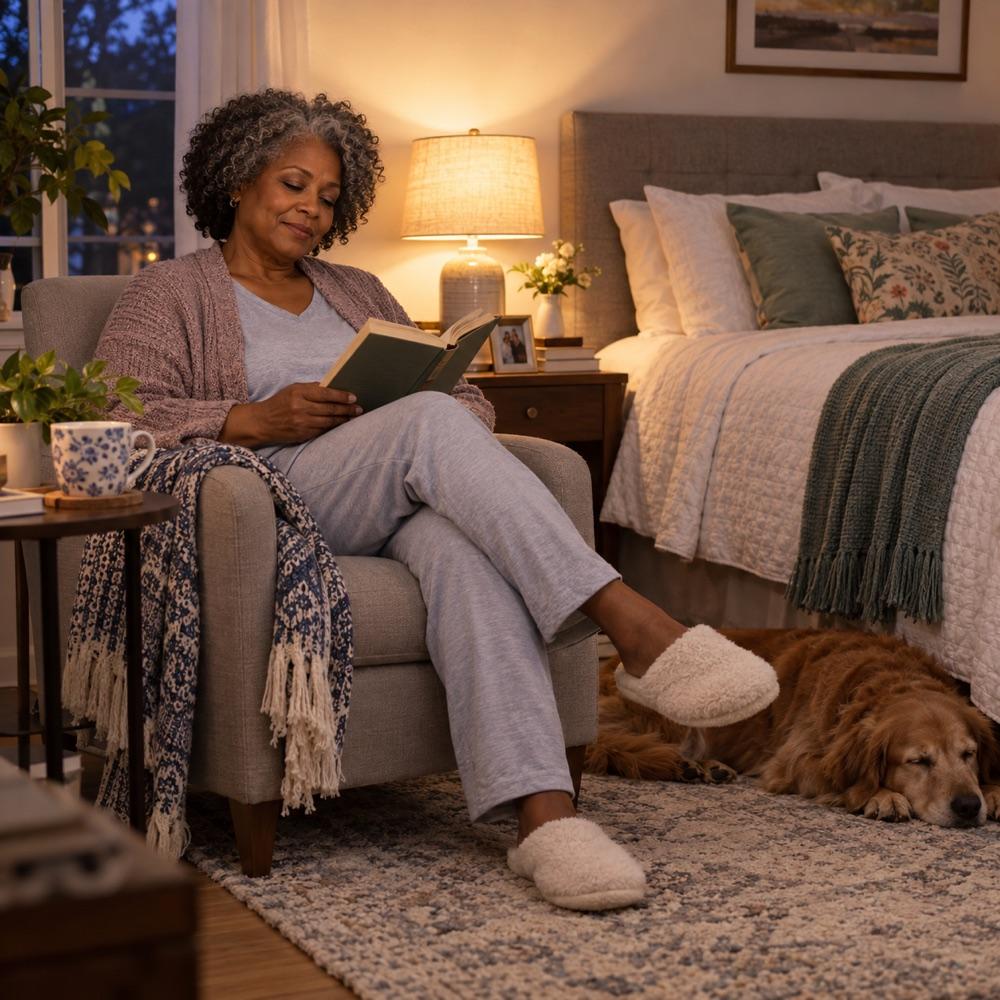
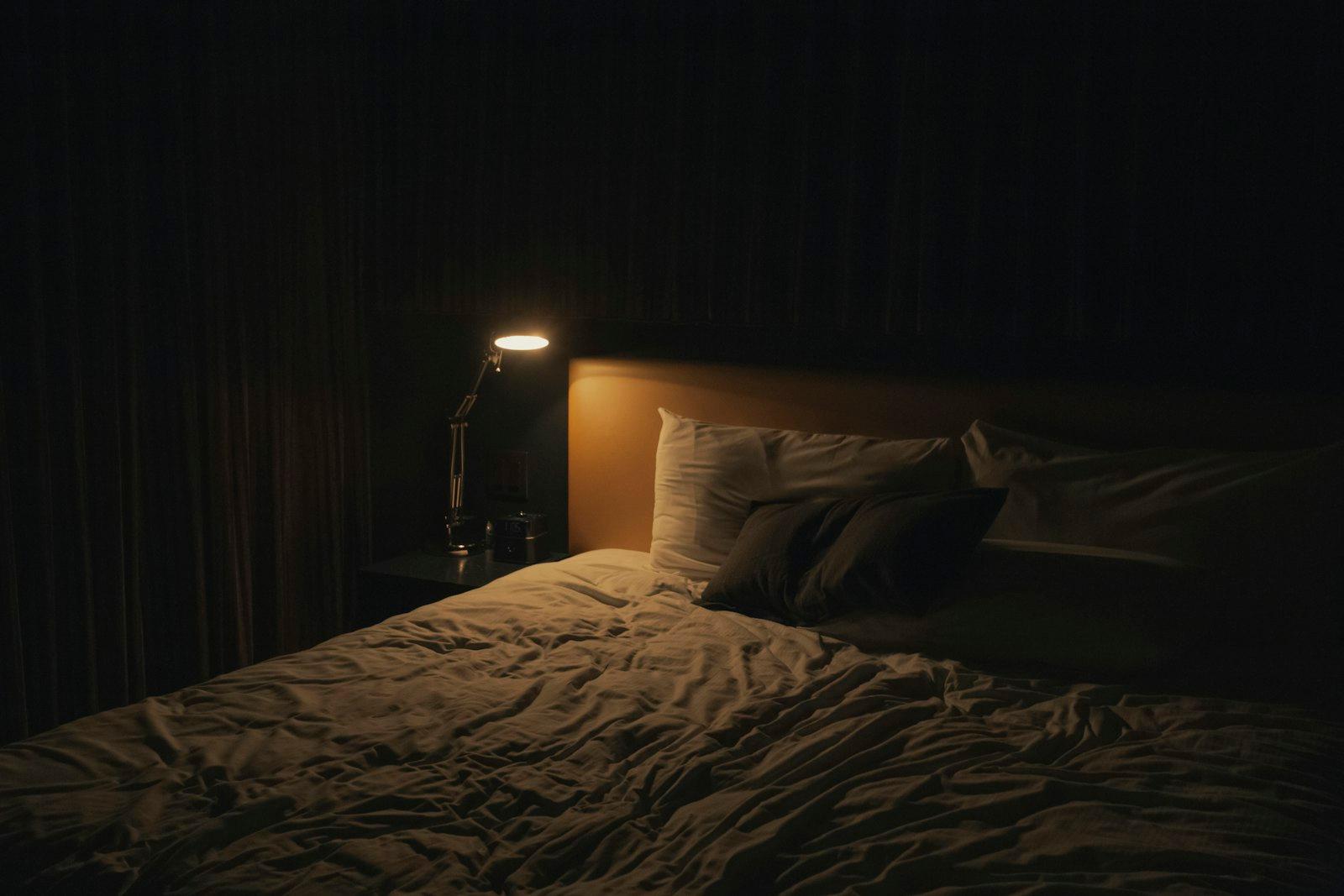
In our view, lighting the route from your bed to the bathroom is the easiest fix on this list. MedlinePlus advises good lighting on the path from the bedroom to the bathroom, in the bathroom and on any stairs. The National Institute on Aging (NIA) suggests motion-activated lights that plug into an outlet and turn on when you walk by, to light stairwells and pathways. Neither source gives a brightness level or a price.
MedlinePlus also suggests a bed low enough that your feet touch the floor when you sit on the edge. Shoes with low heels that fit well help, and rubber soles can help keep you from slipping. When you walk, avoid sudden movements or changes in position.
Stairs and floors
Stairs need secure handrails on both sides, and you should hold them every time, even when you're carrying something. Check that carpets are fixed firmly to the floor. On tile and wood, no-slip strips are sold at any hardware store. The NIA advises against throw rugs and small area rugs, and against walking on slippery, newly washed floors.
Bathroom and high shelves

Mount grab bars near the toilet and on both the inside and outside of the tub and shower. Put nonskid mats, strips or carpet on every surface that may get wet. A grab bar needs secure mounting, and the NIA page doesn't say who should install one or what that costs. For items on high shelves, a reach stick is a grabbing tool sold at many hardware and medical-supply stores.
Calling for help
A button on a special necklace or bracelet can alert 911 if you fall or need emergency help. The service has a fee, and insurance usually doesn't cover it. Some smartwatches can be set up to place emergency calls at the push of a button, and others can detect sudden fall-like movements and call for help automatically. The NIA gives no fee amounts or accuracy data, so compare both before you buy.
What the strongest evidence covers
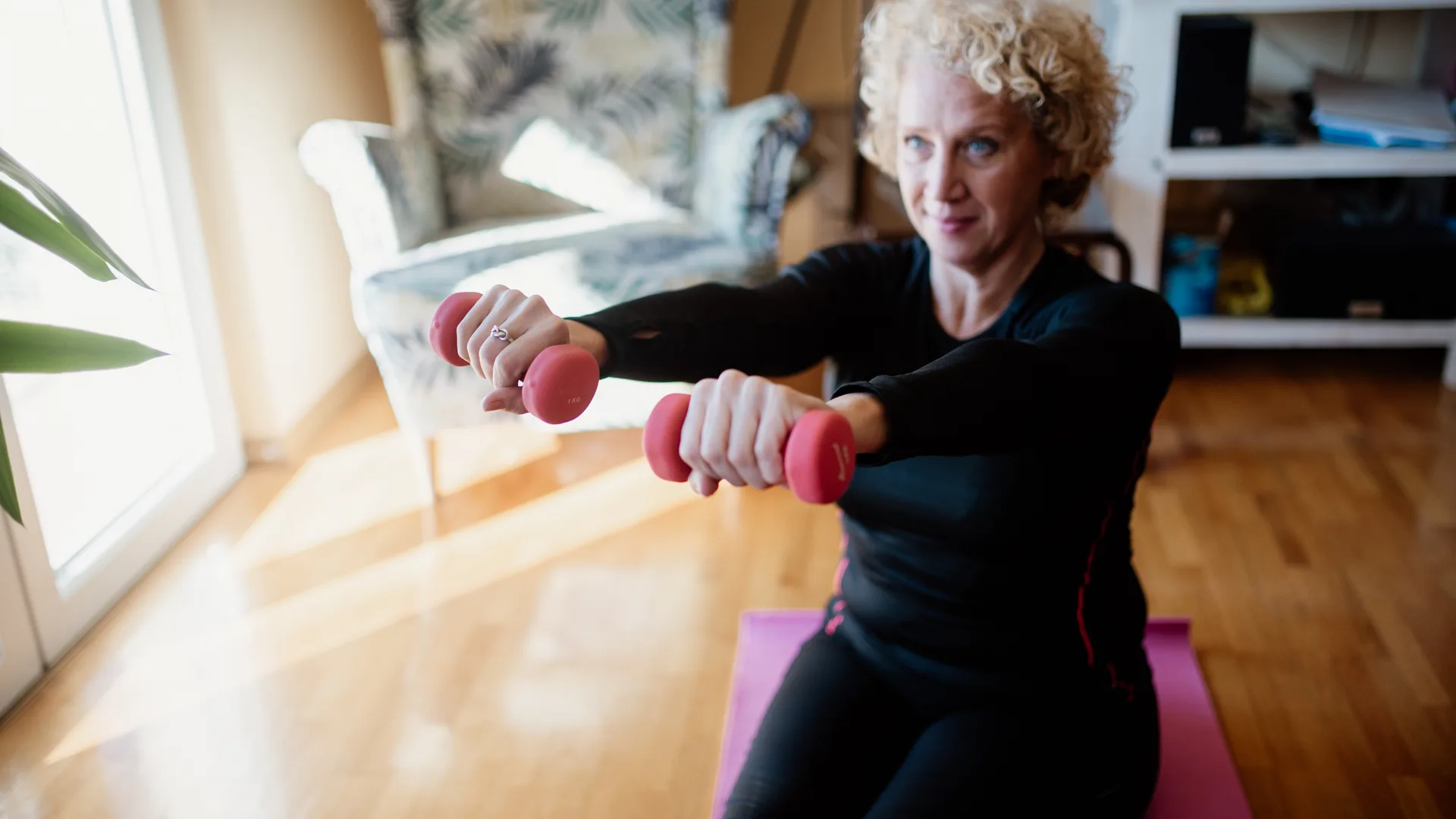
The task force concluded, with moderate certainty, that exercise programs give a moderate net benefit for older adults at increased risk of falling. The most common exercise schedule in the trials was 2 to 3 sessions per week for 12 months. That describes what the trials used. The review found it difficult to say which exercise components work best.
Free or low-cost help
Many state and local governments run education or home modification programs to help older people prevent falls, though availability varies by location. The Eldercare Locator, 800-677-1116, can help you find your local Area Agency on Aging.
If you've fallen, your doctor might suggest that an occupational therapist, physical therapist or nurse visit your home to assess its safety and advise on changes. If you don't have a caregiver, MedlinePlus says to ask your provider about having someone check your home. The sources don't say who pays for these visits, so ask when you call.
Call your provider if you've fallen or almost fallen, or if your eyesight has gotten worse. Ask your provider about medicines that can make you dizzy, and don't change any on your own.
Where to start
Tonight, when you brush your teeth, look down the route from your bed to the bathroom and notice which stretch is darkest. Put a motion-activated light on your hardware-store list right then, so the purchase is already decided, and switch on a lamp or hall light you already own along that path until it's in. Once the new light is in and you've stopped thinking about it, pick the stairs or the bathroom next and add one item from that section the same way.