
You finish a brisk walk and wonder whether weight-bearing exercise for bones after 50 has to include hopping and jumping. The sources here don't say whether jumping adds anything beyond brisk walking, or whether walking alone is enough. They do point to a mix of weight-bearing activity, strength work and balance work, built up toward the weekly amounts that public-health guidance sets for adults.
Three kinds of exercise, three jobs
The National Institute of Arthritis and Musculoskeletal and Skin Diseases (NIAMS) says a combination of exercise types is best for building and maintaining healthy bones and preventing falls and fractures. The three types do different work.
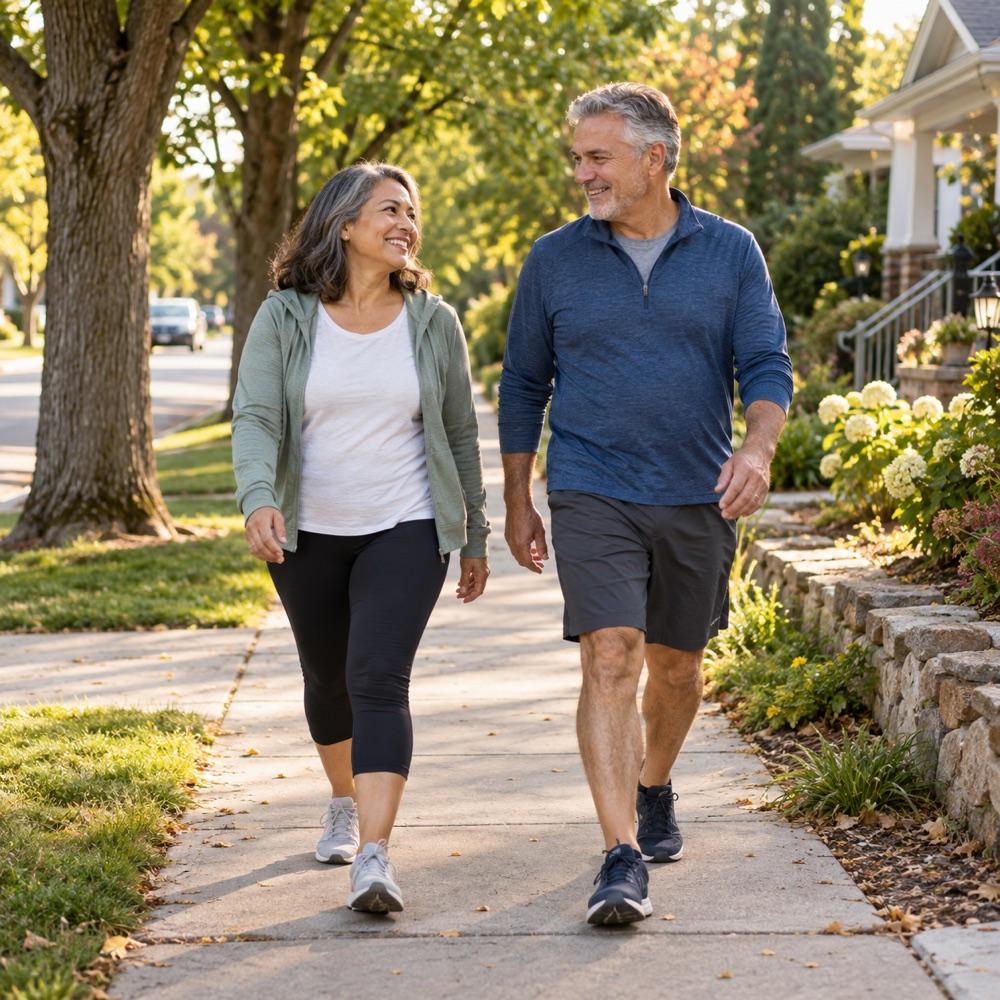
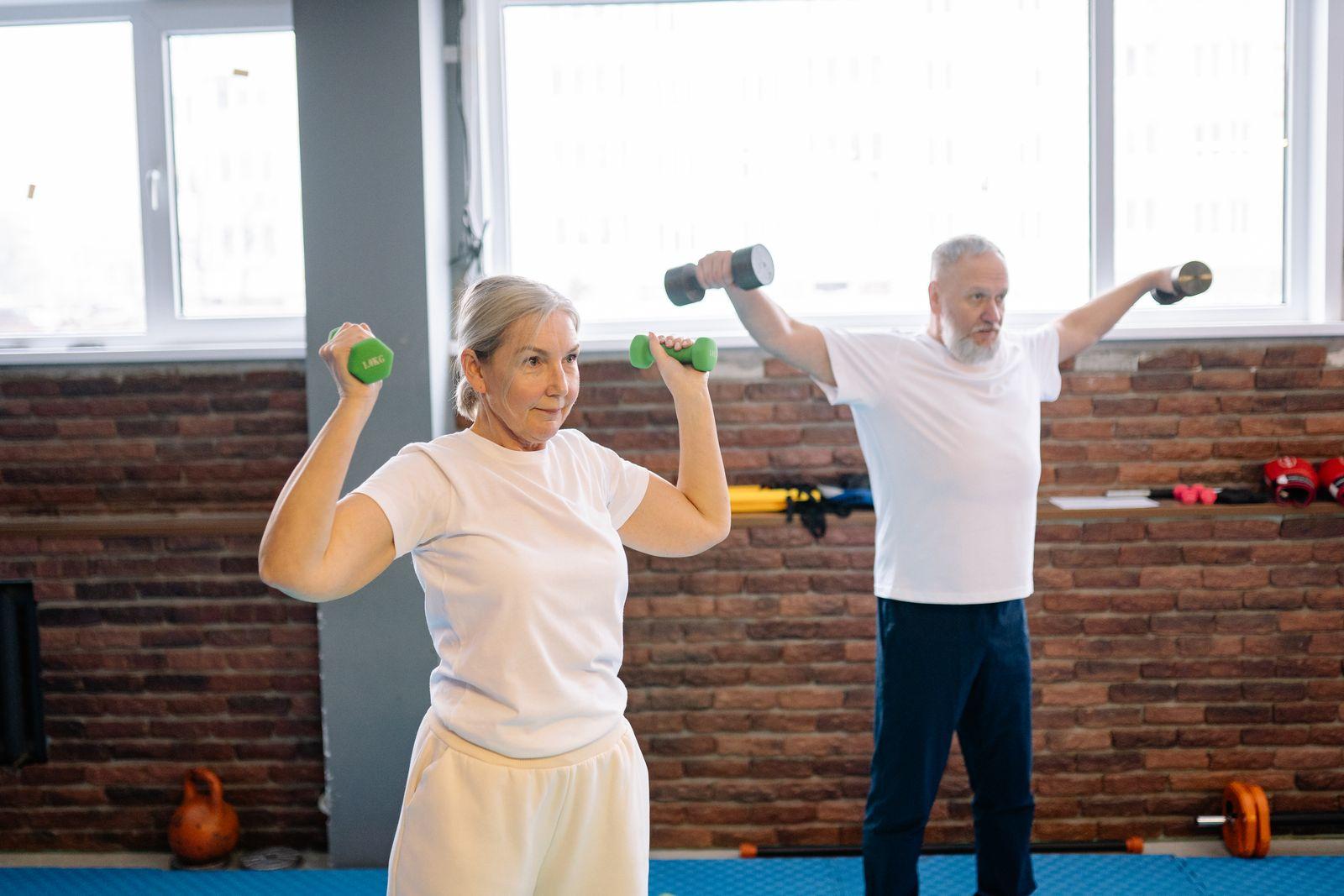
Weight-bearing exercise puts force on your bones, which makes them work harder. NIAMS gives brisk walking at 3 to 4 miles per hour as an example. Resistance training puts stress on bones too, so it can make them stronger. Balance training can improve balance and help prevent falls, and NIAMS calls it especially important for older adults. Muscle matters here as well: strong muscles help you balance and reduce the risk of falling and breaking bones.
What the pooled research shows
One review pooled 75 studies with 5,300 post-menopausal women, all in programs that lasted at least 6 months. It found that exercise had a statistically significant but rather low effect on bone density at the spine and hip. Results varied a lot: some studies were highly effective, and others had significant negative results. The authors suggest that a considerable number of studies used inadequate exercise programs, which diluted the average. They also say that some loading protocols have favorable effects on bone density while others have negative ones.
The review compared walking-type, resistance, jumping and combined programs. Its outcome was bone density, and fractures were not measured. Women past menopause were the only group studied, so the findings may not carry over to men or to younger women. Because those trials ran at least six months, give any routine months before judging it.
In our view, a weekly mix is the sensible aim, since the pooled results varied so much from one program design to another.
The weekly amounts

For all adults, the U.S. Department of Health and Human Services target, as relayed by NIAMS, is at least 150 minutes a week of moderate-intensity exercise or at least 75 minutes a week of vigorous-intensity exercise. For additional benefit, add muscle-strengthening activities of at least moderate intensity at least twice a week. For older adults, the weekly 150 minutes should include a mix of balance training, aerobic and muscle-strengthening exercise.
These are general health targets with no bone-specific dose, and they don't say how much of the total should be impact activity. If health keeps you from reaching 150 minutes, the guidance is to be as physically active as your health allows.
Before you add anything new
If you have low bone density (sometimes called osteopenia), osteoporosis, or other physical limitations, talk to a health care provider before starting an exercise program. NIAMS doesn't say which activities to avoid or change with a diagnosis, such as jumping or twisting, so ask about those by name.
Where to start
While the coffee brews, stand at the kitchen counter with one hand resting on it and balance on one foot for a few breaths, then switch feet. The counter gives you something to grab, and a sticky note on a cabinet door gives you a reminder you can see. Once that feels comfortable, add a brisk 10-minute walk after lunch on the days you can, and pick two days this week for a strengthening session you can do at home or at a gym. Ten minutes is a starting point, since the weekly target above is 150 minutes. If a week goes sideways, pick the routine back up at the next chance you get.