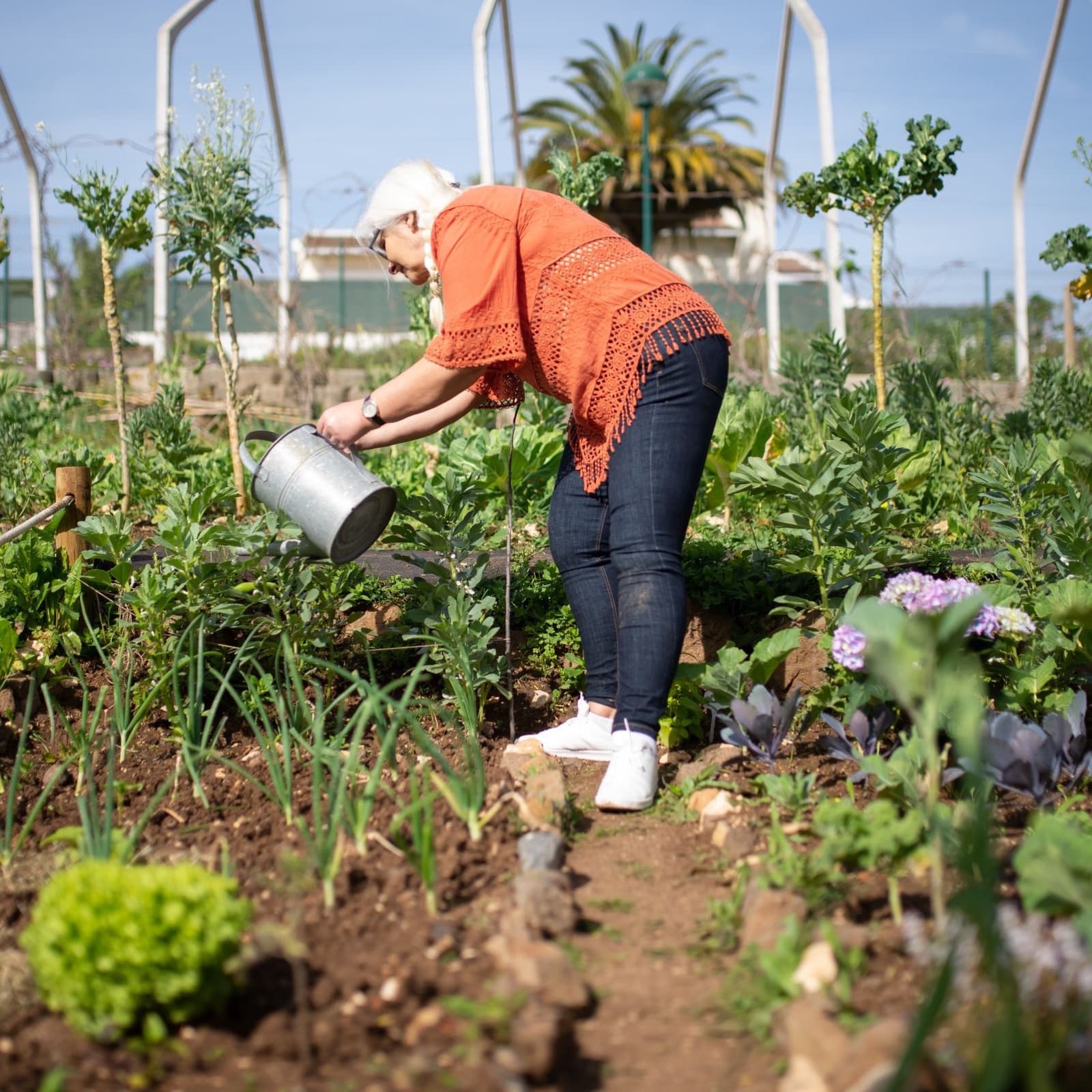

The bag of potting soil is in the trunk, the raised bed is across the yard, and your lower back is already making its opinion known.
Garden work can fit into your weekly activity. Studies that measured energy use classified most garden tasks as low-to-moderate effort, and the NHS lists heavy gardening, such as digging or shovelling, as one example of a muscle-strengthening activity for older adults. A few lifting and bending habits are worth building in, and the research on what gardening does for your body is still thin.
Gardening as exercise after 50: how hard is the work?
Gardening is the second most commonly reported leisure-time physical activity among older adults, with walking the most common. The effort numbers come from a review of eight small studies, with sample sizes from 6 to 45 participants, mostly women. Some tasks were measured for only about 10 minutes. Within that evidence, tasks that moved the whole body tended to be more vigorous than tasks using only the arms or only the legs.
The CDC's goal for adults 65 and older is at least 150 minutes a week of moderate activity, which could be 30 minutes a day, 5 days a week. No source here says which garden tasks count as moderate, so you have to judge your own effort. The NHS offers a talk test: at a moderate level you can still talk but can't sing the words to a song. It hasn't been tested on gardening tasks. In our view it still suits the job, since it reads your effort on the day, whether you're hauling mulch or deadheading roses.
On weeks when you can't reach those numbers, the CDC says to be as active as your abilities and conditions allow, and that some activity is better than none.
Lifting and bending in the garden
MedlinePlus's back-injury advice is general, but it maps onto garden chores easily:

- Know how much you can safely lift by thinking about what you've lifted before and how easy or hard it was. If something seems too heavy or awkward, get help.
- Warm up or stretch before lifting heavy weights.
- Hold the object as close to your body as you can.
- Don't twist your back while you bend to reach, lift or carry.
Those pages give no weights for soil bags, pots or wheelbarrows, and nothing on digging technique, shovels or kneeling, so your own history with a load is the guide. The NHS adds a short rule for bone health in people over 65: exercise outdoors if you can and build up slowly. It gives no schedule.
When your back or bones need extra care
The NHS tells people at high risk of fracture, or with spinal fractures from osteoporosis, to avoid movements that involve awkward bending and lifting. It says a GP can advise on your individual limits, so ask which garden jobs fit.
If back pain starts, MedlinePlus says to skip heavy lifting and twisting for the first 6 weeks after it begins and, if there's no sign of a serious cause, to stay as active as possible. The same page also says to stop normal activity for a few days. Those instructions pull in different directions, and a clinician may give different advice, so follow what yours tells you. MedlinePlus names loss of bowel or bladder control, weakness, weight loss or fever with back pain as signs of a possible serious cause, and its stay-active advice applies only when none of them is present. The page doesn't say what to do if you have them.
None of these pages covers knee pain or says when sore knees should prompt a clinic visit.
What the research shows
Whether gardening improves physical function is unsettled. A review covering studies up to 2013 found too little evidence on physical functioning, based on four studies. The review does not show that gardening has no benefit.
An analysis of 23 gardening programs in adults with chronic conditions, average age about 54, found small effects on physical health and general health, and the physical-health result is uncertain. Its authors note that existing results lack the recommended dose and type of gardening activity.
A third review studied structured horticultural therapy led by trained therapists in adults over 60. It said the therapy may improve physical function and quality of life, and suggested 60 to 120 minutes a week over 1.5 to 12 months. The authors say the best amount is unclear, and because the range comes from therapy sessions, it may not apply to ordinary yard work at home.
Where to start
After your morning coffee, spend ten minutes on a garden job you already do comfortably, and stop when the ten minutes are up even if you feel fine. Set out your gloves and tools the night before so there's nothing to hunt for, and fill buckets and watering cans only partway so you can keep them close to your body. If a day gets away from you, pick the same job up the next time you can. Once ten minutes feels easy, add a few minutes or a second day, and use the talk test to check your effort. If your health allows, you can work toward the CDC's 150 minutes over time.