How to stay active in retirement comes down to three kinds of movement: moderate aerobic activity adding up to 150 minutes a week, muscle strengthening on at least 2 days, and some balance work. The CDC lays out the aerobic and strength amounts for older adults, and the NHS adds that you should sit less.
Retirement hands back hours a job used to claim. Some of them can go toward staying strong and steady on your feet for the things you want to keep doing, whether that's gardening, traveling or keeping up with friends.
How to stay active in retirement: the aerobic part
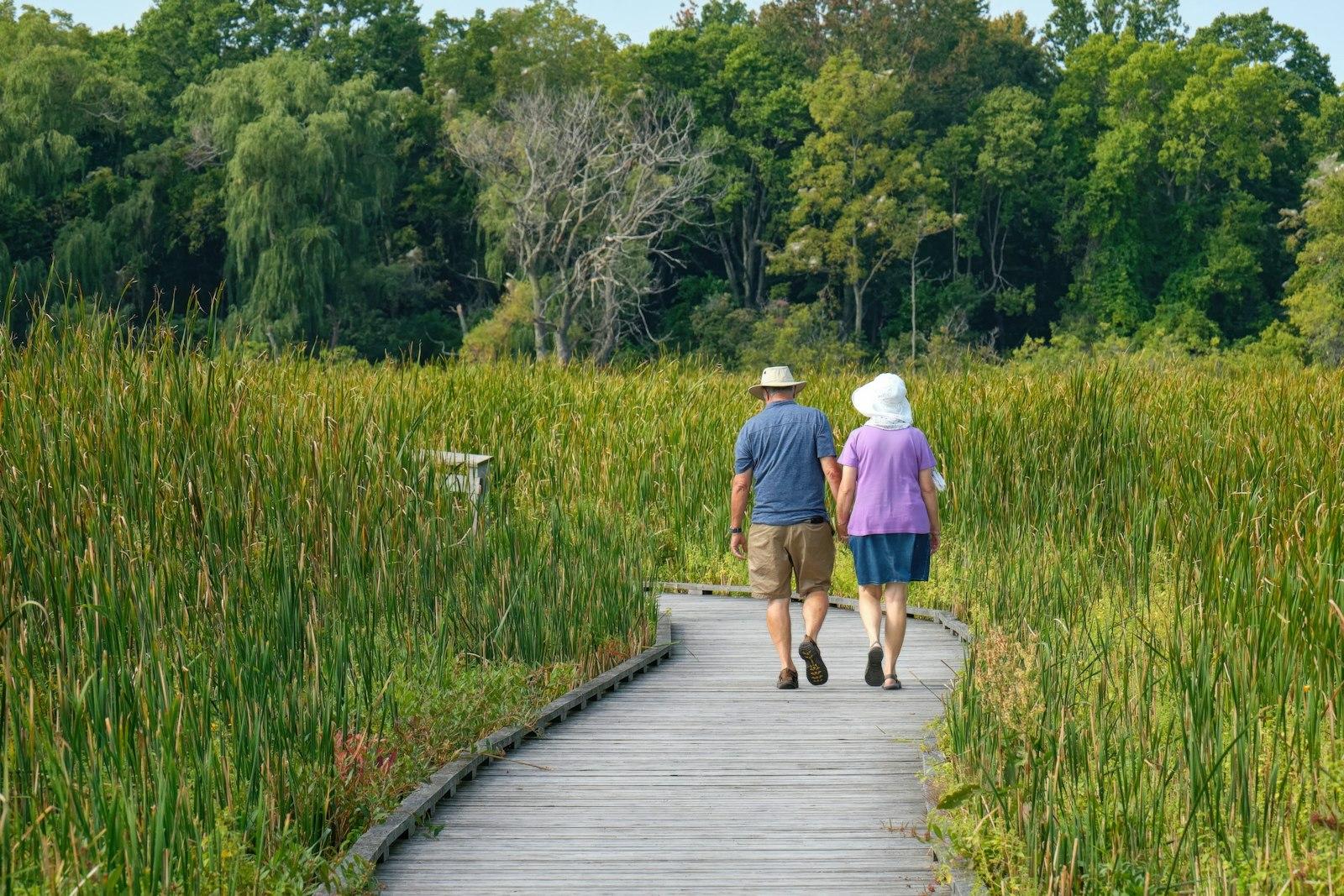
The CDC says older adults need 150 minutes of moderate-intensity aerobic activity each week, equal in effort to brisk walking. That could be 30 minutes a day, 5 days a week. The World Health Organization's range for all adults is 150 to 300 minutes of moderate activity a week. Our view: 150 is a sensible place to start, with room to build.
If you'd rather work harder for less time, there's a trade. About 1 minute of vigorous activity equals 2 minutes of moderate activity. The sources don't say who should try vigorous exercise, so ask a clinician if you have health conditions.
If you haven't exercised for some time or have medical conditions or concerns, the NHS says to speak to a doctor first and make sure the activity and its intensity suit your fitness. The CDC likewise says people with chronic conditions may want to talk to a health care professional about the type and amount of activity that suits them.
Judging effort
The CDC uses a 10-point scale where sitting is 0 and working as hard as you can is 10. Moderate aerobic activity is a 5 or 6 on that scale. The rating is personal, and the same walk can feel easy to one person and hard to another. Adjust your pace until brisk walking lands around a 5 or 6 for you.
Strength: at least 2 days a week
Older adults need muscle-strengthening activity at least 2 days a week. The CDC suggests 8 to 12 repetitions of an activity, which counts as one set, and at least one set. Keep going until it's hard to do another repetition without help. The NHS offers a plainer cue: work to the point where you need a short rest before repeating the movement.
Strength work isn't always aerobic, so the NHS says to do it in addition to your 150 aerobic minutes. Do it on the same days as your walks or on different days, whichever suits your week. The sources don't name exercises or starting weights, so a clinician can help if you're unsure what fits your body.
Balance
Balance activities help prevent falling, which lowers the risk of injuries such as broken bones. The CDC's examples include standing on one leg, walking backward and using a wobble board. The guidance gives no set minutes or days, so work some into most weeks. Practice near something sturdy you can grab.
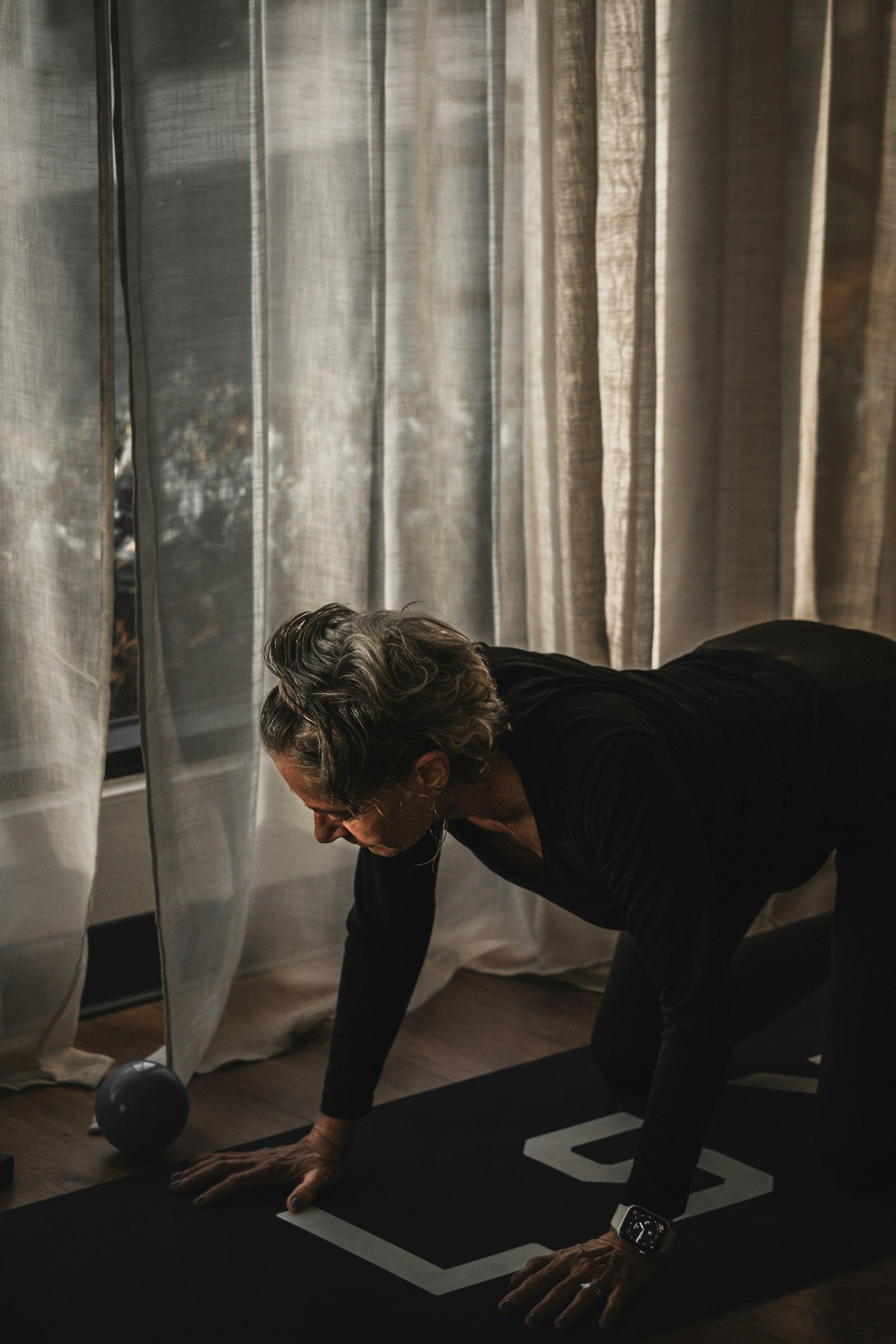
If you've fallen or worry about falling, the NHS says exercises for strength, balance and flexibility can help you feel more confident on your feet.
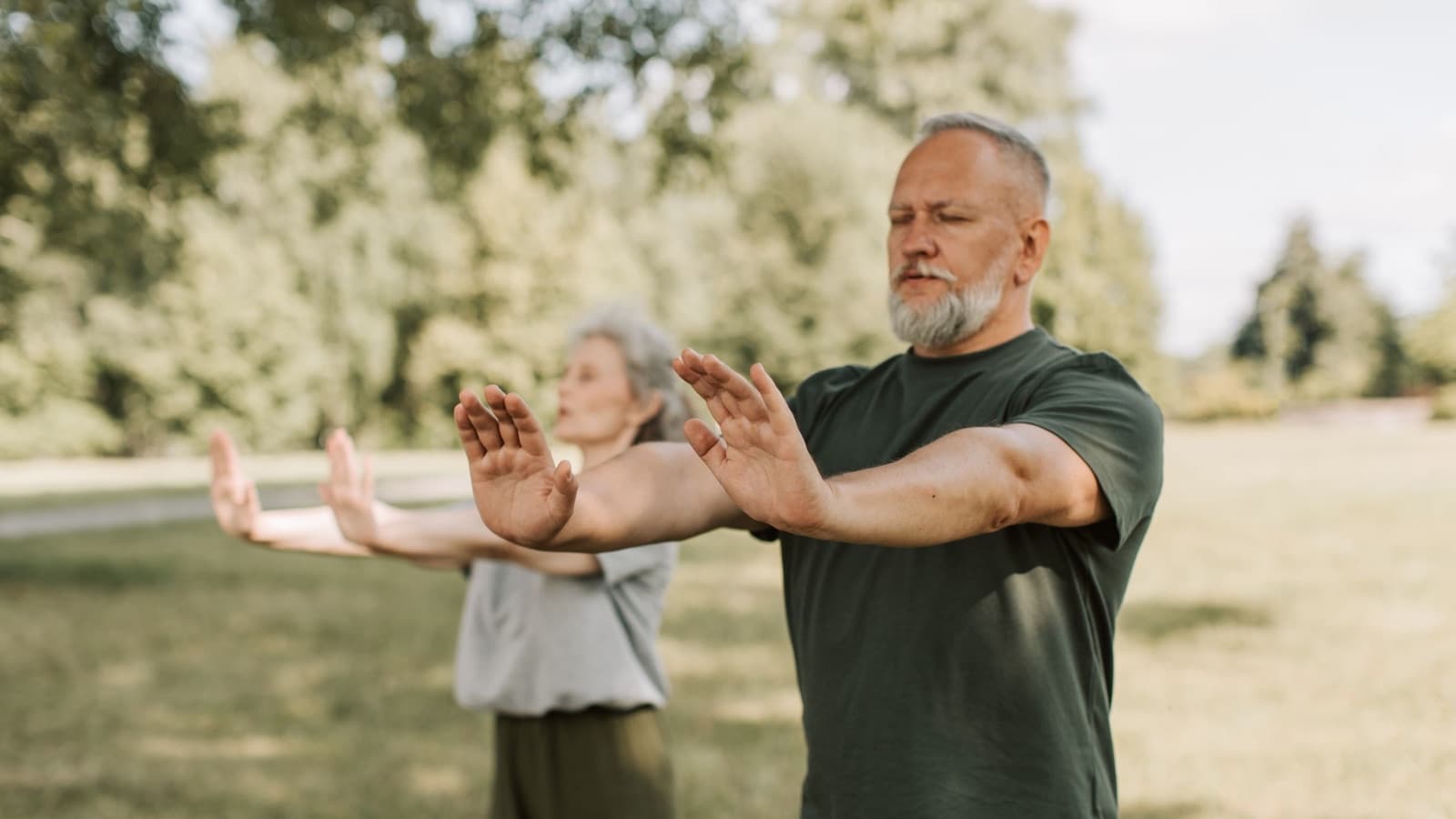
Yoga, tai chi, gardening and many sports combine more than one type of activity. The CDC doesn't say how much of each type they supply, so they're a good addition but a poor replacement for the rest of the week.
Everyday movement and less sitting
The NHS recommends being physically active every day, even if it's just light activity. It also recommends reducing time spent sitting or lying down and breaking up long stretches of not moving with some activity. The WHO makes the same recommendation across all ages and abilities, though the evidence wasn't strong enough to set a daily limit, so there's no magic number of sitting hours. Standing up during a phone call or between TV episodes is an easy place to begin.
Where to start
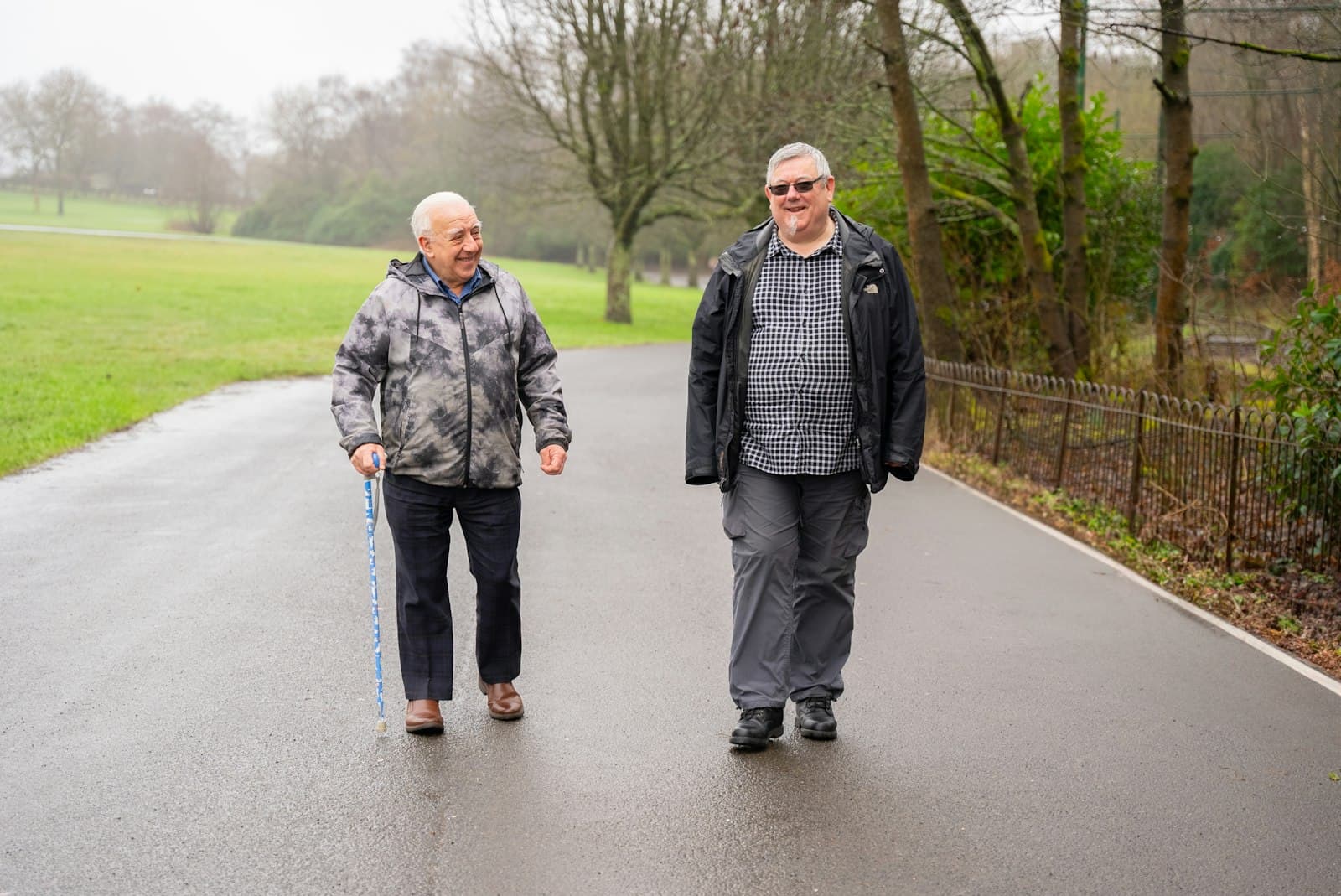
After lunch, walk for 10 minutes at a pace that feels like a 5 or 6. That's an entry step; the weekly target is still 150 minutes. Leave your walking shoes by the door and pick your route the night before so there's nothing to decide. Once it feels routine, add a few minutes at a time and schedule your first strength day. Walking with a friend works too, and there's more on that in staying connected after 50.