
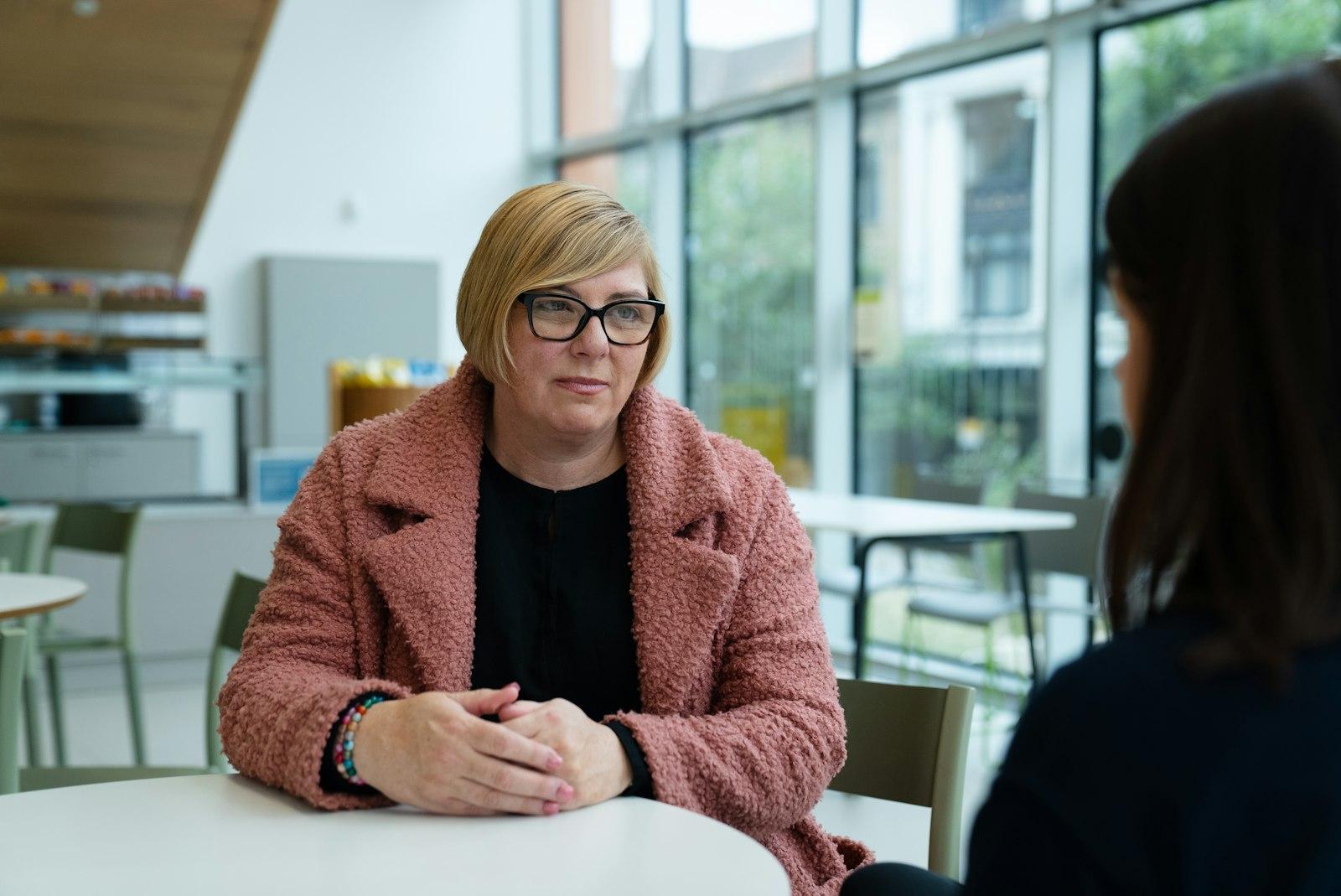
You spend ten minutes walking a younger coworker through a problem you've solved a hundred times, and afterward you feel more awake than you have all week. That's a fair reason to wonder about mentoring after 50. Sharing decades of experience is a sensible way to be useful, and there's a reasonable case that it could be good for you too. That case rests on research about related activities. None of the sources here studied mentoring itself.
What the research links to a better mood
A National Institute on Aging summary says people who engage in meaningful, productive activities with others tend to live longer, boost their mood, and have a sense of purpose. The summary draws on studies it doesn't name.
Research the institute supports, including work by Dr. Cole, links a sense of mission and purpose in life to healthier immune cells. The same page says helping others through caregiving or volunteering helps people feel less lonely. Mentoring isn't named, though it shares the idea of giving your time to someone else.
A survey of 4,525 older adults found that purpose in life, resilience, optimism and a varied social network went along with lower loneliness. In that same survey, 43% of participants reported moderate or severe loneliness. Findings like these show what goes together. They can't show which one comes first.
Why the years after work carry extra risk
Researchers separate two things. Social isolation is physical separation from other people, such as living alone. Loneliness is the distressed feeling of being alone or cut off.

Retirement is one of the moments the National Institute on Aging says put people at particular risk, along with the death of a spouse or partner, separation from friends or family, loss of mobility and lack of transportation. A summary of a National Academies report adds that older adults are more likely to live alone, lose family or friends, and face chronic illness or sensory problems. The same summary says strong evidence suggests that social isolation and loneliness in older adults are associated with a higher likelihood of early death, dementia and heart disease.
In our view, a job gives you a standing reason to be around people, and mentoring is one way to build a new one when the job ends. Dr. Cole says that working for a cause with others who share your values and are trusted partners puts you in contact with people and builds a sense of community. That points toward a setting where you trust the people involved and share their goals.
Open questions
A researcher quoted by the institute says it still needs to be worked out how changeable loneliness and isolation are, and which approaches work best. She also says it's unknown how large a change in loneliness is needed to affect health. A symposium summary of the National Academies report calls for a stronger evidence base on what prevents or reduces isolation and loneliness.
No source gives hours per week or a length of time that goes with benefit, and none says what the person you mentor would get out of it. If loneliness or low mood is weighing on you, a clinician is the right person to ask.
Where to start
After you read the morning news, write three sentences about one problem from your working life that you solved and what you'd tell someone facing it today. Keep a note open on your phone so there's nothing to set up, and if a morning gets crowded, pick it up the next day. Once that feels routine, offer to talk one problem through with a younger person you already know, in a conversation either of you can end whenever you like.


