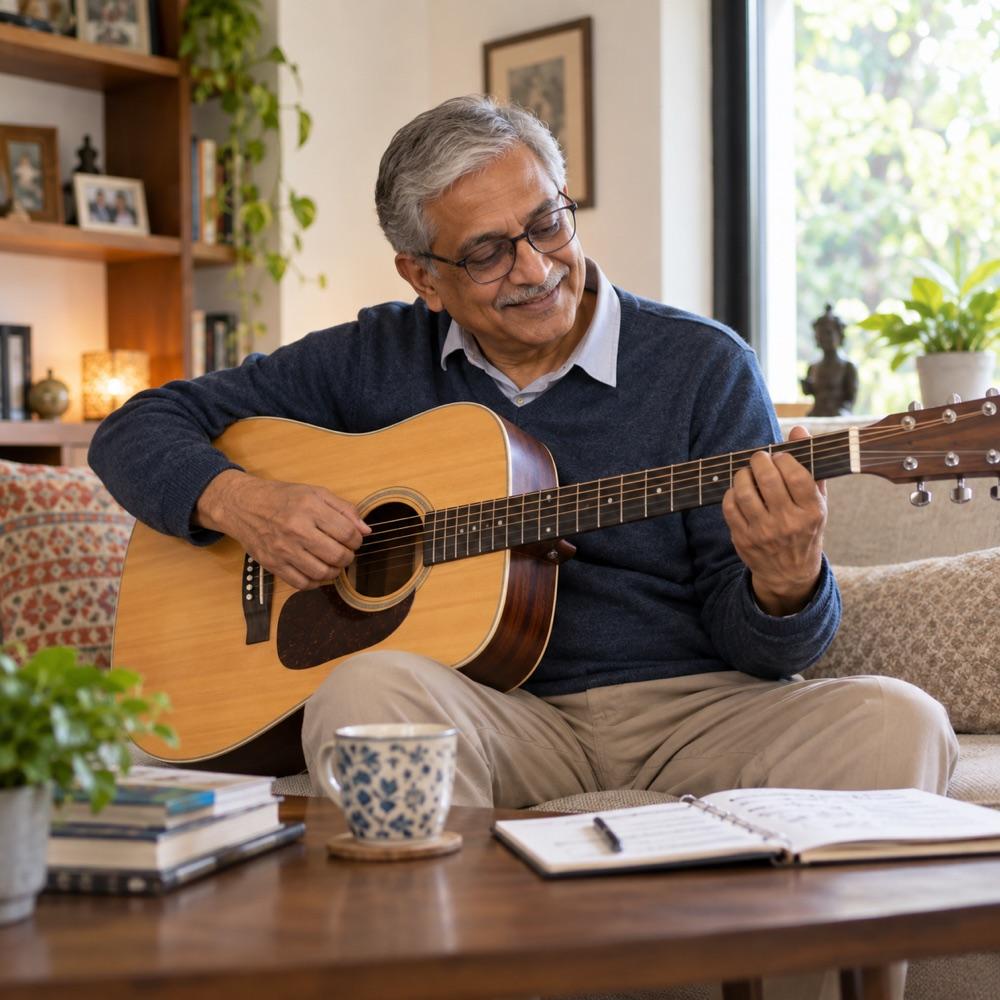
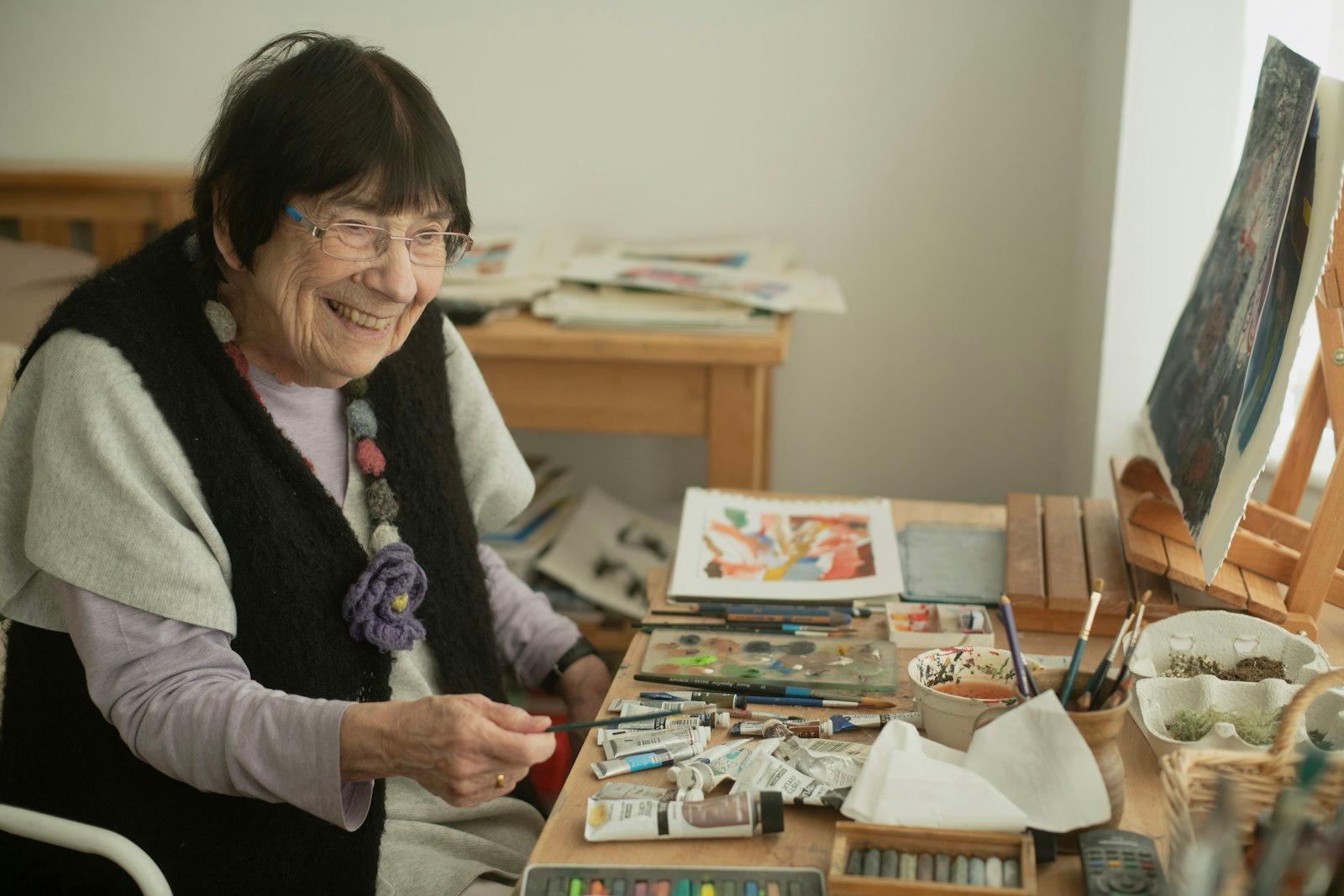
The pottery class flyer has been on the library bulletin board for weeks, and each time you walk past it you wonder whether learning a new skill after 50 is worth the effort. It is a reasonable thing to try. What it will do for your memory is less settled, so pick something you'd look forward to going to.
What a new skill may do for you
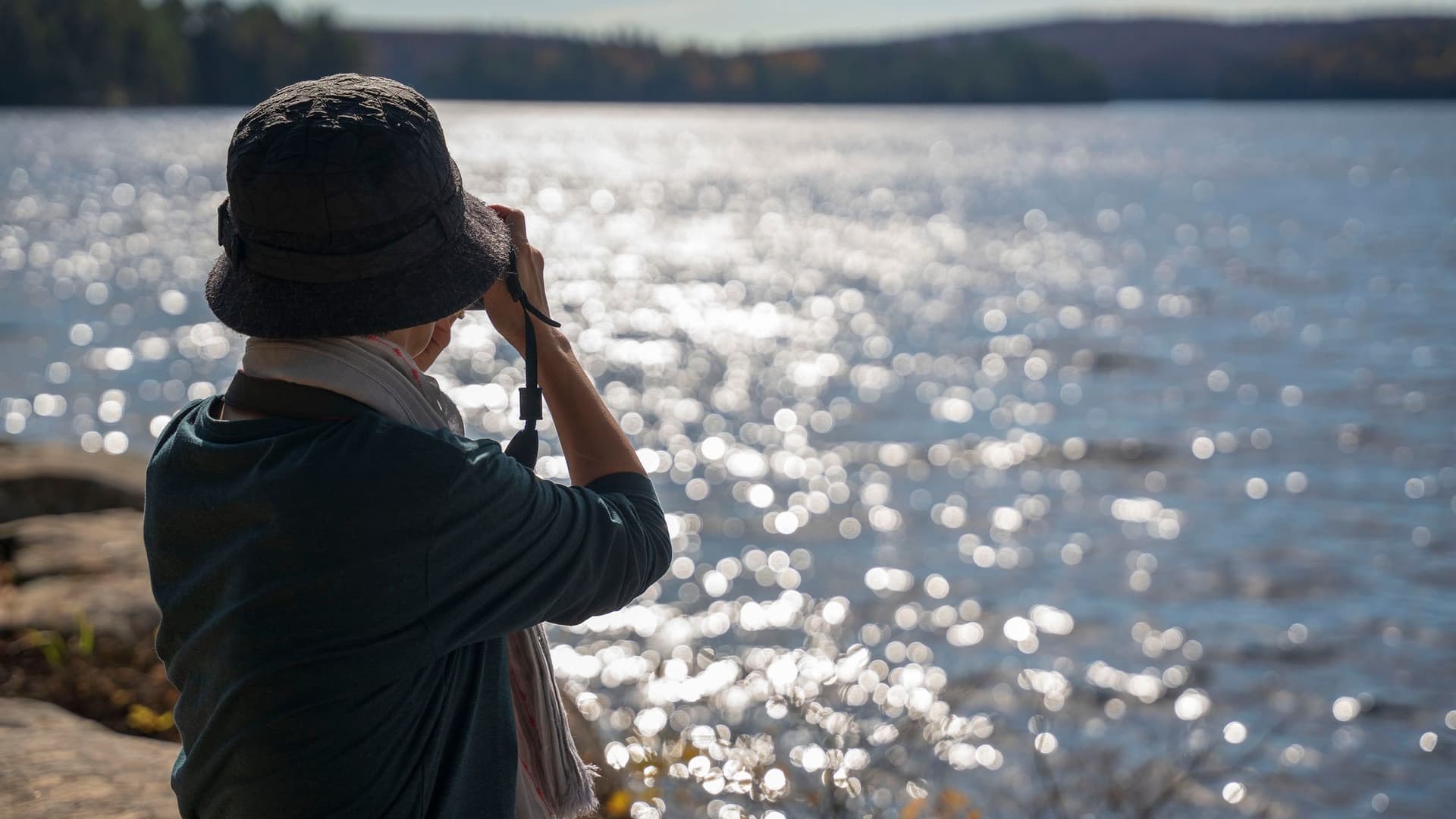
The National Institute on Aging (NIA) says research suggests that activities that are mentally stimulating or involve physical activity may have a positive effect on memory, and the more variety the better. One study it describes found that older adults who learned quilting or digital photography had more memory improvement than those who only socialized or did less demanding activities. The description gives no sample size or length, so it can't tell you whether the gain lasts or whether those two hobbies are special.
NIA also says the evidence for a lasting beneficial effect on thinking from activities like these is “not definitive.” In our view, that is a reason to choose a hobby for what it adds to your weeks and to treat any memory benefit as a possible extra.
Computer games are a separate matter. NIA warns that there is currently not enough evidence that commercial brain-training apps have the same impact on thinking as the training used in its ACTIVE study.
If you spend a lot of time alone, NIA suggests activities that feel meaningful, the ones that create a sense of purpose in daily life.
Choosing something you'll keep doing
A survey of more than 272,000 older adults, who reported their own activity and were followed for 12 years, found that those who did recreational activities such as walking, golf and swimming but fell short of the federal guidelines had a 5% lower risk of death than inactive people. Those who got at least the recommended amount of aerobic activity had a 13% lower risk of death. A survey like this shows an association, and healthier people may also be the ones who exercise.
NIA quotes a researcher, Watts, on the survey: “So, the most important thing an inactive older adult can do to improve their health is find an activity that they enjoy and can stick with.”
That survey was about physical activities in older adults, and it doesn't address learning a language or an instrument. The enjoyment advice is the researcher's own inference and was not tested. A workable rule for any hobby is to pick the one you'd want to go back to next week.
If you want company, NIA suggests volunteering for a local organization or joining a group focused on an activity you enjoy, such as walking. Choose a meeting rhythm that fits your calendar.
For classes, get in touch with your local community college or library. Many offer free or discounted courses for older adults, though availability and cost depend on where you live.
If your hobby gets you moving

Federal guidelines recommend at least 150 minutes of physical activity a week for all adults, and walking is a good start. In that survey, the risk of death kept dropping with activity beyond the recommended levels, but the returns shrank at high and very high levels. NIA advises checking with your health care provider if you're not currently active and want to start a vigorous exercise program.
Keeping it going
Habits form through repeating a behavior in a specific context, so a regular time and place for your class or practice session is a reasonable thing to try. Habit research is mostly correlational and self-reported, and applying habit to health has proven controversial, so adjust the routine to what actually works in your week. If you miss a session, pick it back up at the next one. If you're sick or in pain, wait until you're ready.
Where to start
After your morning coffee, take five minutes to browse your library's or community college's class list and write down two options you'd look forward to trying. Tape the list somewhere you'll see it, such as the refrigerator, so the next step is easy to find. Once that feels routine, sign up for one class or group meeting, and consider asking a friend to come along.