

1. The brain you have today is not the brain you're stuck with
You walk into the kitchen and stop. What did you come in here for? You look at the refrigerator. Nothing. The countertop. Still nothing. You return to the living room, and suddenly the answer appears: your reading glasses.
This familiar little comedy has an interesting explanation. Sometimes your brain hasn't lost the information at all. The change in surroundings has interrupted the mental thread that was keeping your intention active. Researchers call one version of this the doorway effect. Moving between spaces can create a boundary between mental events, making a recent intention harder to retrieve.
It's a reminder that memory is not a perfect recording device. It's a living, selective, occasionally temperamental system. And that system can continue to learn throughout your life.
A healthy brain at 60, 70, or 80 isn't necessarily a brain that works exactly as it did at 25. Some mental abilities change with age. Others remain remarkably resilient. Experience, vocabulary, judgment, and accumulated knowledge can become valuable advantages.
More encouraging still, the things you do with your body, the people you spend time with, the food you eat, the quality of your sleep, and the challenges you take on can all influence how well your brain functions.
This guide explores what we know about keeping the brain healthy after 50, what remains uncertain, and what you can actually do with that knowledge.
You won't need to buy a collection of expensive supplements, spend hours playing brain games, or reorganize your life around a complicated longevity routine. You will need to give your brain reasons to stay engaged. And perhaps be a little kinder to yourself the next time you forget why you walked into the kitchen.
2. What really happens to your brain after 50?
Aging changes the brain, but not everything changes at the same rate, in the same direction, or for the same reasons. Some changes are structural. Certain regions gradually lose volume. Connections between nerve cells can become less efficient. Blood vessels may become less flexible, and the brain's ability to process information quickly may slow.
But these changes do not mean that intelligence simply drains away with each birthday.
Consider two broad kinds of mental ability. Fluid intelligence involves solving unfamiliar problems, quickly processing new information, and juggling several pieces of information at once. Some of these abilities tend to peak earlier in adulthood and gradually decline. Crystallized intelligence draws on knowledge, language, experience, and learned patterns. These abilities often remain strong much later in life.
This distinction helps explain something you've probably observed: a younger colleague may be quicker at learning a new software interface, while an experienced colleague may be better at recognizing which problems actually matter. Speed is useful. So is knowing where you're going.
Your brain is constantly remodeling itself
The brain's ability to adapt is called neuroplasticity. Every time you learn a new skill, practice a movement, recall information, or develop a habit, networks of nerve cells participate in the process. With repetition and meaningful practice, the efficiency and organization of those networks can change.
Neuroplasticity does not disappear after 50. Adults in later life can learn languages, musical instruments, technical skills, sports, and entirely new ways of thinking. Learning may require more deliberate practice, and the pace can differ from person to person, but the underlying capacity remains.
There is an important distinction between the brain's ability to change and claims that a particular activity can reverse brain aging. A new hobby can improve the skills involved in that hobby. Whether it produces broad improvements in everyday cognition depends on the activity and the evidence. Still, the practical implications are substantial. Your brain is not a finished product.
The idea of cognitive reserve
Two people can have similar age-related changes in their brains and experience different levels of cognitive difficulty. One explanation researchers investigate is cognitive reserve: the brain's capacity to cope with damage or change by drawing on efficient, flexible, or alternative ways of processing information.
Education, mentally stimulating work, literacy, social engagement, and other lifelong experiences are associated with aspects of cognitive reserve. That doesn't mean people with more formal education are immune to dementia, or that someone who didn't attend college is destined for cognitive problems. Learning happens in countless places.
A mechanic diagnosing an unfamiliar engine problem, a gardener planning a complicated planting season, a grandparent learning to use video-editing software, and a musician mastering a new composition are all engaging demanding mental processes. The brain doesn't award extra points because an activity looks academic.

Normal aging is not the same as dementia
Some occasional memory changes are common with age. You might need more time to remember a name, find it harder to concentrate when several people are talking, or occasionally misplace an everyday object. These experiences can be frustrating without necessarily indicating disease.
Dementia is different. It involves a decline in thinking or memory significant enough to interfere with independence and everyday functioning. Alzheimer's disease is the most common cause of dementia, but it is not the only cause. Other conditions, including vascular disease, Lewy body disease, and frontotemporal disorders, can affect cognition in different ways.
It's also possible to experience cognitive difficulties for reasons that are treatable. Poor sleep, depression, medication effects, thyroid disorders, vitamin B12 deficiency, hearing difficulties, and other medical conditions can contribute to problems with concentration or memory. A person who feels mentally foggy doesn't automatically have a neurodegenerative disease. But persistent or worsening changes deserve attention. We'll return to the signs worth discussing with a healthcare professional later in this guide.
3. Your brain depends on the rest of your body
The brain represents only a small proportion of total body weight, yet it uses a substantial share of the body's energy at rest. Its cells need a continuous supply of oxygen and nutrients. They rely on healthy blood vessels, effective metabolism, functioning sensory systems, and the ability to regulate inflammation. This makes brain health a surprisingly whole-body subject.
The same habits that support your heart, muscles, and metabolic health often support your brain. Blood pressure matters. So does blood sugar. Physical activity matters. Sleep matters. Smoking matters. Even the ability to hear a conversation clearly can influence how much mental effort you need to participate in it.
It would be convenient if there were one special food, one exercise, or one supplement that could take care of everything. There isn't. Fortunately, the most useful approaches overlap. A walk can benefit cardiovascular health, improve mood, create an opportunity for conversation, and help establish a healthier sleep routine. One ordinary activity can accomplish several worthwhile things.
Blood vessels are part of your thinking equipment
Your brain depends on an enormous network of blood vessels. When vascular health deteriorates, the consequences can extend beyond heart attacks and strokes. High blood pressure, diabetes, smoking, and other cardiovascular risk factors are associated with cognitive decline and dementia risk. Some vascular damage is obvious, as with a major stroke. Other changes can accumulate more quietly in the brain's small blood vessels.
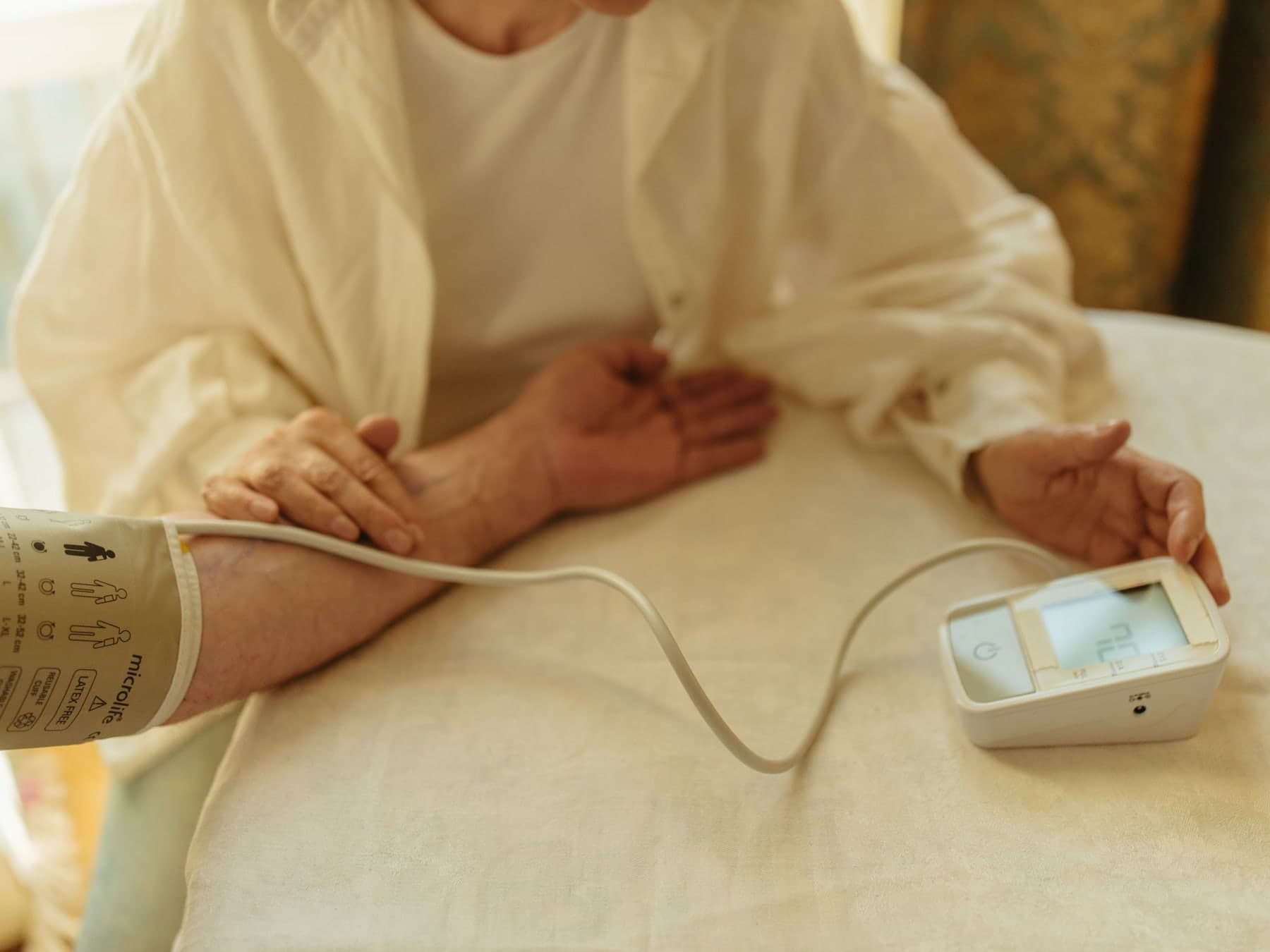
This is one reason blood pressure management deserves attention even when you feel perfectly well. High blood pressure often produces no noticeable symptoms. The National Institutes of Health's SPRINT MIND research found that intensive blood pressure treatment in selected adults with hypertension reduced the risk of mild cognitive impairment, although it did not establish a statistically significant reduction in probable dementia in the main trial.
The findings don't mean everyone should aim for the lowest possible blood pressure. Appropriate targets depend on health status, medications, symptoms, and clinical judgment. They do reinforce the connection between vascular health and brain function.
4. Exercise may be the closest thing we have to a brain-health multitool
Imagine being offered an activity that could improve your cardiovascular fitness, help regulate blood sugar, strengthen your muscles, support sleep, lift your mood, and potentially benefit aspects of thinking and memory. Now imagine discovering that the activity is walking. A little disappointing, perhaps, if you were hoping for something involving advanced technology and a monthly subscription. But walking is a remarkably practical place to begin.
Physical activity influences the brain through several pathways. Exercise improves cardiovascular function and can support the health of blood vessels. It affects metabolic regulation, sleep, and mood. It also influences biological signaling involved in brain adaptation. One much-discussed molecule is brain-derived neurotrophic factor, or BDNF, which plays a role in neuronal survival and plasticity. Exercise can affect BDNF, although the relationship between changes in circulating BDNF and meaningful long-term cognitive improvements is complex.
The broader evidence supports physical activity as an important part of healthy aging, even if no particular exercise routine can guarantee protection against dementia.
Walking: simple, accessible, and surprisingly powerful
One influential randomized trial, published in Proceedings of the National Academy of Sciences in 2011, studied older adults assigned to aerobic walking or a stretching and toning program. After one year, the walking group showed an increase in anterior hippocampal volume, while the comparison group showed a decrease. The hippocampus is involved in learning and memory.
The study was relatively small, and brain-volume changes should not be interpreted as proof that walking prevents Alzheimer's disease. Nevertheless, it provided an intriguing demonstration that the aging brain can respond to physical training. The practical lesson is straightforward: regular aerobic activity is worth doing.
For most adults, the general public-health target is at least 150 minutes of moderate-intensity aerobic activity each week, with additional benefits possible at higher levels. That could mean 30 minutes on five days. Or shorter sessions spread throughout the week. You don't have to reach the full target immediately.
If you're currently inactive, begin with a comfortable 10-minute walk. Repeat it several times during the week. Add a few minutes as your stamina improves. Moderate intensity usually means you're breathing faster but can still talk. If you can sing an entire song without effort, you may be moving gently. If you can barely get a sentence out, you're probably working harder than moderate intensity. Neither is automatically wrong, but the distinction helps you judge your effort.
Strength training is brain training too
Muscle is not simply decorative tissue. It helps regulate blood glucose, supports physical independence, and makes everyday activities easier. Resistance exercise may also benefit certain cognitive functions, although results vary across studies.
For adults over 50, strength training has an additional practical advantage: it can help preserve the ability to do the things that make an active, socially engaged life possible. Carrying groceries, climbing stairs, gardening, traveling, and getting up from the floor are easier when your muscles are capable.
A useful starting routine includes:
- Chair squats or sit-to-stands.
- Wall or countertop push-ups.
- Resistance-band rows.
- Step-ups on a stable, low step.
- Calf raises while holding a sturdy support.
Begin with one or two sets of approximately 8–12 controlled repetitions, adjusting the number and difficulty to your ability. Train on two nonconsecutive days each week to start. The final repetitions should feel challenging without requiring you to sacrifice good technique.
Already experienced with resistance training? Progressive increases in resistance, appropriately selected for your abilities and recovery, can continue to provide a meaningful stimulus.
Balance and coordination make the brain participate
Balance is not a single muscle or a simple reflex. It's a conversation among your eyes, inner ears, sensory nerves, muscles, spinal cord, and brain. When you stand on one foot, step around an obstacle, or move across uneven ground, your nervous system continuously integrates information and adjusts your movement.
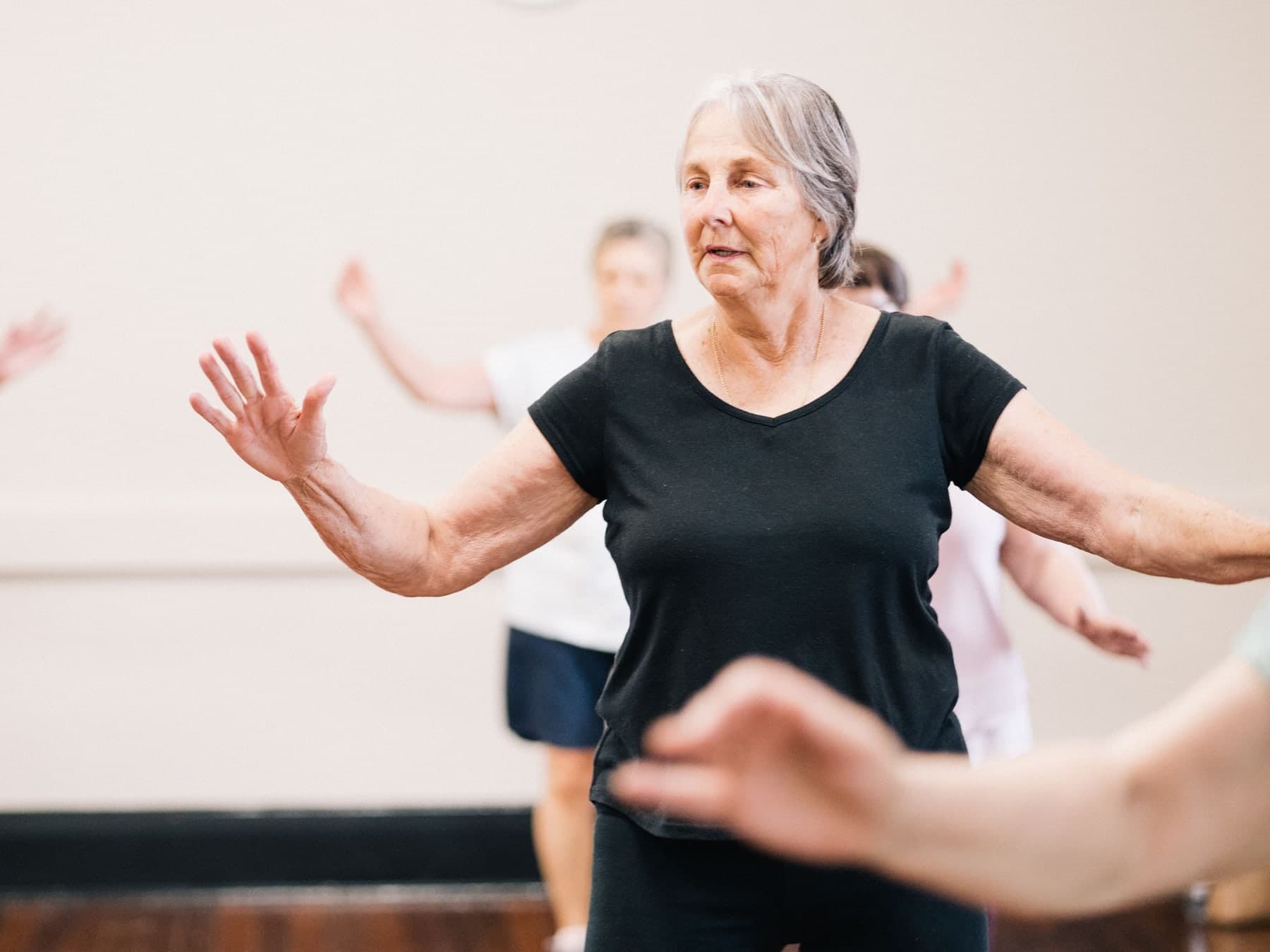
Activities such as dancing, tai chi, and certain sports combine physical movement with attention, coordination, and learning. Dancing is particularly interesting because it can require remembering sequences, responding to music, adapting to a partner, and navigating space. It also tends to be more enjoyable than staring at a timer while waiting for exercise to end.
Does exercise prevent dementia?
It's important to separate three claims. First, physical activity supports cardiovascular and general health. The evidence is strong. Second, exercise can improve some aspects of cognition and mental well-being, although the size and consistency of effects depend on the study and population. Third, whether a specific exercise program prevents dementia is a more difficult question.
Observational studies often find that physically active people have lower dementia risk, but those associations don't prove that exercise alone caused the difference. The 2024 Lancet Commission on dementia prevention identified physical inactivity among potentially modifiable risk factors. That makes physical activity a sensible part of risk reduction, not a guarantee.
If you're wondering which exercise is best for your brain, the most useful answer is probably the one you can practice consistently, enjoy enough to continue, and gradually make more challenging. For some people that's brisk walking. For others it's swimming, cycling, hiking, pickleball, dancing, or a combination. Your brain doesn't require you to become a runner.
5. Eat for a healthier brain, not for a miracle cure
Walk through the supplement aisle of a pharmacy and you'll encounter a remarkable collection of promises. Sharper memory. Better concentration. Faster thinking. Brain protection. Some products feature pictures of neurons glowing like miniature Christmas trees. Others advertise ingredients with names that sound as though they were discovered in a secret laboratory.
Meanwhile, some of the most useful foods for long-term brain health are sitting quietly in the produce department. Leafy greens. Beans. Berries. Nuts. Olive oil. Not terribly glamorous. Quite delicious when prepared well.
The strongest dietary advice for brain health comes from examining overall eating patterns rather than searching for one extraordinary ingredient.
The Mediterranean diet and the MIND diet
The Mediterranean dietary pattern emphasizes vegetables, fruits, whole grains, legumes, nuts, olive oil, and fish, while limiting processed meats and many highly processed foods. It is associated with better cardiovascular outcomes and, in observational research, with favorable cognitive outcomes.
The MIND diet combines features of the Mediterranean and DASH eating patterns, with particular attention to foods associated with brain health. MIND stands for Mediterranean-DASH Intervention for Neurodegenerative Delay. The name is a mouthful. Fortunately, the food doesn't have to be.
The MIND diet emphasizes leafy green vegetables, other vegetables, berries, nuts, beans, whole grains, fish, poultry, and olive oil. It recommends limiting foods such as butter, cheese, red meat, fried foods, and pastries. The underlying idea is sensible: build meals around nutrient-dense plant foods, healthy unsaturated fats, and varied protein sources.
But does following the MIND diet actually protect memory? Observational studies have reported associations between greater adherence and lower rates of cognitive decline or dementia. Such studies cannot establish cause and effect.
A randomized trial published in The New England Journal of Medicine in 2023 compared a calorie-controlled MIND diet with a calorie-controlled control diet over three years in older adults at risk of dementia. Both groups improved on cognitive measures, without a significant difference between the diets.
That finding doesn't make healthy eating pointless. It does mean we should be cautious about claiming that the MIND diet has been proven to prevent dementia. The most defensible approach is to eat in a way that supports overall health, particularly cardiovascular and metabolic health, while enjoying the possibility of additional cognitive benefits.

Why colorful plants are worth eating
Blueberries are an excellent example of how food science can be both interesting and easily exaggerated. Their blue-purple color comes partly from anthocyanins, a family of plant compounds also found in blackberries, purple grapes, and other richly colored foods. Researchers have investigated anthocyanins for their potential effects on blood vessels, inflammation, and cellular signaling.
Some small human trials have reported improvements in selected cognitive measures following berry consumption or supplementation. But the evidence does not justify saying that a bowl of blueberries prevents Alzheimer's disease. Eat them because they're nutritious, enjoyable, and fit comfortably into a healthy dietary pattern. If they also contribute to better long-term brain health, that's an excellent bonus.
The same attitude works for leafy greens, cruciferous vegetables, citrus fruits, tomatoes, and other colorful produce. Variety is more useful than obsessing over one supposed superfood.
Fish, omega-3 fats, and the supplement question
The brain contains substantial amounts of fat, and omega-3 fatty acids are important components of cell membranes. DHA, a long-chain omega-3 fatty acid, is especially abundant in the brain. Fatty fish such as salmon, sardines, trout, and herring provide DHA and EPA. Eating fish as part of a balanced dietary pattern is reasonable for many people.
But omega-3 supplements are a different question. Clinical trials have not consistently demonstrated that taking fish-oil supplements prevents cognitive decline or dementia in otherwise healthy adults. People who eat little fish may have other nutritional reasons to discuss omega-3 intake, but buying an expensive supplement solely to preserve memory is not supported by strong evidence. And remember that supplements can interact with medications or create problems at high doses.
What about eggs, coffee, chocolate, and turmeric?
These foods frequently appear in brain-health headlines. Eggs provide choline, an essential nutrient involved in several biological functions, including the production of acetylcholine, a neurotransmitter. Coffee contains caffeine, which can temporarily improve alertness and vigilance. Cocoa contains flavanols being studied for possible vascular and cognitive effects. Turmeric contains curcumin, a compound investigated for anti-inflammatory and other biological properties.
Each has interesting science behind it. None has been established as a reliable way to prevent dementia. Coffee can be useful for alertness, but late-day caffeine may interfere with sleep. Chocolate can be enjoyable, but sugar and calorie content matter. Curcumin supplements vary in formulation and may carry risks. It's perfectly possible to enjoy these foods without turning breakfast into a pharmaceutical experiment.
Build a brain-friendly plate
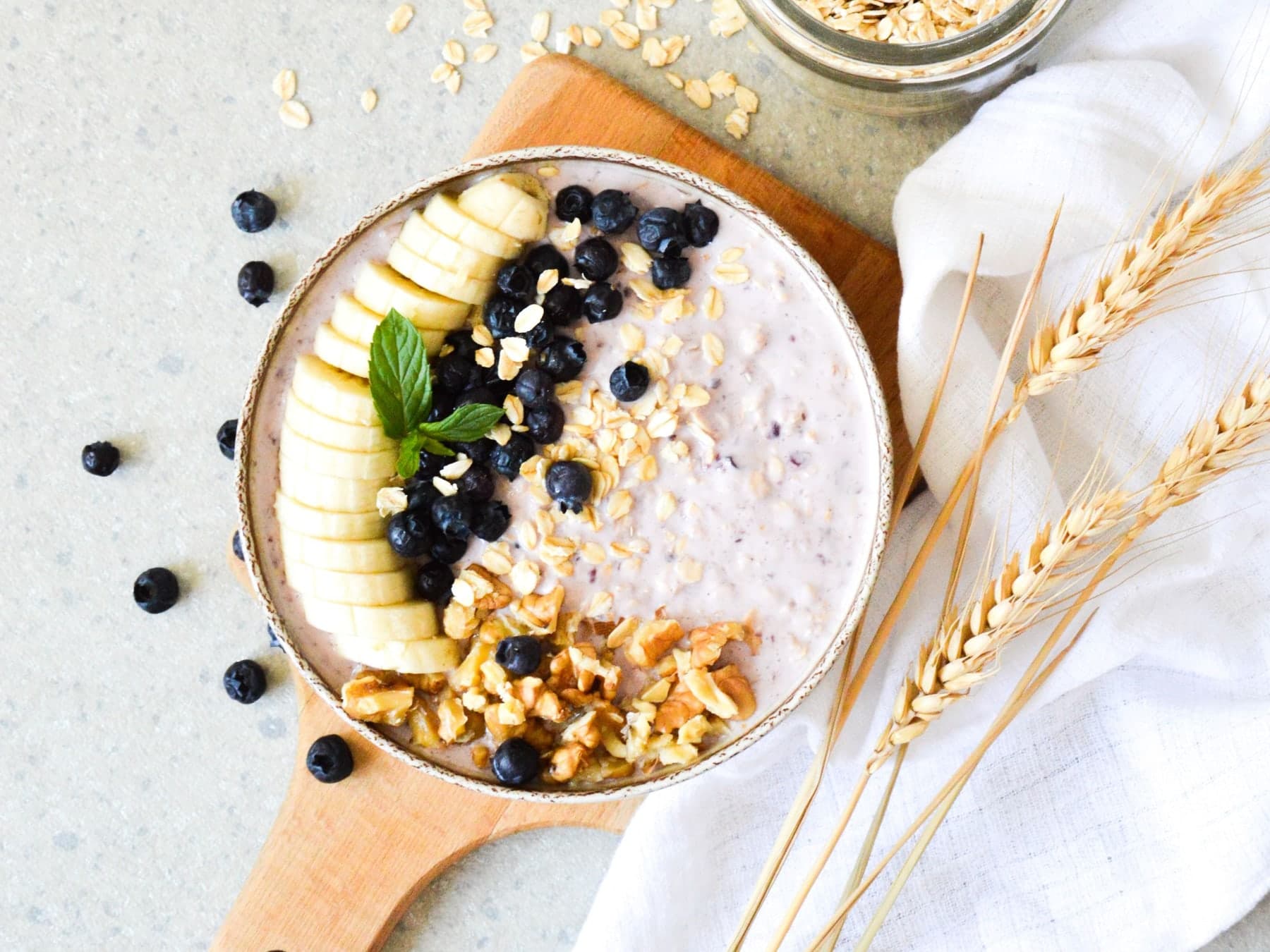
A practical meal might include grilled salmon, roasted vegetables, lentils, and a salad dressed with olive oil. Another might be a bowl of oatmeal topped with blueberries, walnuts, and plain yogurt. Or a bean-and-vegetable soup with whole-grain bread and a piece of fruit.
You don't need specialty ingredients. Frozen vegetables count. Frozen berries count. Canned beans count. Canned sardines and salmon can be economical protein sources. If the Mediterranean diet feels unfamiliar, start by changing one ordinary meal. Add vegetables to lunch. Replace a refined-grain side with beans or whole grains. Use olive oil in place of some saturated fats. Eat a handful of unsalted nuts instead of a highly processed snack. Over time, those changes can become a way of eating rather than a temporary project.
Don't overlook protein and adequate nutrition
For adults over 50, preserving muscle and avoiding inadequate nutrition are important. A diet that is theoretically excellent for brain health but leaves you undernourished isn't excellent at all. Include appropriate protein sources throughout the day: fish, eggs, yogurt, beans, tofu, poultry, or other foods you enjoy.
Vitamin B12 deserves particular attention because deficiency can contribute to neurological symptoms and cognitive problems. Absorption can become more difficult with age, and certain medications and dietary patterns increase the risk of deficiency. If you have symptoms or risk factors, testing may be appropriate. More B12 is not necessarily better when your levels are already adequate. The same principle applies to other vitamins. Correcting a deficiency is valuable. Taking large doses of nutrients you don't need is not a proven brain-enhancement strategy.
6. Sleep: the nightly maintenance shift your brain needs
Picture a restaurant after closing. The customers are gone, the lights are dimmed, and the staff begins the work nobody sees during dinner: cleaning surfaces, putting supplies away, preparing for the next day. Sleep is not exactly a restaurant cleanup operation, but the comparison captures something important. Your brain remains active while you sleep.
It reorganizes information, participates in memory consolidation, regulates physiological processes, and supports the systems that help you function the next day. When sleep is disrupted, the consequences can appear quickly. Concentration becomes harder. Emotional reactions may feel stronger. You may forget information you would normally remember. A night of poor sleep can make a healthy person feel alarmingly forgetful. That doesn't mean one bad night causes lasting brain damage. It means sleep is deeply involved in how cognition works.
Memory doesn't finish working when you close your eyes
Learning involves several processes. First, information must be encoded. Then it needs to be stabilized and integrated with existing knowledge. Later, it must be retrieved. Sleep contributes to consolidation, particularly for certain types of memory. Different sleep stages participate in different aspects of learning and regulation.
Slow-wave sleep is associated with processes important for declarative memory, including facts and events. REM sleep is involved in several aspects of emotional processing and memory, although the relationships are more complicated than simple popular explanations suggest. This helps explain why staying awake all night to learn something is often counterproductive. You may spend more hours looking at the material but give your brain less opportunity to consolidate it.

The brain's waste-clearance system
Researchers have become interested in the glymphatic system, a proposed network of fluid movement and waste clearance within the brain. Animal research suggests that aspects of this system are influenced by sleep. The relationship between sleep, fluid clearance, and proteins associated with Alzheimer's disease has generated considerable scientific interest. But important questions remain about how these mechanisms operate in humans and how much they contribute to disease risk.
It's premature to claim that a specific sleeping position, supplement, or bedtime routine can flush Alzheimer's-related proteins out of your brain. You don't need to believe that claim to appreciate the importance of adequate sleep.
How much sleep do you need after 50?
For most adults, roughly seven to nine hours per night is an appropriate general target, with individual variation. Older adults do not suddenly stop needing sleep. Sleep patterns may change, however. Some people become sleepy earlier in the evening, wake earlier, or experience more fragmented sleep.
The objective isn't to force yourself to sleep for an exact number of hours. It's to get enough restorative sleep to function well during the day. If you're sleeping seven hours, waking refreshed, and remaining alert, you may be doing fine. If you're spending nine hours in bed but waking exhausted, something deserves investigation.
The habits that make the biggest difference
Start with your wake-up time. Getting out of bed at a reasonably consistent time helps regulate your circadian rhythm, the internal timing system that influences sleep and wakefulness. Morning daylight is another powerful cue. Spend some time outdoors early in the day when possible. A walk combines light exposure with physical activity.
Keep your bedroom dark, quiet, and comfortably cool. Avoid relying on alcohol as a sleep aid. Alcohol may initially make you sleepy but can disrupt sleep later in the night. Be thoughtful about caffeine timing. Some people can drink coffee after dinner without obvious difficulty; others find that afternoon caffeine affects their sleep. If you're struggling, experiment with an earlier cutoff.
And resist the temptation to turn sleep into another performance competition. Constantly checking a wearable device's sleep score can make some people more anxious about sleeping. A tracker can provide useful trends, but it cannot tell you everything about your sleep quality.
Sleep apnea deserves serious attention
Obstructive sleep apnea occurs when breathing repeatedly becomes obstructed during sleep. Possible signs include loud snoring, witnessed breathing pauses, gasping during sleep, morning headaches, and excessive daytime sleepiness. Sleep apnea is associated with cardiovascular and cognitive problems.
Effective treatment can improve sleepiness and quality of life, and may improve some cognitive symptoms, although the evidence for preventing dementia remains uncertain. If you regularly wake unrefreshed or someone notices pauses in your breathing, ask about evaluation. Don't assume that chronic exhaustion is simply part of getting older.
7. The memory skills you can improve right now
Most people think improving memory means strengthening some invisible storage compartment in the brain. But everyday remembering depends on several steps. You need to notice information, pay attention to it, encode it meaningfully, retain it, and retrieve it when needed. A failure at any stage can feel like a memory problem.
Sometimes the information was never properly stored because your attention was elsewhere. Think about setting your keys on a table while answering a phone call. Later, you can't remember where you left them. The problem may not be that your brain forgot a carefully recorded location. It may be that you never paid enough attention to create a strong memory in the first place. That distinction opens the door to useful strategies.
Attention comes before memory
Multitasking is one of the easiest ways to sabotage everyday remembering. The brain can manage some automatic activities simultaneously, but demanding mental tasks often compete for attention. When you repeatedly switch between tasks, you may lose efficiency and make more errors.
Try an experiment. The next time someone introduces themselves, give their name your full attention. Repeat it naturally during the conversation. Connect it with something meaningful. If you meet someone named Rose, you might briefly imagine a rose growing beside the place where you met. It may sound silly. That's partly why it works. Distinctive associations can make information easier to retrieve.
Use the three-step memory method
For something you genuinely want to remember, try this:
Notice it deliberately. Stop doing something else for a moment.
Connect it to something meaningful. Link the information to a familiar place, image, story, or existing knowledge.
Retrieve it later. Test yourself without immediately looking at the answer.
That third step is particularly useful. Retrieval practice strengthens learning more effectively than repeatedly rereading information in many circumstances.
Suppose you're learning the names of six new neighbors. Instead of looking at the names ten times, study them briefly, cover the list, and try to recall them. Check what you missed. Try again later. Then revisit the information the next day. This is closely related to spaced repetition, a well-established learning technique that distributes practice over time.

The method of loci: an ancient memory trick
Memory champions often use techniques that sound elaborate but rely on familiar mental abilities. One is the method of loci, sometimes called the memory palace. Imagine walking through your home. Choose several locations in a consistent order: front door, hallway, sofa, kitchen table, refrigerator. Now associate each item you want to remember with one location.
Suppose your shopping list contains apples, eggs, coffee, spinach, and soap. Imagine an enormous apple blocking your front door. Eggs rolling down the hallway. Coffee pouring out of the sofa. Spinach covering the kitchen table. Soap bubbling out of the refrigerator. Absurd images can be memorable because they are distinctive. Later, mentally walk through your home and retrieve each item. You may find this surprisingly effective.
The method is useful for lists, presentations, and information that can be organized into a sequence. It doesn't cure a memory disorder. It's a technique for making better use of memory systems you already possess.
External reminders are not cheating
A calendar, notebook, medication organizer, or phone reminder can make life easier. Some people resist these tools because they believe they should be able to remember everything without assistance. Why? We use eyeglasses to see more clearly. We use calculators for arithmetic. We use maps to navigate unfamiliar places. A reminder system is another practical tool.
In fact, reducing the mental burden of tracking dozens of small obligations can free attention for more interesting work. Create a consistent location for keys, glasses, and your wallet. Use one calendar rather than scattering appointments across several systems. Write important information down immediately. Set reminders for tasks that matter. Then spend less time searching for things and more time doing things you enjoy.
When forgetting is actually a problem of overload
Mental fatigue can mimic memory difficulty. Imagine trying to remember a detailed conversation while simultaneously responding to messages, monitoring a television program, and worrying about tomorrow's schedule. Your brain is not failing because you cannot retain every detail. You have created poor conditions for learning.
Simplifying your environment can be surprisingly effective. Turn down background noise when discussing something important. Complete one demanding task before starting another. Take short breaks during prolonged concentration. If you have hearing difficulties, address them rather than forcing yourself to work harder to understand every conversation. Better memory sometimes begins with better listening conditions.
8. Give your brain something genuinely difficult to learn
Crossword puzzles can be enjoyable. So can sudoku, word games, chess, and other mental challenges. But there's an important difference between practicing something you're already good at and learning something that requires your brain to develop new skills.
If you've completed the same type of crossword every morning for twenty years, you're probably very skilled at crosswords. That's worthwhile. It doesn't necessarily mean you're improving every other aspect of cognition. Research on commercial brain-training programs has produced mixed results. People often improve on the tasks they practice. Whether those improvements transfer broadly to everyday functioning is less certain.
A useful approach is to choose activities that involve several kinds of thinking and have meaning outside the exercise itself.
Learn something with a real-world purpose
Consider learning a musical instrument. You must coordinate movement, interpret patterns, listen carefully, remember sequences, and adjust your performance. Or learn conversational Spanish because you want to travel. Now you're practicing vocabulary, listening, pronunciation, memory, and social interaction. Learn photography and you'll combine visual attention, technical decisions, creativity, and problem-solving. Learn woodworking and you'll use spatial reasoning, planning, measurement, and manual coordination.
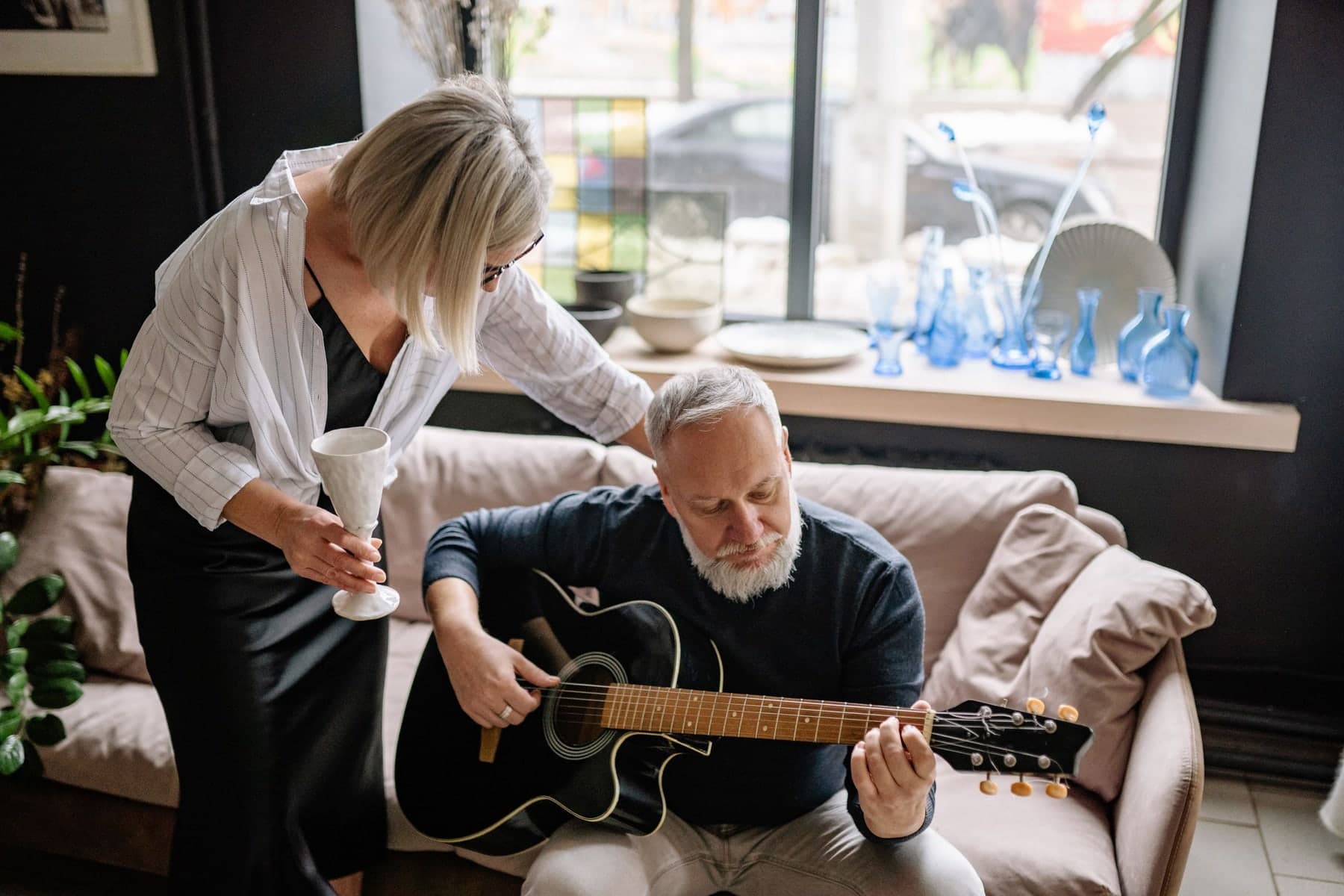
None of these activities has been proven to prevent dementia on its own. But each can provide genuine cognitive engagement and improve your ability to do something worthwhile. And unlike a brain-training game that exists only to increase your score, these activities can produce something you value. A song. A conversation. A photograph. A handmade table.
Make learning challenging, but not miserable
The right level of difficulty is important. If an activity is too easy, you may become bored. If it's impossibly difficult, you may become frustrated and stop. Aim for something that requires concentration but allows visible progress.
A useful approach is to practice for 20–30 minutes several times a week. Break complicated skills into manageable pieces. Seek feedback. Repeat difficult sections. Periodically test yourself without relying on instructions. For a beginner learning piano, that might mean practicing a short melody slowly until the movements become comfortable. For someone already proficient, it might mean learning a composition with unfamiliar rhythms or harmonies. The challenge should evolve as your ability improves.
Curiosity is a powerful reason to keep learning
There's a practical problem with advice to challenge your brain: it can make learning sound like medicine. Something you do because you're supposed to. A more sustainable approach is to follow genuine curiosity.
What have you always wanted to understand? Astronomy? Family history? Architecture? Gardening? Electronics? Literature? Cooking techniques from another culture? You have access to more learning opportunities than almost any previous generation. Libraries, community colleges, online courses, workshops, museums, and local clubs offer possibilities at many price points. You don't need to become an expert. You need a reason to keep asking questions.
9. Emotional well-being is part of brain health
It's possible to have excellent blood pressure, eat vegetables every day, and exercise regularly while feeling emotionally miserable. That is not a complete picture of healthy aging. Emotional well-being affects attention, motivation, sleep, relationships, and the experience of everyday life. Stress, depression, anxiety, grief, and loneliness can influence how clearly we think. Conversely, meaningful relationships, enjoyable activities, and a sense of purpose can help support mental well-being.
The brain isn't merely an information-processing machine. It's also the organ through which we experience our lives.
Why stress makes you forgetful
Imagine you're preparing to give an important presentation. You know the material. You've practiced. Then, standing in front of the audience, you suddenly struggle to remember the next point. Stress can interfere with working memory and attention, particularly when it becomes intense.
The body's stress response involves hormones and nervous-system changes that help us respond to threats. In the short term, those responses can be useful. But persistent stress can affect sleep, mood, cardiovascular function, and concentration. The relationship between chronic stress and long-term brain health is complicated, and not every stressful experience produces lasting harm. Still, reducing unnecessary chronic stress is a worthwhile goal.
Stress management that fits real life
Meditation can help some people manage stress and improve emotional regulation. But it isn't the only option. A quiet walk, gardening, breathing exercises, music, creative work, time outdoors, and meaningful conversation can all provide opportunities to recover from daily demands.
Try a simple breathing exercise. Sit comfortably. Relax your shoulders. Breathe in gently for approximately four seconds, then breathe out slowly for approximately six seconds. Continue for two or three minutes without straining or holding your breath. If the rhythm feels uncomfortable, return to natural breathing. The objective is not to achieve a special physiological state. It's to create a short period of calm attention.
Depression is not an inevitable part of aging
Depression can affect people at any age. It may involve persistent sadness, but it can also appear as loss of interest, low energy, sleep changes, irritability, reduced concentration, or difficulty making decisions. Some people primarily notice that their memory seems worse.
Depression is associated with dementia risk, although the relationship is complex. In some circumstances it may be a risk factor; in others, depressive symptoms may emerge during early disease processes. Either way, depression deserves attention in its own right. Effective treatments exist, including psychotherapy, medication when appropriate, and other evidence-based approaches. Seeking treatment is not an admission that you cannot manage your life. It's a way to improve it.
Anxiety can steal your attention
Anxiety often fills working memory with competing thoughts. What if something goes wrong? Did I remember that appointment? What was that symptom? What if I forget something important? The mental effort of monitoring threats leaves fewer resources available for whatever you're trying to do.
If anxiety is persistent or interferes with everyday life, treatment can help. For milder everyday worry, useful strategies include regular activity, adequate sleep, limiting excessive news consumption, and setting aside a specific time to address practical concerns. Writing down a worry and identifying one concrete action can sometimes be more productive than mentally revisiting it twenty times.
Purpose doesn't have to be grand
Discussions of healthy aging sometimes make purpose sound like a heroic calling. You must discover your mission. Transform the world. Leave a legacy. That's a lot to ask of someone who simply wants to enjoy a Tuesday. Purpose can be ordinary.
Caring for a garden. Helping a neighbor. Teaching a grandchild to cook. Volunteering at an animal shelter. Building something. Learning something. Being dependable to people who matter. A sense of purpose is associated with better well-being and, in observational research, favorable health outcomes. It isn't a magic shield against illness. But having reasons to get up, participate, and contribute can make life richer.
10. Relationships exercise parts of your brain that puzzles cannot
Consider what happens during an ordinary conversation. You listen to another person's words. Interpret tone and facial expressions. Recall relevant information. Predict what they mean. Decide how to respond. Adjust when the conversation changes direction. All of this happens while you're thinking about whether you want another cup of coffee. Human interaction is cognitively demanding. It's also one of life's great pleasures.
Social engagement is associated with cognitive health, while social isolation is among the potentially modifiable factors identified in dementia research. That doesn't mean every introvert needs a crowded social calendar. The quality and meaning of relationships matter. A few close connections may be more valuable than dozens of superficial interactions.
Loneliness and isolation are different
Social isolation refers to having relatively little social contact. Loneliness is the subjective feeling that your relationships do not meet your needs. You can live alone without feeling lonely. You can also feel profoundly lonely in a room full of people. Both deserve attention, but they may require different responses.
Someone who lacks opportunities for contact might benefit from joining a group, volunteering, or reconnecting with acquaintances. Someone surrounded by people but lacking emotional closeness may need deeper conversations, more supportive relationships, or help addressing conflicts.

Make connection part of your routine
Waiting for social opportunities to appear spontaneously can be unreliable. A recurring activity makes connection easier. Join a walking group that meets every Wednesday. Attend a weekly class. Schedule a regular meal with friends. Volunteer at a place where you'll see the same people. Participate in a choir, book club, community garden, or recreational sports league. Repeated contact allows relationships to develop naturally.
There's also a practical advantage to activities that combine social interaction with movement or learning. A dance class, for example, can provide physical activity, coordination practice, music, and conversation. You don't have to label it a brain-health intervention. You can simply enjoy dancing.
Don't underestimate small connections
Not every meaningful interaction requires a long conversation. Greeting a neighbor, talking with a familiar shopkeeper, or sharing a brief exchange at the gym can contribute to a sense of belonging. Small connections are not substitutes for close relationships, but they can make daily life feel more socially connected.
If you've become isolated, rebuilding a social routine may feel awkward at first. Start small. Choose one recurring activity that genuinely interests you. Attend more than once before deciding it isn't for you. Friendships often develop through familiarity rather than instant chemistry.
11. Hearing and vision: two overlooked parts of brain health
Imagine trying to solve a puzzle while someone keeps removing pieces. That's a reasonable comparison for what can happen when hearing or vision difficulties make it harder to receive information. The brain has to interpret the world using whatever sensory information is available.
When hearing becomes difficult, following a conversation may require greater concentration. That effort can leave fewer mental resources available for remembering details or participating naturally. Vision problems can make reading, navigating unfamiliar environments, and enjoying activities more difficult. Sensory health is not separate from brain health.
Why hearing deserves attention
Hearing loss is associated with increased dementia risk in observational research. Several explanations have been proposed, including shared underlying causes, increased listening effort, and reduced social engagement. Researchers are still working to understand the relative importance of these pathways.
A particularly interesting randomized trial, ACHIEVE, investigated whether hearing intervention could reduce cognitive decline in older adults with hearing loss. The intervention did not significantly reduce cognitive decline across the entire study population over three years. However, a prespecified subgroup of participants at higher risk of cognitive decline showed benefit. The result was promising, but it should not be simplified into a claim that hearing aids prevent dementia.
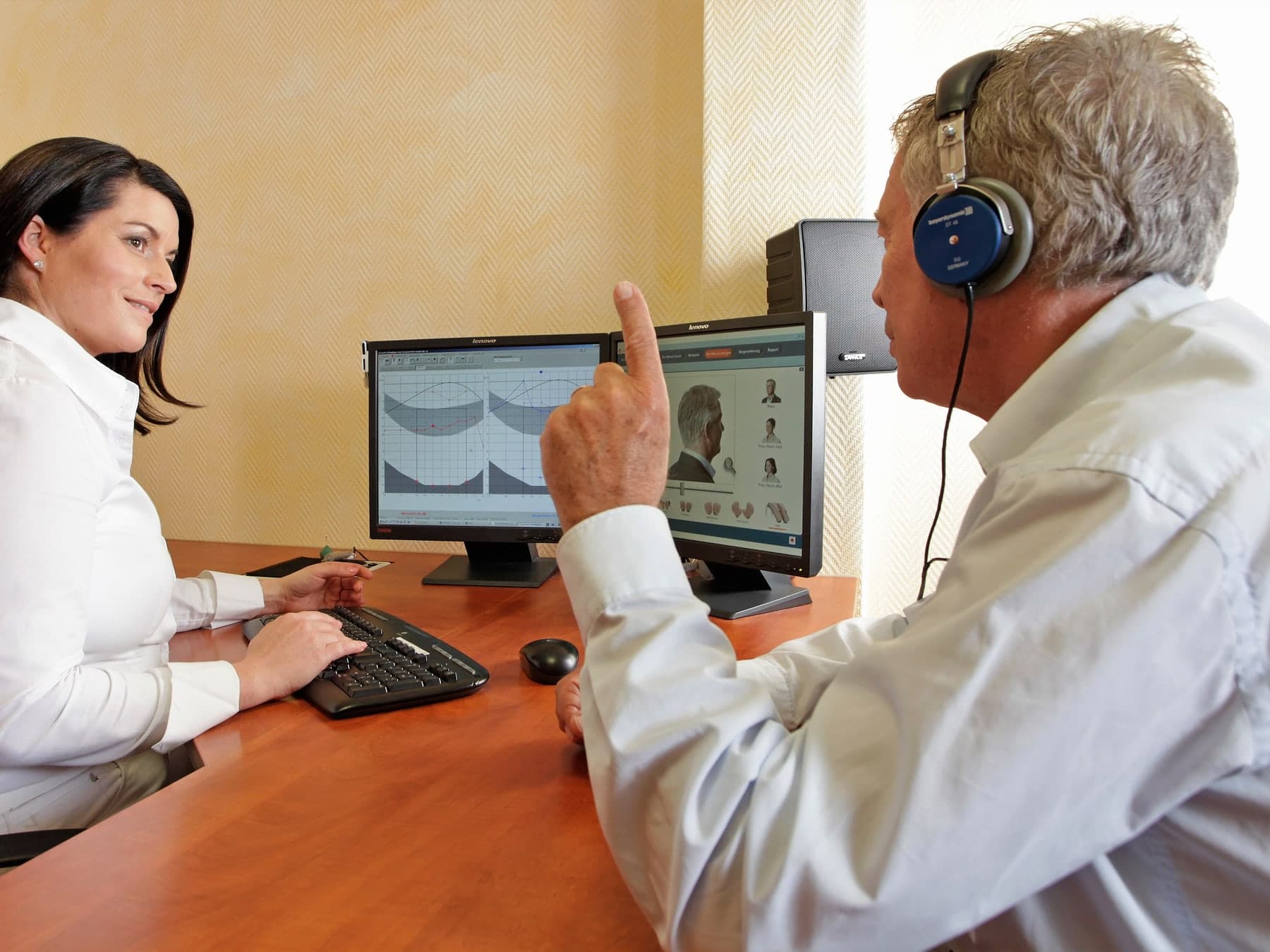
Hearing aids can improve communication and quality of life, which are worthwhile outcomes regardless of their possible effects on long-term cognition. If you regularly ask people to repeat themselves, struggle in restaurants, or turn the television volume unusually high, consider a hearing evaluation.
Vision affects participation in life
Untreated vision impairment can interfere with reading, driving, physical activity, and social interaction. It can also increase the difficulty of navigating environments safely. The 2024 Lancet Commission identified untreated vision loss as an additional potentially modifiable dementia risk factor. This doesn't establish that correcting every vision problem will prevent cognitive decline. It does reinforce the importance of routine eye care.
Keep prescriptions current. Seek evaluation for new visual symptoms. Discuss cataracts and other treatable conditions when appropriate. And make your home easier to navigate with adequate lighting and good contrast. A brighter reading lamp may not sound like a brain-health strategy, but it can help you continue doing things that engage your brain.
12. Protect your brain from the risks that matter most
Much of the commercial brain-health industry focuses on things you can add. Add a supplement. Add a special drink. Add a complicated morning ritual. Some of the most meaningful opportunities involve addressing established health risks.
Blood pressure
High blood pressure can damage blood vessels throughout the body, including those supplying the brain. Know your blood pressure and work with your healthcare professional on appropriate management. Lifestyle changes may include physical activity, reducing excess sodium, improving dietary quality, managing weight when appropriate, and limiting alcohol. Medication is often necessary and can be highly effective.
Cholesterol
Elevated LDL cholesterol contributes to atherosclerotic cardiovascular disease. The 2024 Lancet Commission also identified high LDL cholesterol in midlife as a potentially modifiable dementia risk factor. The appropriate response is not to take cholesterol medication solely because of a dementia headline. It's to assess cardiovascular risk and manage cholesterol according to established clinical guidance.
Diabetes and blood sugar
Diabetes is associated with increased risk of cognitive impairment and dementia. Healthy eating, physical activity, appropriate medication, and routine monitoring can help manage diabetes and reduce complications. Extremely aggressive glucose lowering is not automatically better, particularly when it increases the risk of hypoglycemia. The goal is safe, individualized management.
Smoking
Smoking damages blood vessels and increases the risk of numerous diseases. Quitting provides benefits at any age. If you've smoked for decades, don't assume the opportunity has passed. Evidence-based cessation support, including counseling and appropriate medications, can improve the likelihood of success.
Alcohol
Heavy alcohol consumption can harm the brain and many other organs. Claims that drinking wine protects the brain have become increasingly difficult to defend as research has improved. You do not need to begin drinking alcohol for cognitive health. If you already drink, reducing intake may benefit sleep, blood pressure, and overall health.
Head injuries
Protecting your brain from injury is an often-neglected part of prevention. Wear an appropriate helmet when cycling or participating in activities where one is recommended. Use seat belts. Address fall hazards at home. If balance difficulties are emerging, appropriate strength and balance training can help. People taking medications that increase bleeding risk should be especially attentive to head injuries.

Air pollution and environmental exposures
Long-term exposure to air pollution is associated with adverse cardiovascular and neurological outcomes. Individuals cannot control every environmental exposure, but practical measures may help. Check air-quality conditions before prolonged outdoor exercise, particularly during wildfire smoke events. Improve indoor filtration when feasible. Choose lower-traffic walking routes when convenient. Environmental brain health is also a community and public-policy issue, not simply an individual responsibility.
13. The dementia question: how much control do we really have?
Few brain-health topics generate as much anxiety as dementia. That anxiety is understandable. But it can also distort the way people interpret ordinary memory lapses. A forgotten name becomes a frightening prediction. A misplaced phone becomes evidence of impending decline. Neither conclusion is justified by those experiences alone.
What the Lancet Commission actually found
The 2024 Lancet Commission examined evidence involving 14 potentially modifiable dementia risk factors across the lifespan. Its modeling suggested that approximately 45% of dementia cases might theoretically be delayed or prevented by addressing those factors at a population level.
That is an important finding, but it needs careful interpretation. It does not mean an individual can eliminate 45% of their personal dementia risk by following a checklist. The estimate depends on assumptions about causal relationships, risk-factor prevalence, and overlapping exposures. Some factors are difficult for individuals to control without broader social or healthcare changes. And people who do everything right can still develop dementia.
Nevertheless, the report supports a valuable conclusion: dementia risk is not determined exclusively by genetics or chronological age.
Genetics are influential, not always destiny
Certain genetic variants, including APOE ε4, are associated with increased risk of Alzheimer's disease. But carrying a risk-associated variant does not mean someone will inevitably develop the disease. Likewise, not carrying it does not guarantee protection. Most people do not need direct-to-consumer genetic testing to make sensible decisions about exercise, blood pressure, sleep, nutrition, and other aspects of health. Anyone considering genetic testing because of a strong family history should discuss its benefits, limitations, and implications with an appropriately qualified professional.
When memory changes deserve evaluation
Occasional forgetfulness is common. More concerning changes include getting lost in familiar places, repeatedly asking the same questions without remembering the answers, difficulty managing previously familiar tasks, or noticeable changes in judgment and everyday functioning. A sudden change in thinking, particularly with weakness, speech difficulty, facial drooping, or other neurological symptoms, requires emergency evaluation. Gradual but persistent changes deserve a medical appointment. An assessment may identify treatable contributors, clarify the nature of the problem, or help establish a plan. Avoiding evaluation out of fear can mean missing opportunities for useful care.
14. What about brain supplements, nootropics, and new technologies?
The promise is seductive. Take something today and become mentally sharper tomorrow. The problem is that brain function is enormously complicated, and supplement marketing often races far ahead of clinical evidence.
Ginkgo biloba
Ginkgo has been studied extensively for memory and cognitive outcomes. Large trials have not established that it prevents dementia in otherwise healthy older adults. It can also interact with medications, including those affecting bleeding risk.
Prevagen and similar memory products
Products marketed for memory enhancement may rely on limited evidence that does not establish meaningful benefits in the broader population. An advertisement's confidence is not a measure of scientific reliability.
Lion's mane mushrooms
Lion's mane has attracted interest because of laboratory findings involving compounds that may influence nerve-growth-related pathways. Small human studies have explored cognitive outcomes. The evidence remains preliminary, and long-term clinical benefits are not established.
Creatine
Creatine is well established as a useful supplement for certain exercise and muscle-performance goals. Researchers have also investigated possible cognitive effects, including under conditions of sleep deprivation or high mental demand. Findings are interesting but not sufficient to recommend creatine as a proven dementia-prevention supplement.
Commercial brain-training apps
Some programs can improve performance on practiced cognitive tasks. Evidence for broad improvements in everyday functioning or dementia prevention is less convincing. If you enjoy these games, play them. Just don't feel obligated to pay a substantial subscription fee because an advertisement suggests your brain will deteriorate without it.
Artificial intelligence and digital tools
Technology can be genuinely useful for cognitive engagement. Language-learning applications, digital photography tools, online courses, accessible communication platforms, and creative software can open new opportunities. AI assistants can help explain unfamiliar subjects, generate practice questions, or provide feedback during learning. But technology works best when it supports active thinking rather than replacing it.
If you're learning a language, actually practice speaking and recalling words. If you're writing, make your own decisions. If you're solving a problem, attempt it before requesting the answer. Convenience is valuable. So is the effort involved in learning.
15. Build a brain-health routine that you actually want to live with
By now, you've encountered a great deal of information. Exercise. Nutrition. Sleep. Learning. Social relationships. Sensory health. Cardiovascular risk. It's tempting to turn all of this into an elaborate daily schedule. That would be a mistake for many people. A brain-health routine should make your life better, not become another source of stress. Begin with the habits that provide several benefits simultaneously.
A practical week
| Day | Activity | Brain-health connection |
|---|---|---|
| Monday | 30-minute brisk walk and 20 minutes learning a skill | Aerobic fitness and cognitive engagement |
| Tuesday | 30-minute strength session | Muscle, metabolic health, and physical capability |
| Wednesday | Walk with a friend or attend a group activity | Movement and social connection |
| Thursday | Practice a musical instrument, language, or other challenging skill | Learning and memory |
| Friday | Strength training and a short balance session | Strength, coordination, and mobility |
| Saturday | Longer outdoor activity, dance class, or recreational sport | Physical activity and enjoyment |
| Sunday | Prepare healthy meals, connect with family, and plan the week | Nutrition, relationships, and reduced mental clutter |
This is an example, not a prescription. If you're already physically active, your greatest opportunity might be improving sleep or addressing an untreated hearing problem. If you sleep well and exercise regularly but feel isolated, social connection may deserve more attention. If you have cardiovascular risk factors, managing them may be particularly important. The best routine is the one that addresses your actual circumstances.

What if you're just getting started?
Start with three manageable commitments. Walk for ten minutes on most days if your abilities permit. Add one nutritious food to a meal you already eat. Spend fifteen minutes learning something that interests you. Once those activities feel natural, expand them. You don't need to overhaul your life in a weekend.
What if you're already doing everything well?
Then seek meaningful challenges rather than adding more rules. Learn a difficult skill. Try a new sport. Volunteer for something that requires planning and problem-solving. Explore unfamiliar places. Deepen relationships. Continue managing your health. The objective is not to accumulate the maximum number of brain-health habits. It's to remain capable of enjoying a varied, engaged life.
16. Your questions about brain health, answered
Can memory improve after 60 or 70?
Yes. People can improve specific memory skills through learning, retrieval practice, better attention, effective strategies, and addressing contributing problems such as poor sleep or hearing difficulty. That doesn't mean every aspect of memory can be restored to a younger level. Improvement is possible without requiring reversal of aging.
Is forgetting names normal?
Occasional difficulty retrieving names is common. Names are often particularly challenging because they can have weak connections to other information. Remembering someone's occupation or where you met them while temporarily forgetting their name is not, by itself, evidence of dementia. Persistent or progressive difficulties affecting everyday functioning deserve evaluation.
Are crossword puzzles good for the brain?
They provide mental engagement and can improve crossword-related skills. Whether they meaningfully reduce dementia risk remains uncertain. Enjoy them, but consider combining familiar puzzles with learning unfamiliar skills and maintaining physical and social activity.
Can exercise improve memory?
Some randomized trials show improvements in certain cognitive outcomes following exercise interventions. Effects vary, and not every study finds a benefit. Exercise is strongly worthwhile for overall health even when measurable cognitive changes are modest.
Does the Mediterranean diet prevent Alzheimer's disease?
It has not been conclusively proven to prevent Alzheimer's disease. It supports cardiovascular health and is associated with favorable cognitive outcomes in observational research. That makes it a reasonable eating pattern, without promising protection against dementia.
Is it too late to improve brain health at 80?
No. People can benefit from appropriately selected physical activity, improved nutrition, better sleep, treatment of sensory problems, social connection, and opportunities to learn at advanced ages. The appropriate goals and methods depend on the individual.
Does stress permanently damage the brain?
Stress affects brain function, particularly attention, memory, and emotional regulation. Chronic severe stress is associated with adverse health outcomes, but popular claims about stress permanently destroying brain cells are often oversimplified. Reducing harmful stress and treating mental-health conditions can improve well-being and functioning.
Should everyone take a brain-health supplement?
No. Supplements may be useful when correcting specific deficiencies or meeting particular medical needs. There is no supplement established as a universal way to prevent cognitive decline or dementia. That said, there are some I take every day, and I recommend. It’s a personal recommendation.
- Vitamin B12: I take and recommend this because as the stomach ages, it produces less acid, making it harder to absorb B12 from food. A deficiency can directly cause cognitive issues, fatigue, and neuropathy.
- Vitamin D: Is essential for overall neurological function, bone health, and immune support, especially for those with limited sun exposure. For me, anything that moves the needle in the right direction is worth considering.
- Omega-3 Fatty Acids: If dietary intake of fatty fish is insufficient, a high-quality omega-3 supplement may be recommended to support cellular health.
How important is sleep compared with exercise?
Both matter, and they influence one another. Regular activity can support sleep, while inadequate sleep can make exercise and concentration more difficult. Rather than ranking them against each other, build habits that support both.
What's the single best thing to do for brain health?
There is no universal answer. Regular physical activity, cardiovascular risk management, adequate sleep, nutritious eating, social engagement, and meaningful cognitive activity all deserve attention. The most valuable next step may be the one addressing your largest unmet need.
17. A better way to think about growing older
It's easy to become preoccupied with whether your memory is as quick as it used to be. You might notice that recalling a name takes longer, that learning unfamiliar software requires more patience, or that a noisy restaurant makes conversation exhausting. Those experiences can be annoying. But they don't define the total capacity of your mind.
You also carry decades of accumulated knowledge, learned skills, relationships, judgment, and experience. You may recognize patterns you would have missed years ago. You may understand people better. You may be more willing to question assumptions, less interested in trivial distractions, and more selective about how you spend your attention. Those qualities matter.
A healthy brain is not simply one that performs well on a memory test. It's a brain that helps you participate in your life. One that allows you to learn, connect, create, solve problems, appreciate experiences, and adapt when circumstances change. And maintaining that capability involves more than avoiding disease. It involves continuing to use your abilities in ways that matter to you.
Try this: give your brain one new experience this week
Choose something you've been curious about but haven't tried. Learn the first few phrases of a language. Visit an unfamiliar walking trail. Cook a dish you've never prepared. Attend a class. Call someone you haven't spoken with in a while and have a proper conversation. Try a beginner's dance lesson. Spend twenty minutes learning how something works. Pick something that feels enjoyable, slightly challenging, and worth repeating. Then do it again next week.
Your brain doesn't need a perfect lifestyle. It needs the fundamentals of good health, opportunities to adapt, and a life that gives it something worthwhile to do. And if you forget where you put your reading glasses along the way, check the top of your head. Sometimes the simplest explanation wins.
18. Sources
These references support major scientific claims in the article. They are not intended as an exhaustive bibliography.
National Institute on Aging. Cognitive Health and Older Adults. NIA cognitive health guidance. National Institute on Aging
Livingston G, et al. Dementia prevention, intervention, and care: 2024 report of the Lancet standing Commission. The Lancet, 2024. Lancet Commission report. PubMed
World Health Organization. Risk reduction of cognitive decline and dementia: WHO guidelines, second edition. July 2026. WHO guidelines. World Health Organization
Erickson KI, et al. Exercise training increases size of hippocampus and improves memory. PNAS, 2011. Original randomized trial. PNAS
Morris MC, et al. MIND diet associated with reduced incidence of Alzheimer's disease. Alzheimer's & Dementia, 2015. MIND diet observational study.
Barnes LL, et al. Trial of the MIND Diet for Prevention of Cognitive Decline in Older Persons. New England Journal of Medicine, 2023. MIND diet randomized trial.
Lin FR, et al. Hearing intervention versus health education control to reduce cognitive decline in older adults with hearing loss (ACHIEVE). The Lancet, 2023. ACHIEVE trial.
Williamson JD, et al. Effect of Intensive vs Standard Blood Pressure Control on Probable Dementia. JAMA, 2019. SPRINT MIND trial.
National Institute on Aging. Assessing Cognitive Impairment in Older Patients. Clinical cognitive assessment guidance.
National Institute on Aging. A Good Night's Sleep. Sleep and aging guidance.